
In the 1930s, radio technology was introduced to China, but radios became luxury items due to their high prices, making them rarely purchased by individuals. Before 1958, there were no radio manufacturing plants in Shandong Province, a situation that changed in 1959. The Shandong Shengjian 83 Factory, located in Wangcun Town, Zhoucun District, formed a semiconductor technology team and established a semiconductor technology research office. In November 1963, it was officially named the Shandong Semiconductor Research Institute by the Shandong Provincial Science and Technology Committee, marking the beginning of the semiconductor industry in Zibo.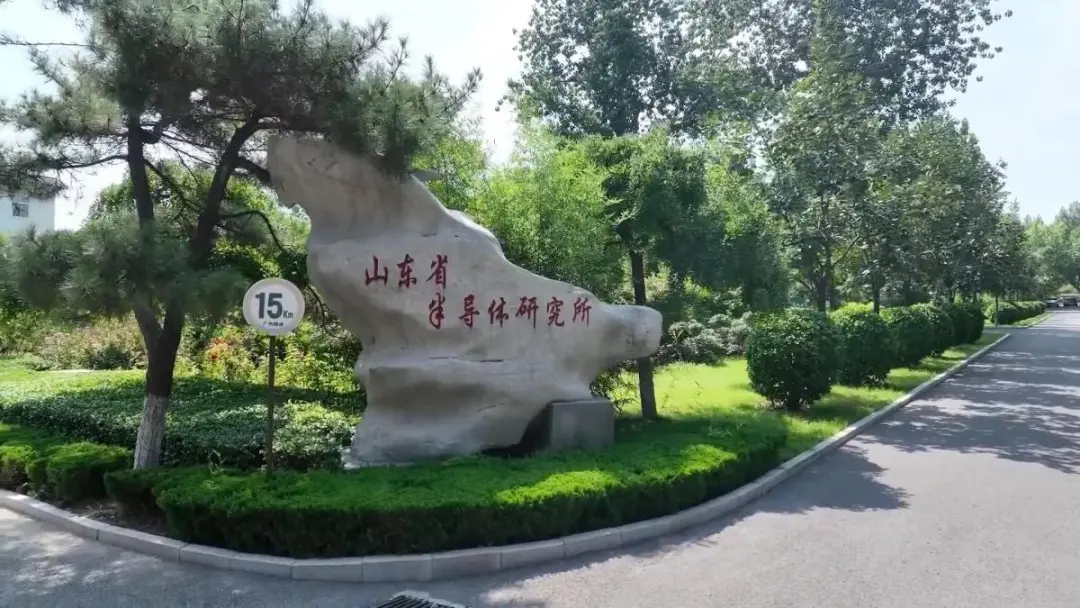
The birthplace of the semiconductor industry in Shandong Province – Shandong Semiconductor Research Institute
According to Yan Daoxiang, the former director of the Shandong Shengjian 83 Factory Semiconductor Research Institute, in 1961, the factory established a radio development team, successfully trial-manufacturing the “Baoshan” brand seven-tube pocket radio and began mass production, filling the gap in radio production in Shandong Province. In 1964, they trial-manufactured and produced the “Yonghong” brand four-tube portable superheterodyne radio and a six-tube tabletop radio, marking the transition of Zibo’s radio products from imitation and trial production to mass production.From the 1960s to the 1980s, the semiconductor materials and devices R&D and manufacturing levels of this research institute ranked among the top in the country, successively developing and producing six major series of products including silicon diodes, silicon low-frequency tubes, silicon high-frequency tubes, germanium transistors, TTL circuits, and linear integrated circuits. Many products filled domestic and provincial gaps and won provincial and municipal science and technology achievement awards. Wei Zhaoxuan, a former senior engineer at the Shandong Shengjian 83 Factory, proudly stated that at that time, other manufacturers did not have silicon tubes, and their high-power tubes filled a national gap, attracting no less than 30 visiting units, creating a lively scene.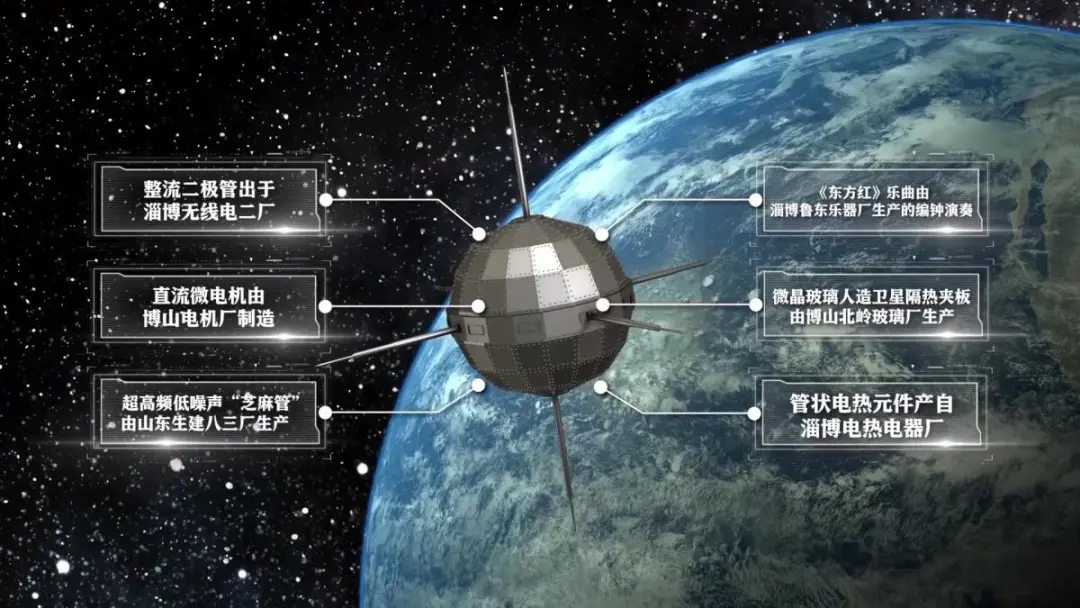
“Dongfanghong No. 1” satellite with “Zibo manufacturing”
On April 24, 1970, China successfully launched its first artificial Earth satellite, “Dongfanghong No. 1.” Among them, the key ultra-high frequency low-noise “sesame tube” that transmitted the song “Dongfanghong” from space came from the Shandong Shengjian 83 Factory.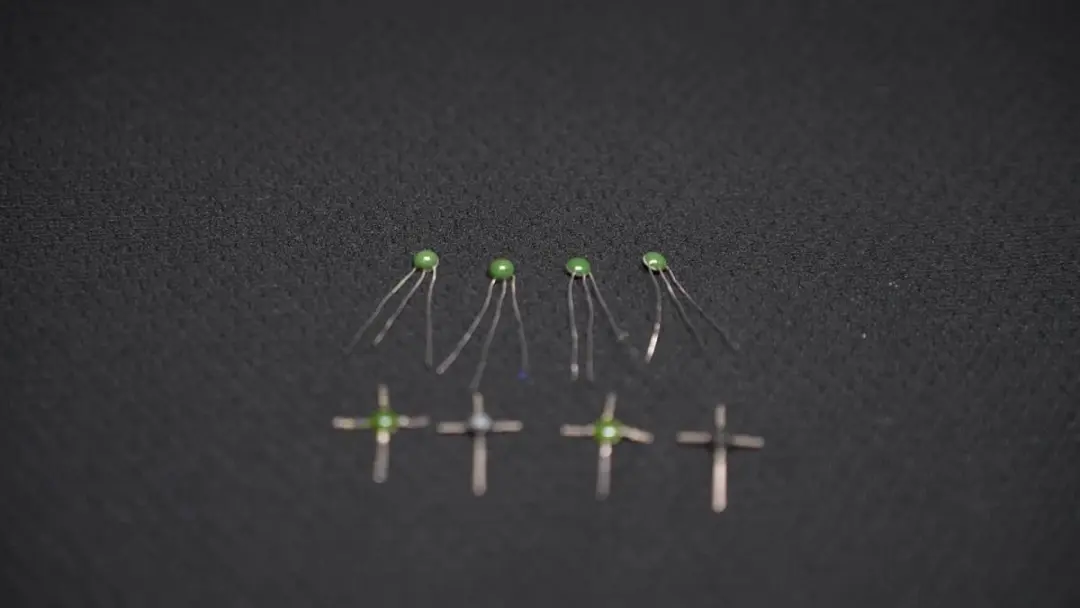
Sesame tube
Back in 1967, the Shandong Shengjian 83 Factory Semiconductor Research Institute received the task of developing an ultra-high frequency low-noise “sesame tube” for satellite power line linear amplification, which was one of the key electronic devices ensuring the transmission of the song “Dongfanghong” from space. The institute established a dedicated development research team, led by senior engineer Wu Longwen, to tackle the technical challenges. He conducted in-depth analysis and research on the various parameter indicators in the task book, especially the operational requirements of the device under extreme conditions of high temperature (120°C) and low temperature (-75°C), designing a complete process plan. After two years of effort, a sample meeting the requirements was successfully developed in early 1969. Today, Wu Longwen still treasures the experimental data records from that time, which bear witness to the hardships and glories of the early stages of China’s space industry.


End

|
Source | Zibo Daily Zibo Radio and Television Station Editor | Zhang Shuai |
First Review and Edit | Zhang Shuai Second Review and Edit | Lu Jianmin Third Review and Edit | Liu Yi |