In recent years, with the digital transformation of the manufacturing industry, 3D printing technology has gradually moved from concept to practical application, showcasing unique potential in the construction and building materials sector. As a crucial component of building envelopes, the manufacturing methods for commercial windows and doors are also quietly changing in this technological revolution. I have noticed that companies like NorDan in Norway have taken the lead in bringing 3D printed windows to market, marking the transition of this technology from experimental stages to commercial applications. So, what exactly can 3D printing bring to the window and door industry? What are the real bottlenecks that still need to be overcome?

1. Breakthrough Advantages of 3D Printing in Window and Door Manufacturing
1. Design Freedom and High Customization
Traditional window and door manufacturing is limited by molds and production processes, making it difficult to achieve highly personalized designs. In contrast, 3D printing is based on digital models and can easily create complex geometric shapes, irregular surfaces, and intricate textures that were previously difficult to process by stacking materials layer by layer. For example, NorDan’s circular window series has achieved the manufacturing of non-standard window types, which are traditionally very costly, through 3D printing.
2. Rapid Prototyping and Agile Production
In commercial projects, design validation and sample confirmation often take a long time. 3D printing supports designers in quickly creating physical prototypes and completing multiple rounds of design iterations within hours. This not only shortens the product development cycle but also reduces trial and error costs. According to NorDan’s practice, the cycle from order to delivery for their 3D printed irregular windows has been reduced by more than 50%, with production cycle time decreasing by over 70%.
3. Efficient Materials and Green Manufacturing
3D printing is an additive manufacturing process that deposits materials only where needed, significantly reducing waste compared to traditional subtractive manufacturing. Additionally, companies like NorDan have begun using bio-based composite materials—such as wood fiber reinforced polypropylene—to further enhance the environmental attributes of their products. Localized printing production also reduces transportation carbon emissions, aligning with the sustainable development goals of the construction industry.
4. Functional Integration and Intelligent Expansion
With 3D printing, windows and doors can be designed as multifunctional composite systems. For example, integrating shading adjustment structures, ventilation channels, or sensor embedding slots within the window frame lays the hardware foundation for smart windows (such as those that automatically adjust transparency based on light conditions). This “structure-function integration” is difficult to achieve with traditional manufacturing methods.
2. Current Real Bottlenecks in Technology Application
1. Size and Capacity Limitations
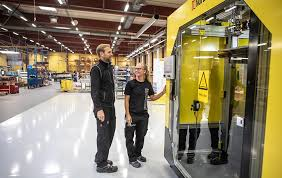
Although NorDan has been able to print large components with a width of 1.5 meters and a height of 2.5 meters, existing equipment is still insufficient for larger commercial curtain wall units. While 3D printing is faster than prototype production, it has not yet reached the efficiency of traditional mass production, making it more suitable for customized, small-batch scenarios.
2. Material Performance and Durability
Although the range of materials available for 3D printing is continuously expanding, further breakthroughs are needed to match traditional materials like aluminum alloys and high-strength PVC in terms of strength, weather resistance, and service life. Additionally, the long-term stability of bio-based materials requires further validation over time.
3. Surface Quality and Post-Processing Requirements
3D printed components typically exhibit layer lines, and to meet the high aesthetic requirements of building exteriors, post-processing steps such as sanding and coating are often necessary. This not only increases labor time but also raises the standards for process standardization.
4. Process Stability and Standardization Challenges
As NorDan pointed out, large-scale 3D printing is not yet “plug-and-play” and requires precise control of numerous process parameters. Establishing a repeatable and certifiable stable process is key to promoting the large-scale application of this technology.
3. Future Prospects and Evolution Directions
According to industry forecasts, from 2023 to 2030, the global 3D printing market size is expected to grow from $22.4 billion to $105.9 billion, with a compound annual growth rate of 21%. In the window and door manufacturing sector, I believe the following trends will emerge:
Accelerated Development of New Materials: More high-performance composite materials and smart materials (such as thermochromic materials) will be developed to meet the mechanical and functional requirements of building envelope structures.
Emergence of Hybrid Manufacturing Models: 3D printing will combine with traditional processes such as CNC machining and injection molding to leverage strengths and avoid weaknesses, creating a flexible manufacturing chain.
Digital Full-Process Integration: From BIM design to printing manufacturing, and then to IoT operation and maintenance, forming a digital closed loop. NorDan has already published the BIM model of their printed windows on a platform for designers to access directly.
Sustainability as a Core Value: 3D printed windows and doors that use renewable materials and reduce carbon footprints will be favored by green building certification systems.
3D printing is not intended to completely replace traditional window and door manufacturing methods but rather provides a powerful supplement and innovative path for the industry. Its advantages in complex components, rapid response, and green manufacturing are particularly prominent, especially suitable for high-end customization, renovation projects, and smart building applications.
As NorDan’s practice reveals: the road to technology commercialization requires overcoming challenges such as process stability and material certification, but once these are surmounted, it can lead to a qualitative leap in production efficiency and design freedom. For window and door companies, timely investment in research and development and exploring suitable 3D printing application scenarios may provide a competitive edge in future industry competition.
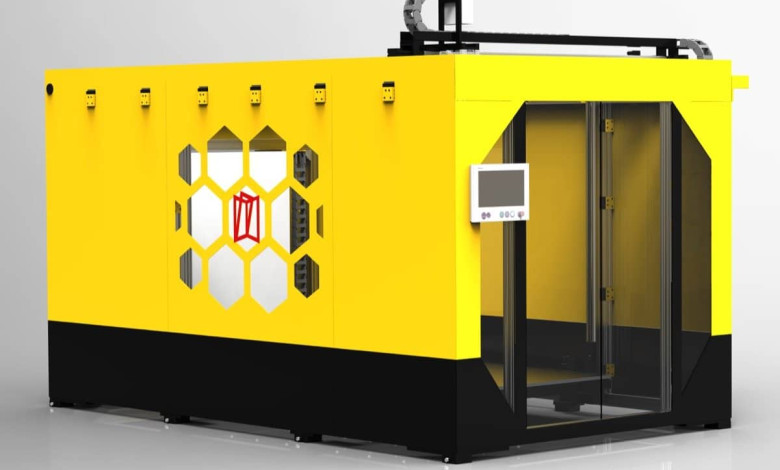
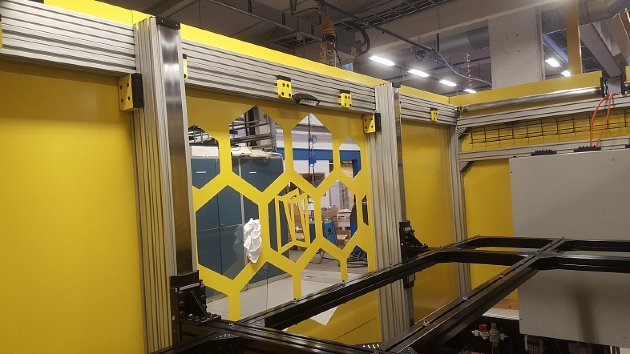
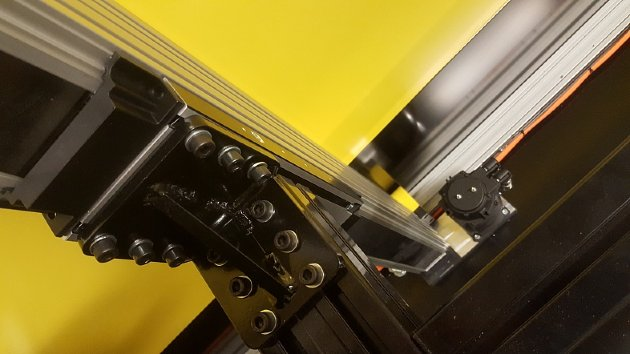
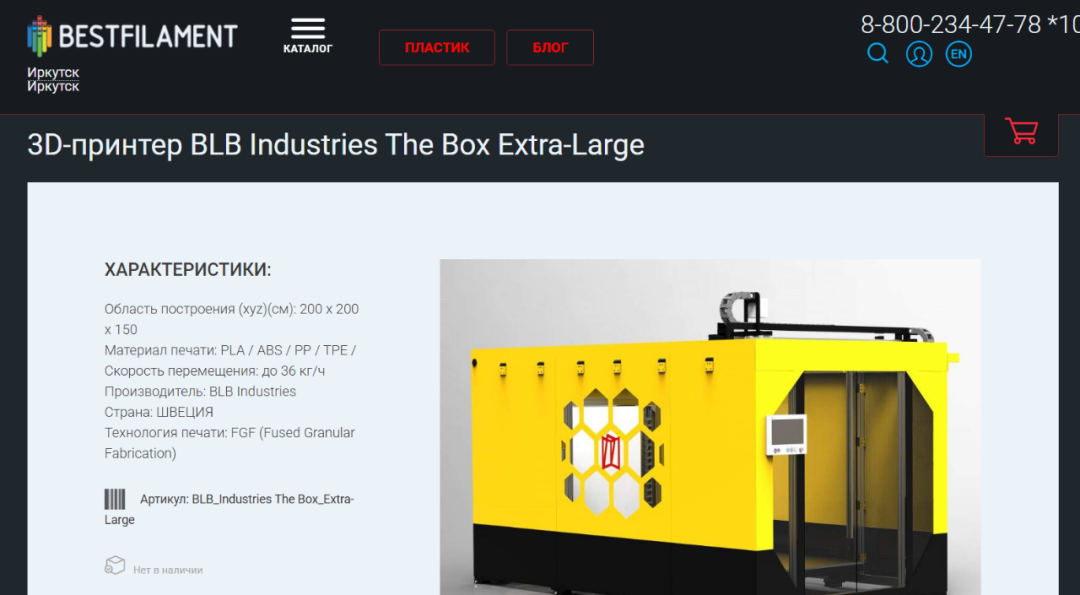
Technical Specifications:
Forming Size (XYZ) (cm): 200 × 200 × 150
Printing Materials: PLA / ABS / PP / TPE /
Printing Speed: Up to 36 kg/hour
Manufacturer: BLB Industries
Country of Origin: Sweden
Printing Technology: FGF (Fused Granular Fabrication)
@ 3D Printing Insights
I am Xu Fanglei, a design professional with a PhD and a Fellow of the Royal Society of Arts in the UK, focusing on industrial design, additive manufacturing, and business models. Here, I will use my expertise and experience to take you deep into the world of 3D printing, sharing the latest industry trends, interpreting cutting-edge technologies, and discussing commercial applications.
 END
END





 Welcome to add the editor’s WeChatto learn about the latest developments in the 3D printing industry
 About 3D Printing Technology
To provide timely integration of industry insights, technology trends, application scenarios, competitive strategies, and in-depth dynamics for practitioners in 3D printing and artificial intelligence, offering high-value information. We are passionate about 3D printing and welcome contributors from around the world.The English website3DPTimes is also launched, focusing on the 3D printing field, producing a wealth of high-quality cutting-edge information and technical content.
Disclaimer:3D Printing Technology has no commercial cooperation, sponsorship, employment, or other interests with the companies mentioned in this article.3D Printing TechnologyImages and videos are sourced from the internet and are for auxiliary reading purposes only, with no commercial intent.All rights belong to the original authors. If there are any infringement issues, please contact the rights holder in a timely manner, and we will delete it immediately. The copyright of the images in this article belongs to the copyright holder,3D Printing Technologywatermarks are automatically added for auxiliary reading and do not represent ownership of the images. For image usage, please consult the relevant copyright parties.3D Printing TechnologyThe article does not constitute any investment advice,3D Printing Technologyis not responsible for any direct or indirect losses caused by the use of this information.For more exciting content, please follow us