3D printing, also known as additive manufacturing technology, is a method of creating solid parts based on three-dimensional CAD data through layer-by-layer material accumulation. In recent years, it has gained widespread application. However, due to the complex shapes and large sizes of wind turbine blades made from fiberglass or carbon fiber, 3D printing technology has not penetrated the wind turbine blade market until now.
3D Printed Blades
A U.S. startup, Orbital Composites, aims to revolutionize the wind energy industry by using 3D printers and robots to manufacture wind turbine blades directly on-site. According to CEO Amolak Badisha, this will eliminate the complex logistics involved in transporting blades in the future.
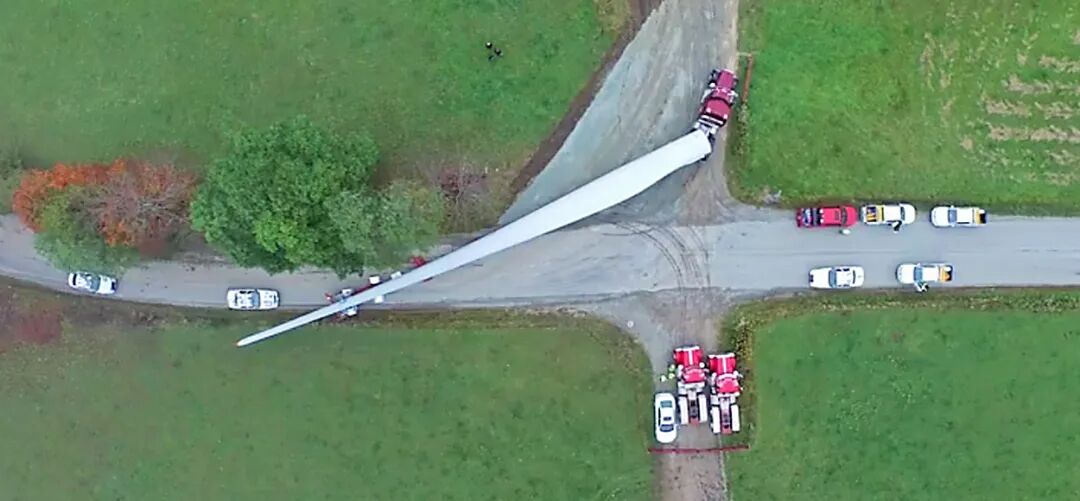
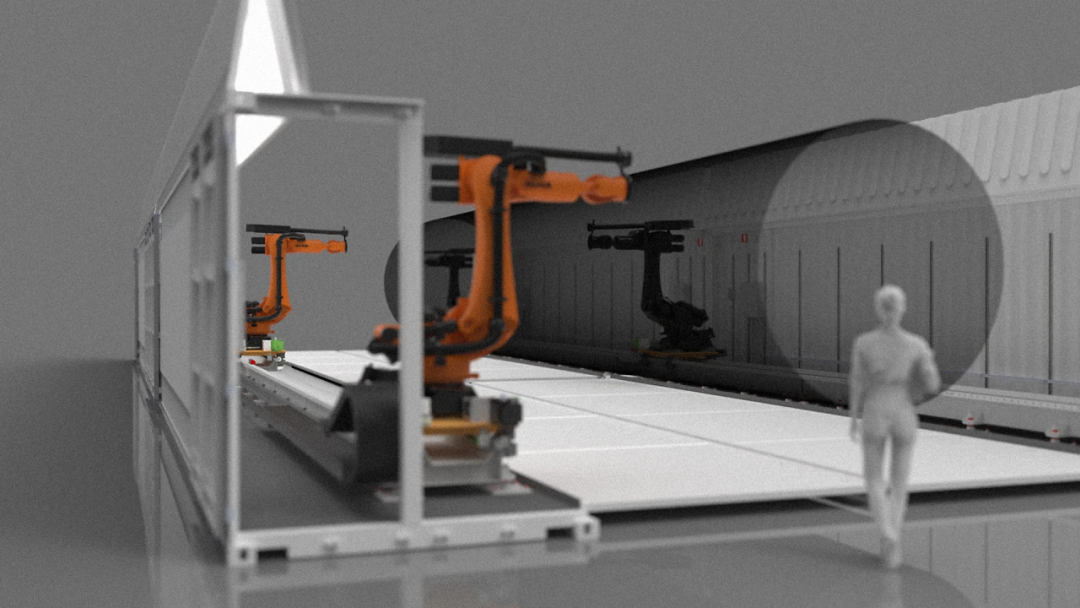
With the help of composite material 3D printing technology, the production speed of blades is significantly faster and more cost-effective compared to traditional manual processes. The entire production technology can be packed into a container and flexibly transported to the wind turbine installation site.
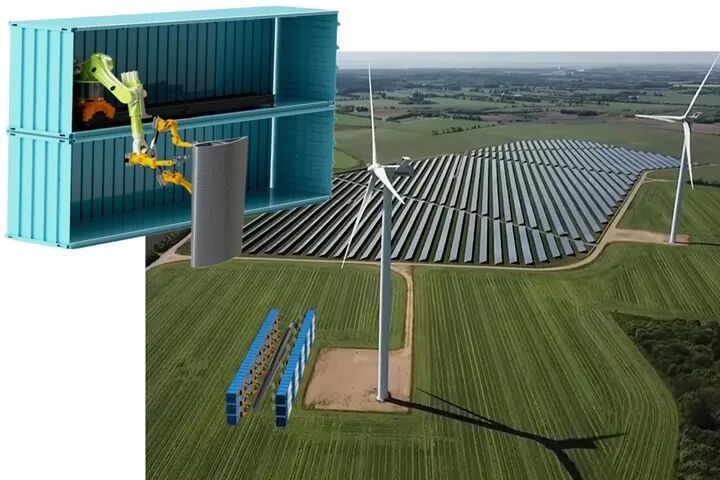
Preliminary tests indicate that manufacturing costs can be reduced by up to 25% compared to offshore production. Additionally, larger blades can be used to achieve higher power generation. The plan also includes full 3D printing of towers and other wind turbine components.
Furthermore, Gulf Wind Technology has been manufacturing wind turbine blades since 2021, as the only independent wind turbine technology solution provider in the U.S. Its factory in Mississippi has a team of professional engineers. It recently announced a partnership with 3D printing company Stratasys to introduce additive manufacturing technology for testing and improving models.
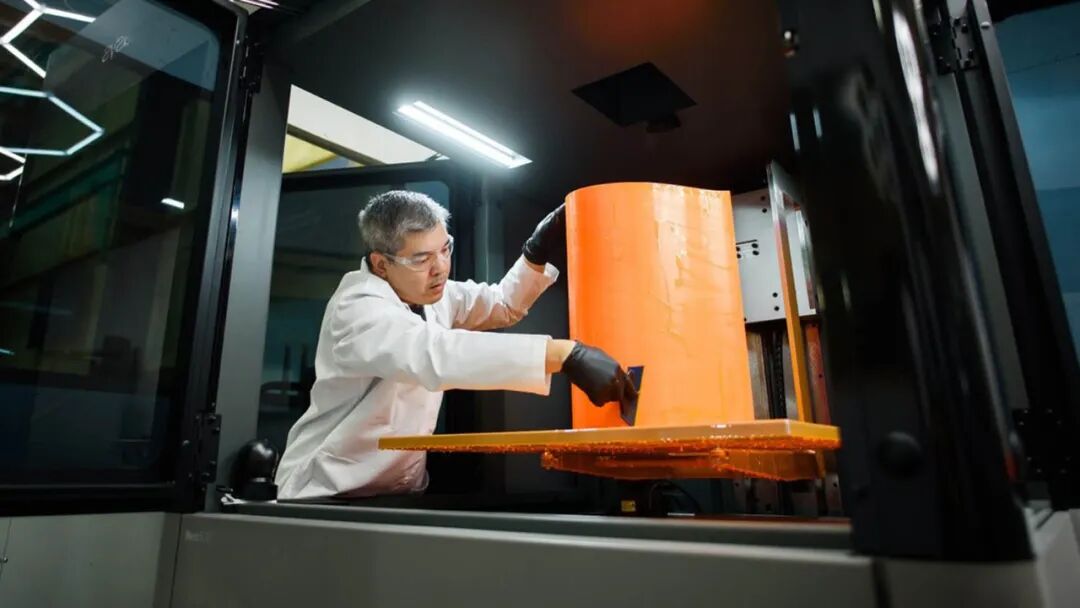
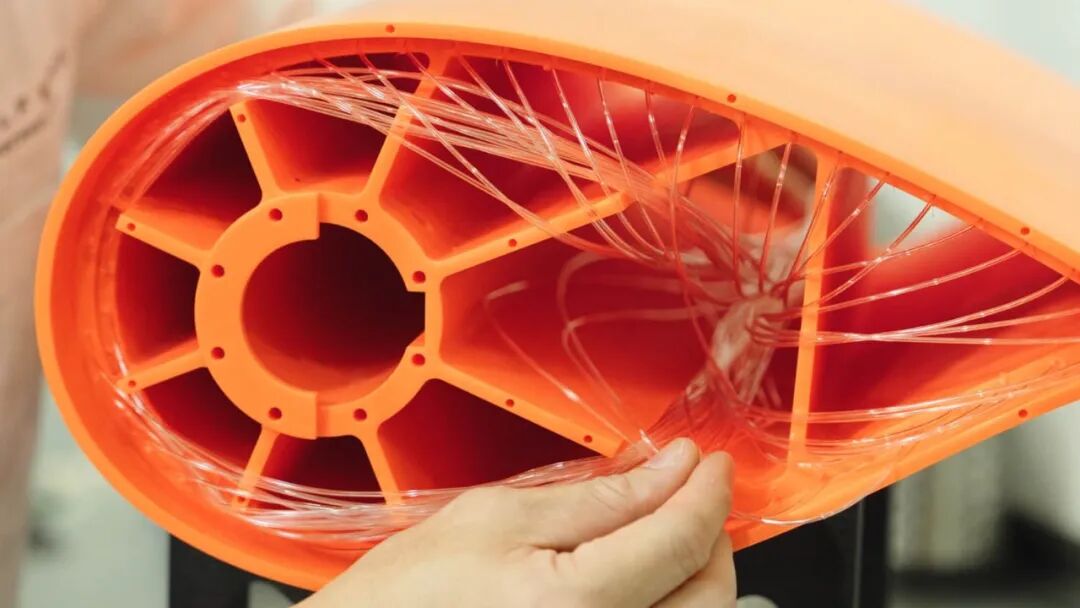
These models are produced using Somos Perform Reflect materials, which possess high strength, rigidity, and temperature resistance, crucial for wind tunnel testing. Additionally, they can be used to test blade shapes and designs more quickly, maximizing wind energy efficiency.
They also plan to collaborate with the U.S. Department of Energy to develop a cable robot for more efficient on-site manufacturing of wind turbines. Orbital Composites states that this process can significantly scale up wind power generation.
3D Printed Blade Tips
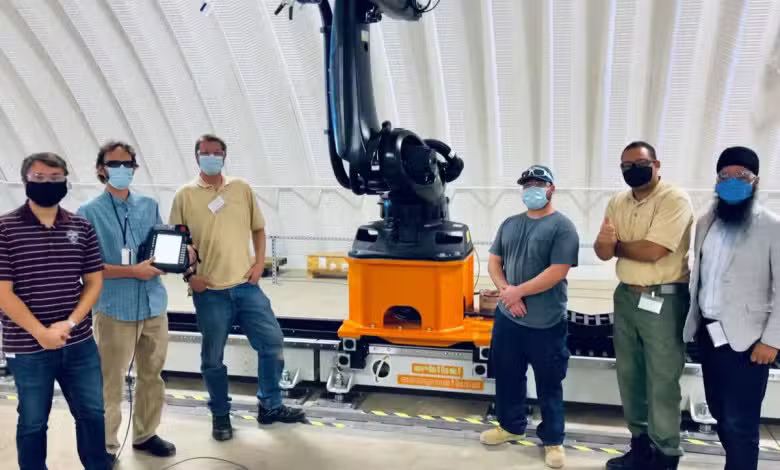
Earlier this year, ORNL announced it is leading a $4 million DOE-funded project with UMaine and Orbital Composites (San Jose, California) to use Orbital’s containerized 3D printing robots for on-site printing of wind turbine blade components. Orbital Composites has demonstrated that its mobile robotic platform can improve labor efficiency by over 25%. The traditional blade manufacturing process, along with new blade design delivery times, can be reduced by more than 50%.
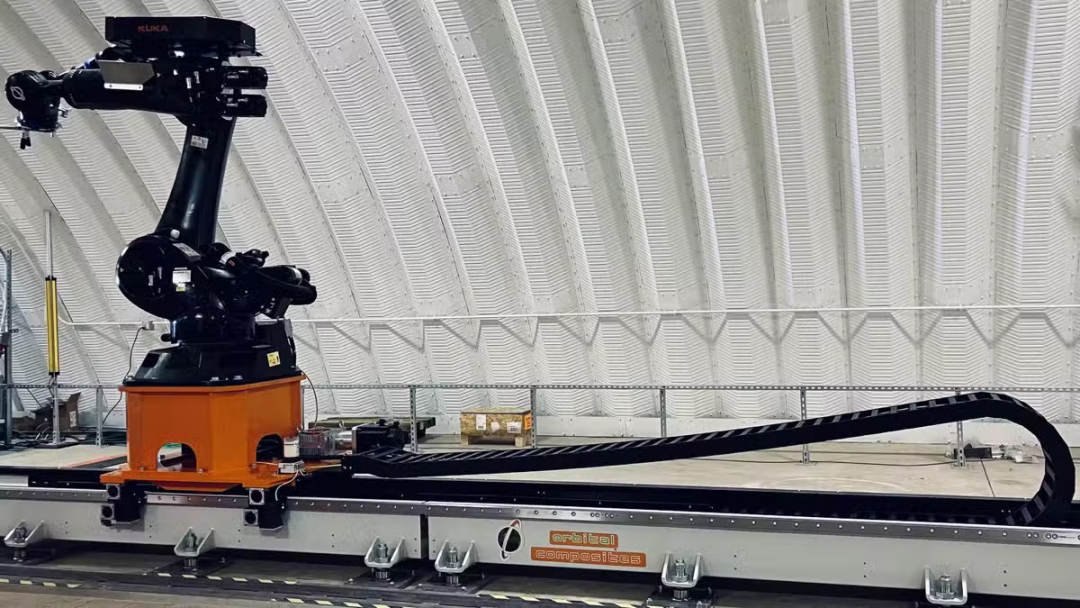
Additionally, GE’s business unit and LM Wind Power (Denmark) are also collaborating with the U.S. DOE on a project announced in January 2021 to design and manufacture 3D printed rotor blade tips, focusing on low-cost enhanced thermoplastic composites. This 25-month, $6.7 million project will involve partners ORNL and NREL. The goal is to provide a full-size blade tip for structural testing, as well as three blade tips installed on wind turbines.
3D Printed Blade Molds
As early as January 2021, the Advanced Structures and Composites Center at the University of Maine (UMaine ASCC) announced its participation in a $2.8 million project funded by the U.S. Department of Energy’s Advanced Manufacturing Office to develop a rapid, low-cost additive manufacturing solution for producing large, segmented wind turbine blade molds. Partners in the project include ORNL, TPI, Siemens Gamesa, Ingersoll Machine Tools, and Techmer PM.
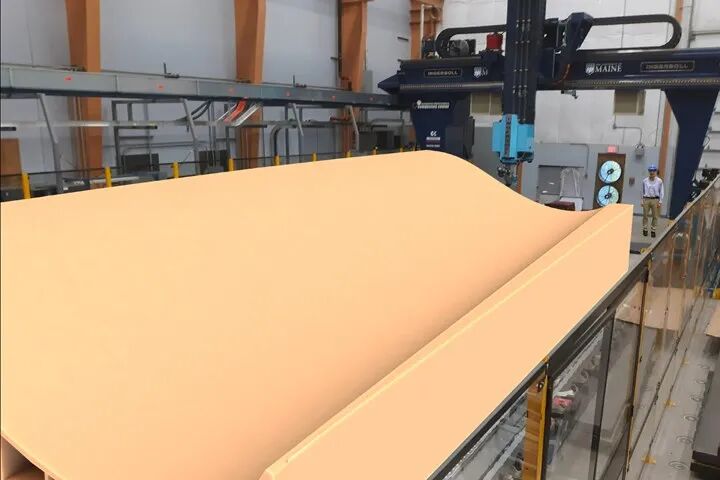
Over the next two years, UMaine and its partners will work on developing a 17-meter-long mold segment for injecting 120-meter-long rotor blades. Two mold segments will be printed, and a connection method will be researched to assemble the molds. The mold sections will be printed on UMaine’s large-format 3D printer, which can print up to 150 pounds of material per hour. ORNL will also provide specially developed 3D printing heating elements that will be automatically deposited into the molds for temperature control of the mold surfaces.
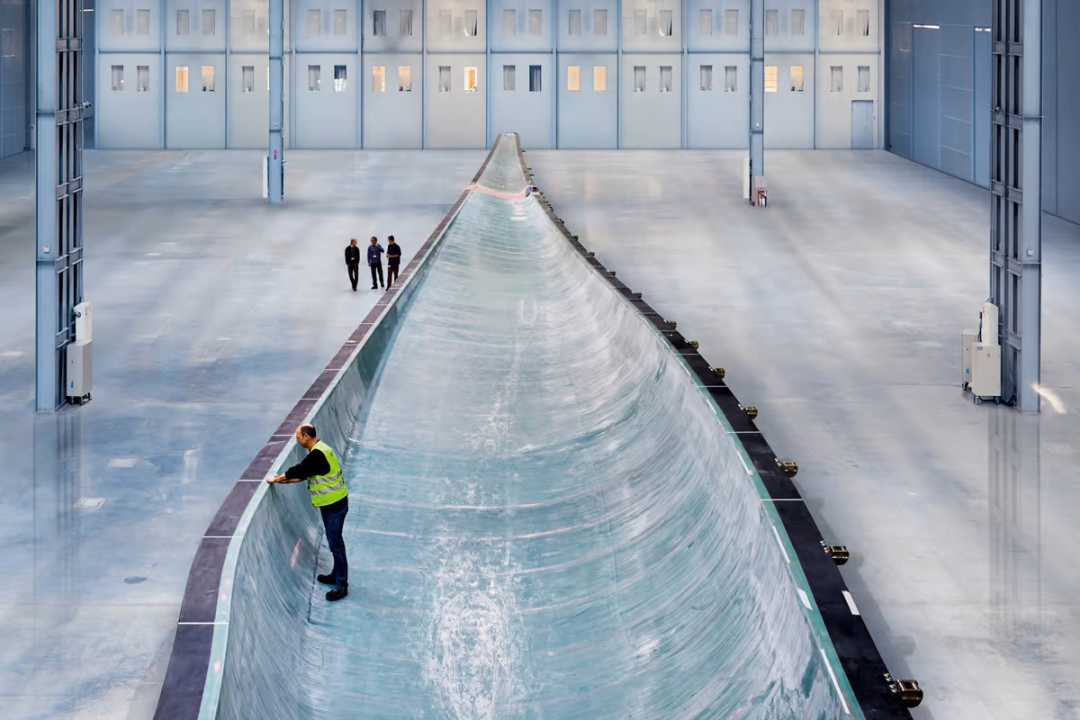
The goal of the program is to use 3D printing to accelerate the time-to-market for blades and reduce the development costs of new blades, aiming to shorten the timeline by six months and reduce mold costs by 25-50%. According to Dr. Habib Dagher, founding executive director of UMaine ASCC, another key aspect is the development and use of 100% recyclable bio-based thermoplastic polymers reinforced with wood fibers. This material is said to provide the required mechanical properties but is cheaper than carbon fiber reinforced ABS thermoplastic materials.
Dagher stated that the ultimate goal is to extend the work to some components of the 3D printed end-use blades themselves to completely eliminate the need for molds. Material development is currently underway, and he expects UMaine to begin developing prototype blade components within the next two years.
References
[1] https://www.3printr.com/orbital-composites-plans-to-3d-print-wind-power-rotor-blades-1764116/
[2] https://composites.umaine.edu/2021/07/30/composites-am-research-targets-wind/
[3] https://www.voxelmatters.com/orbital-composites-installs-robotic-manufacturing-system-at-nrel/
[4] https://www.fastcompany.com/90932286/this-startup-is-using-robots-to-3d-print-giant-wind-turbine-blades
[5] https://www.compositesworld.com/news/orbital-composites-to-demonstrate-containerized-3d-printing-robots-for-am-wind-blade-manufacture