1. What Do PCB Colors Represent?
The color of a PCB generally refers to the color of the solder mask that is most visually apparent when you receive a PCB board. The color of the PCB surface is the color of the solder mask. The dye used for PCB boards is a type of hardened resin, with the main resin being colorless and nearly transparent; green and other colors are simply the result of pigment mixing.
We print the color onto the PCB using screen printing. PCB colors include green, black, blue, yellow, purple, red, and brown. Some manufacturers have creatively developed PCBs in various colors such as white and pink.
2. Are There Differences Between PCB Colors?
1. Green PCBs
Green PCBs are the most popular color. Therefore, many people mistakenly believe that PCBs are green or that most of them are green. Green enhances the clarity of the PCB because it contrasts sharply with white text, thereby improving readability.
Additionally, green PCBs reflect less light, which helps reduce glare.
2. White PCBs
White PCBs look clean and neat in various environments and are becoming increasingly popular. However, white PCBs can easily hide traces, so they are still not the first choice. However, white PCBs show a particularly obvious contrast in black screen printing.
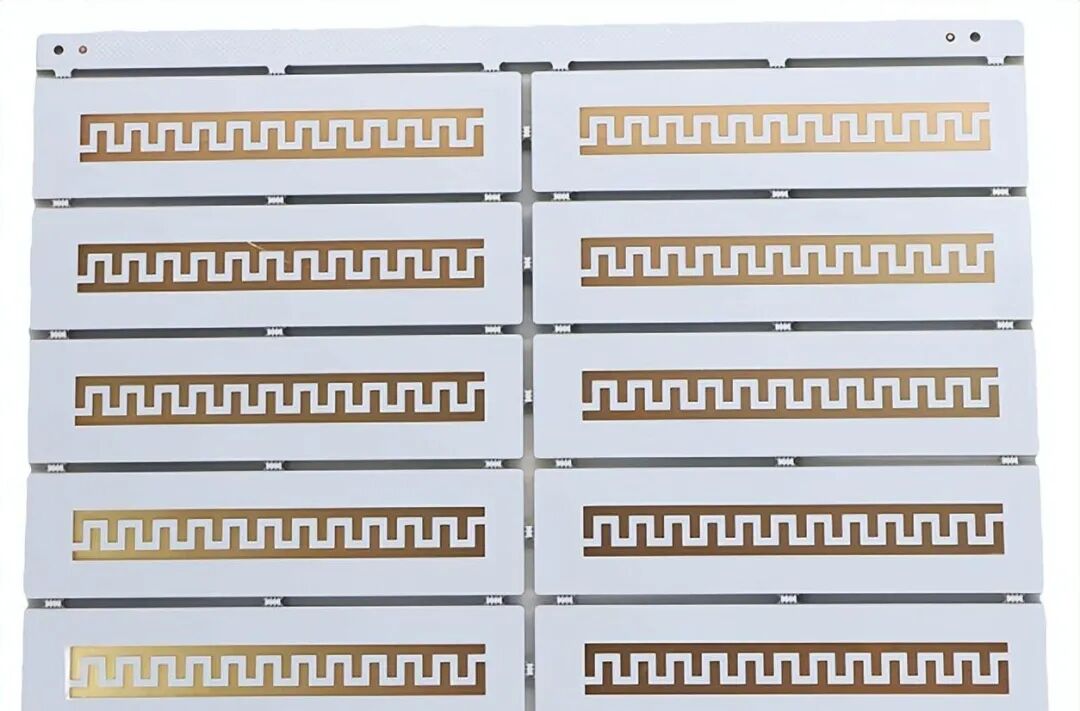
White PCB
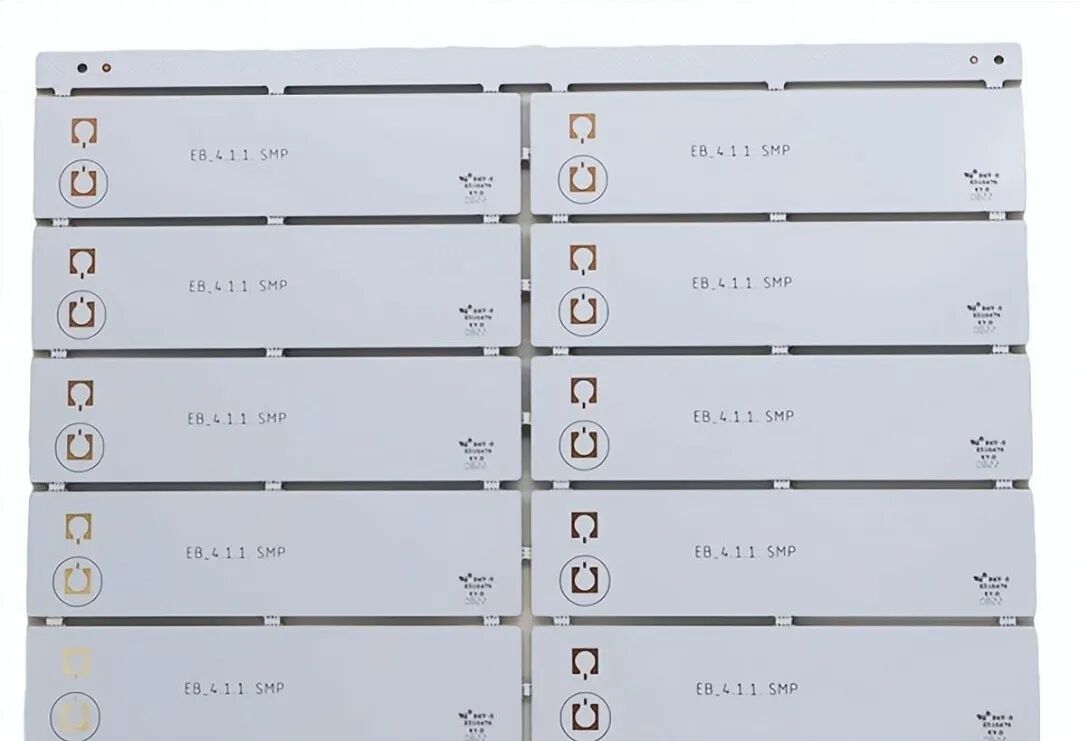
White PCB
3. Yellow PCBs
Yellow PCBs were previously used more often, but they are not as practical now. Yellow PCBs can quickly meet different needs for style, cleanliness, and visibility. However, yellow PCBs have a significant drawback: they have poor contrast with traces and screen printing.
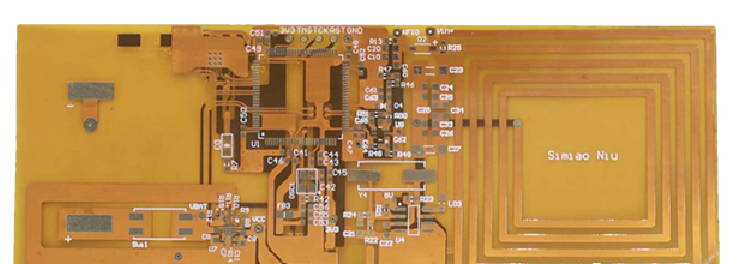
Yellow PCB
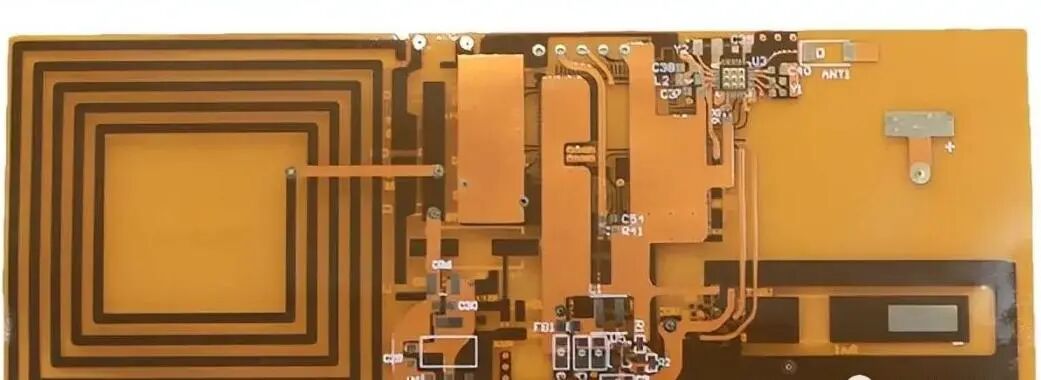
Yellow PCB
4. Blue PCBs
Blue PCBs are considered thick boards used for labeling because they provide significant contrast in screen printing. This PCB color is not as eye-catching as green, black, or white PCBs, but blue PCBs are a preferred color choice because they offer excellent aesthetic options. Blue PCBs are better installed on LCDs because they do not create sharp contrast edges and bright background colors.
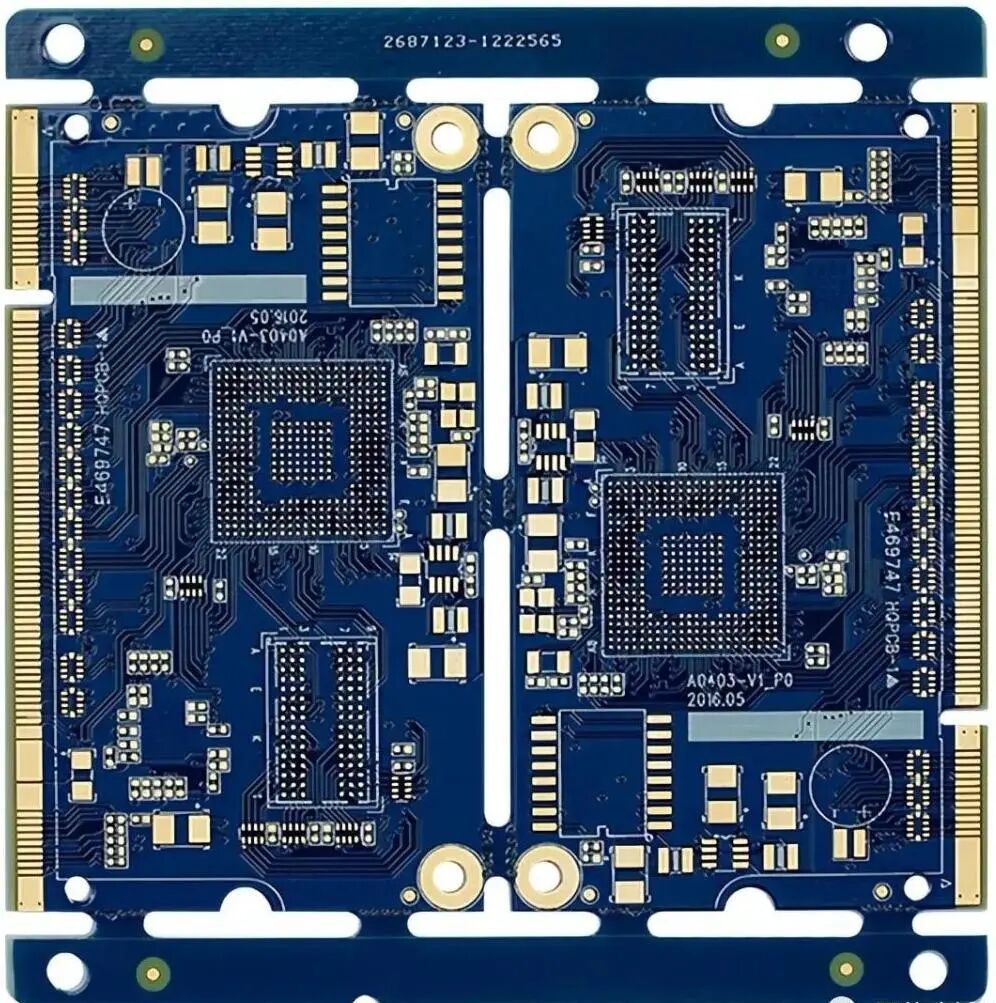
Blue PCB
5. Red PCBs
Due to some advantages of red PCBs, many PCB manufacturers are keen to adopt red. Red PCBs provide excellent visibility and clearly define traces, planes, and blank areas’ contrast. Screen printing on red PCBs looks very nice.
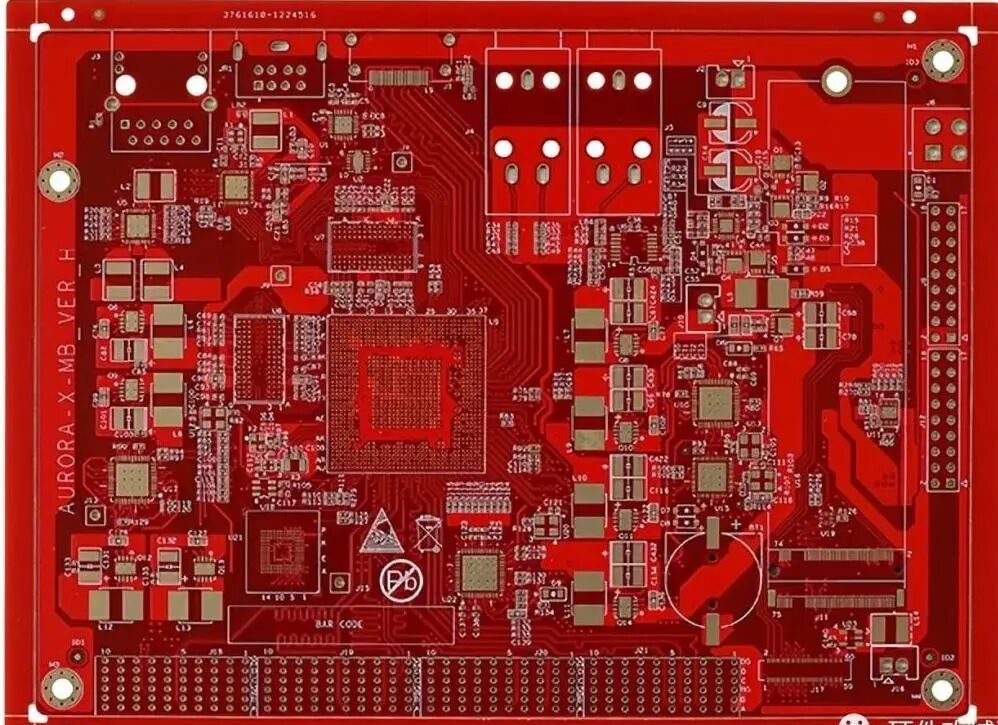
Red PCB
6. Black PCBs
Black PCBs are as popular as white PCBs. Both of these PCB colors produce low contrast, making it easy to mark important components. However, the main drawback of black and white PCBs is that specific details may be spotlighted and have small shadows. This shadow makes tracing difficult. Therefore, black PCBs are not suitable for various high-temperature applications because they may cause screen printing to discolor. Additionally, black PCBs are a mixture of cobalt and carbon, which may result in poorer conductivity.
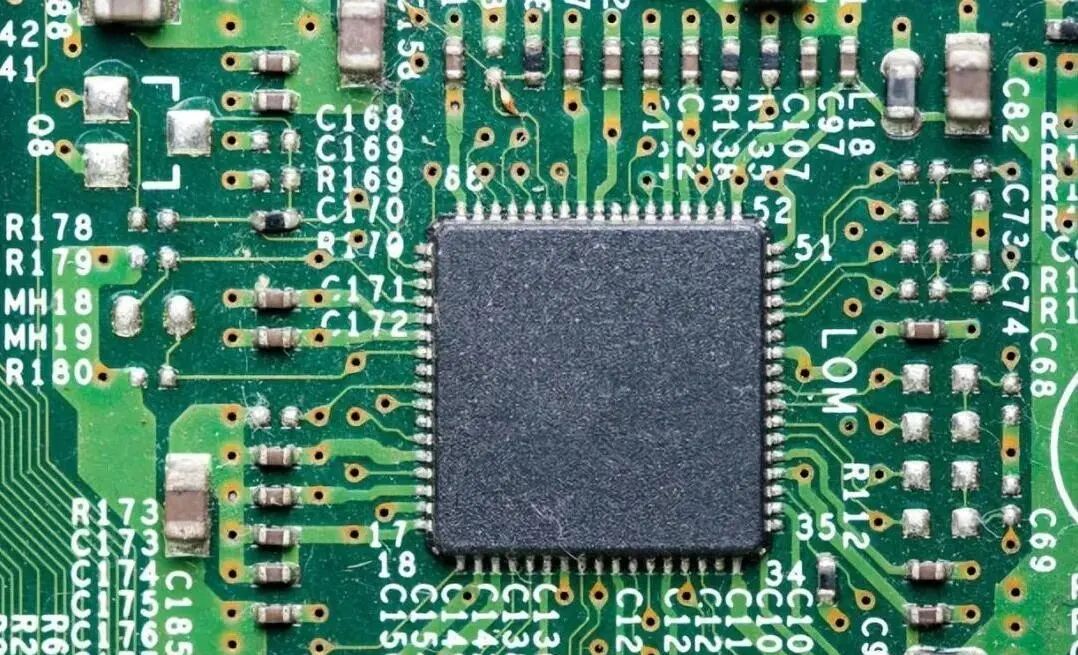
Black PCB
3. Which Process Completes the PCB Color?
Different colors do not affect the manufacturing process of the PCB. Copper is still placed on one or both sides, and as copper is added or removed, the PCB becomes smooth. The copper layer on the PCB is very thin, which is why green stands out so much.
The thin copper layer is eventually covered during the soldering process to prevent oxidation; the solder mask does this. In many cases, it is also the standard configuration in green. In other colors, copper does not show clearly, making it difficult to see where the traces are.
After the traces are drawn, components are placed in position. These need to be soldered in place according to the circuit board diagram. Finally, after the components are in place, the circuit board is tested. If feasible, they will go into production.
Most printed circuit boards need to be designed by engineers, and prototypes need to be made before going into production.
4. Why Are Most PCBs Green Today?
This is mainly because the green solder mask process is the most mature and simple, and green PCBs are also relatively environmentally friendly. Besides green, PCB colors include white, yellow, red, blue, matte, and even chrysanthemum, purple, black, and bright green. White exists because we need it to make lighting fixtures.
Using other PCB colors is mainly to distinguish different product samples. Throughout the company’s stages, from R&D to product launch, it depends on the various uses of the PCB. Experimental PCB colors may be purple, button PCB colors may be red, and internal computer PCB colors may be black.
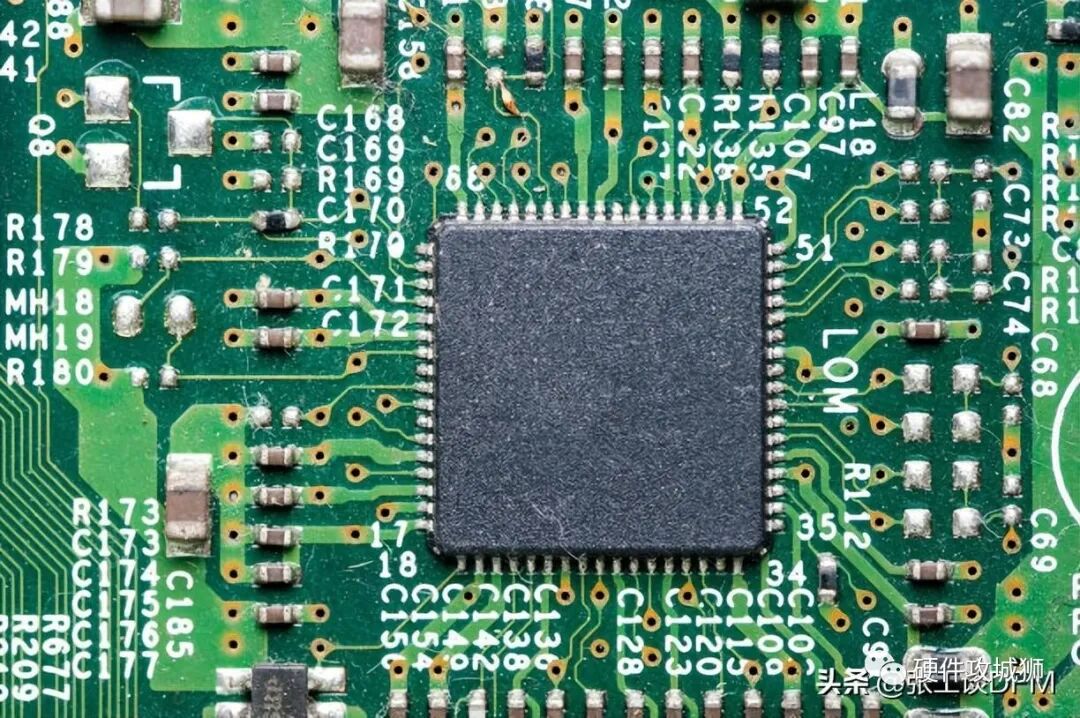
Below are several reasons for choosing green PCBs:
1. Glass Epoxy Resin Material
Glass epoxy resin is a material used for manufacturing the solder mask layer of circuit boards. This material was originally green, becoming the standard color used by all assemblers in the industry who use the same glass epoxy resin. Later, glass epoxy resin was introduced in various colors, but assemblers always considered using green.
2. Contrast Between Green and White Printed Text
Assemblers often find that scanning green circuit boards is both simple and time-saving because they are accustomed to and very familiar with this color. They say scanning circuit boards of different colors takes a lot of time. Another reason is that green causes less eye strain when scanned compared to other colors. Green is used because it also contrasts with the white text printed on the circuit board layout.
3. More Commonly Used in Military Applications
The military standards significantly influence the use of green in circuit boards. Many believe that green is very effective in military-purpose circuit boards. The military requires suppliers to provide green circuit boards, and these suppliers also supply to other customers. These circuit boards eventually become surplus products for military suppliers. Therefore, not only assemblers, production line workers, or other customers consider green, but the military also accepts green circuit boards.
4. Exposure Rate of the Solder Mask
Circuit boards require a higher soldering rate, and there are other colors, but they cannot provide a higher solder mask for the circuit board. Those with dark colors, such as blue, white, or brown, have high pigment deposition, resulting in dark solder masks. Mainly, white and black solder masks have high exposure rates. However, green provides a deep shadow for workers’ exposure rates and high tolerance in design.
5. Better Machine Recognition of Green PCBs
Generally, electronic products go through the processes of board making and component placement soldering. There are several steps to making circuit boards in yellow light rooms. When the PCB color is green, the visual effect is better in yellow light rooms. But this is not the main reason.
During solder paste placement, it is necessary to check by brushing solder on the solder paste, components, and the back using AOI. These processes require optical positioning and calibration, and the green PCB background color provides better recognition for the instruments.
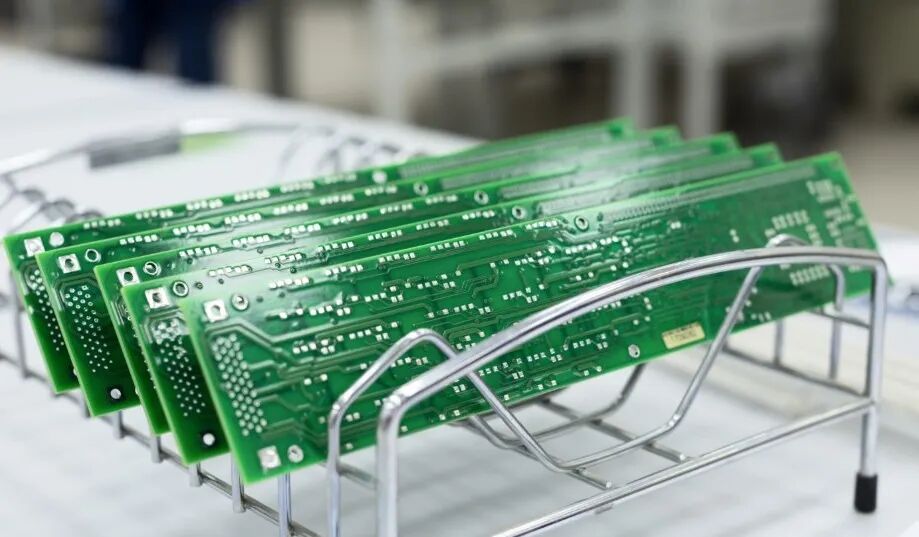
Green PCB
6. Green PCBs Are More Comfortable
Some inspection processes rely on workers’ observation (but now mostly replaced by flying probe testing), staring at the board under strong light, green PCBs are more eye-friendly.
7. Green PCBs Can Reduce Production Costs
Due to the wide applicability of green PCBs, they can be used in both production and procurement fields. Additionally, during mass production, the same color paint can be used, reducing production line costs, so the procurement cost of green paint is lower than that of other colors. Therefore, green is the most common etchant, having advantages in manufacturing costs and delivery times.
8. Green PCBs Are Relatively Environmentally Friendly.
Waste boards do not release toxic gases during high-temperature recycling. Other PCB colors, such as blue and black, are mixed with cobalt and carbon, which have weaker conductivity and pose a risk of short circuits.
Moreover, colors like black, purple, and blue increase the difficulty of maintaining the motherboard, and the process is not easy to control.
For example, black boards are most prone to issues in production processes and raw material ratios. A slight mistake can cause noticeable color differences, leading to a higher defect rate for PCBs. The traces on black circuit boards are not easy to distinguish, increasing the difficulty of later maintenance and debugging. Many PCB manufacturers do not use black PCBs.