In the development history of smartphones, Smartisan Technology once entered the public eye with its unique sentiment and innovative concepts. On October 18, 2016, Smartisan Technology launched the Smartisan M1/M1L, which was supposed to be a highlight moment but became a regret in Luo Yonghao’s heart and a carrier of complex emotions for Hammer fans.

At that time, Smartisan Technology had already launched models like T1 and T2. The T series, with its unique industrial design, such as extreme simplicity, symmetrical design, dual glass, physical buttons, and skeuomorphic icons, garnered a loyal following. The T2 even adopted a seamless metal frame, standing out in design. However, the T2 lagged behind its contemporaries in terms of specifications, as the Snapdragon 808 processor made it seem underpowered after the release of the Snapdragon 820. Therefore, the M1/M1L bore the heavy responsibility of revitalizing Smartisan Technology’s performance reputation.
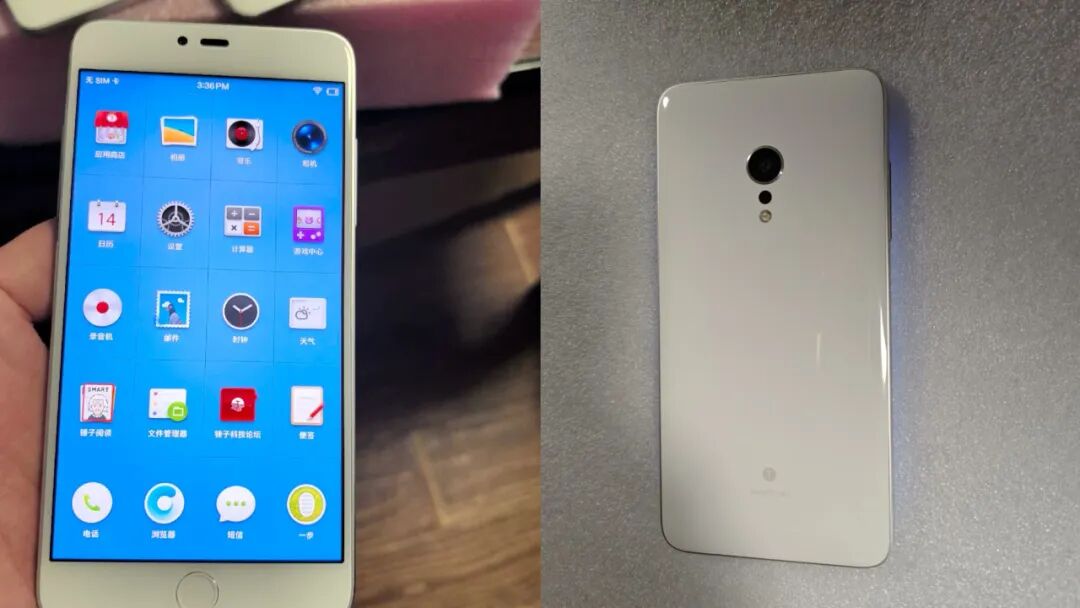
From a configuration standpoint, the Smartisan M1L indeed put in a lot of effort. It is equipped with a full-blooded Snapdragon 821 processor, with a clock speed of up to 2.35GHz, achieving an 80% improvement in single-core performance and a 75% improvement in multi-core performance compared to the Snapdragon 808. Coupled with UFS 2.0 high-speed flash storage and LPDDR4 dual-channel large memory, the overall configuration reaches top-tier standards, easily handling various large 3D games and Android applications. AnTuTu scores exceeded 150,000, and the GeekBench CPU test achieved a single-core score of 1918, significantly improving the performance shortcomings of previous Smartisan phones.
In terms of the display, the M1L is equipped with a 5.7-inch 2K resolution Sharp in-cell screen, with a pixel density of 515ppi, covered by Corning’s fourth-generation Gorilla Glass. With a contrast ratio of 1500:1 and a 95% NTSC color gamut, the display quality is clear and delicate, with vibrant colors, good visibility in strong light, and comfortable viewing in low light. Even today, the quality of this screen should not be underestimated.
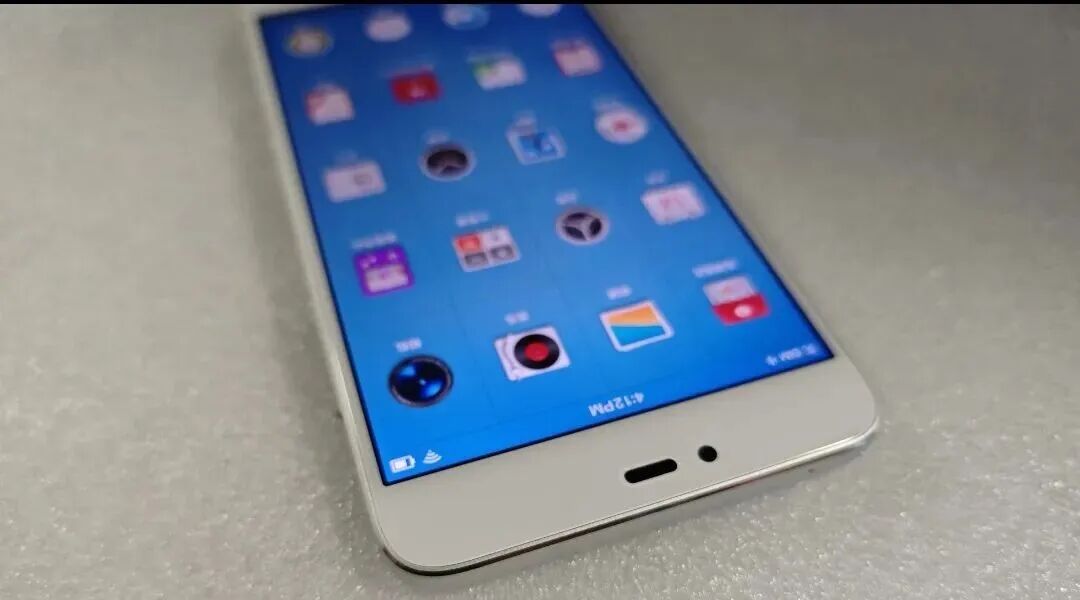
When it comes to music playback, the M1L is truly a highlight. It uses a custom Cirrus Logic CS4398 DAC chip, which is a high-end DAC chip often used in premium audio devices, capable of accurately reproducing audio signals. Coupled with Texas Instruments OPA1622 operational amplifiers for the left and right channels, it further enhances the amplification and processing of audio signals, delivering outstanding sound quality. Whether it’s the detail presentation of music or the sense of space and layering in sound, it far exceeds other phones in the same price range. Of course, a 3.5mm jack is a must!
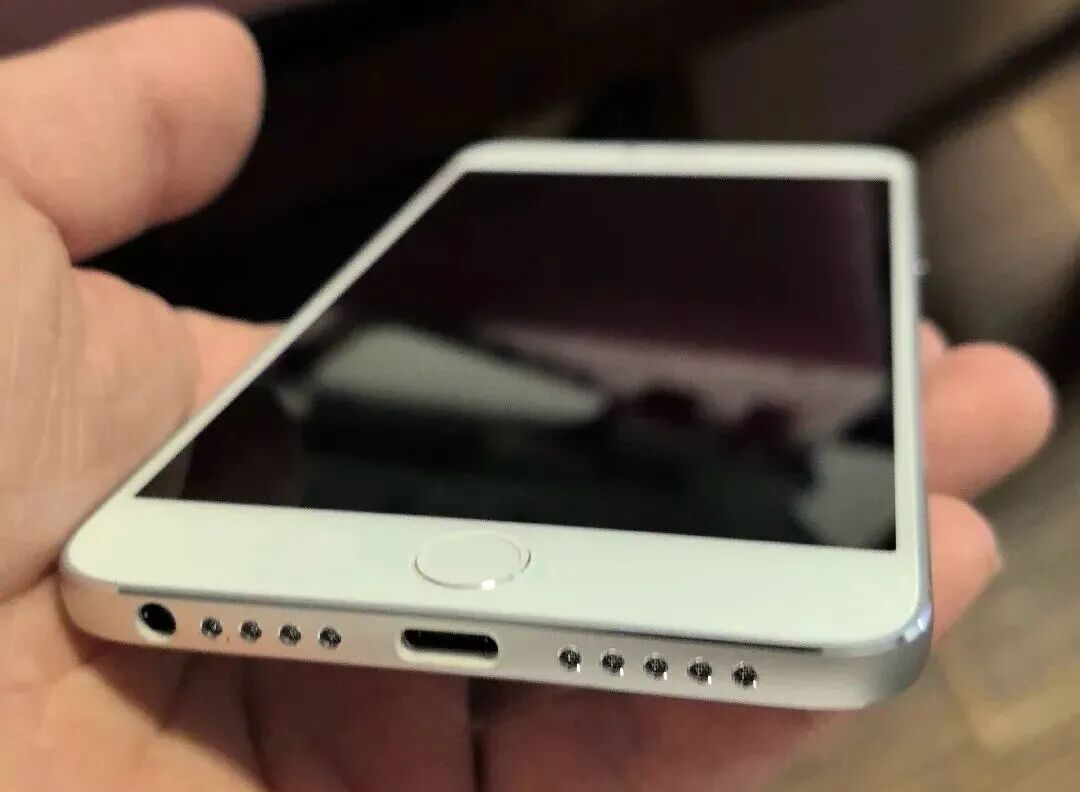
Equipped with the NXP Smart Amplifier PA9911, Dirac HD Sound headphone quality optimization, and Dirac Power Sound speaker quality optimization features, supporting Dolby Atmos effects, whether listening with headphones or through the phone’s speakers, it provides users with an immersive music experience.
But why is it said to be Luo Yonghao’s shame and the pain of Hammer fans? This has to do with its design. Originally, the M1/M1L was planned to use dual-curved glass and a ceramic body. However, when the product reached a critical stage, the supply chain fell through, delaying supply by 6 months. In desperation, they had to replace it with a plastic shell. Although a leather special edition (60% leather, 40% plastic) was later released, market feedback was overwhelmingly negative regarding the plastic. In terms of button design, the originally insisted three physical buttons were changed to a central round button with two elongated buttons on the sides due to engineering issues, resembling the iPhone. This was undoubtedly a compromise and regression for Smartisan Technology, which has always emphasized design-driven and unique innovation.
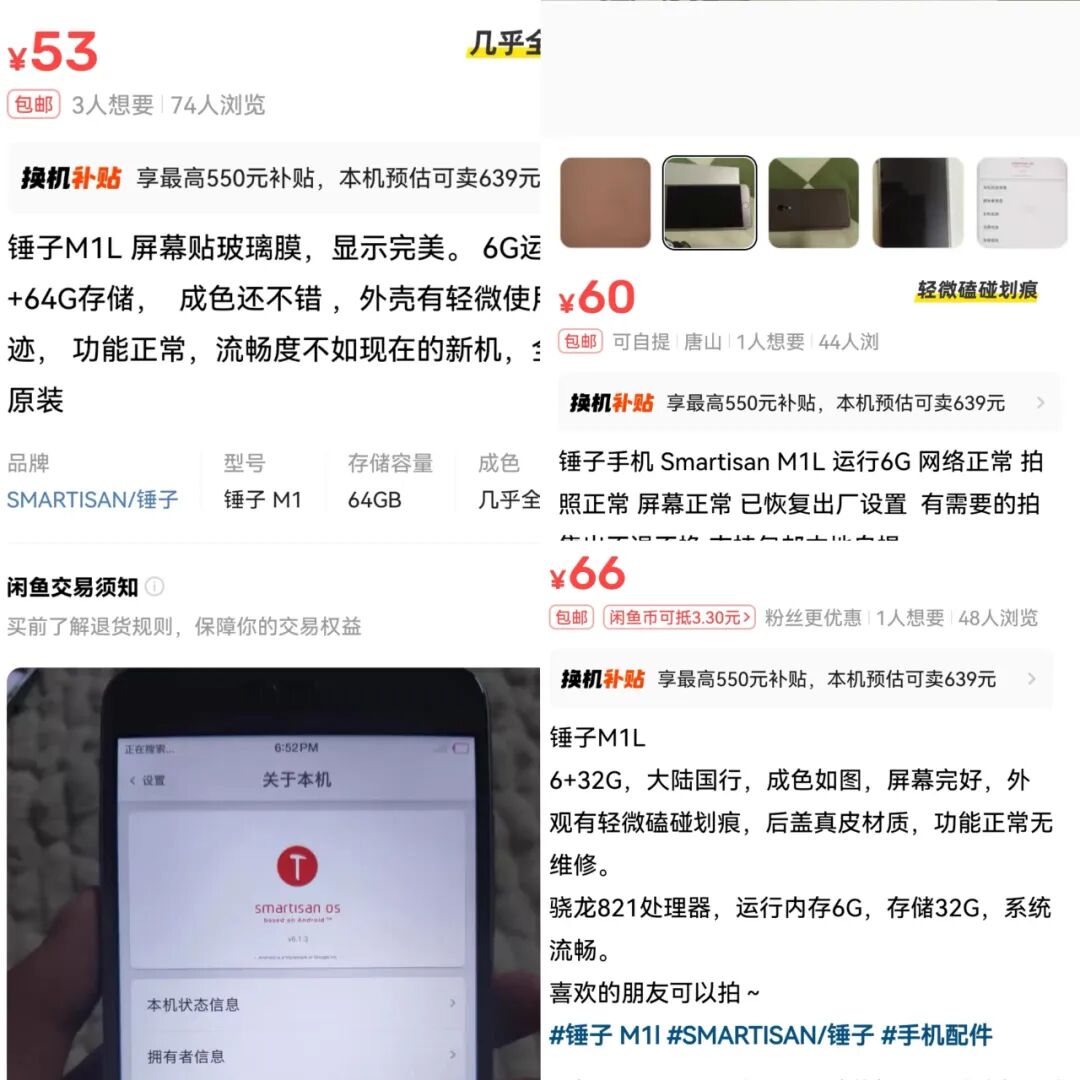
Although the M1L performs excellently in terms of performance and music playback, these design compromises have caused it to lose the unique soul of Smartisan phones. Nowadays, in the second-hand market, the price of the M1L has dropped to just a few dozen yuan, but its 2K LCD screen and powerful music playback hardware configuration still make it quite valuable even as a pure music player or backup device.