Electrical Vocational Internship Week
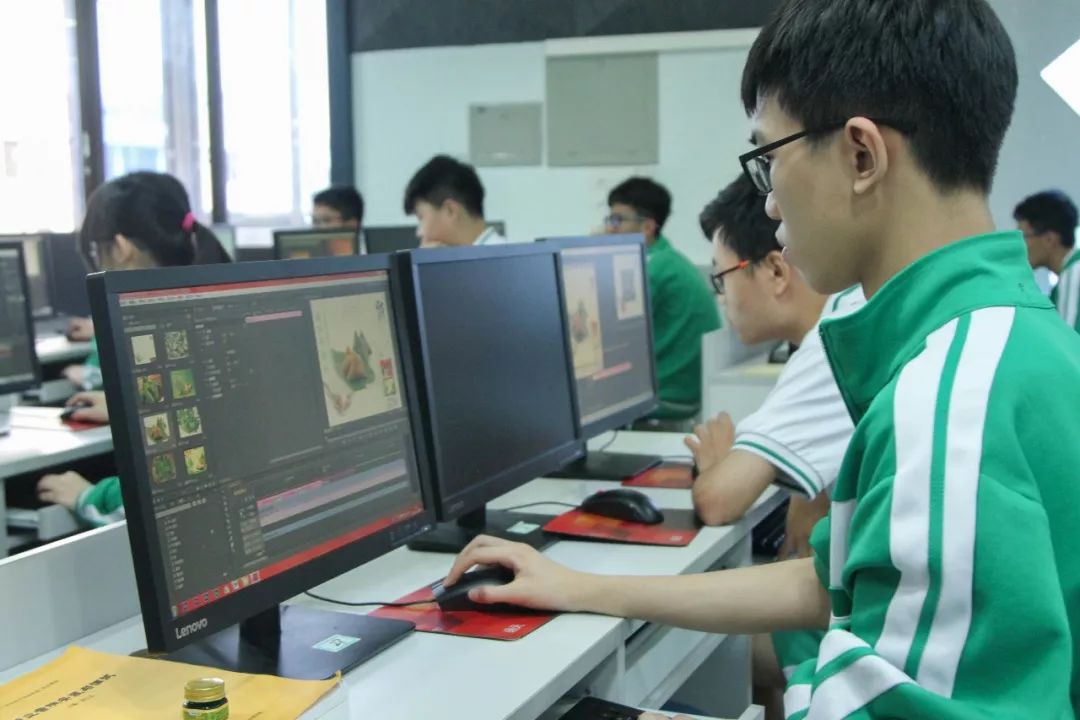
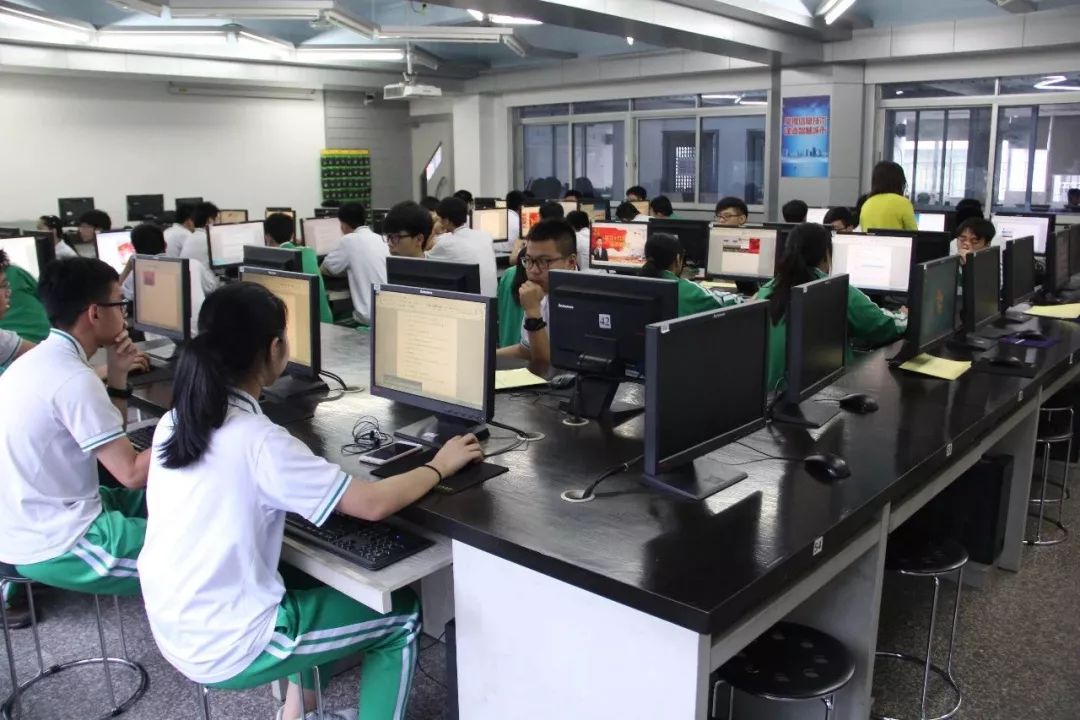
Every semester, the school arranges for students from various majors to engage inthree to four weeks of internship tasks to assess their understanding and mastery of their respective fields. Students from different majors complete internship tasks in areas such assoftware development, web design, circuit board soldering, video shooting, and art design.

Hello everyone!!!

We believe that all electrical vocational fans
have already seen
the works completed by our class of 2017 during
Electrical Vocational Internship Week!
Related links (click the title to view):
1. Look! This is an internship report from the software and information services major students.
2. Electrical Vocational Digital Media Technology Application Photography Exhibition · The World is More Beautiful Than You Imagine
They have only studied at Electrical Vocational for a year
and already can produce
beautiful websites and practical software
Students from the Digital Media Technology Application major
also held a photography exhibition!!!

But…
You might ask
what about the students from the Mechatronics class of 2017?
Don’t worry
Didn’t you know
that the main character usually appears last!?!
(The editor is lost in self-indulgence…)

The editor is a student from the Mechatronics class of 2017
Our Mechatronics class students
are all a group of people with “heart”
seriously and skillfully soldering
every circuit board and chip
Check out the students’ works!!!
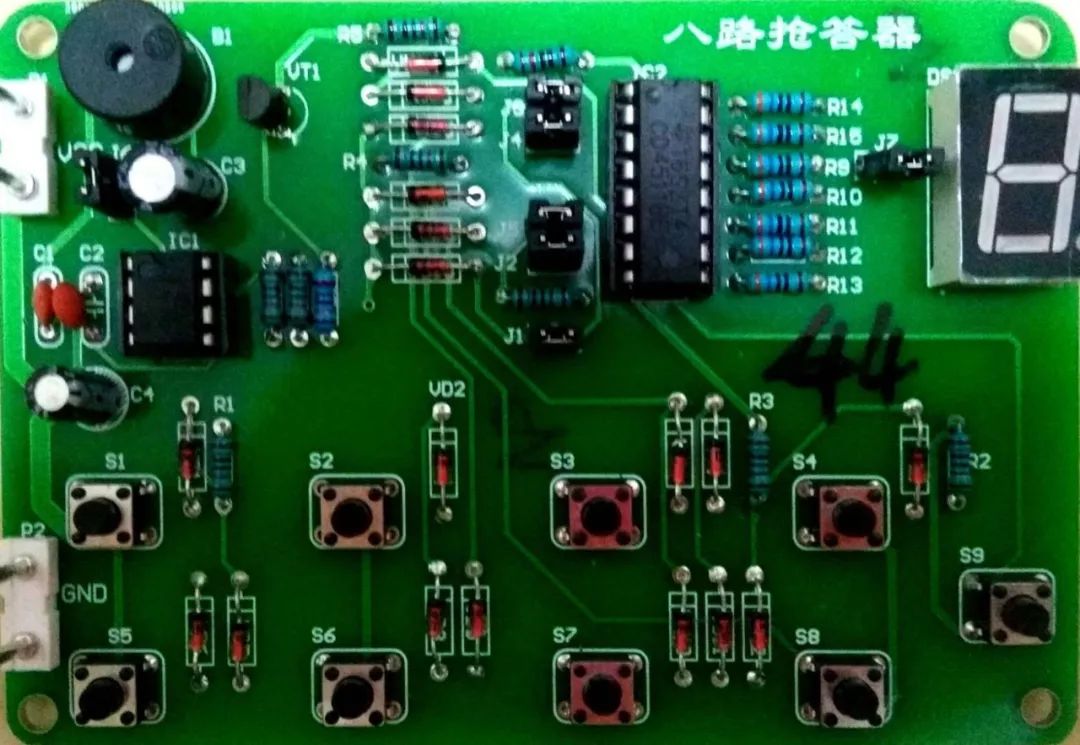
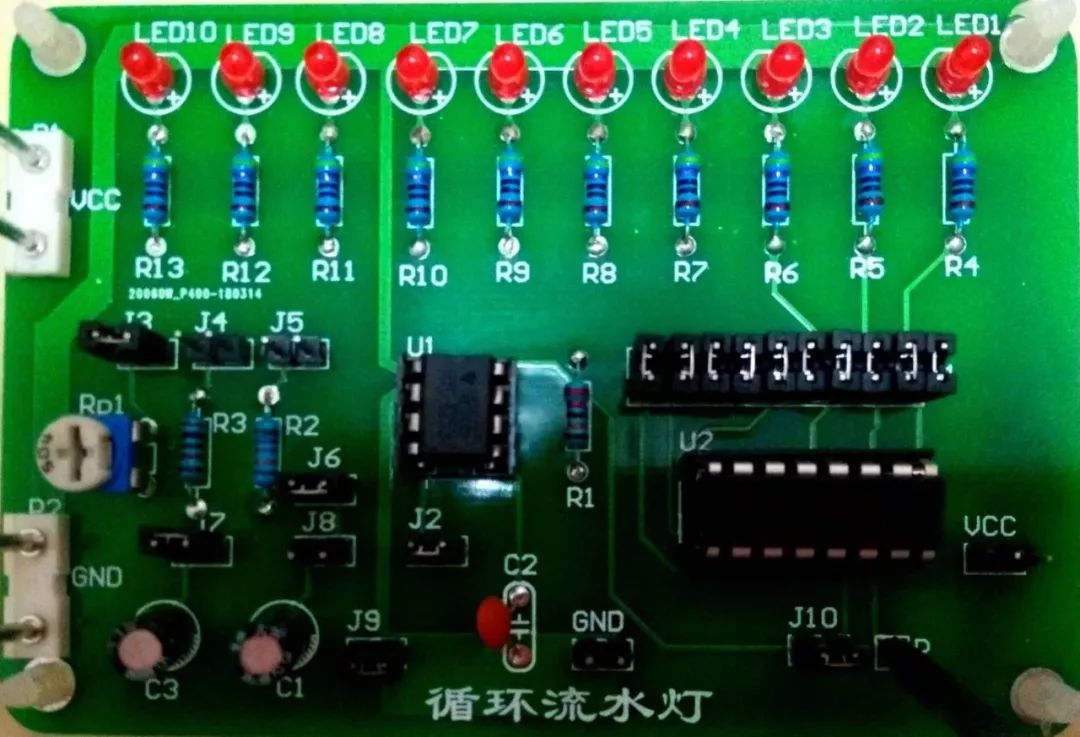
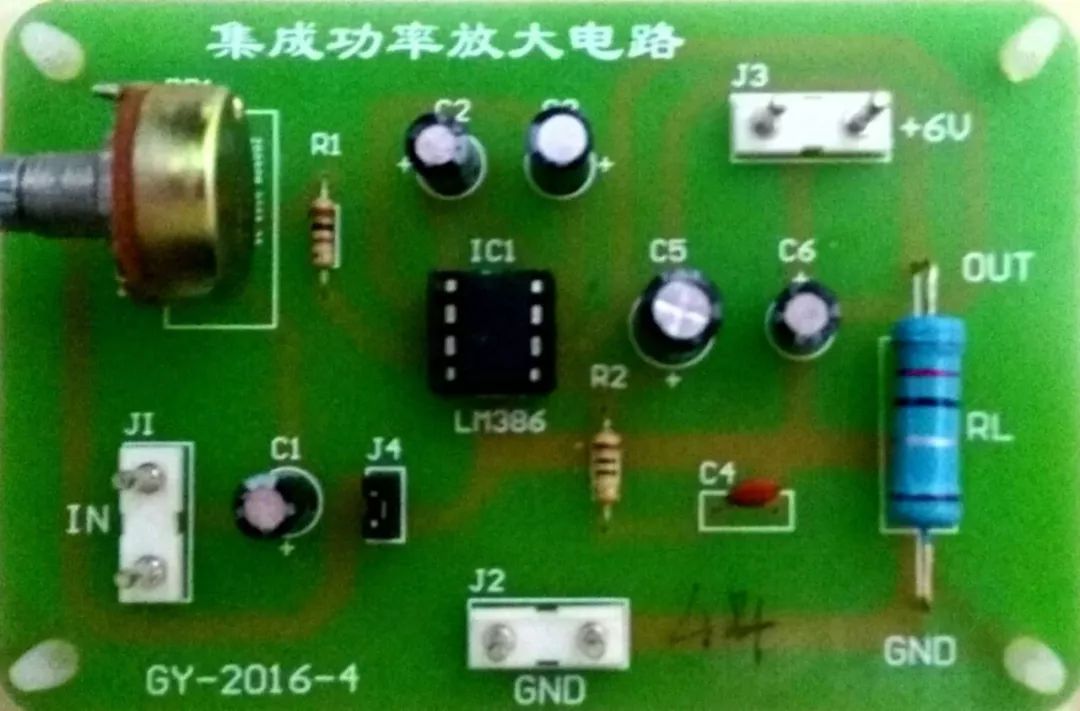
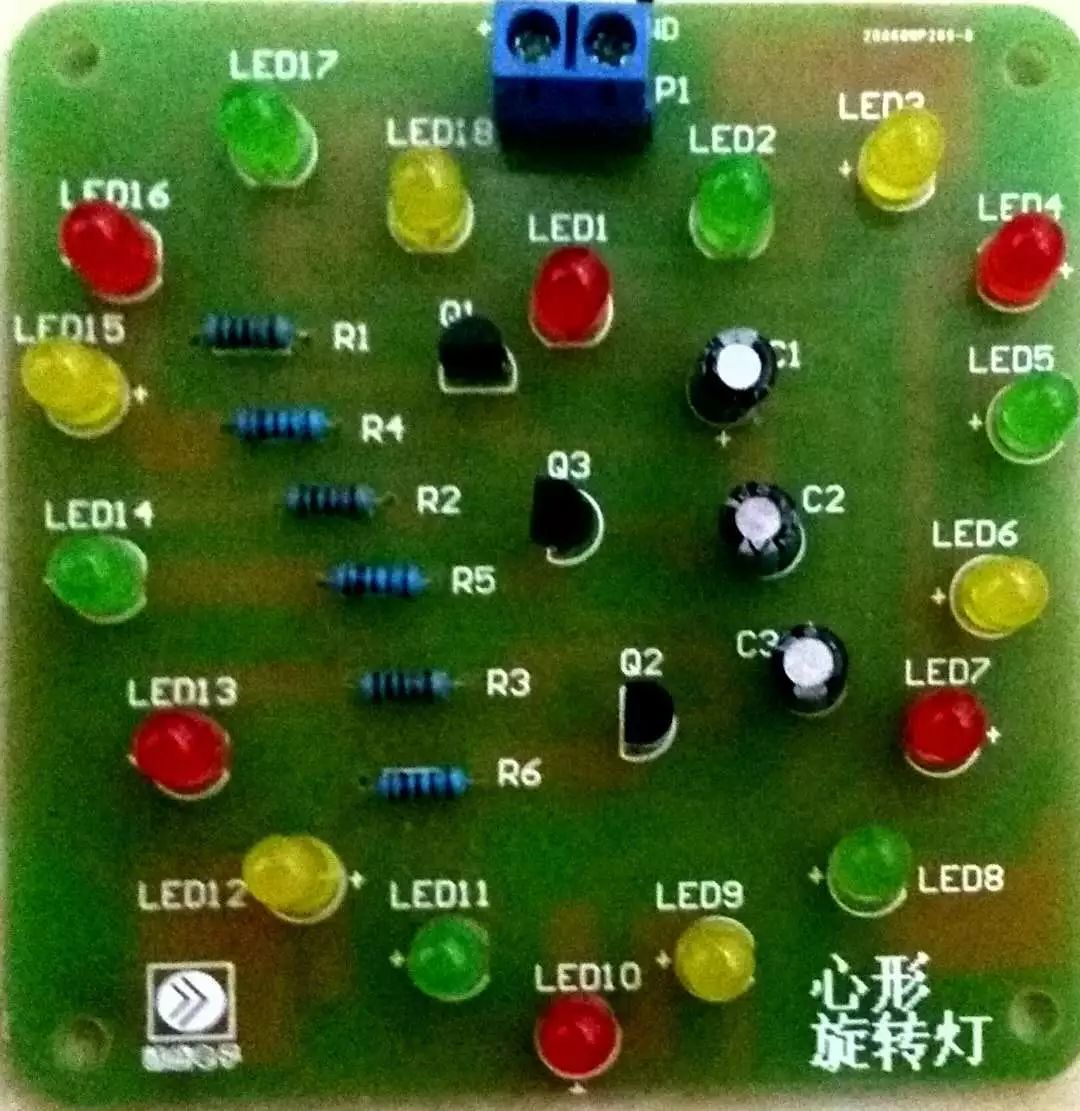
(Click the image to enlarge)
The circuit boards made by the students have different functions,
some control the amplifier of the sound system,
some simulate traffic light signals, etc.

If you think soldering circuit boards
is a simple task
then this issue, the editor will introduce
how our Mechatronics class of 2017
makes chips with heart
believe it will change your perspective!


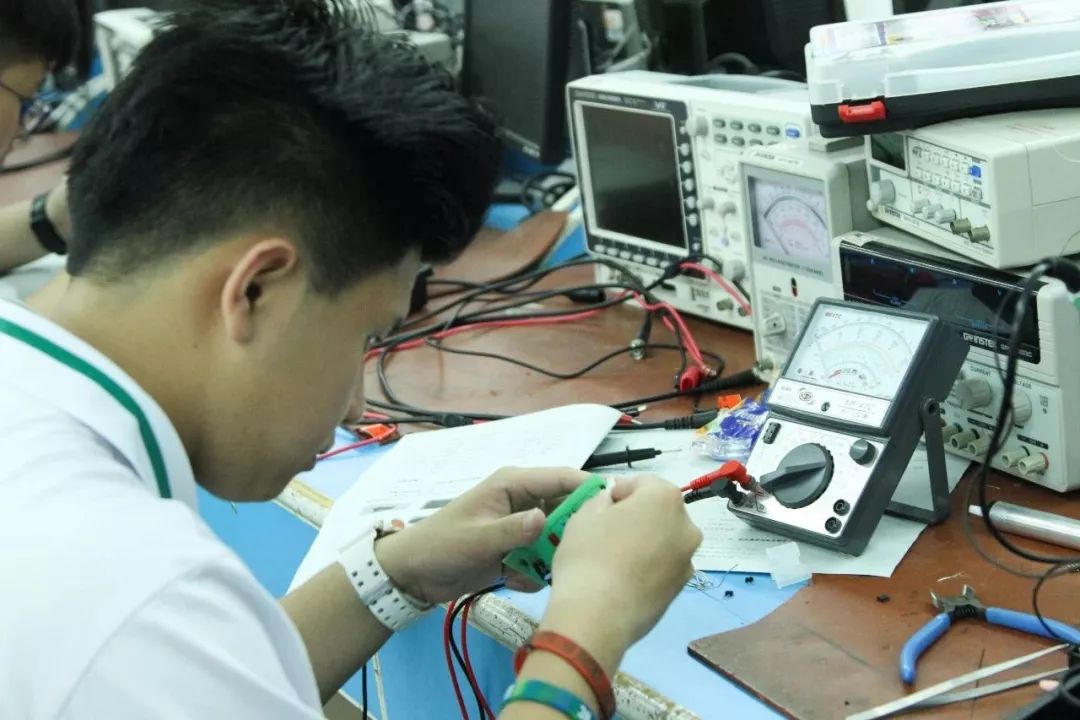
Understanding circuit boards and learning to test various electronic components

Circuit boards (PCB) are essential components in modern electronic devices. Any electronic device, whether it is large machinery or personal computers, communication base stations or mobile phones, household appliances or electronic toys will use printed circuit boards.

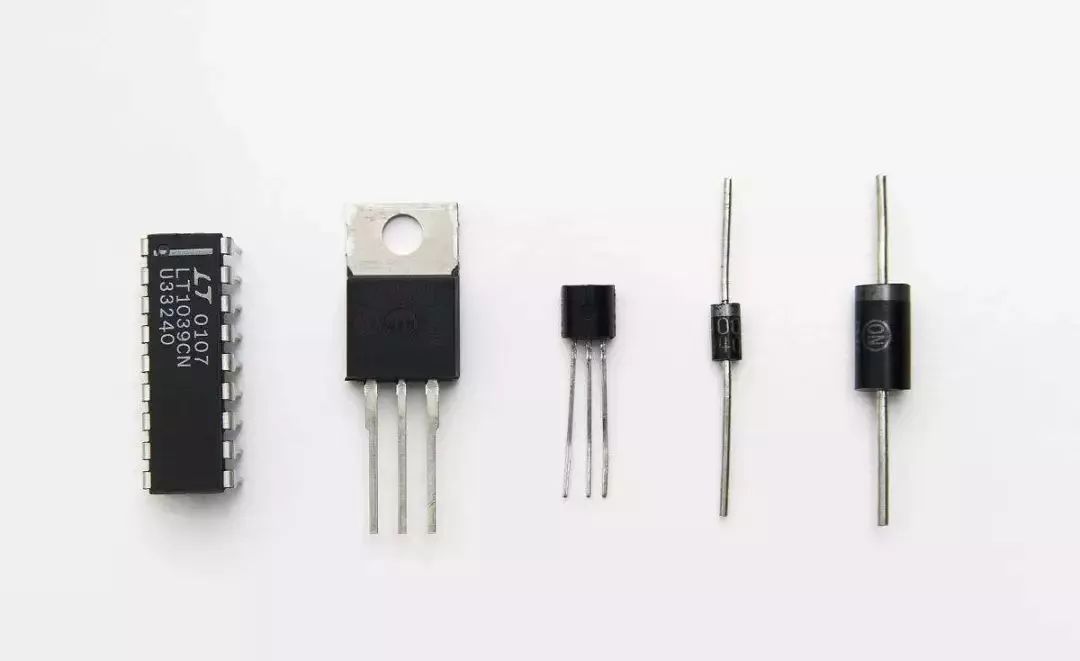
When we are soldering the required electronic components, we do not immediately solder them onto the circuit board, but first test the electronic components to ensure they are correct before proceeding with soldering. Otherwise, a small faulty component may cause the entire circuit board to malfunction.
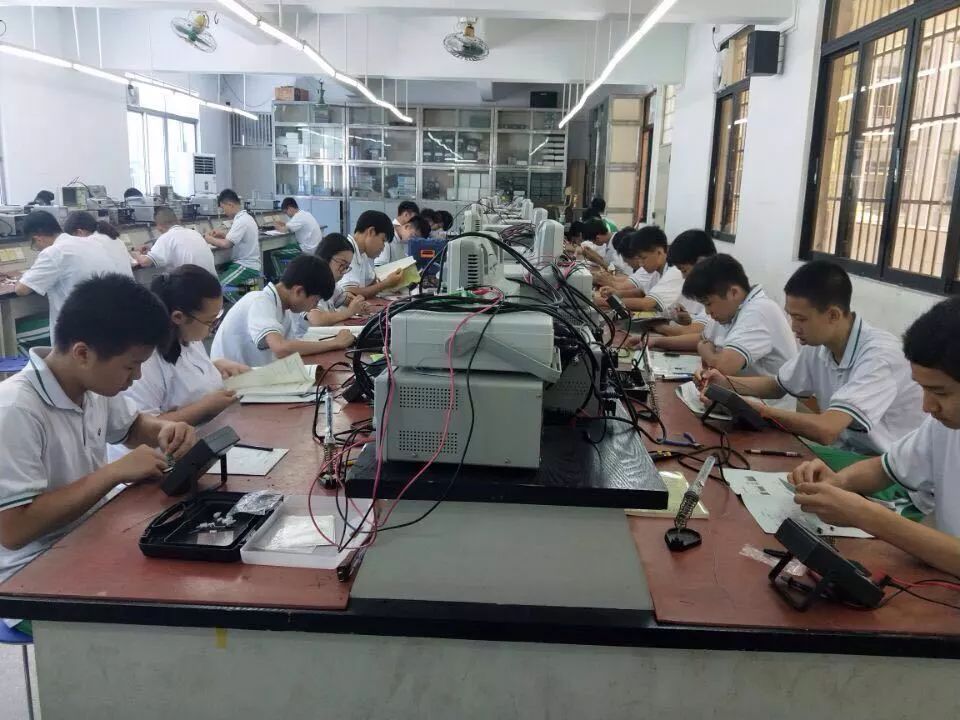

Can play games, also can use “soldering iron”
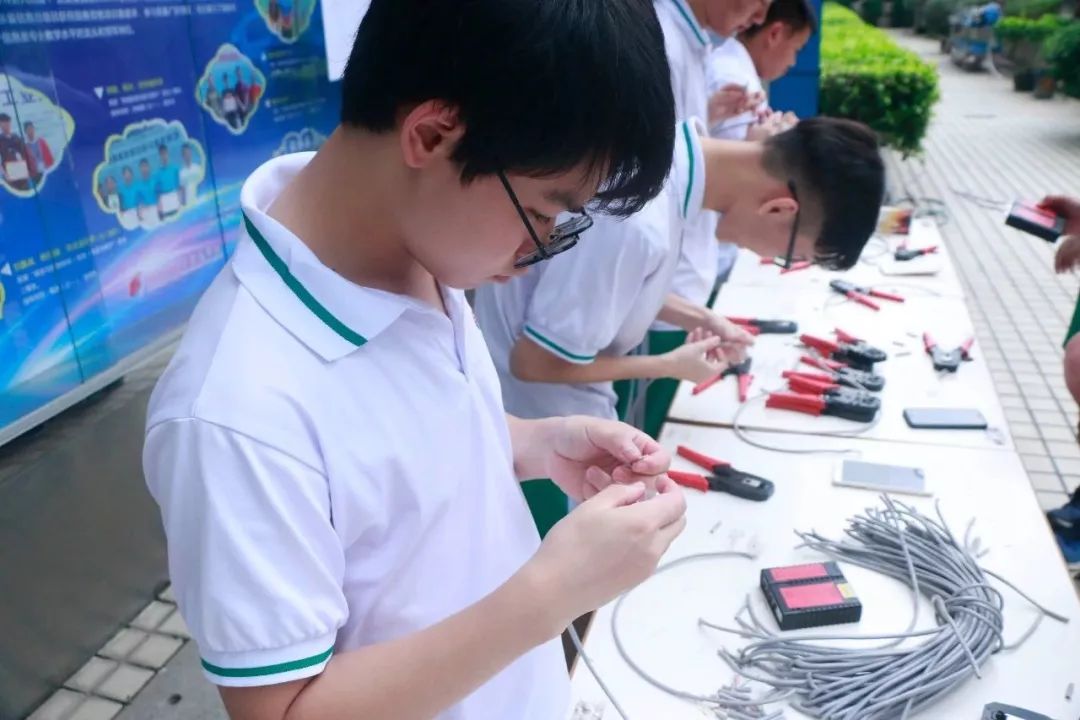
After testing the electronic components, we officially start soldering the circuit board. We need a tool called “soldering iron” for soldering the circuit board. When using a soldering iron, it must be preheated, and some soldering materials, such as solder and flux, must be added. As long as you are bold and careful, after practicing and mastering certain skills, the electronic components can be successfully soldered onto the circuit board. (Note: Be careful when using the soldering iron, don’t get burned!)
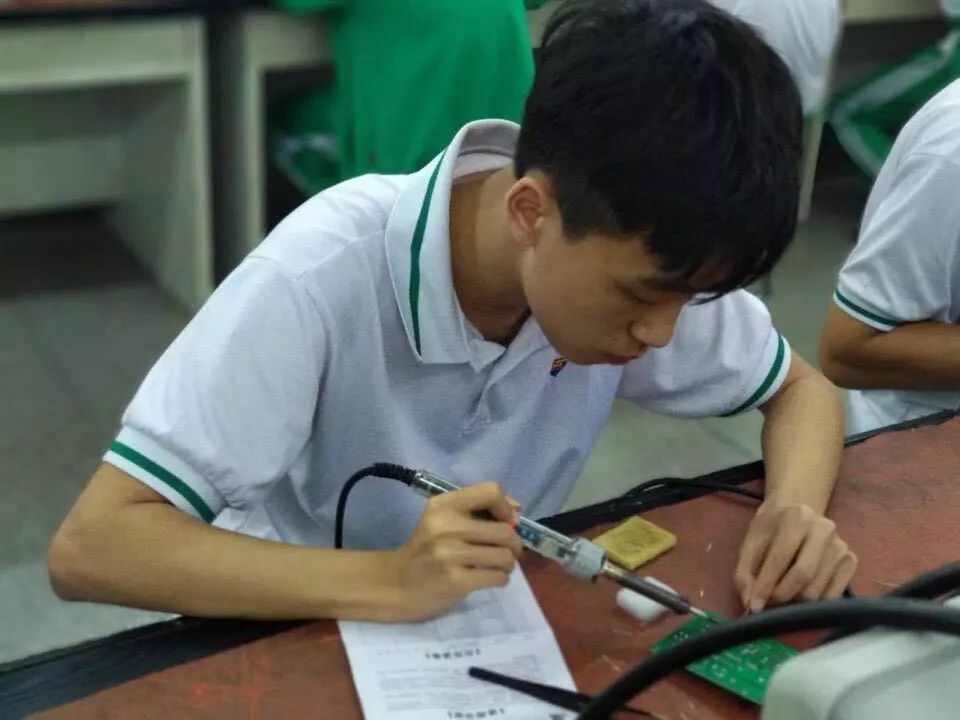
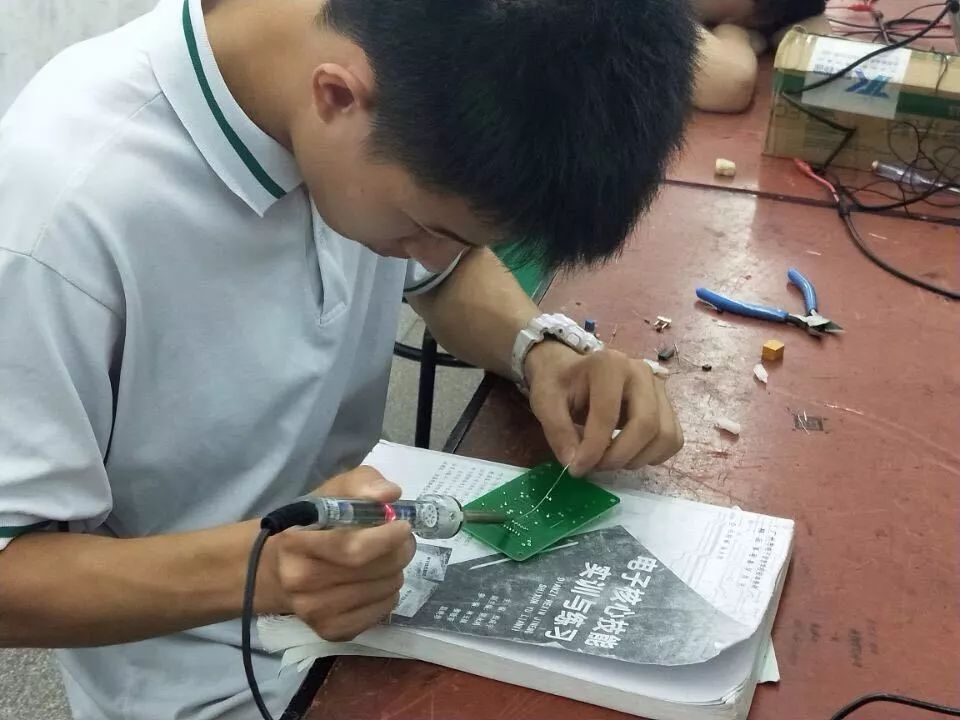
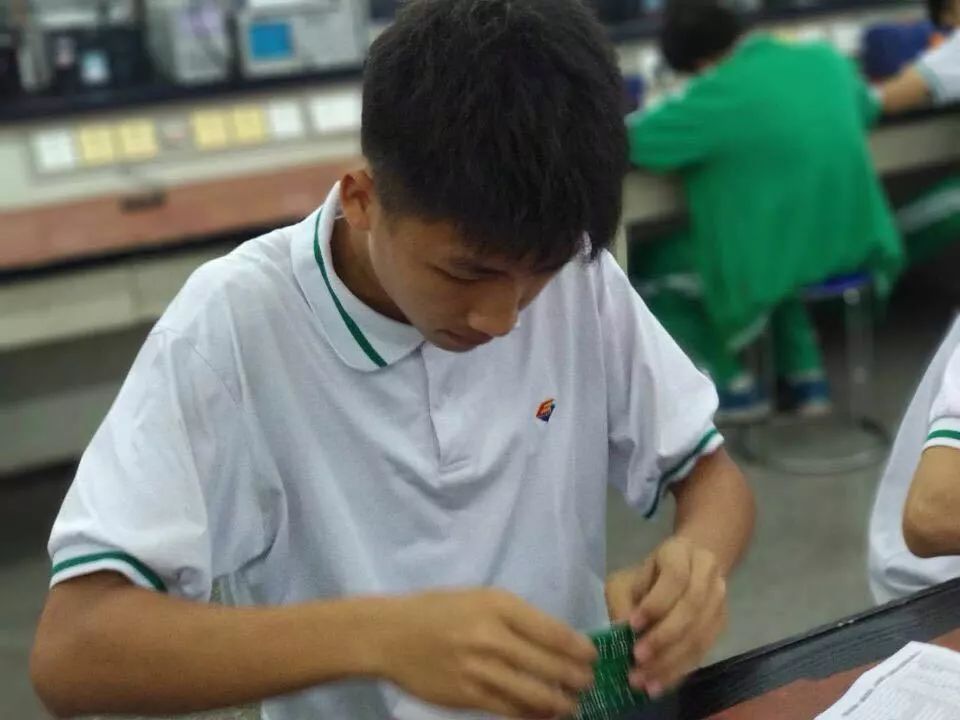

Hmm? What does “soldering iron” mean?
Haha, “soldering iron” is what we refer to as a soldering iron. The older generation of electricians used to say, in Cantonese, “soldering iron“, which actually means using a soldering iron. As it has been passed down through generations, “soldering iron” has naturally become an industry term, and it sounds quite interesting!


Implementing Circuit Board Functions
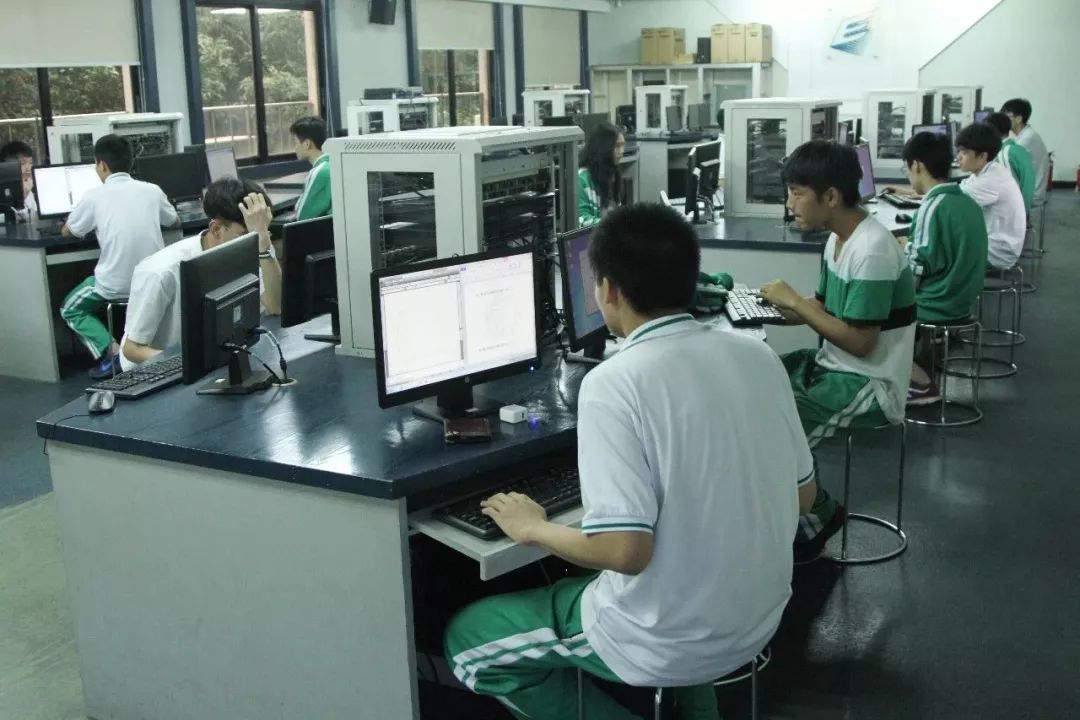
After soldering, we start to implement the functions of the circuit board. Our training room provides many measuring instruments like oscilloscopes and function signal generators to help us achieve the functions of the circuit board faster and better.

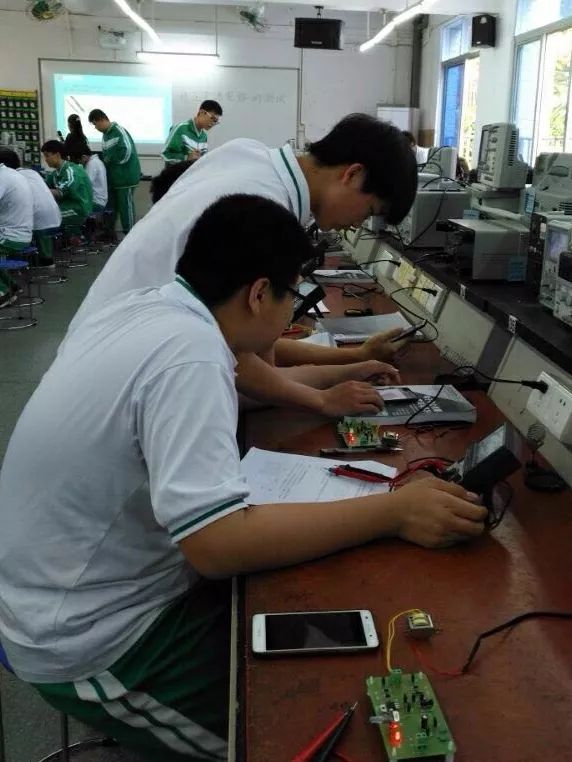
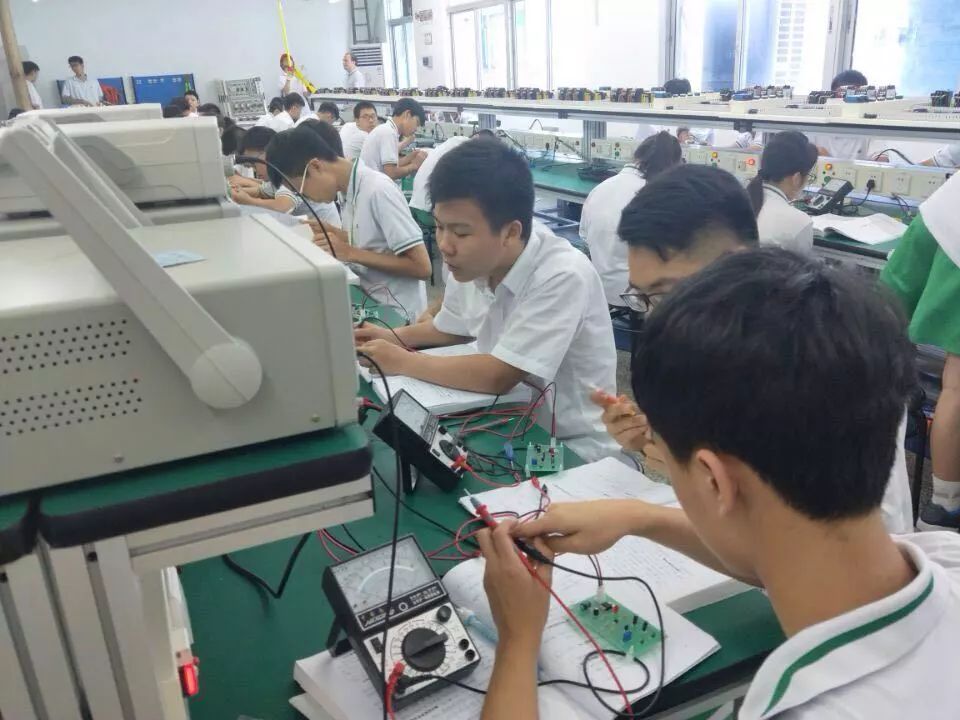
Students Skillfully Use Instrument Equipment

Starting the Journey to Become an Electrical Engineer
Bang~Bang~Bang, the function has been completed, and finally, we reach the last step, measuring and recording data! The powered circuit board can successfully measure values with a multimeter or millivolt meter. If the values are correct, it indicates the function is normal! As long as we continue to study electronic technology diligently, we are not far from becoming electrical engineers!

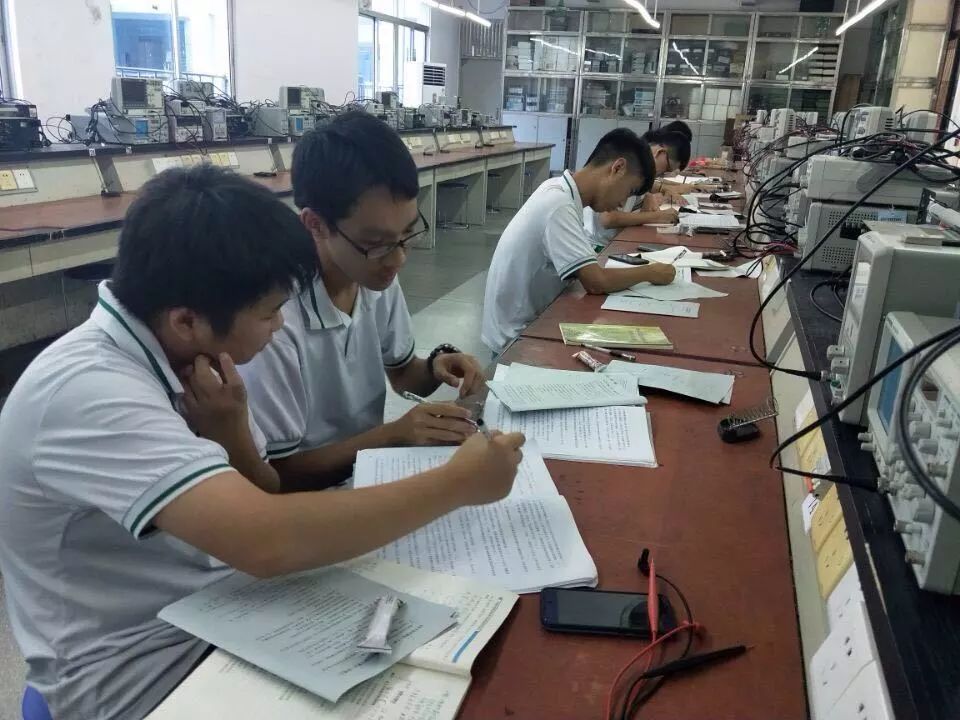
Students Carefully Fill in the Experiment Report
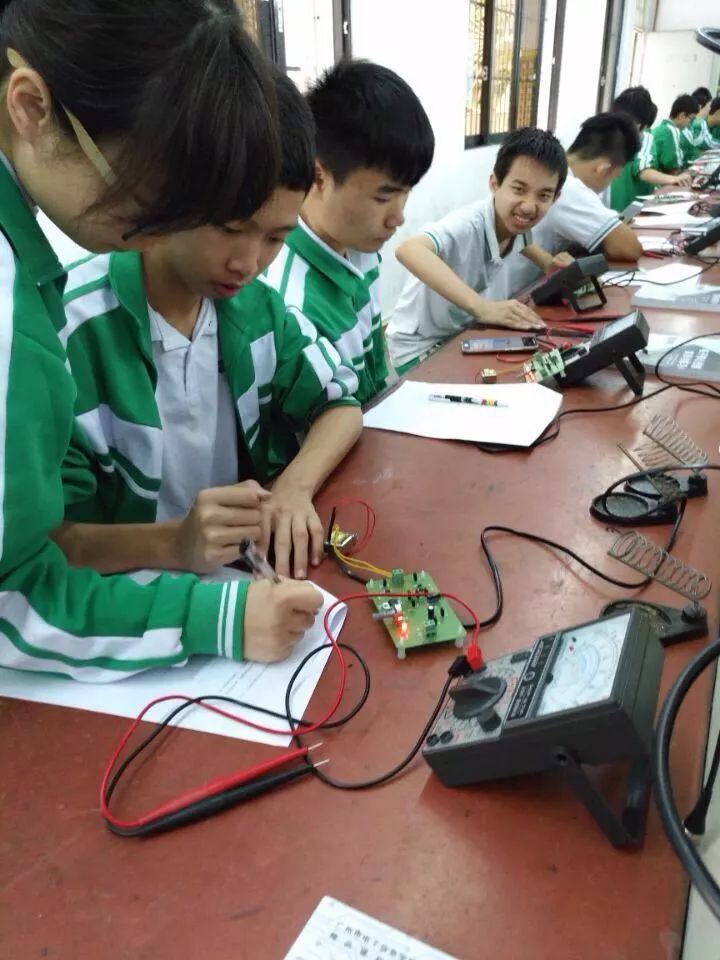
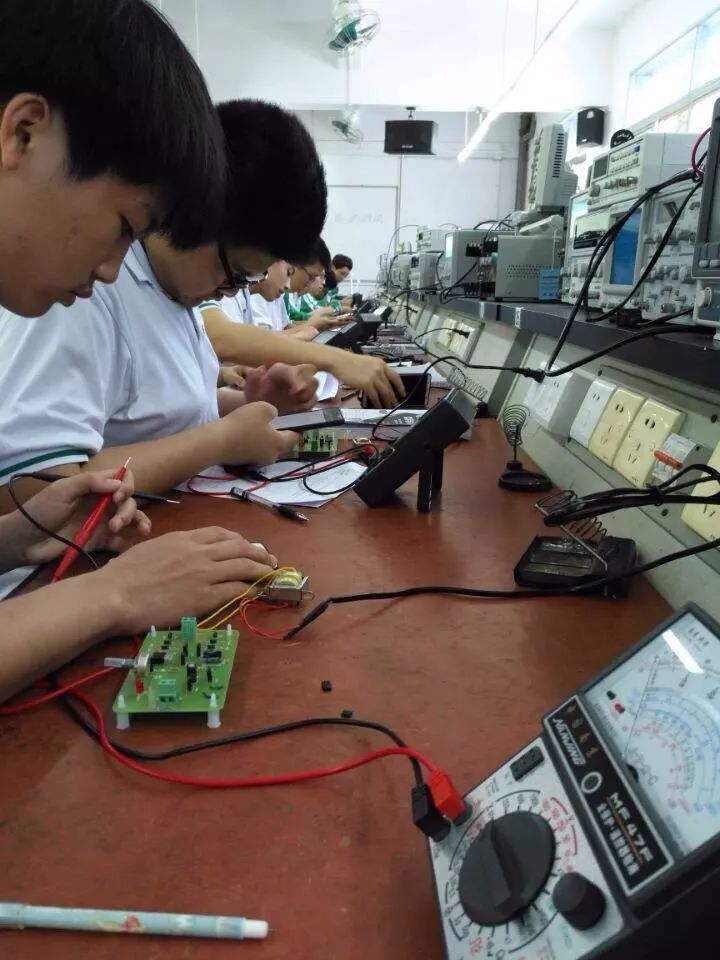


Haha, see!
Our Mechatronics class is a group of people with “heart”
We just need to master the four steps above
to design and solder circuit boards
to achieve the functions we need.
Interested friends,
whether you are in software major,
digital media major, or a beginner
can also learn these skills and knowledge at Electrical Vocational
and many professional clubs
(Robotics Club, Dream Factory, Audio Club)
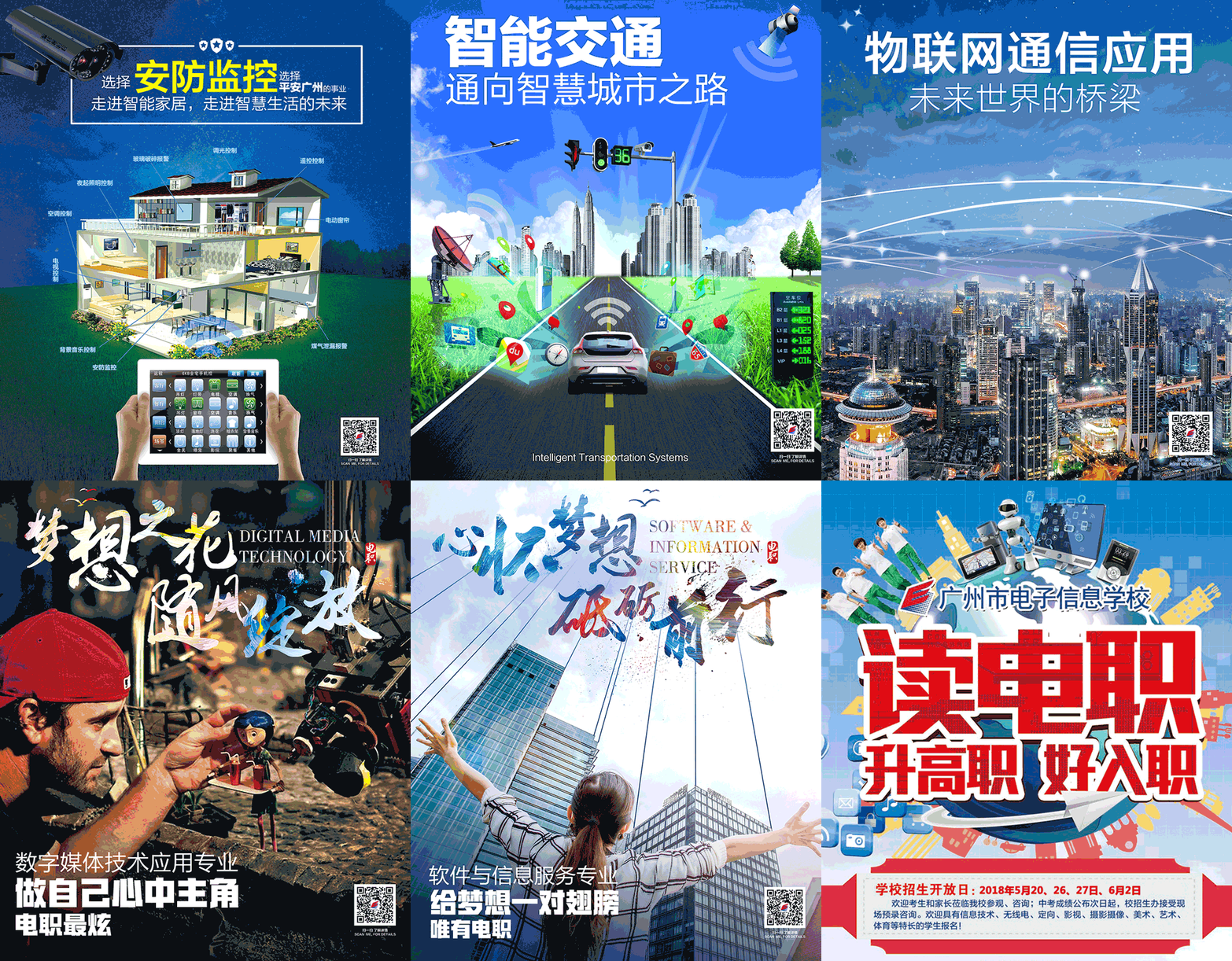
Electrical Vocational has many great majors
There is always one that suits you!
Electrical Vocational New Media
Text | Yang Yue
Editor | Zhao Jiahui
Images | He Zhiwei
↓Please follow↓

Electrical Vocational New Media
A very serious and hardworking Electrical Vocational editor’s public account, you deserve it!!!

Friends, what are you waiting for? Come and contact us!
Contact Us
Phone: 020-83590464 83576432
13544435864 13556149488
WeChat: gzxxjsAddress: No. 41, Xiatang West Road, GuangzhouWebsite: http://www.gzeis.edu.cn/
 Transportation Guide: No. 41, Xiatang West Road, take Metro Line 5, exit at Xiaobei Station; take buses 36, 66, 93, 189, 278, 529, 810, 864 to “Tongxin South” station; take buses 76, 76A, 190, 544, 546, 547, 706 to “Dian University Luhu Campus” station. It takes 3 to 10 minutes on foot to reach.
Study at Electrical Vocational, Advance to Higher Vocational, Get a Good Job
——Electrical Vocational Welcomes You!

Please scan the QR code for details