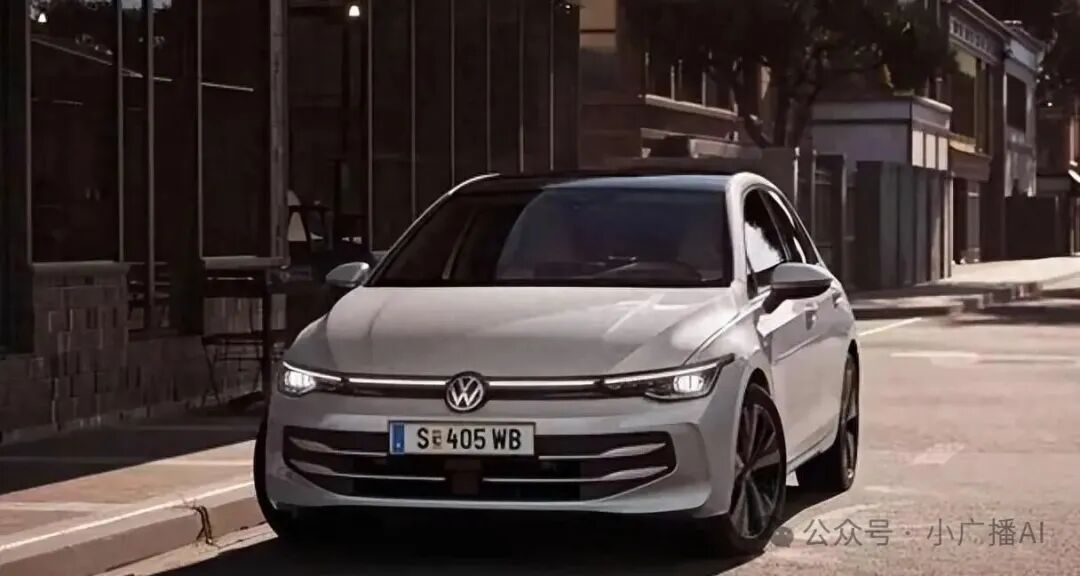
To be honest, I was also skeptical when I first saw this news. Volkswagen is actually going to stop production of the Golf! This is Volkswagen’s flagship model, which has been sold globally for so many years, and now it is going to stop production due to a chip shortage. What a situation!
I believe this issue is more serious than the chip shortage in 2021. Why do I say that? Because this time it is not just a simple capacity issue, but rather political factors directly affecting the supply chain. Here’s the situation: a company called Nexperia, which specializes in supplying chips to the automotive industry, was suddenly taken over by the Dutch government in October, citing “protection of European technology from loss”.
However, the problem is that although this company is headquartered in the Netherlands, 70% of its packaging and testing is done in Dongguan, China. With the Netherlands taking such action, China naturally had to respond by freezing the export of these chips. The result is that the chip inventory of European car manufacturers is quickly running out.
According to reports from the German newspaper Bild, Volkswagen’s factory in Wolfsburg is preparing to halt production next week, with the Golf being the first affected model, followed by popular models like the Tiguan and Touran. I checked the data, and this factory is one of Volkswagen’s core production bases, producing hundreds of thousands of units each year.
Many people may not know that the chips used in cars are quite different from those in mobile phones and computers. While mobile phones can use the latest 5nm or 3nm processes, cars require stable and reliable mature chips for basic functions like controlling headlights and steering assistance. These chips may not be the most advanced, but they have very high requirements and must pass automotive-grade certification, which can take anywhere from six months to a year or two.
Nexperia specializes in making such chips. Although they may seem inconspicuous, they are truly “invisible giants” in the automotive industry. Whether it’s European brands like Volkswagen, BMW, and Mercedes, or Japanese brands like Toyota and Honda, they all rely on its products. They supply hundreds of millions of chips to the global automotive industry each year, which shows how significant the impact is.
Volkswagen is truly at a loss now; it’s too late to change suppliers. Automotive chips cannot just be swapped for another brand; they require re-compatibility testing and must pass various safety certifications, which takes too long. So Volkswagen can only watch as its inventory dwindles day by day, ultimately leading to production halts.
I believe this situation will have a significant impact on the entire automotive industry. The European Automobile Manufacturers Association issued a warning in mid-October, stating that Nexperia’s chip inventory could only last a few weeks, and if supply is cut off, automotive parts factories would have to stop production. It seems this warning was accurate; Volkswagen can no longer hold out, and other car manufacturers are likely to follow soon.
To be honest, this crisis has exposed a serious problem: the global automotive supply chain is overly dependent on certain key chips. Nexperia’s Dongguan factory handles 70% of the global packaging and testing tasks, and once there is a problem, the entire supply chain comes to a halt. This is similar to the previous oil crisis; critical resources should not be overly reliant on a single channel.
However, this also highlights China’s important position in the global semiconductor supply chain. The Dongguan factory was not built in a day; it is the result of years of accumulation in semiconductor manufacturing in China. Now, Nexperia China has issued a statement saying that domestic production is unaffected and has switched to RMB settlement, which reflects the hard power of China’s industrial chain.
For Volkswagen, this production halt will certainly affect sales and deliveries. The Golf is such a popular model, and its sudden halt will delay many consumers’ plans to pick up their cars. However, I believe that in the long run, this may lead the global automotive industry to become more rational, not just pursuing cost and efficiency, but placing greater importance on supply chain security.
Japan is also affected, with companies like Toyota and Honda collaborating with parts manufacturers to respond. This shows that no country’s automotive industry can stand alone; the global supply chain is interconnected. The unilateral action of the Dutch government, seemingly targeting a single company, actually harms the interests of the global automotive industry.
China’s new energy vehicle companies may learn from this crisis and increase their investment in automotive chips. After all, the development of new energy vehicles has been rapid in recent years, but there is still a certain degree of external dependence on core components. In the future, whoever can balance “efficiency” and “safety” well will occupy a favorable position in the global supply chain.
Finally, I want to say that this chip crisis is like a “health check” for the supply chain, revealing the weak links in the global division of labor system. I hope relevant countries can resolve their differences through dialogue and consultation as soon as possible to maintain the stability of the global supply chain. Consumers want reliable cars, and companies want stable production, all of which depend on a fair and transparent trade environment.
What do you think about this? Feel free to share and discuss, and follow me for daily automotive news updates.