In modern power distribution systems, precise measurement of electrical parameters, energy metering, and reliable monitoring of equipment operating status are fundamental to ensuring power supply safety and achieving energy efficiency management. Various types of embedded power meters serve as key measurement components, widely used in incoming and outgoing cabinets, providing data support for system operation.
Among embedded energy meter products, the APM series is typically used for incoming circuits, featuring multi-rate metering, harmonic measurement, and voltage sag/swell monitoring. Its modular design allows users to expand functional modules based on actual needs, such as adding analog input/output, digital control, or various communication interfaces (e.g., Profibus-DP, Modbus-TCP), enhancing configuration flexibility.
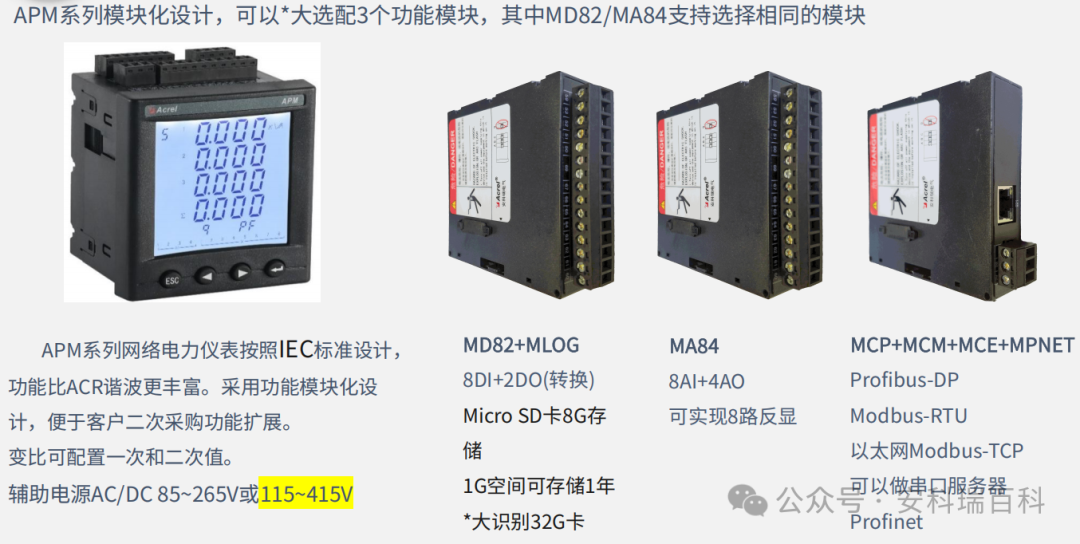
Figure 1: APM8 Series Modular Configuration Diagram
The AEM series energy meters focus on anti-theft design and data integrity, featuring a lead-sealed structure, capable of measuring all electrical parameters and harmonics, and supporting multiple rate energy statistics and historical data recording. This series of products holds type approval certificates for measuring instruments and complies with relevant national standards.
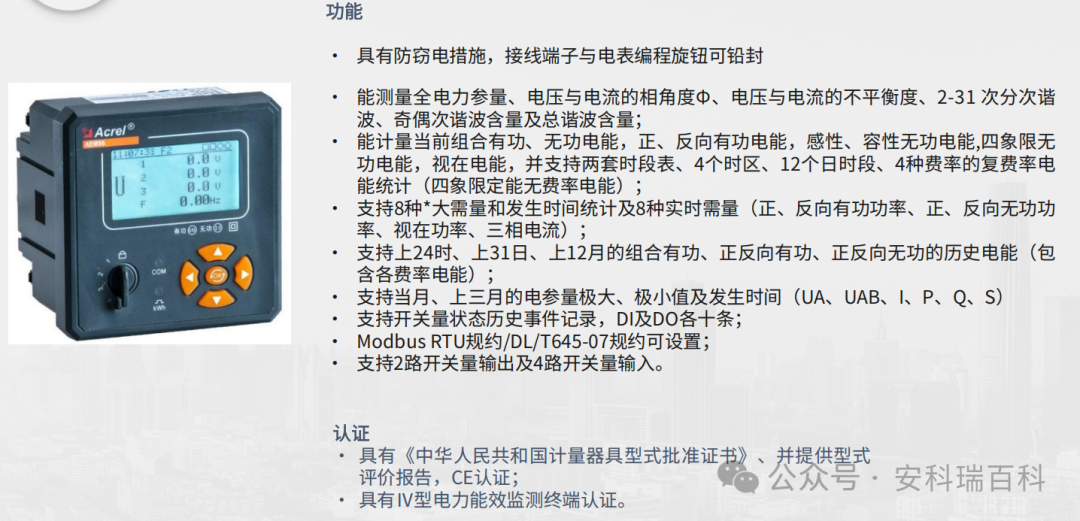
Figure 2: AEM Series Function List Illustration
The AMC series provides comprehensive electrical parameter measurement and harmonic analysis, supporting Chinese display, event recording, and demand statistics, suitable for various industrial environments, and certified by CE, TUV, and other certifications.
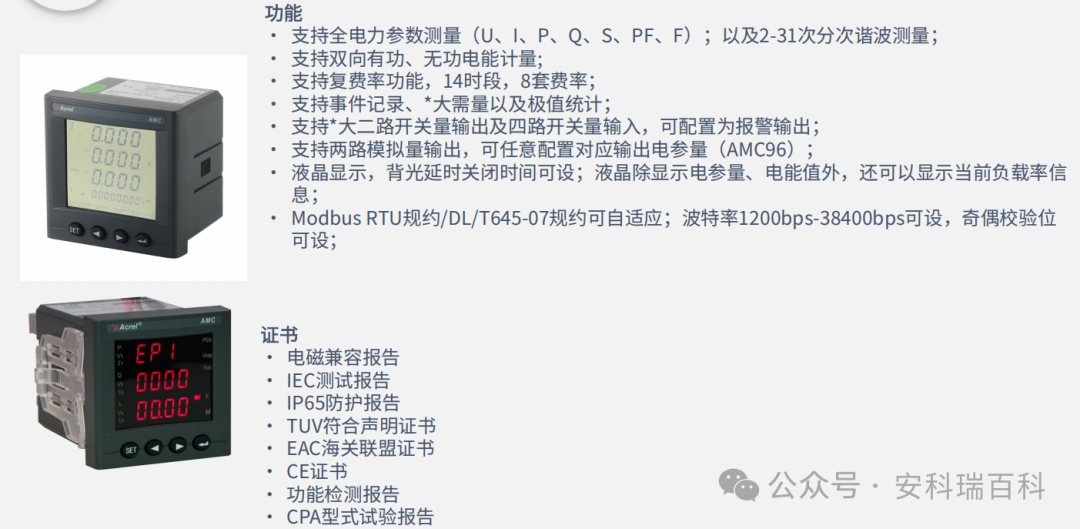
Figure 3: AMC Series Certificate Summary Diagram
In addition to energy meters, digital input modules such as the ARTU series are used for collecting digital and analog signals and remote control output, featuring modular expansion capabilities and supporting Ethernet communication, suitable for status monitoring and remote control operations in power distribution automation.
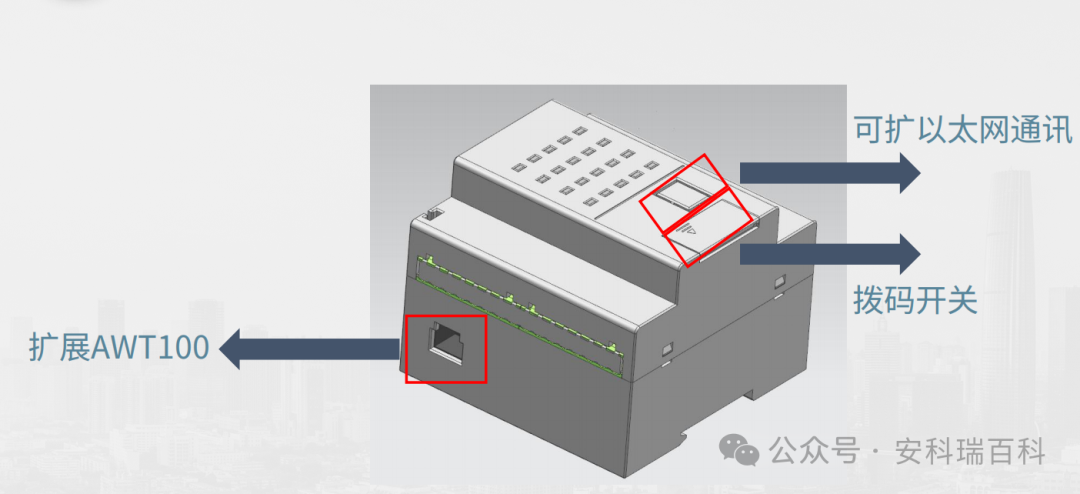
Figure 4: ARTU Series Product Appearance and Wiring Diagram
For environmental monitoring, temperature and humidity controllers such as the WHD series can be used for automatic dehumidification in distribution boxes and switchgear, preventing equipment failures caused by humidity. Their accompanying heaters can be selected based on the space volume to achieve precise temperature control. Additionally, small temperature and humidity detection modules can be integrated into the system via RS485 interface to monitor environmental parameters in real-time at multiple points, suitable for substations, warehouses, and other scenarios.
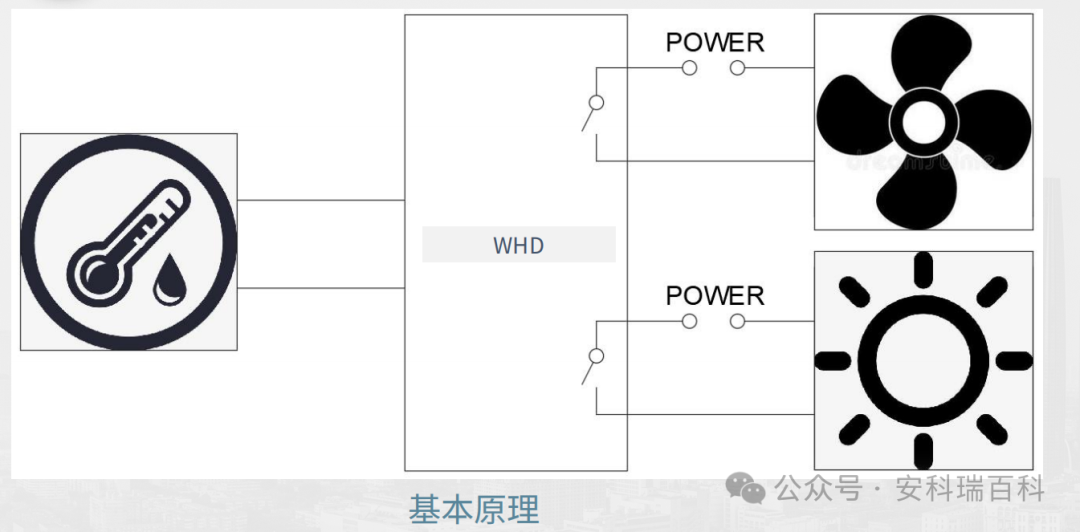
Figure 5: Temperature and Humidity Controller Working Principle Diagram
In practical projects, such as the Shenzhen Sea World Cultural Arts Center, embedded energy meters are installed in the metering control box to achieve precise metering and monitoring of the power circuit. Related products all possess type approval certificates, CE certification, and other qualifications, ensuring compliance with national metering and safety standards.
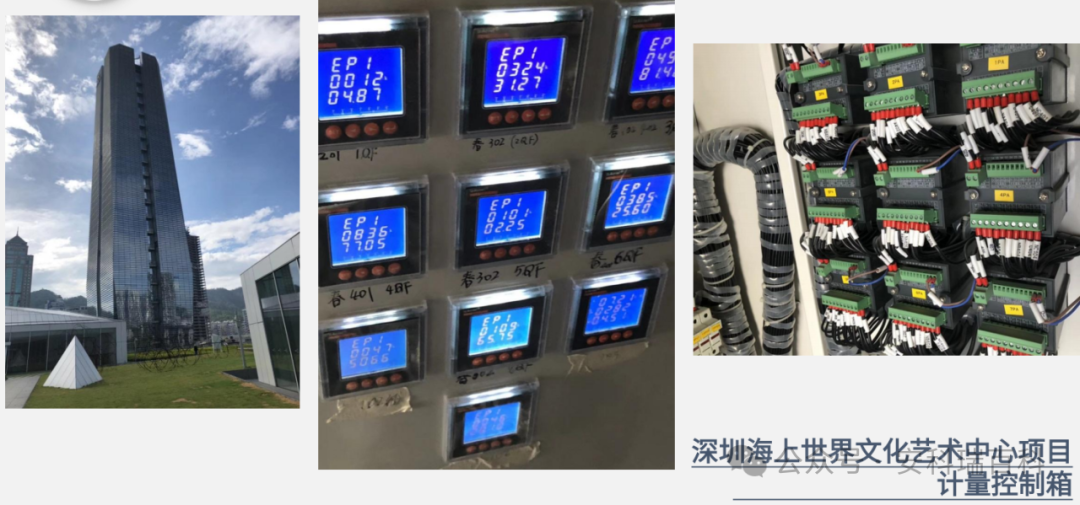
Figure 6: Field Installation Application of Energy Meters
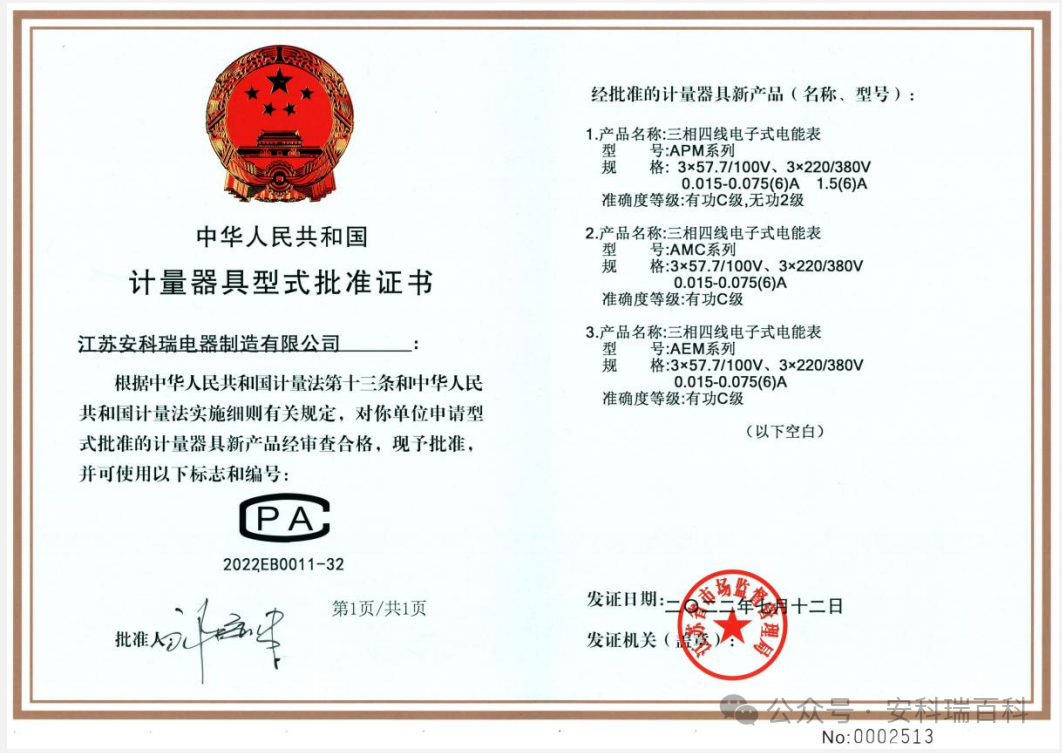
Figure 7: Sample of Measuring Instrument Type Approval Certificate
Products provided by Ankerui, including embedded meters, collection modules, and environmental monitoring equipment, cover various needs for measurement, control, and protection in power distribution systems, helping users build a complete and reliable power distribution management framework. Through standardized design and multiple certifications, these products have broad application prospects in industrial, commercial, and public facilities.
Ankerui Encyclopedia

Welcome to Consult Ankerui
Xu Yeran
WeChat ID|callme13641854052
Contact Number|13641854052