First, a fun fact: Making chips is like baking a cake, where the photolithography machine is the oven and the photoresist is the baking paper. Without the paper, the cake will burn at the bottom. Currently, 90% of the world’s high-end “baking paper” is printed in Japanese, and the finest types are measured in individual units. When Japan decides to cut off supplies, it does so decisively. In 2019, the head of Samsung in South Korea flew to Tokyo overnight to “beg for supplies,” a more desperate act than chasing an ex-girlfriend. Upon realizing this, China saw it not as a business issue but as a “squeezing egg technique.” Consequently, domestic manufacturers, universities, and funds joined forces, vowing to bring this paper back to their own kitchens. The real killer move of photoresist is “binding”—changing brands requires a complete reconfiguration of the production line, which takes months, while the boss’s heart rate is calculated in seconds. Japan locks customers into an “annual membership,” where the membership fee is the “sense of security” that supplies can be cut off at any time. I dare say they only sell you just enough for your needs each year, not a drop more, keeping you perpetually anxious about whether supplies will be cut off next month. This is the highest level of “psychological warfare.”
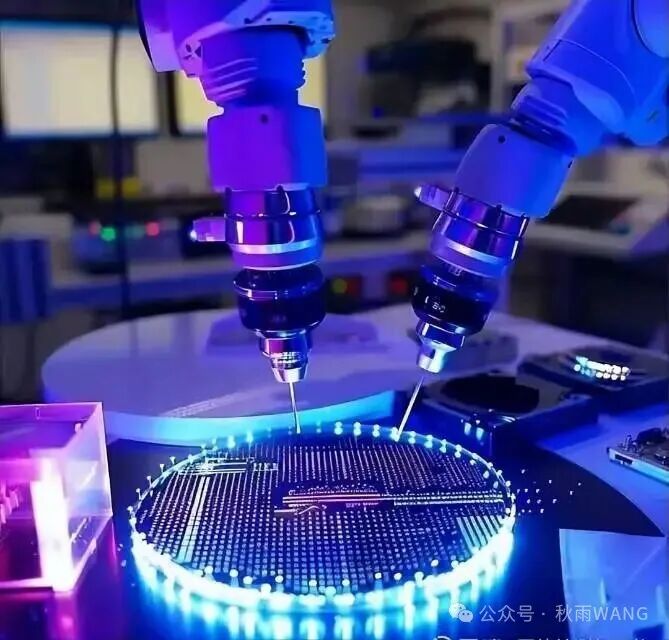
In 2023, Nanjing University of Posts and Telecommunications’ ArF photoresist successfully passed verification at Yangtze Memory Technologies, achieving a yield rate of 95%, just a step away from mass production. My prediction is that around 2026, domestic photoresist will first “sneak in” successfully in storage chips, capturing 15% of Japan’s market share, similar to how BOE first took the TV screen market before counterattacking in the smartphone screen market, replicating the path and exchanging time for space. Photoresist is not a lone wolf; it must collaborate with photolithography machines, masks, and air conditioning filters. Japan excels in having the entire club listen to it. Whoever first bundles domestic photoresist, domestic machines, and domestic factory operations together will earn a golden ticket for survival. Currently, Shanghai Micro Electronics’ 28nm photolithography machine, Nanjing University’s photoresist, and SMIC’s verification are already forming a small alliance. If they achieve a yield rate in the thousands by Q2 2025, Japanese products will have to discount their inventory the next day. Japan also understands the concept of “a cornered dog will jump over the wall”; if they completely shut the door, China will throw money and manpower into developing alternatives overnight. I predict that in the future, Japan will adopt a “toothpaste squeezing” strategy, only allowing a 5% quota at a time, while quietly raising prices by 10%, causing pain without killing you, effectively strangling the “spare tire” in its cradle. Ultimately, this battle is like dating—if the other party is elusive, you must strive to become more attractive. Domestic photoresist has already left the laboratory and is currently “interning” on production lines; whether it can secure a permanent position will depend on its ability to withstand the scrutiny of its customer base over the next two years. Let’s see what happens in the comments: How many years do you think it will take for a counterattack? Or will Japan continue to collect rent? We shall see.