Sensors are a crucial component of the vehicle’s electronic control system, primarily composed of sensitive elements, conversion elements, and conversion circuits. Improper handling during testing can not only damage the sensors but also pose safety risks. I have compiled15 key considerations for vehicle sensor testing, how many do you know?
 PART.01Fault Symptoms and Diagnosis of Various SensorsCrankshaft Position Sensor
If the crankshaft position sensor on anolder vehicle is damaged, it will directly cause thevehicle to fail to start; if the sensor on anew vehicle is damaged, it will lead todifficult starting. If thetachometer stops moving, it indicates a fault with the sensor.
Camshaft Position Sensor
The fault symptoms of this sensor typically includeidle shaking, lack of acceleration, and backfiring from the exhaust.
Coolant Temperature Sensor
Abnormal fan operation, difficult starting, and excessively long high idle times when cold are directly related to the coolant temperature sensor. You canuse a computer to read the data stream and compare it with the actual temperature to determine if there is a fault.
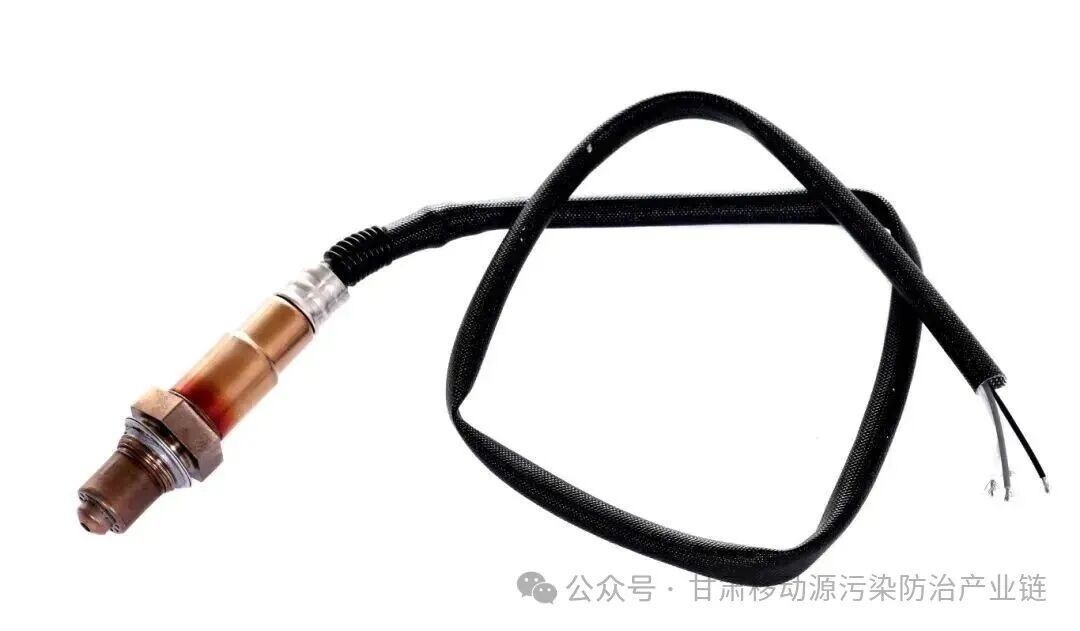
Oxygen Sensor
Since the oxygen sensor is installed in the front section of the exhaust pipe and operates at very high temperatures, it is prone to damage. Fault symptoms includehigh fuel consumption and black smoke from the exhaust. You canuse a computer to read the data stream to determine if it is damaged.
Oil Pressure Sensor
If the oil pressure sensor is damaged, it can causeoil to enter the engine harness, potentially damaging the computer board.
PART.0215 Testing Considerations0102
Unless specifically stated during testing,do not use an analog multimeter to test the ECU (Electronic Control Unit) and sensors; instead, usea high-impedance digital multimeter or a specialized automotive multimeter for testing.
02
Do not use the “fire test method” to check the on/off status of transistor circuits.
03
To prevent damage to transistors,do not use a standard test light to test any electrical devices connected to the ECU; pulse circuits should be checked with an LED light or an oscilloscope.
04
In the electronic control system, connectors often have poor contact or intermittent short circuits due to looseness, soldering issues, burning, rust, or dirt. Therefore, when a fault occurs, you shouldfirst check the condition of the connectors.
05
The battery ground polaritymust be negative, and must not be connected incorrectly.
06
It is strictly prohibited to disconnect the battery from the circuit while the engine is running at high speed to prevent transient overvoltage that could damage the ECU and sensors.
07
When the ignition switch is on,do not disconnect any electrical devices to avoid damaging electronic components due to induced electromotive force in the circuit.
08
When disconnecting the battery, pay attention to the following three points:
-
You must turn off the ignition switch, because disconnecting the battery while the ignition switch is on can cause the self-induction electromotive force in the circuit to damage electronic components;
-
Check for any self-diagnostic fault codes. If there are fault codes, you shouldwrite down the codes before disconnecting the battery.
-
Before disconnecting the battery, remember the anti-theft code for the audio equipment, to avoid affecting its use next time.
09
When servicing the oxygen sensor,do not let the oxygen sensor fall or collide with other objects, and do not cool it with water; when replacing the oxygen sensor, use a special anti-seize compound on the threads to avoid difficulty in future removal.
10
Pay attention toshielded wires. Many electromagnetic sensors may show normal resistance and voltage readings, but poor shielding can still lead to faults.
11
When jump-starting other vehicles or using other vehicles to jump-start this vehicle, you mustturn off the ignition switch before connecting or disconnecting the jumper cables.
12
When removing or installing inductive sensors, the ignition switch should be turned off to prevent self-induction electromotive force from damaging the ECU or causing new faults.
13
The ECU and sensors mustbe protected from moisture and must not damage their sealing devices. Additionally,the ECU should be protected from severe vibrations.
14
Check the condition of the ground wire, itsresistance value should not exceed 1.5Ω.
15
Some fault warning lights must not have their power changed arbitrarily, otherwise, abnormal situations may occur.