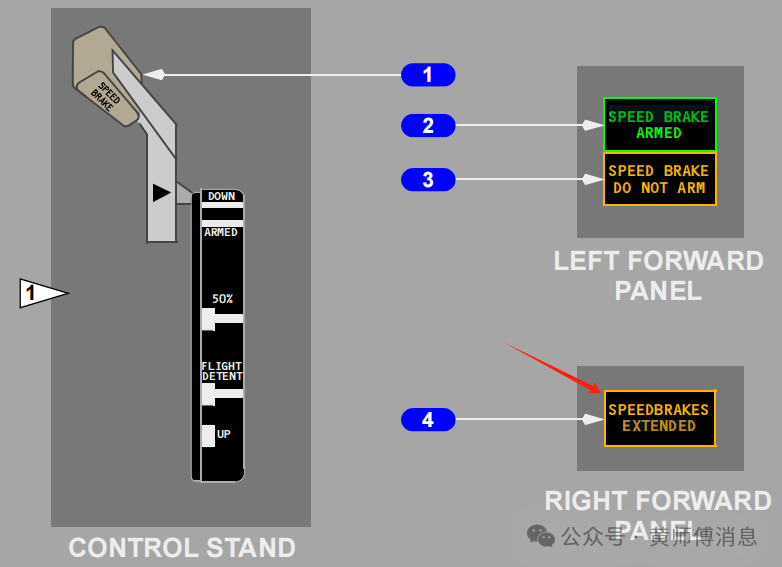
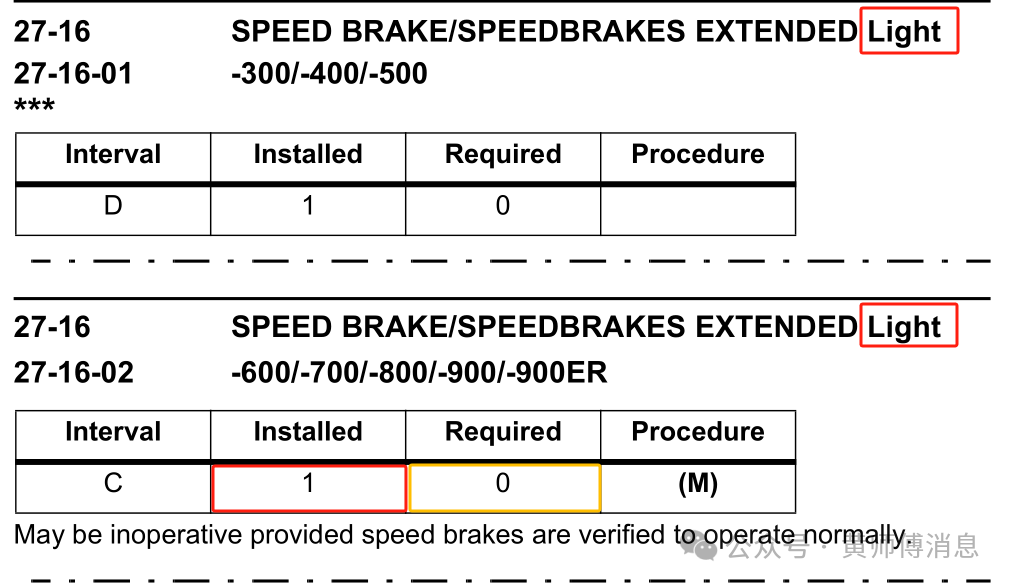
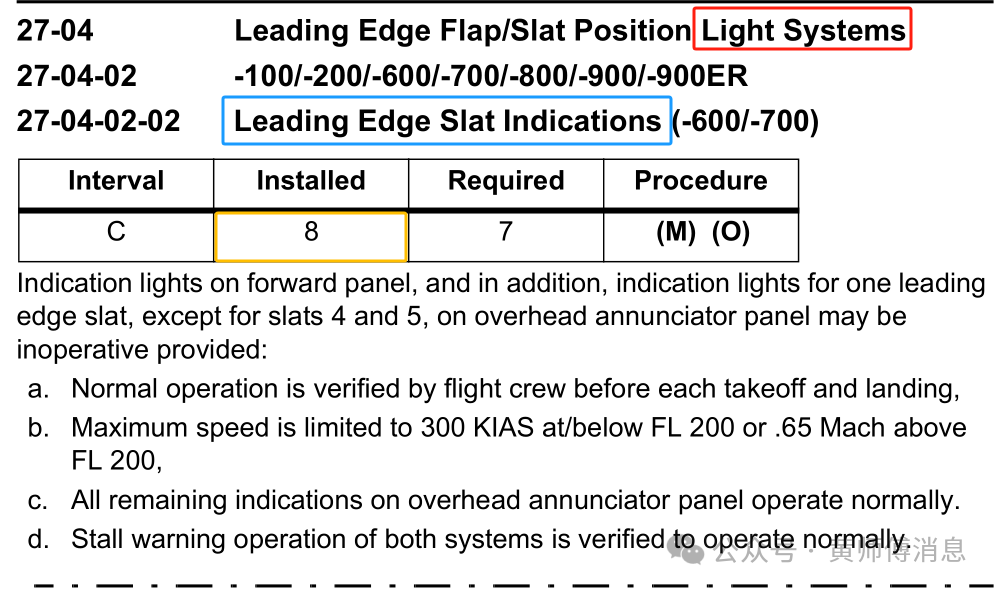
Question 1: Can the sensor for the light system entry in MEL be applicable in case of sensor failure?
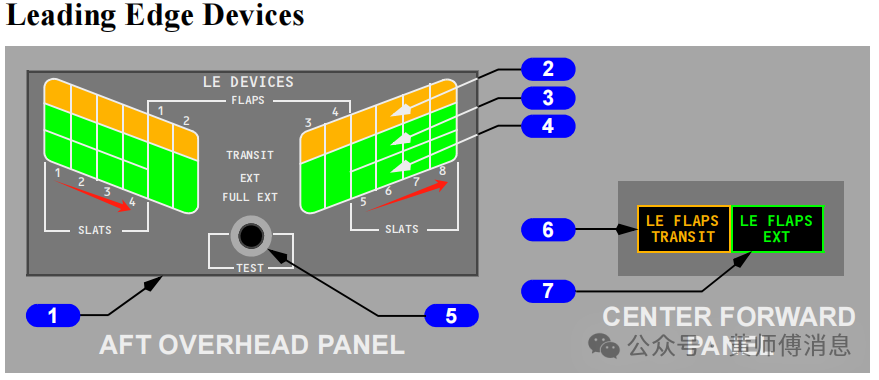
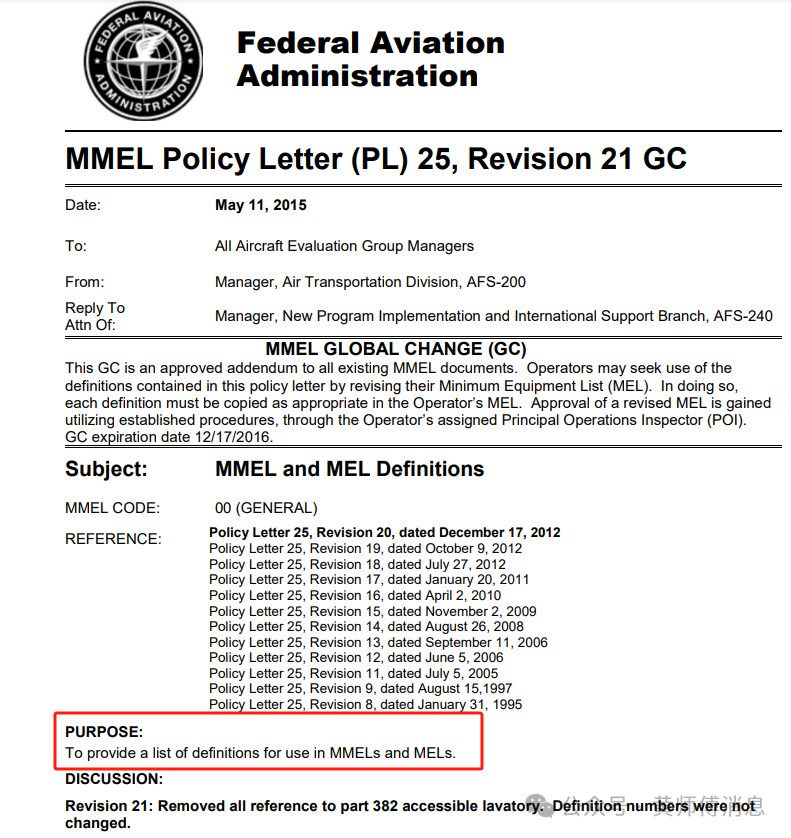
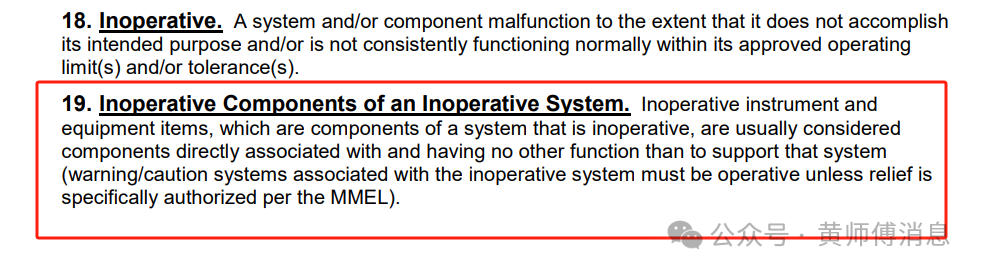
Answer: The sensor failure for the light can be retained according to the light system entry. If the MEL entry is only for the light, the corresponding entry name will not include “system”; it will simply be “light” instead of “Light system”. The difference can be seen in the two images above. I thought this understanding was simple and did not require explanation, but there are still doubts regarding this explanation in flight. Where can I find more convincing materials? The MMEL is officially approved and published by the FAA/EASA, FAA Policy Letter PL-25 states the following for reference. Item 19: The definition of failed components of a failed system is: failed instruments and equipment items that are part of the failed system, which are typically referred to as components directly related to that system and have no other function except to support that system (the warning/warning system related to the failed system must remain operational unless specifically exempted by the master minimum equipment list). This indicates that there is a distinction between systems and components; the system includes components directly related to that system. Of course, the light system also includes sensors under the light system. For example, the flap indicator light system includes sensors that only indicate the flap. The installation quantity is 8 flap indicators, allowing for 1 failure, which can be a bulb or a sensor and related components. Is this explanation still acceptable?
Question 2: Can operators modify the settings of the labels in the MEL?

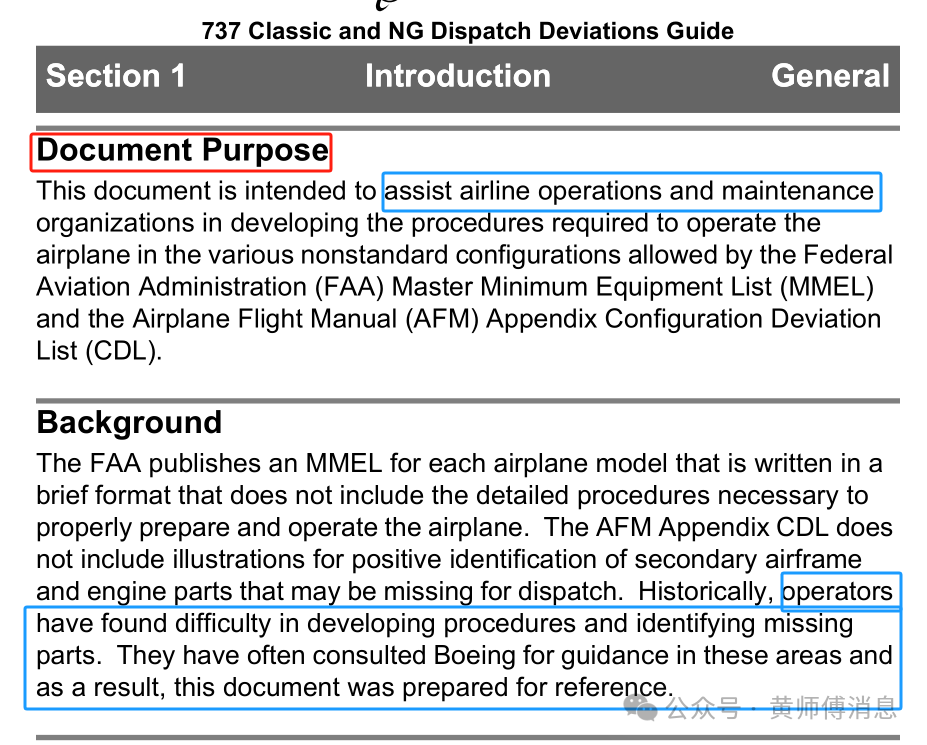
Regarding the warning labels, the MMEL does not actually specify this; it only provides a principle: Each failed instrument or equipment must have a label to inform and remind the crew and maintenance personnel of the status of that equipment. Where feasible, the label should be located near the control device or indicator of the affected item; however, unless otherwise specified (i.e., in the Aircraft Flight Manual), the wording and location of the label will be determined by the aircraft operator. Since the MMEL does not provide M and O items, the manufacturer provides guidance through the DDG, including the setup of labels. The DDG serves as guidance and reference, and airlines must develop their own MEL requirements based on their circumstances. Therefore, airlines can consider adding corresponding labels when formulating the MEL.