Source: Dao Ke Dao NetworkRecommended Reading:Civil AI welcomes submissions!
The Core Value of Infrared Temperature Measurement Technology in Asphalt Pavement Construction
As is well known,asphalt mixtures must be compacted at high temperatures to ensure minimal void ratio and maximum density. Temperature monitoring has a decisive impact on construction quality:
·Temperature Window Requirements: The temperature of the mixture during paving must be maintained at95-190°C, with the minimum compaction temperature usually≥75°C
· Low Temperature Risk: If the temperature during paving is insufficient, it will lead to inadequate compaction, reducing pavement strength by30% or more
·High Temperature Risk: Continuous overheating (>190°C) will accelerate the aging of asphalt binders and reduce adhesion performance
II. PyroCoupleInfrared Temperature Measurement System Technical Specifications
2.1 Sensor Selection Standards
· Recommended Model: PC151MT-0 (15:1 optical ratio)
· Technical Parameters:
o Measurement Range: Covers the entire temperature range for asphalt construction (75-190°C)
o Output Signal:4-20mA analog signal, compatible with industrial control systems
o Environmental Adaptability: Operating environment temperature0-70°C
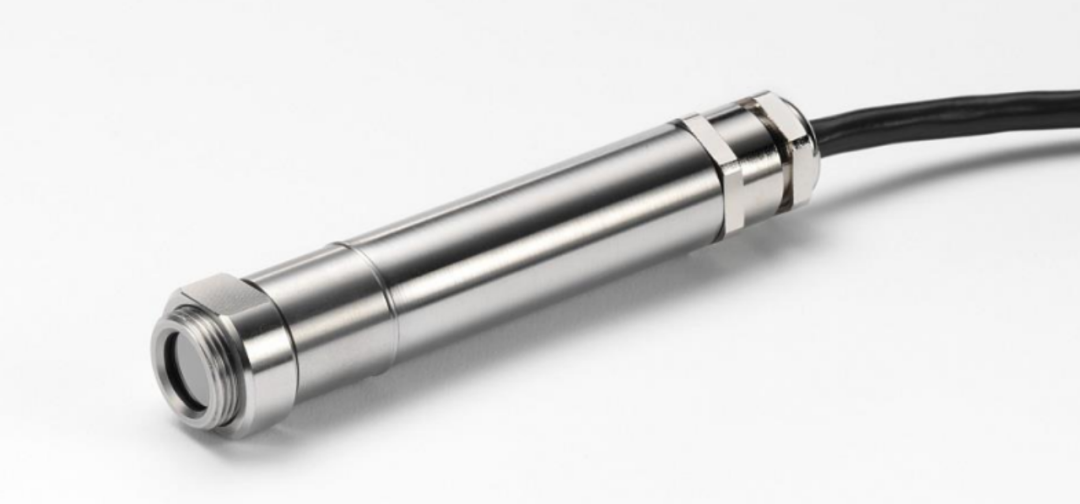
PC151MT-0 model infrared sensor
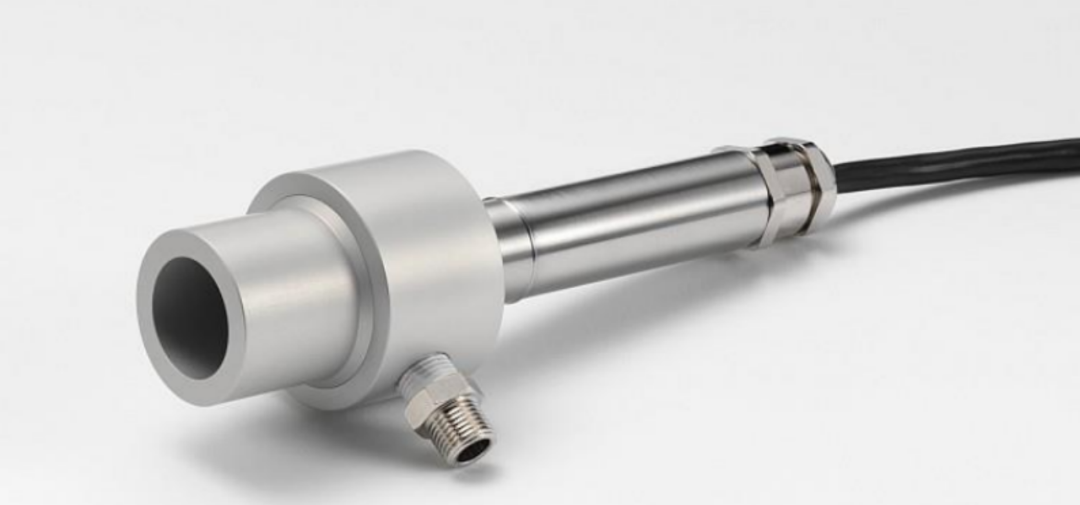
Infrared sensor equipped with air purge ring (APSN model)
2.2 System Deployment Plan
1. Paver Installation Position:
o Front Sensor: Monitors the temperature of the subgrade surface (predicts cooling rate)
o Rear Sensor: Monitors the temperature of newly laid asphalt (controls compaction timing)
2. Roller Installation Position:
o Real-time monitoring of the temperature of the mixture before compaction
3. Installation Precautions:
o Use narrow field optical design (15:1), avoiding interference from metal components
o It is recommended to install an air purge ring (APSN model) to prevent lens contamination
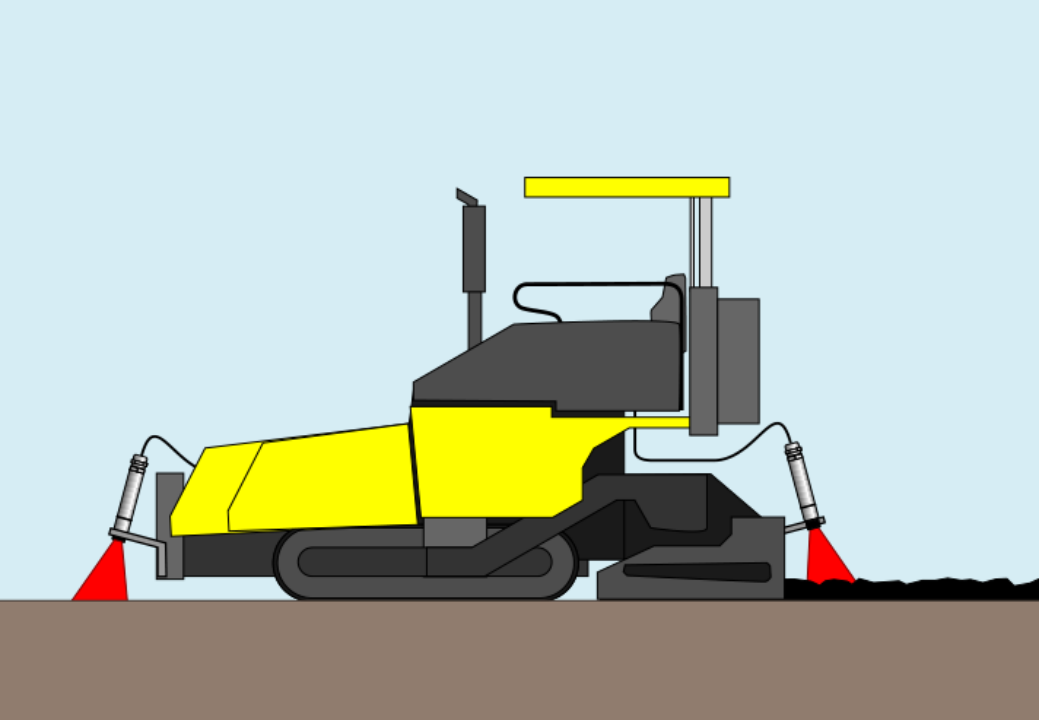
Two PC151MT-0 model sensors are installed on the paver, aimed at the pavement before and after paving. A sensor can also be placed on the roller to monitor the temperature of the asphalt mixture just before compaction. before compaction.
III. Standardized Temperature Measurement Operation Process
3.1 Subgrade Detection Before Paving
· Measurement Purpose: Predict the cooling curve of the mixture
· Operation Key Points:
o The sensor should maintain a fixed distance from the measurement surface (recommended0.5-1m)
o Select shadow-free areas for measurement to avoid solar radiation interference
3.2 Monitoring During Paving Process
· Data Collection Frequency: ≥1 time/ minute
· Abnormal Handling:
o Temperature<95°C: Early warning of insufficient heating of the mixture
o Temperature>190°C: Trigger overheating alarm
3.3 Compaction Stage Control
· Key Threshold: 75°C (minimum allowable compaction temperature)
· Decision Support:
o Real-time temperature data guides the roller operation sequence
o Automatically remind to accelerate compaction when temperature approaches the threshold
IV. Technical Advantages and Engineering Validation
4.1 Advantages Over Contact Temperature Measurement
· Response Speed: 0.5 seconds (traditional probes require over 30 seconds)
· Measurement Accuracy: ±1°C (meets ASTM E1256 standard)
· Safety: Non-contact measurement avoids equipment damage
4.2 Real Engineering Cases
· UKM25 Highway Project:
o After usingPC151MT-0 sensors, temperature monitoring efficiency increased by400%
o The standard deviation of compaction uniformity decreased from±8°C to±3°C
V. System Maintenance and Fault Prevention
1. Daily Maintenance:
o Clean the optical lens weekly (isopropyl alcohol wipe)
o Check the air purge system pressure monthly (≥0.2MPa)
2. Environmental Protection:
o Install sunshades to avoid direct sunlight
o Enable anti-condensation mode during the rainy season
3. Calibration Cycle:
o Calibrate with a black body furnace every6 months
o On-site verification using standard temperature sources (error>1°C requires return to factory)
VI. Technical Extension Applications
1. Monitoring of Discharge at Mixing Station:
o UsingPyroMini sensors to monitor loading temperature (typical range145-165°C)
2. Bonding Layer Detection:
o Fixed emissivity setting (ε=0.95) suitable for various asphalt materials
3. Data Traceability:
o Optional data recording module for full-process temperature traceability
Grain Buds
This article is based on documents from Calex Electronics Limited’s official website. For specific engineering applications, please refer to the official product documentation.
When reprinting content from the public account, please be sure to indicate the source: Dao Ke Dao Network WeChat public account
(Source: Dao Ke Dao Network, Civil AI Recommended Reading)
[Copyright Statement]Currently, “Micro Civil Engineer” is a public welfare WeChat account aimed at providing a platform for online communication among civil engineers. The articles pushed by this account are for learning, communication, and sharing purposes only, with no profit motive, and do not represent the views and positions of this public account. Original articles are generally required to be “declared original” according to the WeChat public platform service agreement; except for articles whose sources cannot be determined, reprinted articles are marked with the author and source. If you feel that your copyright or other issues are infringed, please contact us for timely deletion. Other online media, when reprinting articles from this public account, please also indicate the source! Thank you for your understanding and support! (Civil AI)
Welcome to follow “Civil AI”!