
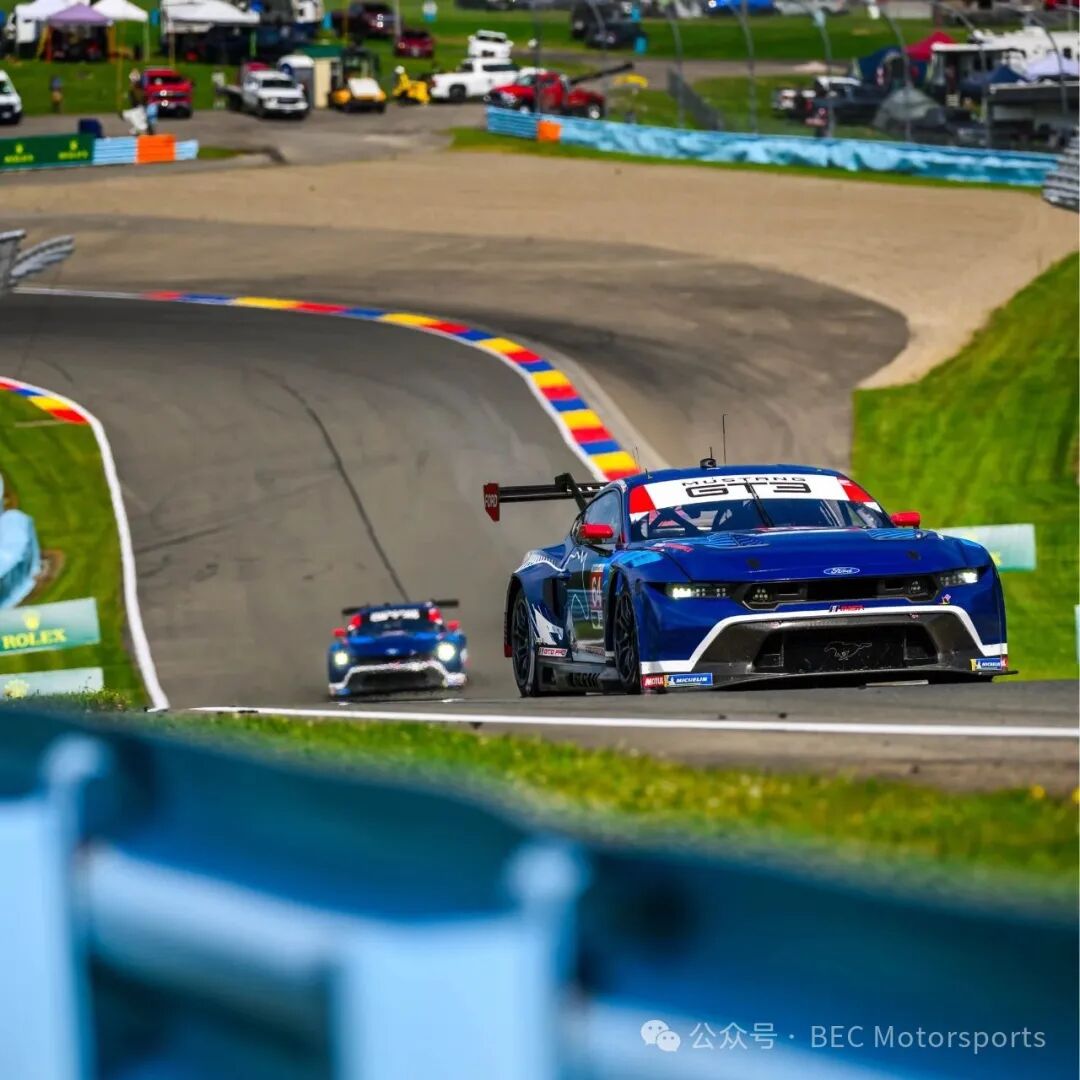
 The emergence of torque sensors as a Balance of Performance (BoP) tool seems to be a direct solution to curb engine development upgrades. At first glance, precise sensor monitoring of the preset power curve and maximum power limits should achieve this goal. After all, testing the engine on a dynamometer before the season and producing a compliant power curve document sounds great, but even the slightest change in real-world conditions can quickly render these standards invalid.
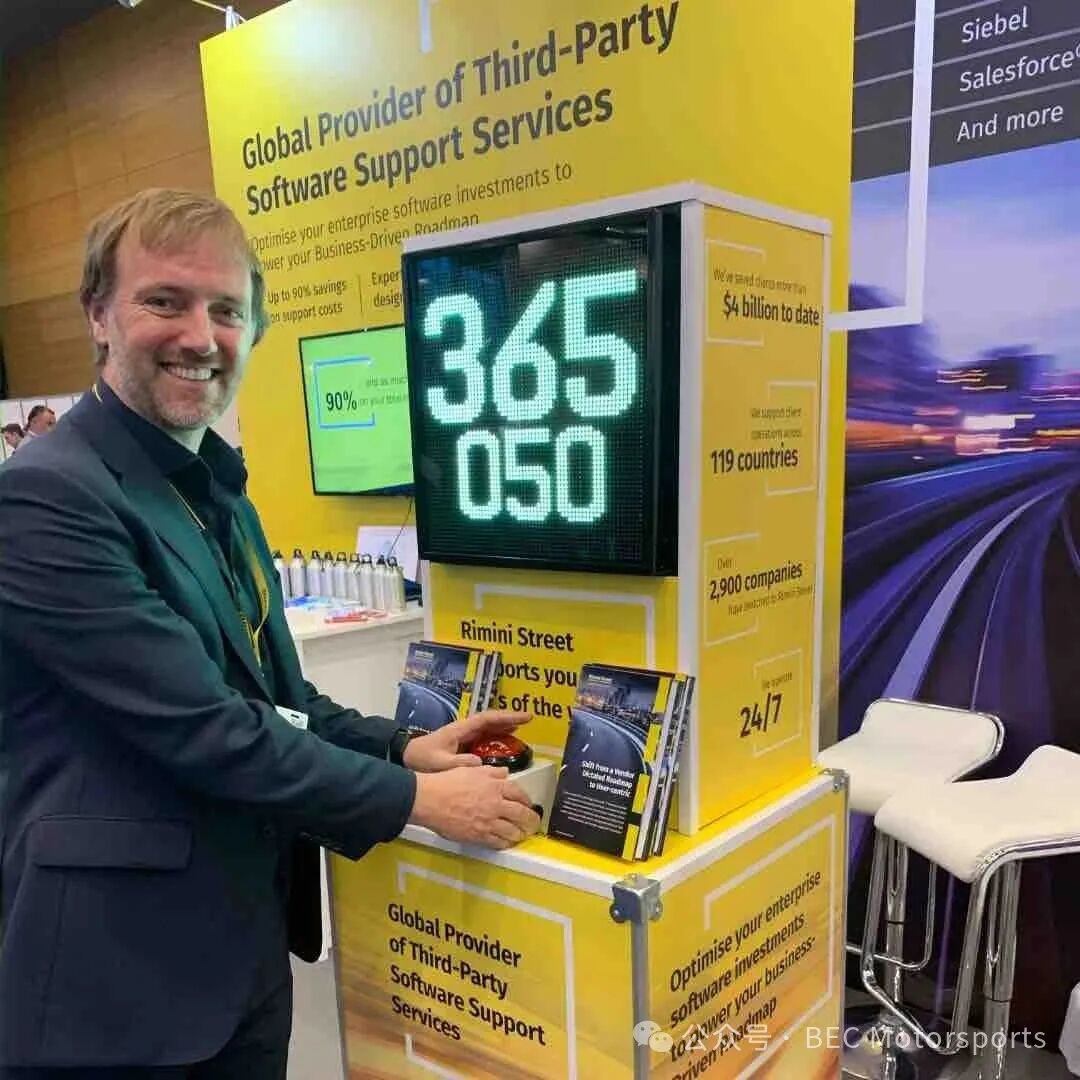 However, this is racing. If there are boundaries to the rules, there will always be someone to challenge them. Lauren Mills from “Racecar Engineering” aptly describes it: using BoP and torque sensors is like a “timing game” in an amusement park—whoever gets closest to 100 seconds wins. In racing, this “100” becomes the power limit. Engineers aim to get as close to this limit as possible—falling short means losing performance potential, exceeding it may lead to penalties.In a world full of theory, the simplest solution is to use the output of the torque sensor as part of the closed-loop control of the powertrain: once the torque limit is reached, the ECU automatically cuts off fuel supply or reduces the output of the hybrid system, seemingly solving the problem.
 The issue is that neither the hybrid systems of hypercars nor the traditional internal combustion engine (ICE) systems of GT3 have fully linear or instantaneous response characteristics. From the subtle differences in each combustion cycle to the elastic cumulative effects throughout the drivetrain, getting “just right” near the torque limit is not easy. And the hidden technological development war unfolds: even extracting a thousandth of a power more than the competitor can determine victory in endurance races.Physical Aspects
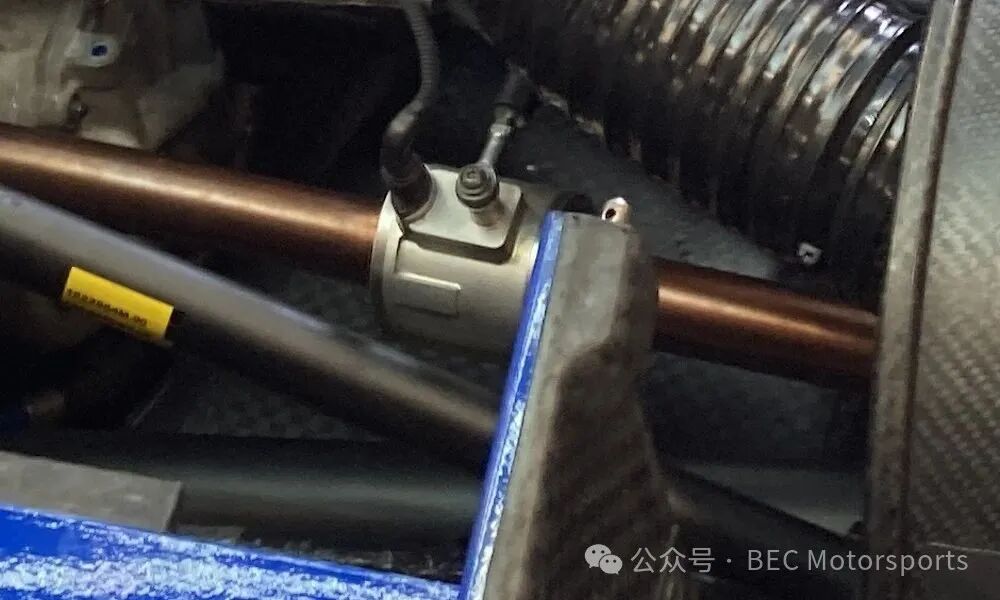
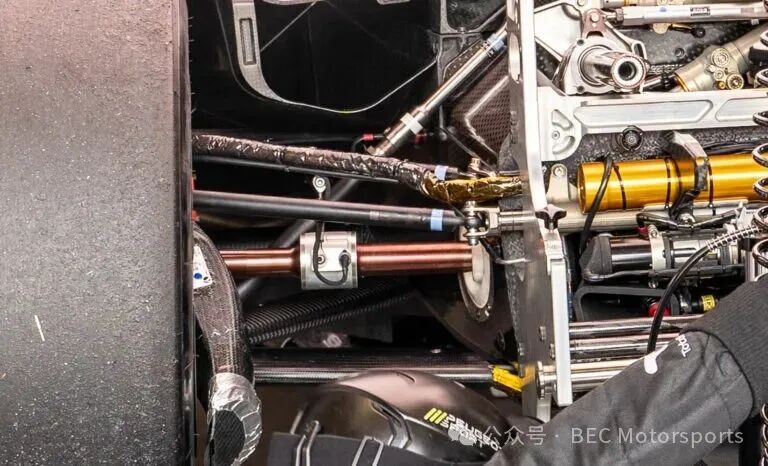 In LMDh/LMH and GT3, certified magnetoelastic torque sensors provided by MagCanica are installed on the drive shafts—two for rear-wheel drive and four for all-wheel drive.
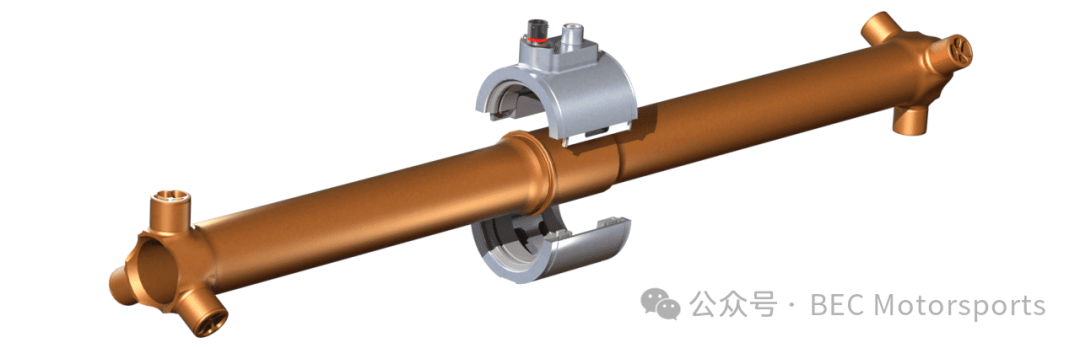 Porsche and BMW have adopted completely different vehicle architectures, each with its challenges, but both are continuously exploring ways to control torque sensors in the World Endurance Championship (WEC).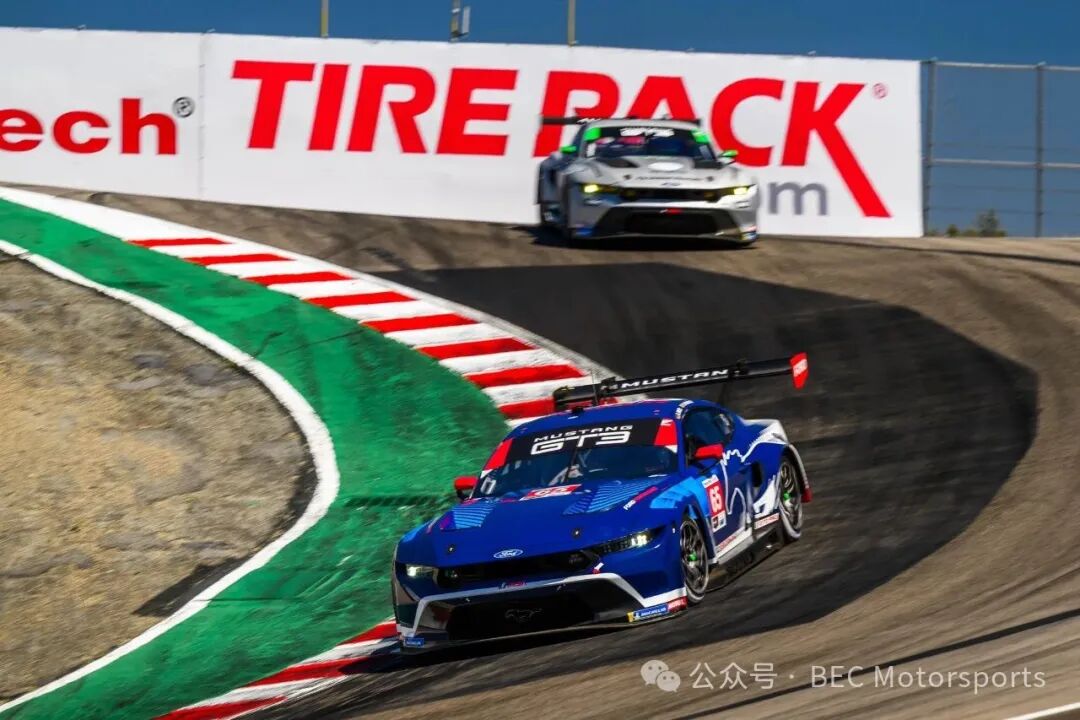
Even the simplest drivetrain layouts, such as mid-engine or rear-engine GT cars, include a torque transfer system: internal combustion engine (ICE), clutch, transmission, differential, drive shaft, and tires.
Calibrating the ICE alone to achieve stable predetermined power output on the dynamometer is relatively straightforward. However, once other factors are introduced, the situation becomes much more complex. Through discussions with engineers in the LMH and GT3 fields, they have spent considerable time understanding the impacts of various factors, from the aforementioned compliance to tire behavior and the effects of curbs.
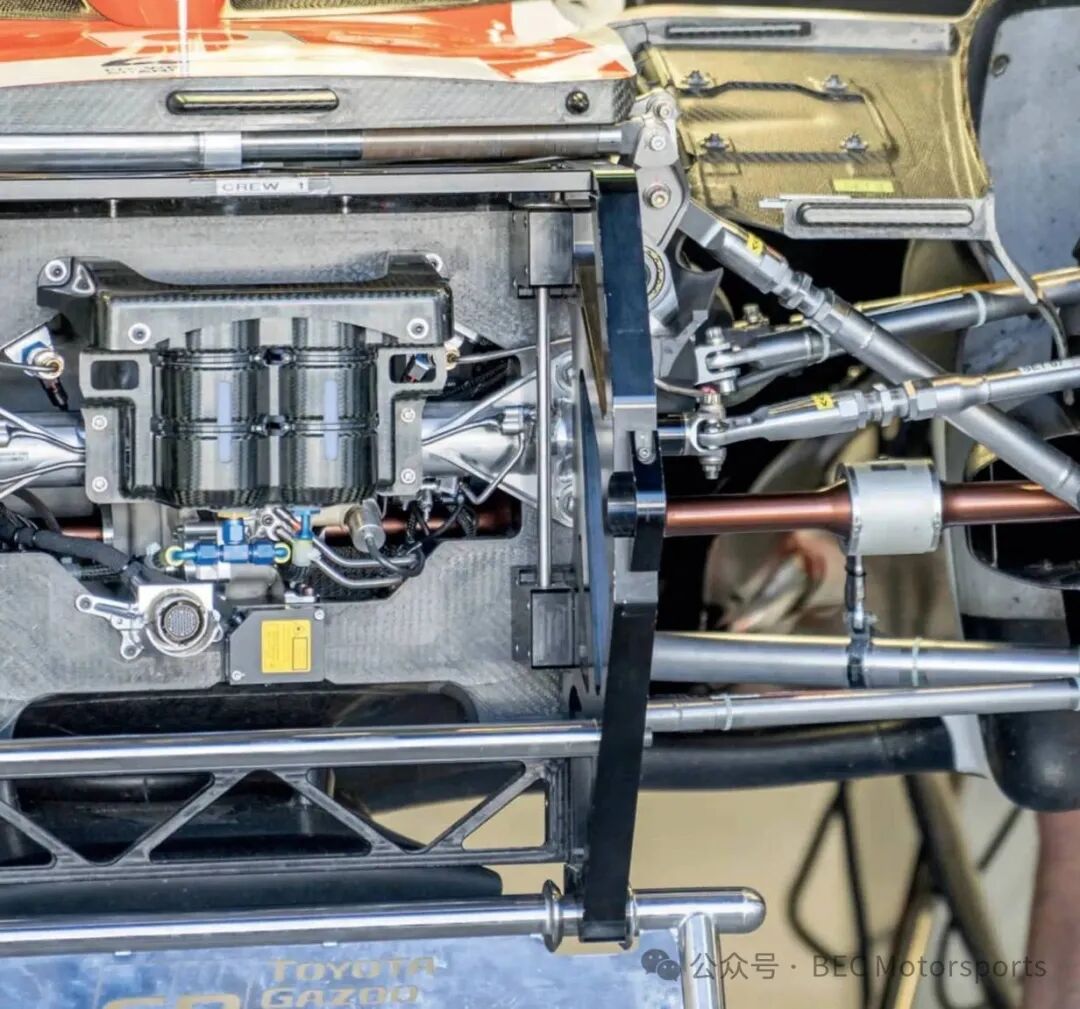
Every component of the drivetrain can behave like a spring, with varying stiffness from tires to drive shafts, even including internal components of the transmission. Tatuus’s CTO Leonardo Galante explained during his tenure at Lamborghini Squadra Corse in 2024: “Under stable conditions, such as on a straight, everything is relatively easy to control; but when accelerating out of a corner, the tires experience significant slip, which generates vibrations in the drivetrain. These vibrations are very difficult to control and can easily exceed the limits. This phase is crucial.”
The varying stiffness of each component in the drivetrain plays a critical role here. As the tires twist, slip, regain grip, and twist again, the amplitude of the vibrations is influenced to some extent by the stiffness of each component. Therefore, to operate near the torque limit, teams must have a deep understanding of the interactions within the drivetrain to build models and use those models to guide the calibration of the powertrain.
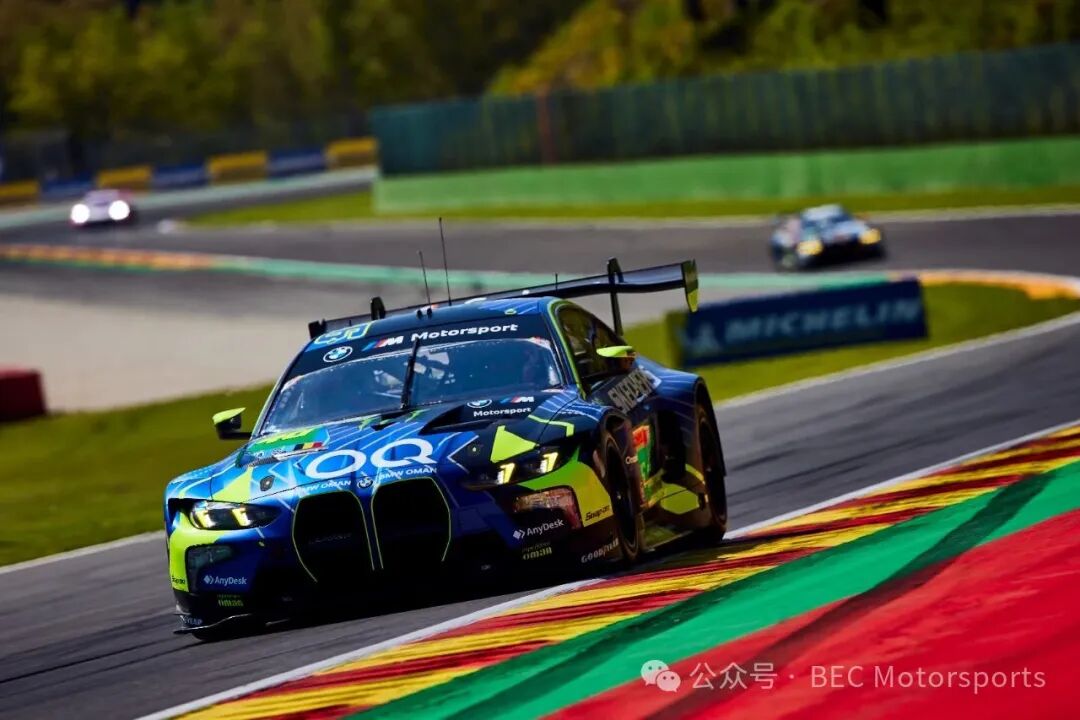
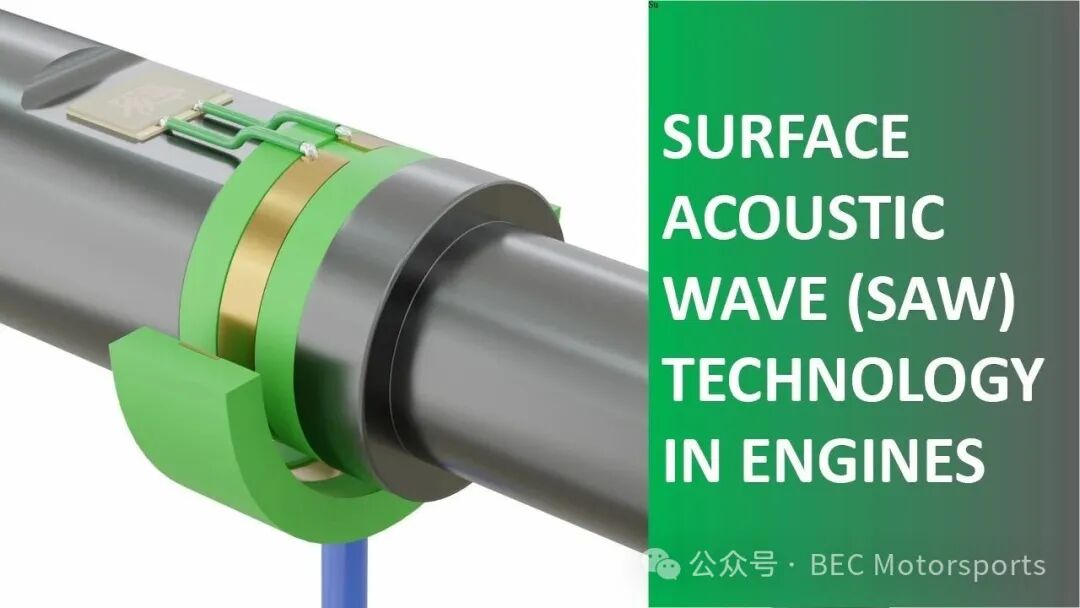
The more complex the drivetrain, the harder it is to control this balancing act. If it is a front-engine, rear-wheel-drive GT car with a long drive shaft, it introduces additional flexible areas. This is likely why some teams install additional surface acoustic wave (SAW) type torque sensors on their race cars to provide actual data on these vibrations, which can be used as input references for control strategies.
 Complexity of Hybrid Systems
With the introduction of hybrid systems, the situation becomes both simpler and more complex. Taking the LMH platform as an example, with a front-mounted MGU (motor) and a rear-mounted ICE layout, theoretically, operating below the torque limit is easier, provided that your stint allows MGU deployment (according to the rules, the minimum deployment speed for LMH is 190 km/h). If the MGU is in use, any established torque limit strategy can leverage the motor’s faster response, theoretically allowing for a more aggressive approach to the maximum torque.
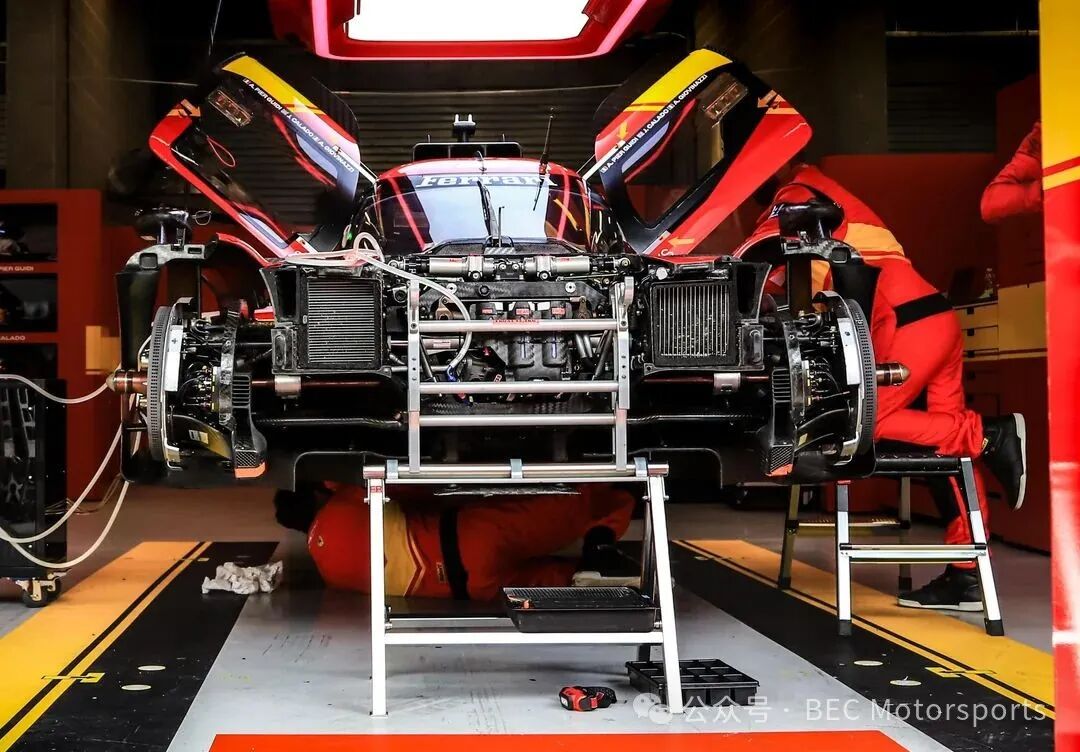
However, LMH manufacturers believe that LMDh manufacturers have a greater advantage in controlling torque sensors, such as being more flexible in regulating power output curves.
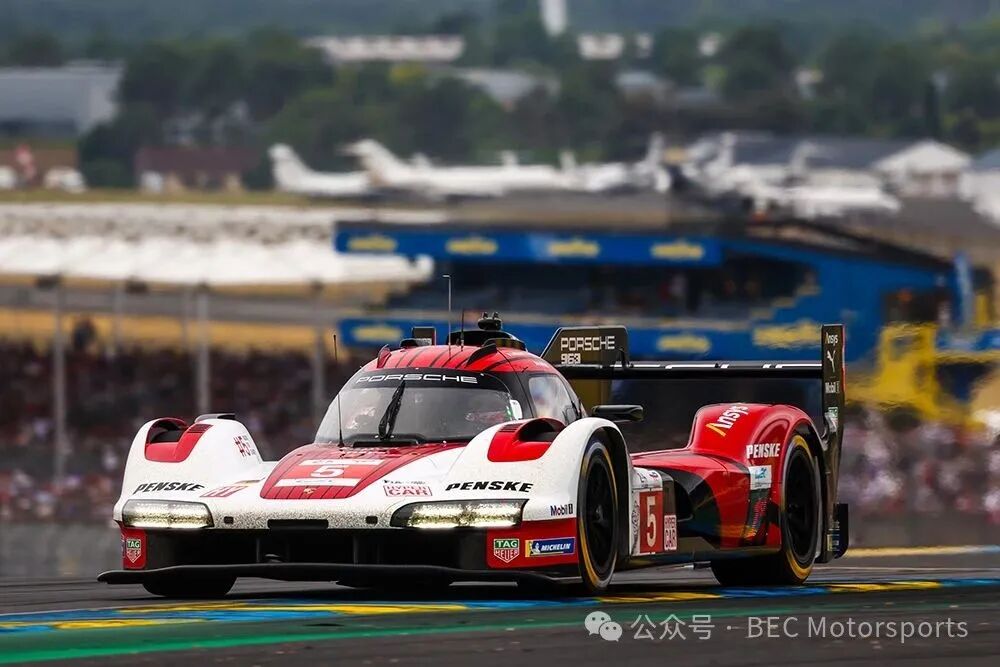
Porsche LMDh technical director Stefan Moser pointed out during discussions on the development of the 2024 963 race car powertrain that hybrid systems also bring additional complexity: “The problem is that the entire drivetrain needs to be calibrated because it is a combination of the motor and the internal combustion engine. This makes the system more complex, involving more personnel, more interfaces, and the motor’s control ECU is different from the ICE’s ECU; they must work together.”
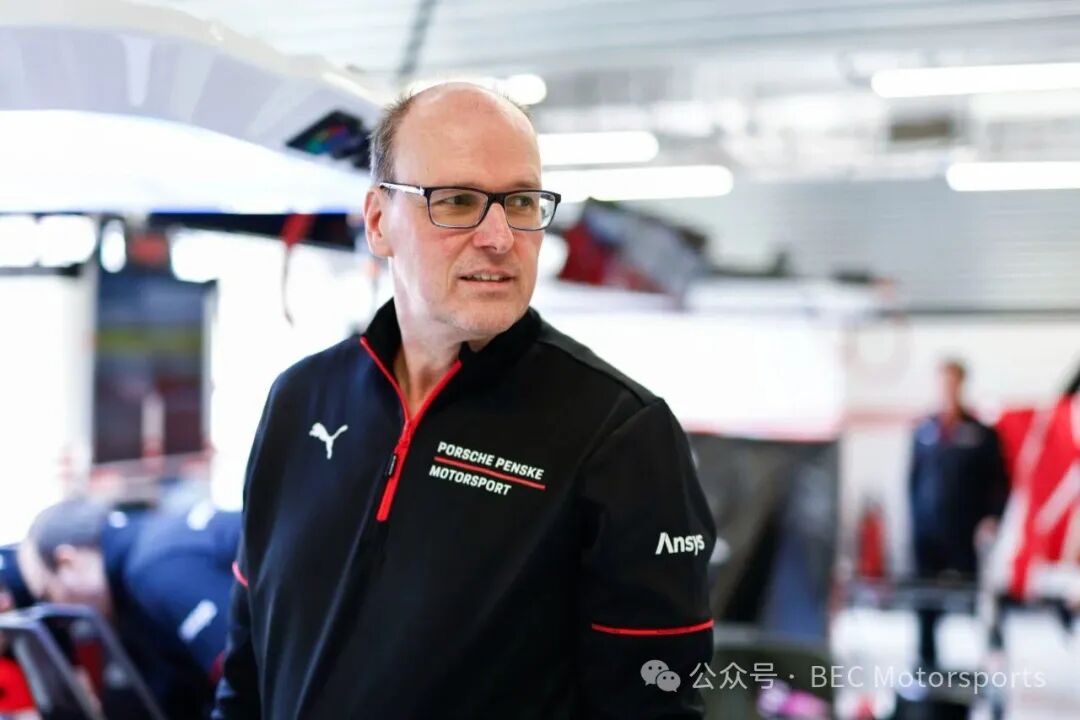
“The transmission itself is a significant mass, while the engine is on the other side. There is also a drive shaft in between. The interaction of these two masses generates vibrations, which is indeed a challenge.”
—— Stefan Moser, Porsche LMDh Technical Director
In the LMDh layout, the hybrid arrangement on the rear axle further increases the complexity of the dynamics. When the MGU is mounted on the transmission, the rotor mass also has an impact. Moser explained: “The weight on the transmission side is substantial, with the engine on the other end and a drive shaft in between. When you accelerate, the inertia at both ends interacts, and the drive shaft acts like a spring, generating vibrations.”
Incompleteness of the System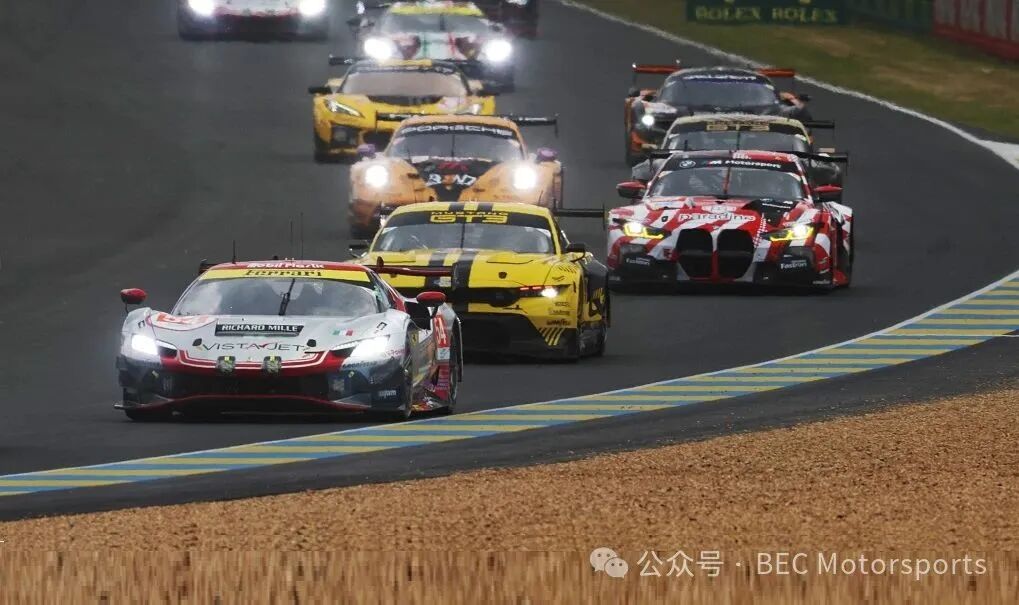 Even if you establish a perfect “digital twin” model of the drivetrain and use it for calibration, this is still not the complete answer. The tires and the track itself are constantly changing—whether due to the progression of the race or weather conditions. Teams also need to provide drivers with multiple control strategies to switch based on the situation during the race.Moreover, drivers have different driving styles, especially in multi-class battles, where they often need to take unconventional routes to deal with traffic congestion.
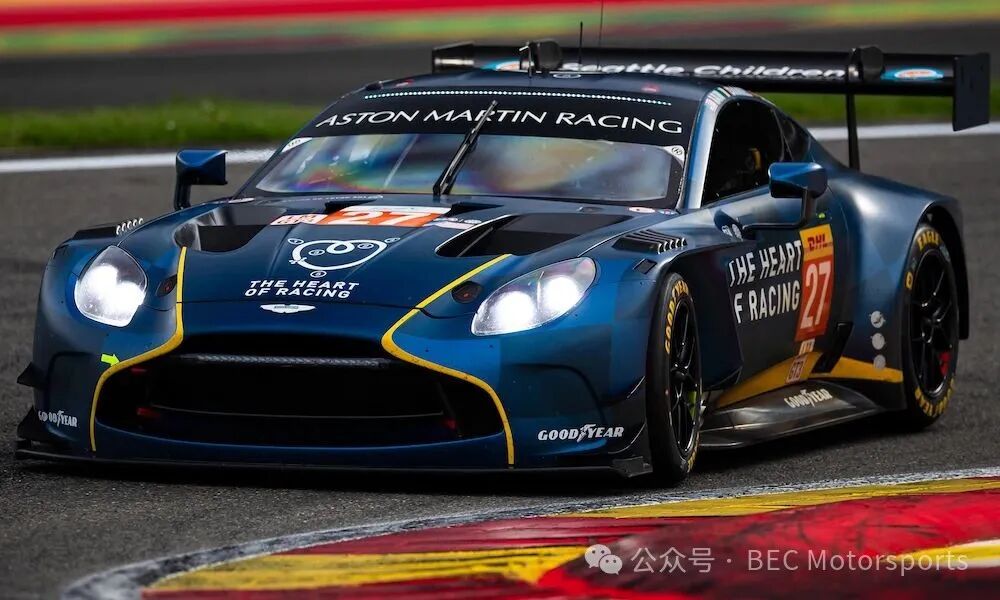 This leads to the “curb” issue. Especially for drivers who like to push to the limit, shifting on the curb can impose shock loads on the transmission. When the wheels leave the ground, the RPM rises rapidly, and upon regaining grip, a significant torque peak is generated.In strict BoP enforcement, these peaks must be avoided or compensated for as much as possible. Since the prescribed power limit is the integral of torque, RPM, and time, even very short peaks can be detected by the system. The system often reduces power immediately after the peak, but this means that the driver experiences a drop in power at the most critical acceleration phase out of the corner.
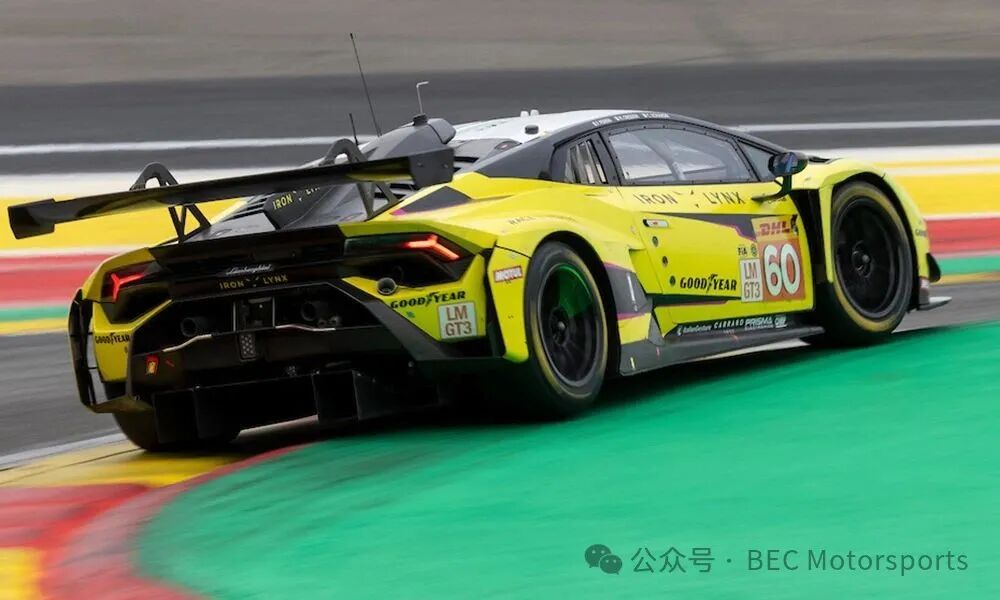 For example, in Lamborghini’s approach, drivers previously needed to manually switch between different control strategies between corners. Galante explained: “We set different control maps for every corner and even small segments of each track. If a corner is very critical, a more conservative control must be used; if the corner is relatively flat with high grip, power can be increased appropriately. Every race is different.”Of course, this presents a significant operational challenge for drivers, so it is said that most teams have automated control, no longer relying on drivers to make manual adjustments.Technological DownstreamingIn the FIA World Endurance Championship (WEC), teams vary in their understanding and application of torque sensors, but it is certain that almost all factory teams have invested significant resources to avoid falling behind in competition.
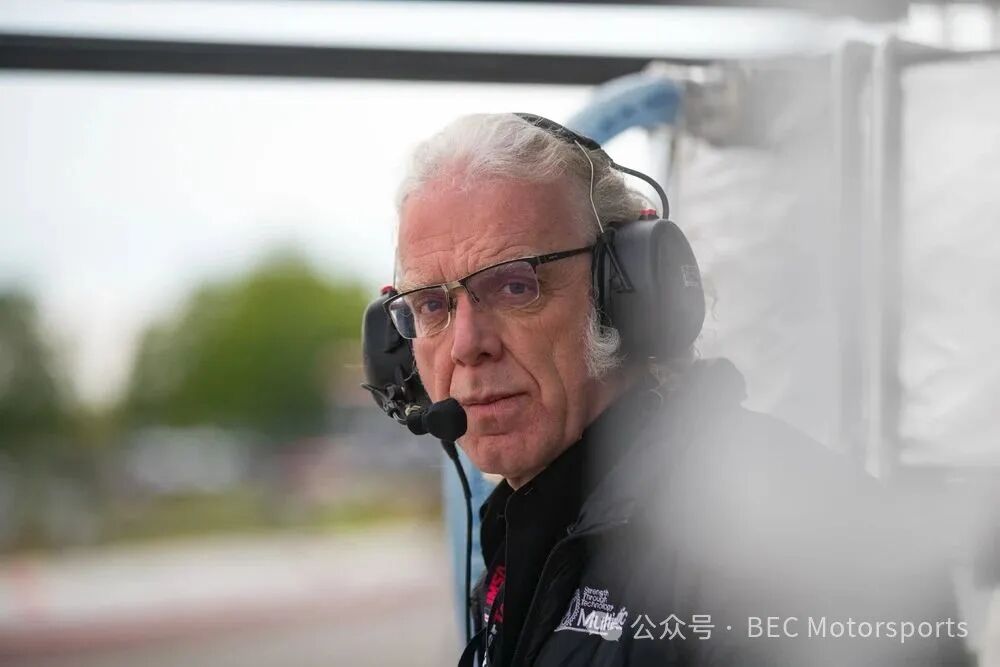 Multimatic’s executive consultant Larry Holt agrees. He recalled that during the early stages of the Ford Mustang GT3’s competition, the calibration work for the torque control system consumed a tremendous amount of effort: “Ford’s system is quite complex. We did participate, but the actual 100% control was in Ford’s hands, and they sent a very smart engineering team to tackle it. At Imola (the second round of the 2024 WEC), we didn’t even have any curb compensation. By the time we got to Le Mans (after further optimizing the system at Spa), we were already able to clearly know where we stood in relation to the target value and when the vehicle passed over the curb.”
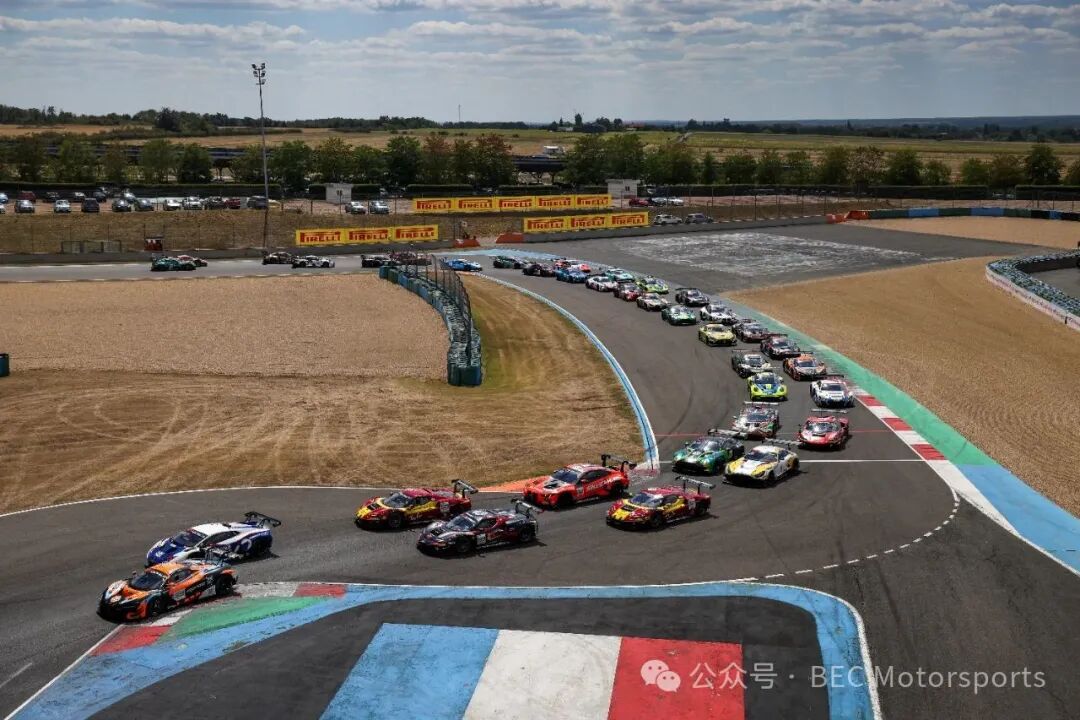 Since factory teams have invested such significant effort in developing these control strategies, how should the use of torque sensors be implemented in the broader customer GT world? After all, there are significant disparities in technical capabilities among different teams and manufacturers. In this case, even if the BoP regulations state “everyone is equal,” there will still be a differentiation between “those with resources” and “those without resources” in reality.
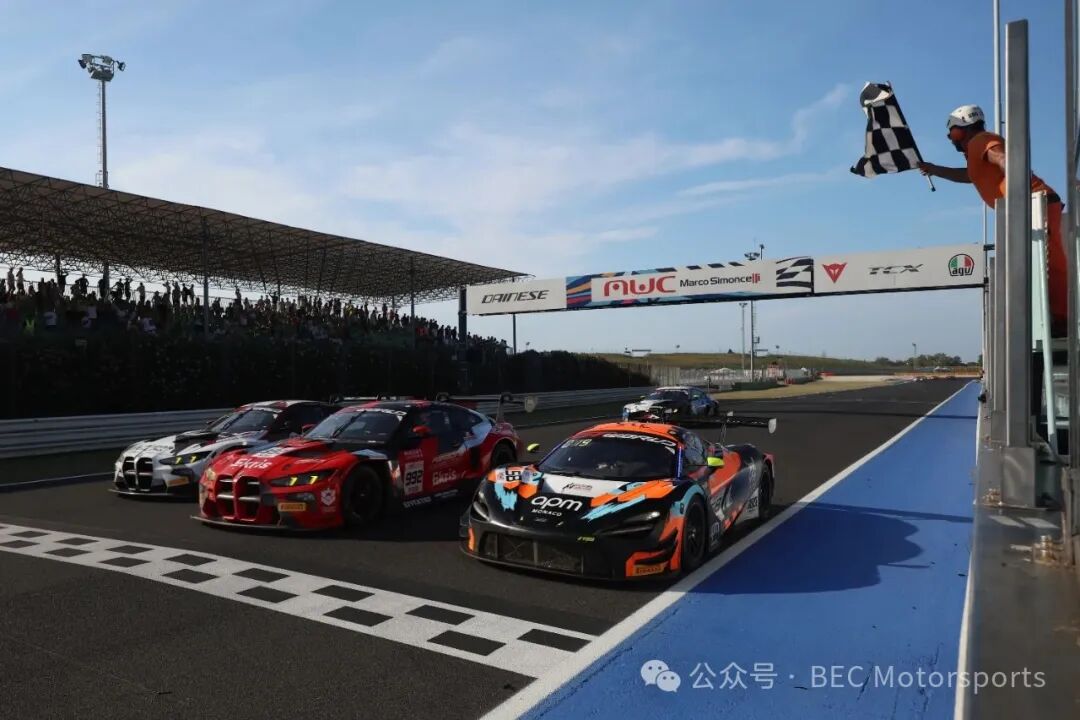 A simple solution is to prohibit teams from using torque sensor signals as control inputs and ignore those torque peaks that do not contribute to actual performance. Instead, regulators could develop a monitoring algorithm to smooth these peaks and correlate them with track positions. After all, curbs are not moving targets, and the track positions of each car in most series can be accurately tracked. This way, a comparison of the power curve under stable conditions can be made, and if a team exceeds the limit, they will be penalized directly.Of course, there are still significant practical issues, including the not insignificant upfront investment cost of torque sensors and the long-term operational maintenance costs. Not to mention, teams will always find ways to exploit gray areas in the rules. However, this approach could still eliminate the most intense “development arms race” in the WEC over the past few years, leading to a fairer, more controllable, and cost-effective BoP environment.Further Reading
Currently, most participants in motorsport agree that torque sensors are essential for monitoring and balancing the performance differences of vastly different powertrains, but how to introduce them across different racing series without significantly increasing costs is the core challenge at present. At the moment, only manufacturer-backed projects—such as the FIA World Endurance Championship (WEC)—have adopted torque sensors on the drive shafts and incorporated them into closed-loop systems, where the ECU directly controls torque based on sensor feedback signals. IndyCar is also using this system, but it employs input shaft sensors, which are said to have lower operational costs.
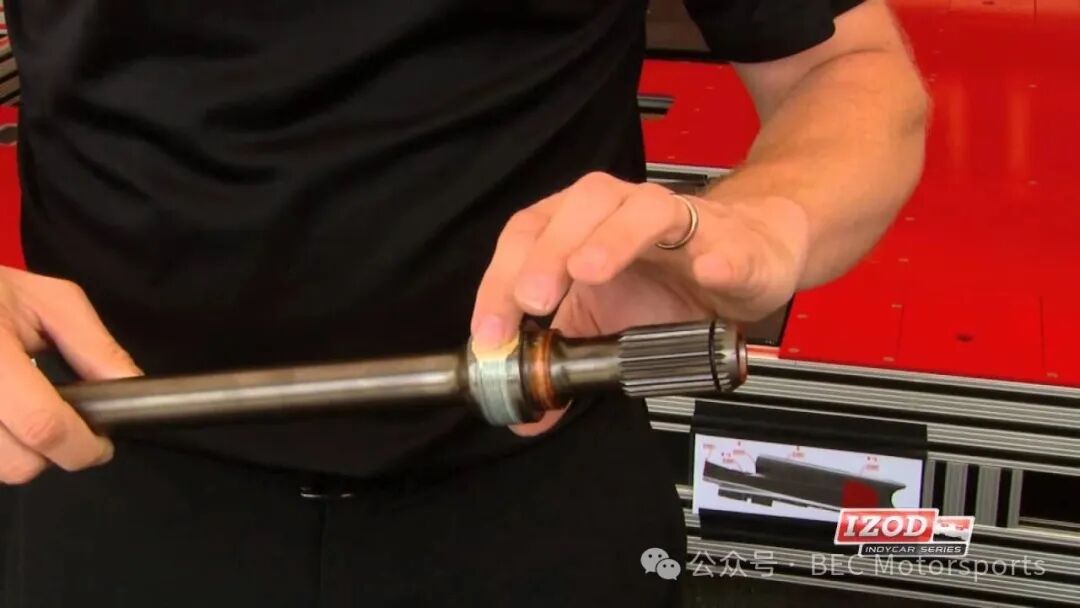
Even within closed-loop systems, there are various control strategies. One is to program the ECU to predict track layouts, track conditions, and tire states, and proactively respond to potential torque demand peaks. This method is undoubtedly the most complex and expensive, but it can yield faster lap times.
The second method is to allow the car to automatically respond to specific inputs. For example, when the vehicle passes over a curb or encounters bumps, the system automatically reduces torque demand. This method may lead to slower lap times and a less comfortable driving experience, but it is a viable alternative for teams that cannot afford the predictive method.
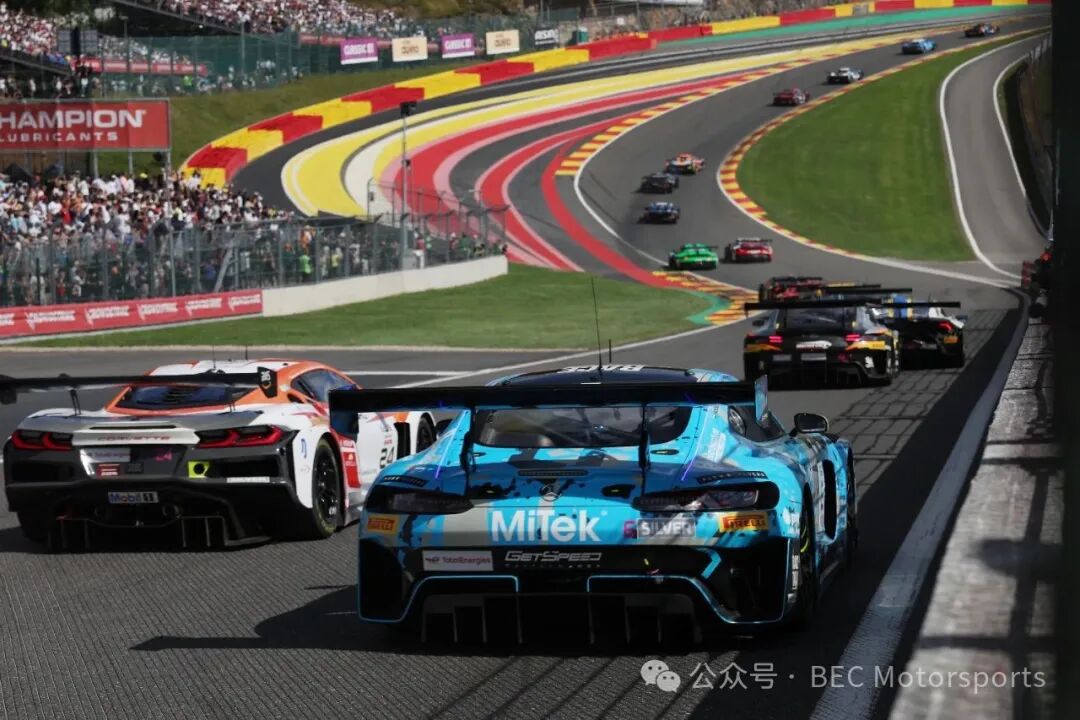
For customer GT events, using open-loop systems may be the best compromise between monitoring power output and controlling costs, but at the cost of reduced monitoring accuracy. Open-loop systems do not require teams to invest additional engineering resources and do not interfere with vehicle management—in fact, such interference may even be prohibited. Teams will still receive the relevant BoP parameters as they do now, and the monitoring system will only be used by the event regulatory body. This method has lower participation, is faster to install, and is less costly. It may not be perfect, but customer racing should not overly pursue that “tenth of a second” limit.
Translator: Bruno QiAuthor: Lawrence ButcherSource: “Racecar Engineering” September 2025 Issue
All images and videos are sourced from the internet
All visual materials are for editorial use only
This article was created by BEC Motorsports
Reproduction without permission is prohibited
Follow BEC Motorsports team members on Weibo
@祈小智
@BECMotorsports-Eric
@BECMotors-Cheng

Click “Like” and “See” in the bottom right corner to support us!