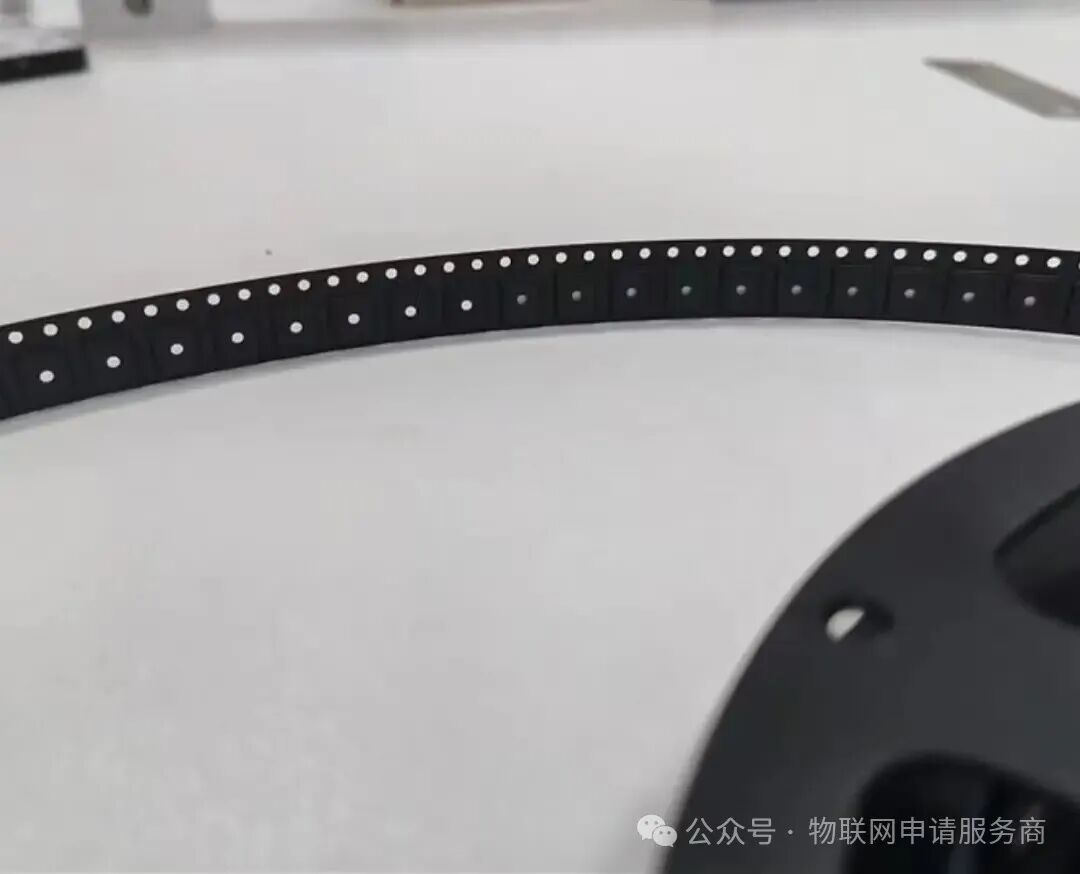
In today’s world, communication between machines is no longer a novelty. They seamlessly integrate into our daily lives, as natural as breathing. Behind these connections, IoT SIM cards play a silent yet crucial role. Unlike ordinary SIM cards, they are designed specifically for smart devices, being concise, efficient, and durable. For smart devices, connectivity is not just a function; it is the essence of their existence. The emergence of IoT SIM cards precisely addresses this need. They are unobtrusive yet significantly enhance communication between devices. So, what differences do IoT SIM cards bring? Perhaps we can appreciate their uniqueness from these aspects.
First is their stability. Ordinary SIM cards are often handled by users, which inevitably leads to removal, replacement, and other operations. In contrast, IoT SIM cards are embedded within devices for the long term; once installed, they often require no intervention for years or even longer. This stability is not coincidental but stems from the design intent—to provide devices with continuous, uninterrupted connectivity. With no frequent starts and stops, the signal is less likely to be interrupted, making data transmission more reliable. This constancy is precisely the foundation of many smart applications.
Secondly, there is their adaptability. Smart devices come in various forms and are widely distributed; some operate in motion, while others are deeply embedded in fixed corners. IoT SIM cards can adapt to multiple network environments, maintaining connection resilience whether in remote areas or under complex signal conditions. They do not pursue the highest speed but emphasize availability. This characteristic of being “available everywhere” allows devices to stay online and quietly perform tasks, regardless of their location.
Finally, there is their simplicity. IoT SIM cards typically use dedicated network channels, connecting directly to enterprise platforms, with data transmission not passing through complex public network paths. This results in shorter, more direct routes, reducing interference from intermediary steps. For devices, this means lower latency and less energy consumption. They do not need to reconnect frequently or deal with unnecessary network exchanges; they can focus solely on completing their missions.
These advantages are not about dramatic changes but rather a quiet and continuous support. IoT SIM cards do not make noise but truly understand how smart devices operate—they do not require frequent interactions but crave stability; they do not seek extreme speed but demand to be always online; they do not wish to waste resources but need to work for a long time. It is these characteristics that make IoT SIM cards gradually become the preferred choice for connecting smart devices. They are like a silent river, supporting countless devices to operate smoothly and making the world of IoT broader and deeper. In the future, as smart devices become more widespread, IoT SIM cards may evolve into new possibilities. But regardless of how the form changes, their core will always remain the same: to make connections simpler, more reliable, and longer-lasting.