In emergency situations where communication is disrupted, high-throughput satellite internet machines (portable satellite stations) paired with drones can transmit aerial footage from the emergency site back to the command center via satellite links in a timely manner.
This solves the problem of returning high-definition video when mobile internet is rendered ineffective during such disruptions. However, in practical use, we found that the bitrate of drones is particularly high, reaching over 15Mbps at maximum. This puts pressure on the satellite internet return proxy.
At this point, we can configure a drone streaming gateway to address this issue. So, how do we set up the network in this case?
On-Site Connection
At the emergency site, when faced with communication disruptions, a portable satellite station can be quickly deployed. Here, we take the Wangling satellite internet machine as an example, which is a high-throughput portable satellite station utilizing Asia-Pacific 6D satellite resources, generally providing an uplink bandwidth of 2M or 5M.
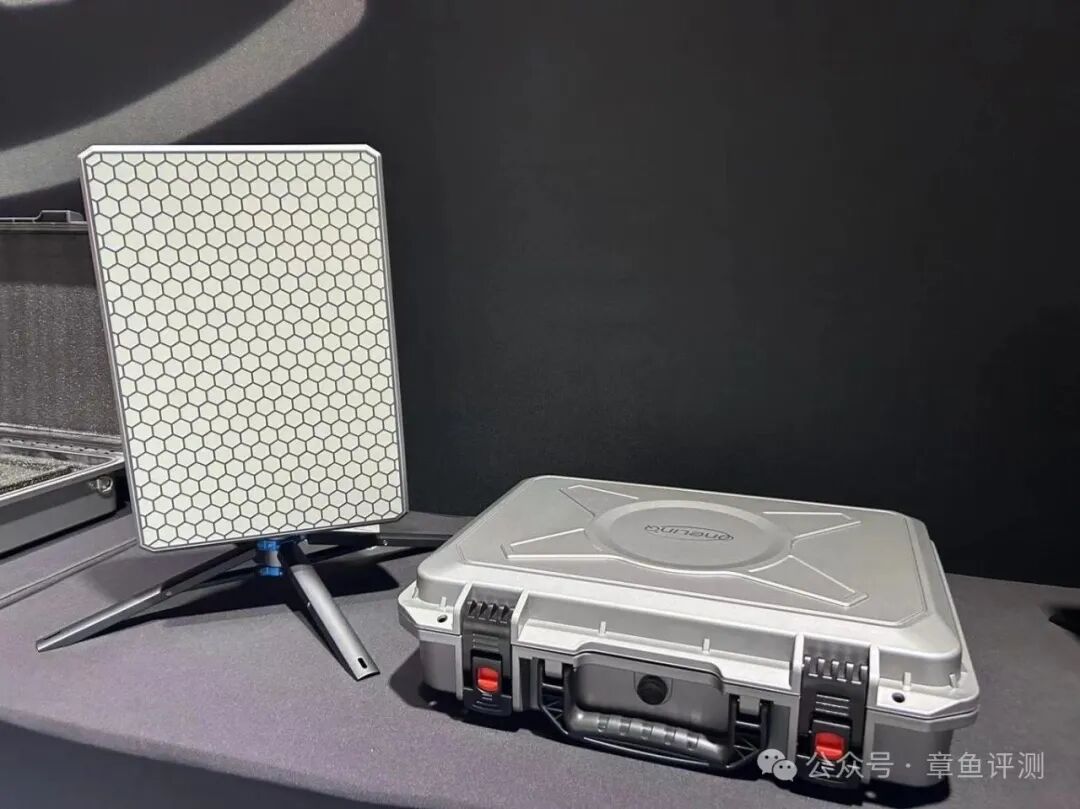
Wangling Satellite Internet Machine
This satellite internet machine is very easy to use, being one of the smaller portable satellite stations on the market, and it features fully automatic satellite alignment. After deployment and powering on, you only need to wait for the satellite alignment to complete before it can be used. It also comes with a dedicated mobile app to check satellite status, signal strength, bandwidth capacity, and allows for mobile app-based data top-ups.
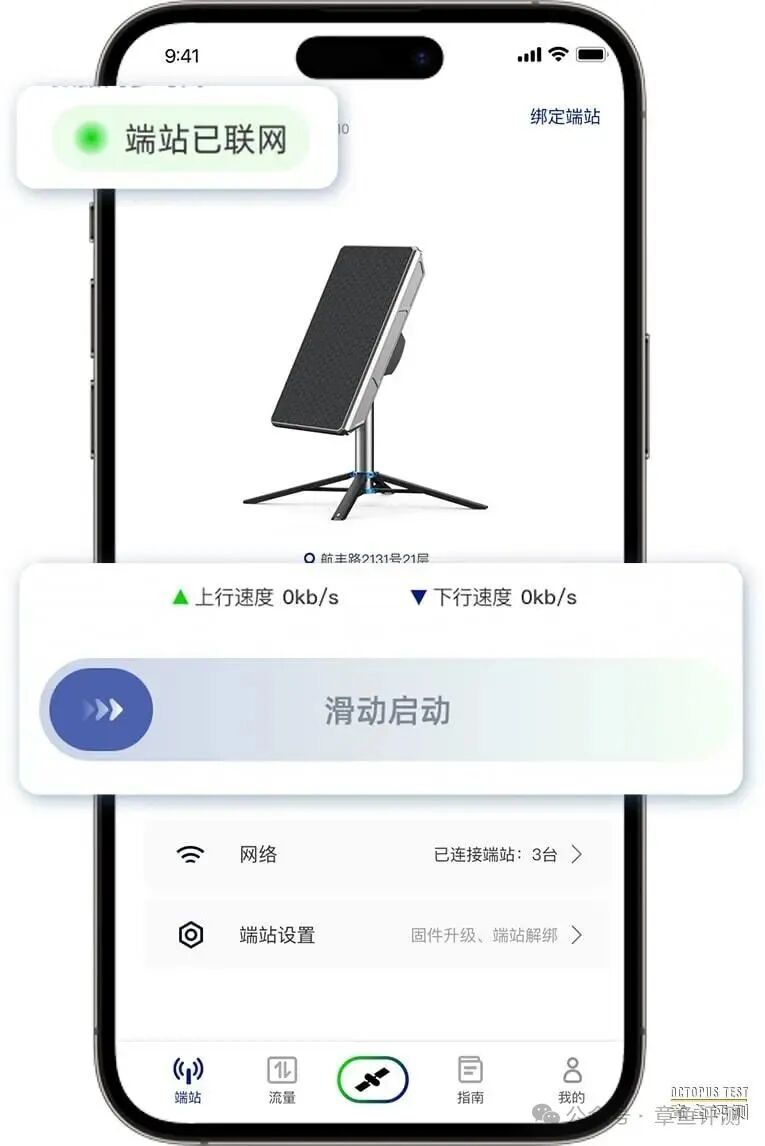
Satellite Internet Machine App
Once the satellite internet machine is deployed, simply connect one end of the network cable to the network port of the satellite internet machine and the other end to the network port of the Sizai Technology drone streaming gateway to start using it.
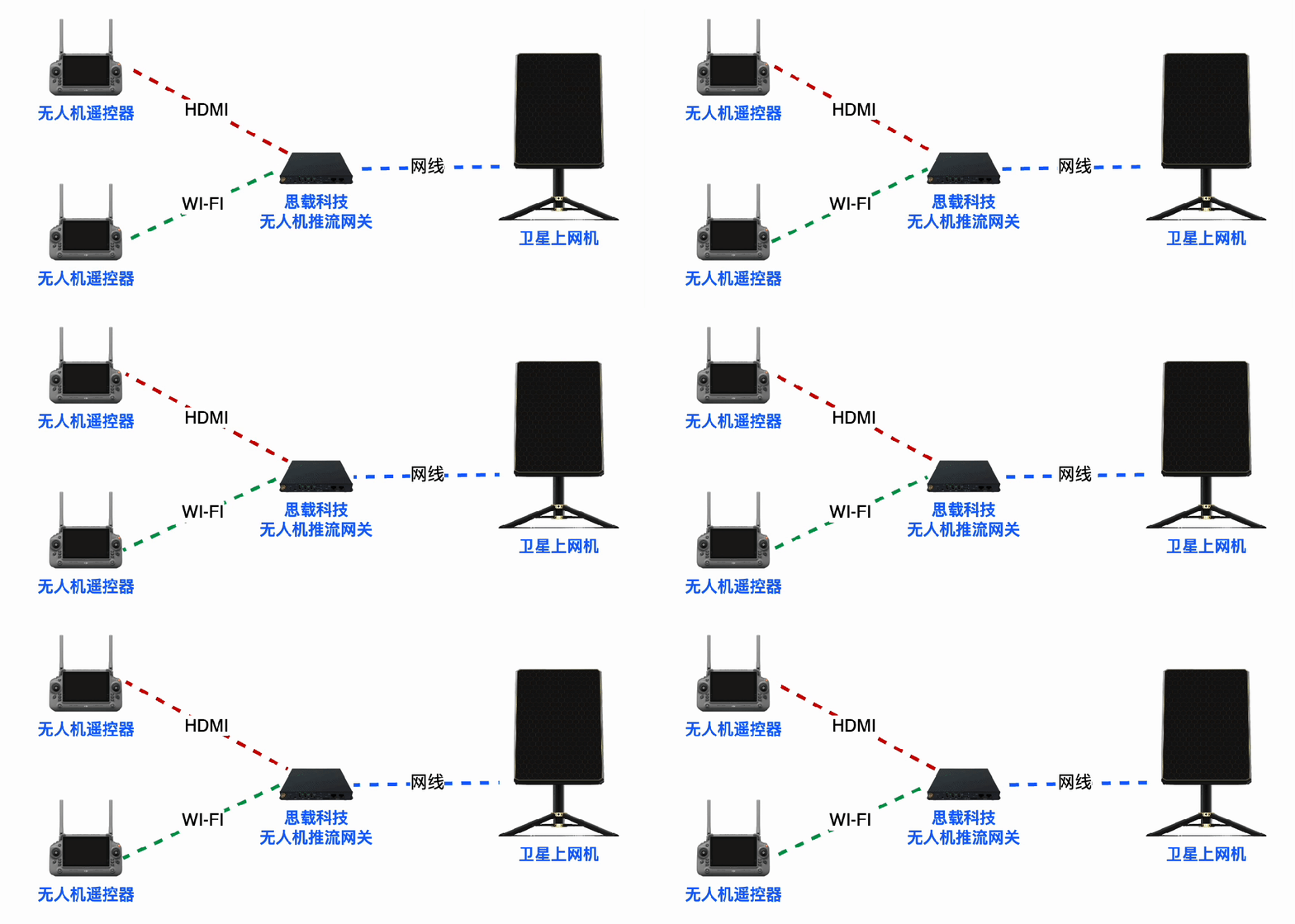
Simple Connection Method
The drone can connect directly to the Wi-Fi hotspot of the drone streaming gateway via the controller, allowing the drone video to be streamed directly to the gateway. It also supports HDMI connections, using the controller’s HDMI output to share video with the streaming gateway.
Based on pre-configured video compression parameters, once the network is connected, various compressed video ratios can be viewed on the system platform side, allowing users to select the desired compression ratio for the drone video based on actual conditions.
Advanced On-Site Applications
Of course, the drone streaming gateway can handle more than just drone video signals; the gateway can simultaneously process four video streams, allowing for the connection of control balls, recorders, visual phones, video conferencing terminals, and other devices on-site.
One device can solve multiple video capabilities for emergency sites and can be configured with various compression formats, allowing for flexible selection based on system needs.
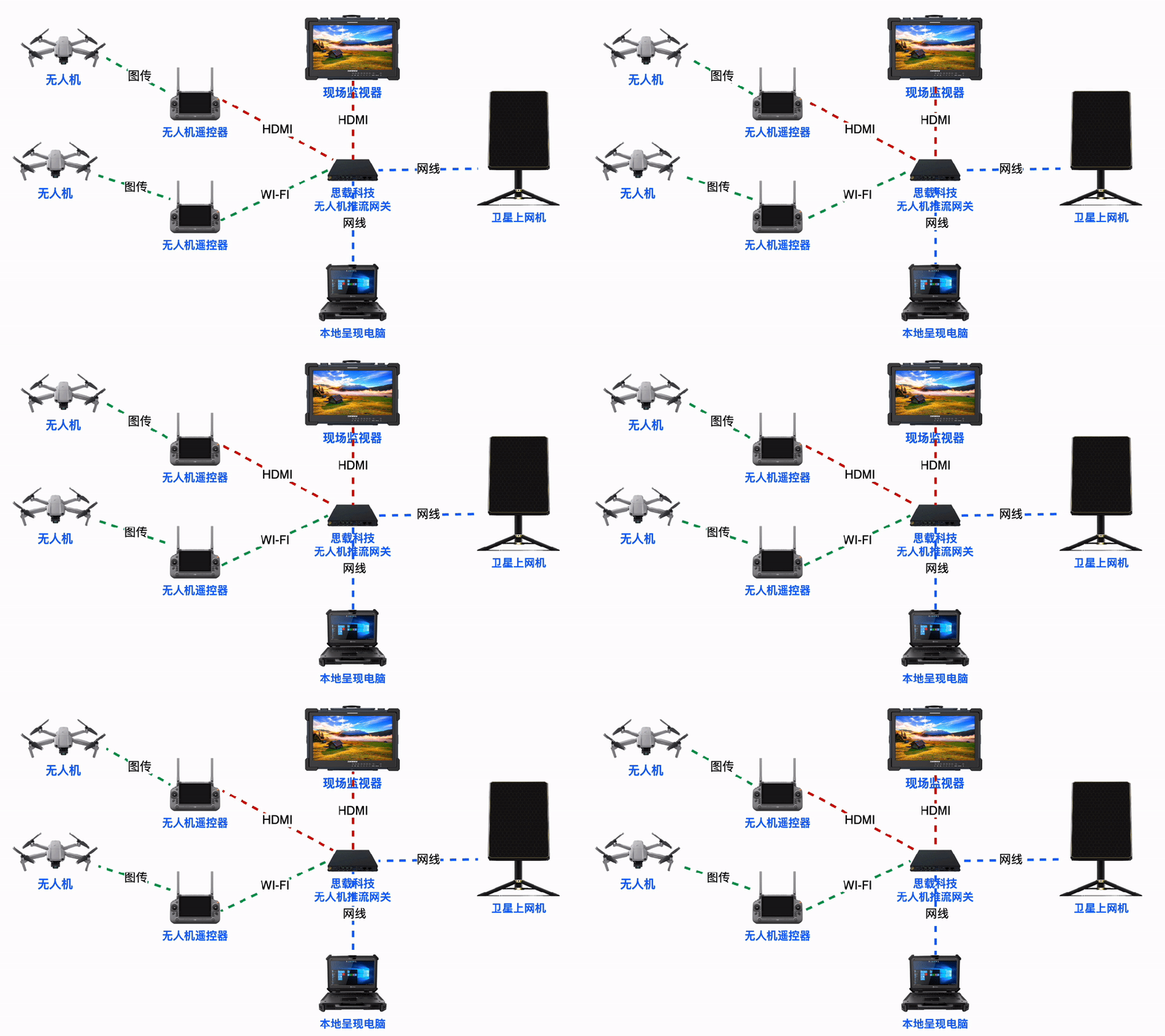
Streaming Gateway’s On-Site Sharing Capability
Additionally, at the emergency site, raw video can be viewed directly on a computer to grasp the actual situation of the on-site video. A portable display can also be configured to project real-time footage from the drone onto a larger screen, facilitating sharing and observation of aerial footage by emergency personnel, which is very meaningful.
Back-End Capabilities
The drone streaming gateway supports video transmission to other platforms. However, we recommend configuring a video access gateway on the system side specifically to receive video from the on-site drone streaming gateway. In this case, better and more stable video transmission can be achieved. It can also automatically adjust the transmission compression ratio based on bandwidth conditions.
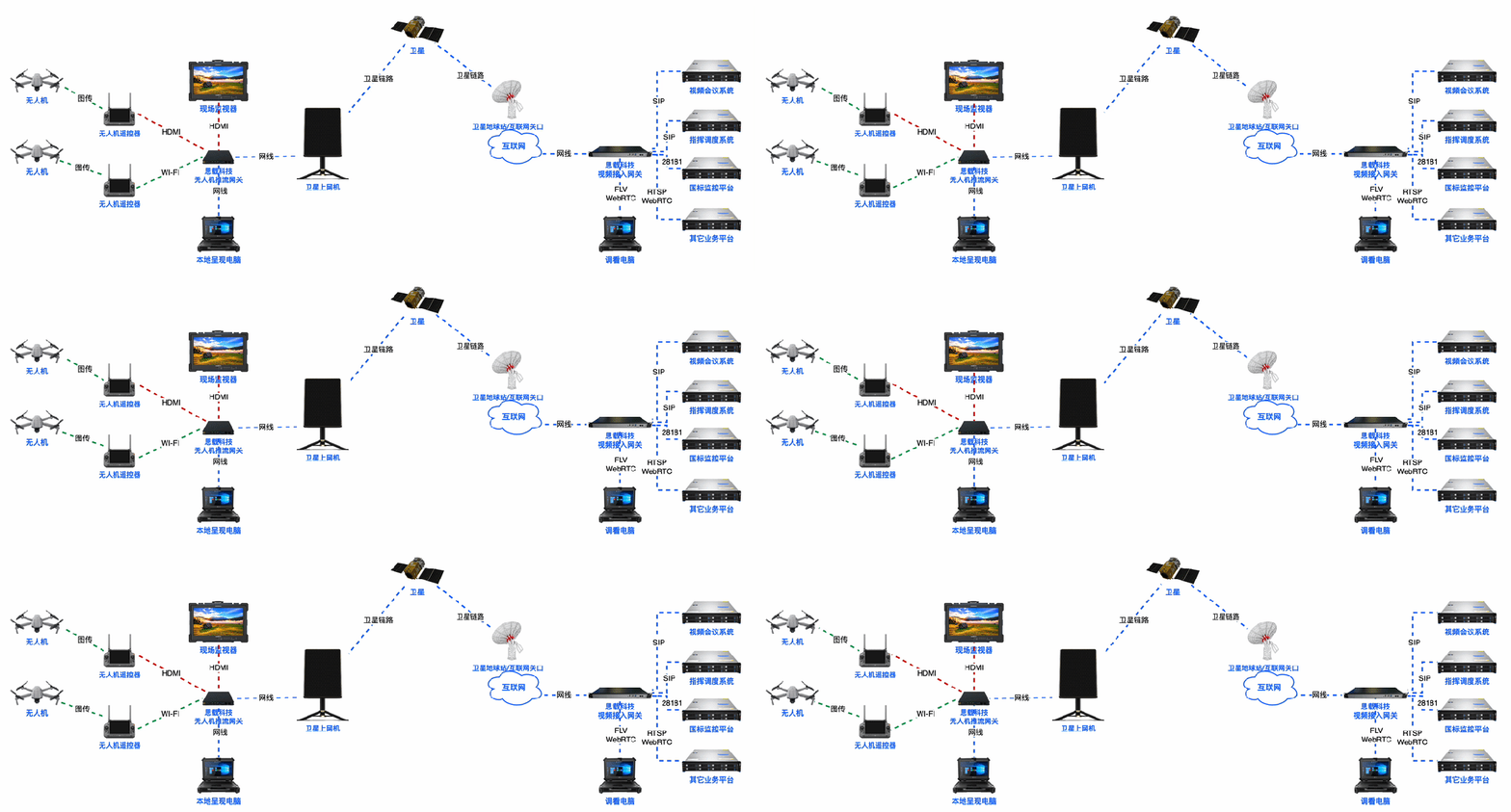
Complete Networking Architecture
Moreover, the video access gateway on the system side can share the received drone video using various streaming media protocols to other business platforms. It supports SIP for direct sharing with video conferencing systems and command dispatch systems. It supports GB28181 for direct integration with existing national standard monitoring platforms. It can also output RTSP to AI servers, command center decoders, and large screen applications. Of course, the video access gateway management interface allows for direct viewing, and it can also provide API interfaces for deeper business integration development.
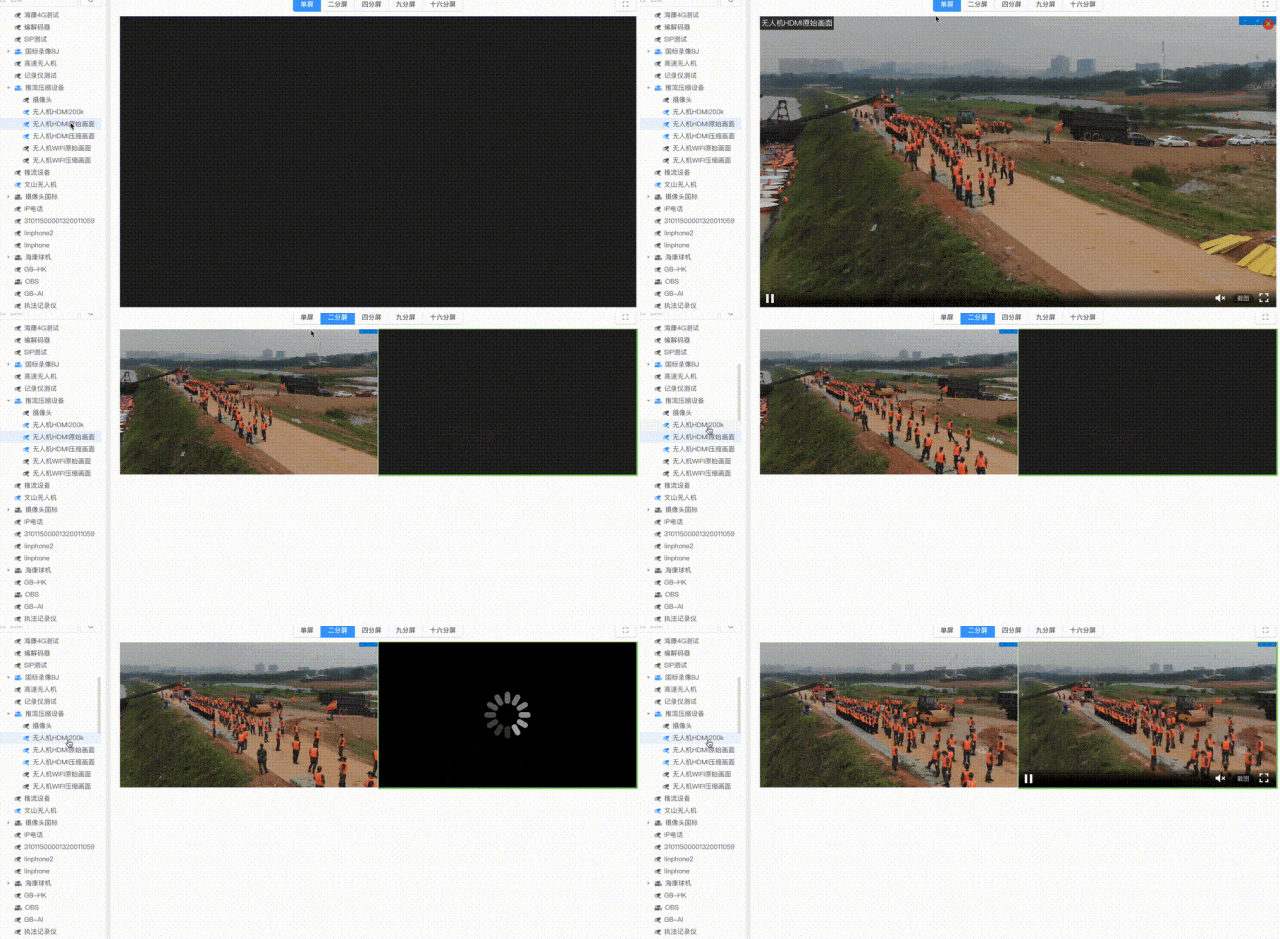
System Side Viewing of Raw and Compressed Video
In summary, the combination of the drone streaming gateway and the portable satellite station has become an essential tool for video return in emergency situations. Its capabilities extend beyond mere video return; it is a comprehensive video processing device that addresses various video access and processing needs in emergency environments, making video return smoother and simpler.
Previous Recommendations
Three-piece communication equipment set for flood prevention and rescue, making video return in “three disruptions” scenarios smoother.
Two networking methods for drone satellite video transmission.
Methods for high-compression return of drone video via satellite link using the drone streaming gateway.
Building an in-vehicle audio and video aggregation system for emergency command vehicles.
Octopus Review
Long press to add WeChat | jasonbeen
Looking forward to communicating with you!
Focus on audio and video processing, drones, emergency communication, satellite communication, IoT, artificial intelligence, smart integration, and share industry-oriented products and solutions.