When red wine ages on the blockchain

Fine wine merchants may have never imagined that the Bordeaux wine in their cellars is participating in a financial experiment.
 On a summer morning in 2025, this wine trading company serving high-end hotels faces a sweet dilemma:
Christmas orders surge, and the inventory of fine wines worth 8 million HKD in the bonded warehouse occupies a large amount of working capital, while traditional cross-border trade finance requires a 28-day approval cycle, with comprehensive funding costs up to 25% above the LPR benchmark. Just as the CFO is about to sign a mortgage agreement, a new innovative solution quietly emerges, allowing the company to obtain turnover funds the next day by converting the bonded warehouse red wine into digital warehouse receipts, reducing comprehensive costs by 26%.
This is not magic, but a chemical reaction produced by the combination of stablecoins and RWA (Real World Assets).
01
Code RefactoringThe HKD stablecoin launched by JD.com is essentially a “digital HKD” built on the blockchain.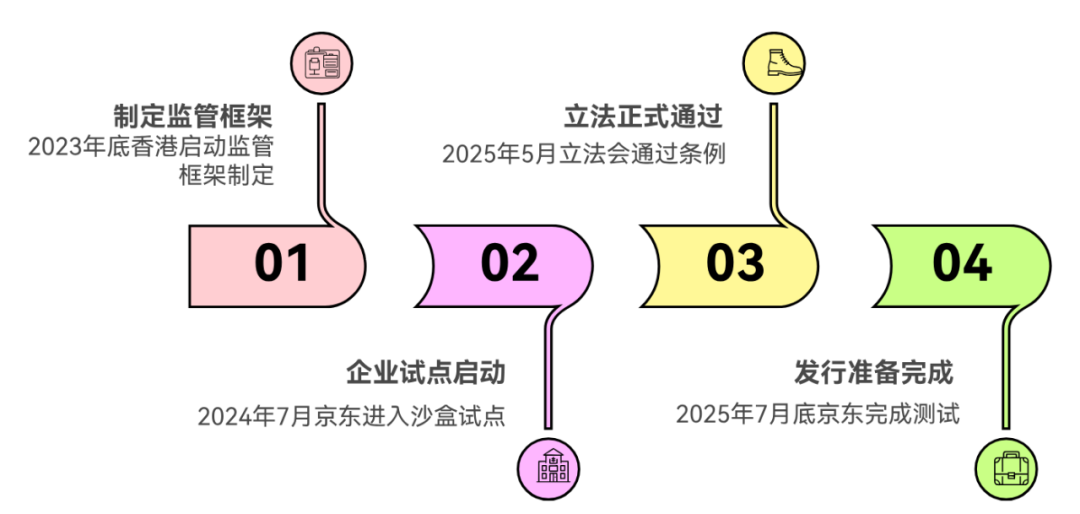
The JD stablecoin will be pegged to the HKD, maintaining value stability at a 1:1 ratio. This means that for every JD stablecoin issued, there is a reserve asset equivalent to 1 HKD backing it, and it is audited daily.
This design cleverly overcomes the core pain points in high-end goods trade:the balance between asset authenticity verification and liquidity contradiction.When the red wine enters the temperature and humidity-controlled bonded warehouse, IoT sensors immediately start working:temperature, humidity, and vibration data are recorded on the blockchain in real-time, giving each bottle of wine an immutable digital identity. These Cabernet Sauvignons sleeping in oak barrels suddenly gain the ability to breathe through code.
02
AI Risk ControlWhat is truly astonishing is the risk control system hidden behind the scenes.Traditional financial institutions rely on collateral assessment and corporate credit, while JD’s AI system has built a five-dimensional assessment network: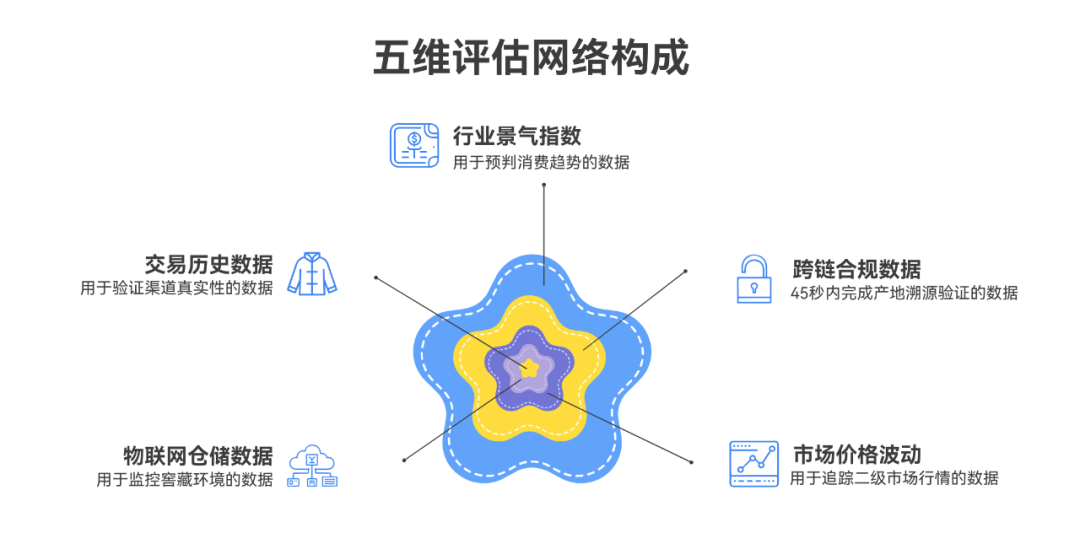 The winery, with a stable price performance over 36 months, receives an automatically increased pledge rate from the system, which would require years of credit accumulation in traditional auction houses.
03
Reconstructing TradeBlockchain technology support has reduced cross-border settlement from 3 days to 15 seconds, with a settlement fee rate of 0.018%, only one-sixth of the traditional rate.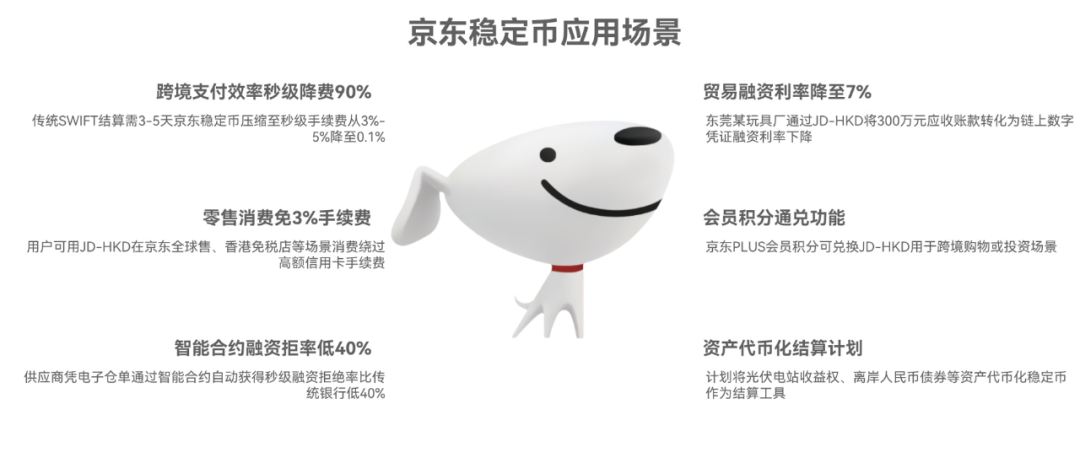 Even more revolutionary is the “dynamic valuation” mechanism: the cellar value is automatically updated quarterly, and the contract dynamically adjusts the pledge amount based on market conditions.This model is reshaping the financial landscape of fine goods trade.Practices in Hong Kong’s free trade zone show that small and medium-sized wine merchants can obtain financial conditions similar to those of large traders, relying not on company size, but on asset scarcity and market liquidity data.
04
Innovative ComplianceThe Hong Kong Monetary Authority requires stablecoin issuers to maintain a strict reserve system, and JD’s innovative solution is to build a multi-level asset verification framework that meets both food regulatory requirements and financial compliance standards.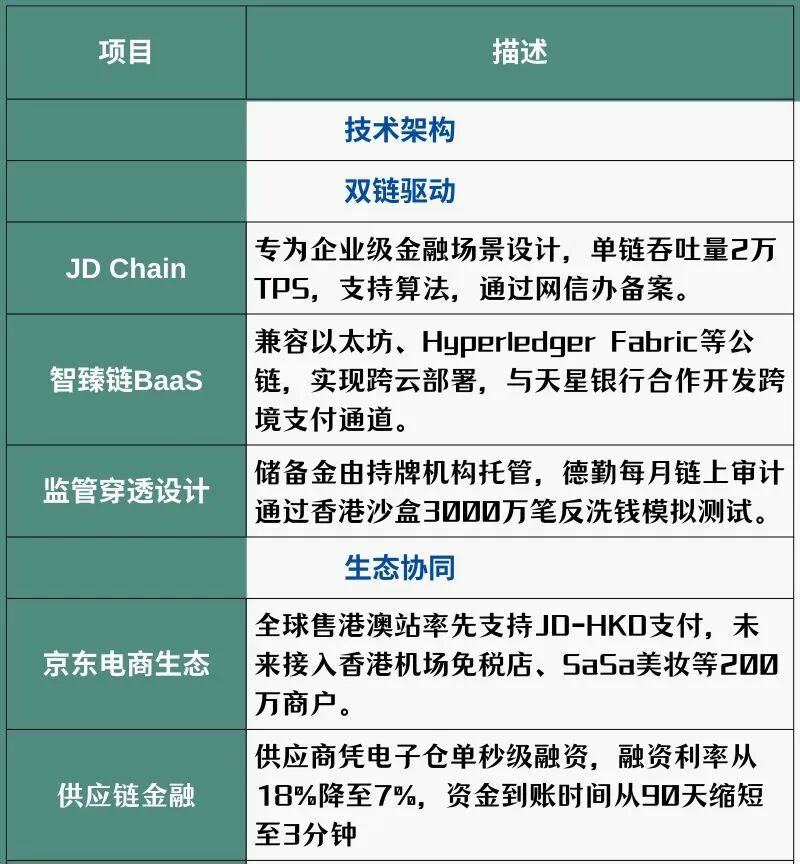
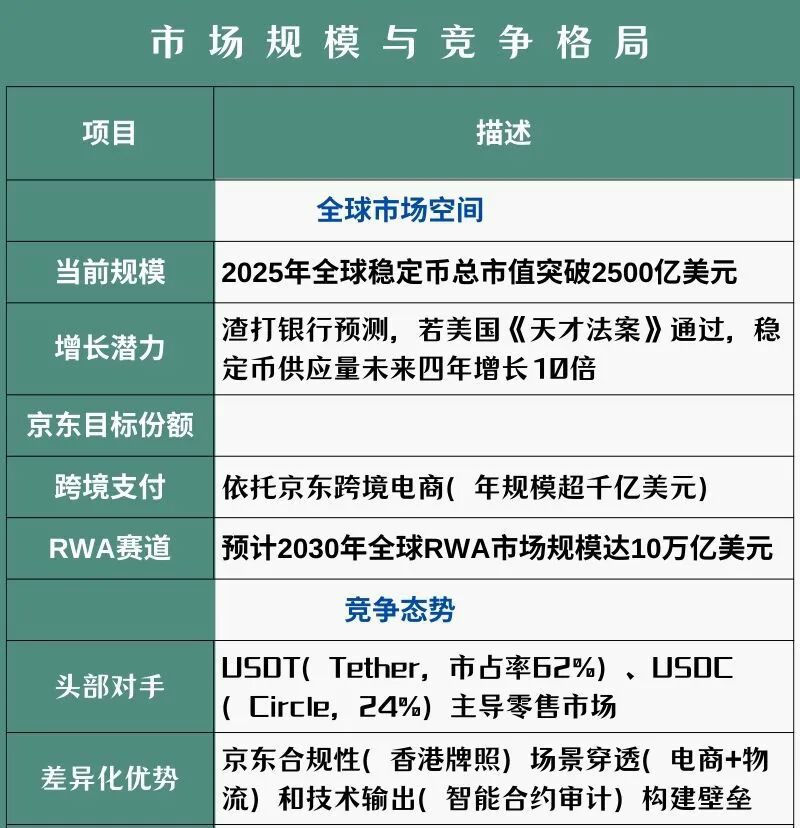 Facing the valuation difficulties of fine wines, the system captures transaction data from major global auction houses daily, setting a reliable cushion ratio of 20%.When the price fluctuation of a vintage wine triggers a threshold, the contract automatically initiates a supplementary collateral mechanism, all executed by code, eliminating the need for credit officers to assess with calculators.
05
Production RelationsThe essence of this transformation is the reconstruction of traditional commodity trade through digital technology.The “key capabilities” emphasized by the Hong Kong Monetary Authority are reflected in how to transform physical goods into trustworthy digital existence.Those fine merchants who were once turned away by traditional banks due to insufficient asset liquidity can now gain support through quality cellars and market reputation.After agents convert inventory into digital assets, the turnover frequency increases from an average of 3 times a year to 9 times, and the benefits brought by asset revitalization even exceed the decline in interest rates themselves.
True financial innovation has never been about flashy conceptual hype, but rather about technological advancements like digital warehouse receipts that quietly reconstruct the underlying logic of business.
When every bottle of fine wine gains a digital life, and value assessment shifts from expert appraisal to data-driven, the century-old rules of commodity trade are being rewritten.This may be the fascinating characteristic of the digital age.Profound changes often begin with those aged fine wines in cellars that start to breathe through code.250 million new energy assets on-chain, RWA is reconstructing asset boundaries.‘Fubao’ is implemented, and Futian Investment Control’s RWA bond full-process compliance analysis.Note: This article is for industry personnel reference only and does not constitute any investment advice. Images and data are sourced from public information. If there is any infringement, please contact for deletion.