In the vast fields of Laohutai Township in Baicheng County, rows of lush green vegetables are thriving. This “treasure bowl” for the community’s income increase and wealth is backed by a skilled planter from Hebei—Fu Qiang.
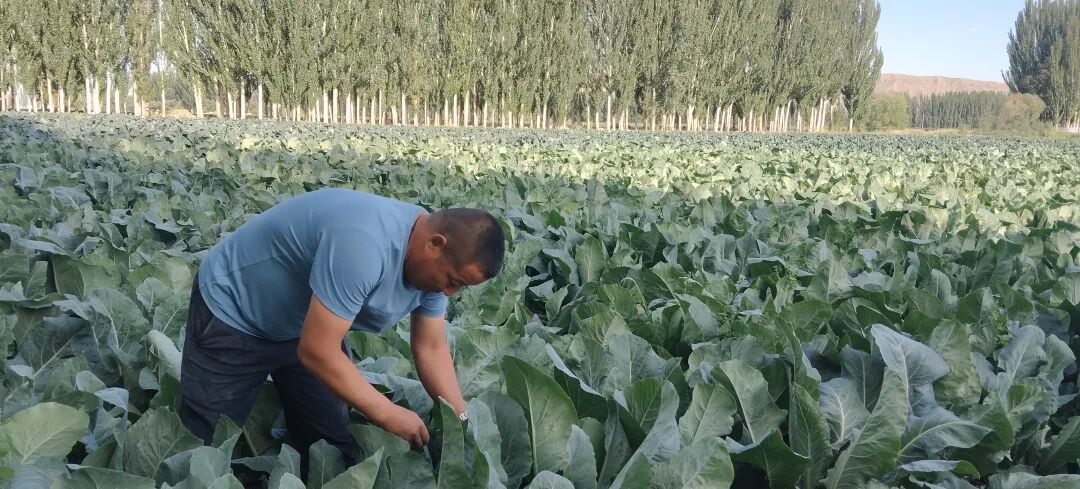
In 2019, he arrived at Laohutai Township with advanced planting techniques and great enthusiasm. Through land consolidation, scientific planting, and technology transfer, he led the local community to embark on a new path of “embedded development and shared prosperity.” Now, as the deputy village head of Ke Taike Tuer Village in Laohutai Township, he is demonstrating the profound connotation of strengthening the awareness of the Chinese national community through practical actions.
Breaking Traditional Cognition Scientific Planting Opens New Horizons
Laohutai Township is located in a remote area with scattered land and extensive planting methods. For a long time, the community believed that the climate and soil conditions here were unsuitable for growing vegetables, relying heavily on external supplies for fresh vegetables, which were expensive and unstable. After Fu Qiang’s arrival, he conducted in-depth research on local conditions and proposed the idea of “concentrated and large-scale scientific planting.” He went door to door to persuade villagersto transfer and consolidateland, forming contiguous planting areas.
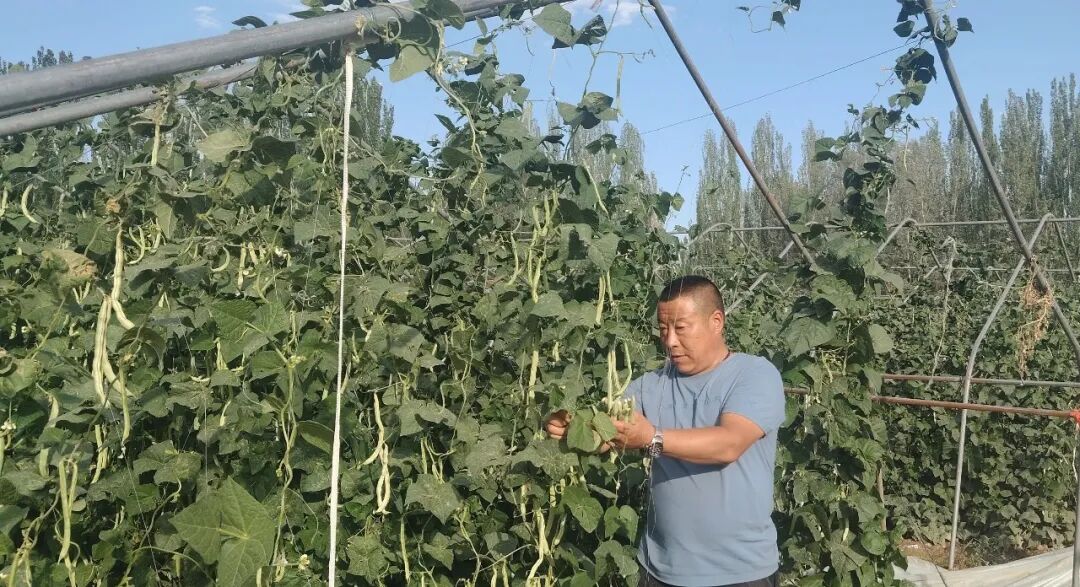
To address villagers’ concerns, Fu Qiang took the lead in demonstrating the introduction of highly adaptable and high-yield vegetable varieties such as potatoes, beans, and broccoli, using advanced techniques like plastic film covering, drip irrigation for water conservation, and soil testing for fertilization, ensuring crops thrive in the arid and low-rainfall environment. In the first year, his potato yield exceeded 3000 kilograms per mu, and the quality of broccoli and cauliflower surpassed that of vegetables from other regions, giving the community hope and prompting many to join in.
Embedded DevelopmentTechnology Empowerment Drives Community Income Increase
Fu Qiang understands that for vegetable planting to truly become a pillar industry for increasing community income, it is far from enough to rely solely on his efforts; the community must master the technology, participate in production, and share the benefits. Therefore, he engages with the various ethnic groupsby “eating, living, and working together,” teaching techniques hands-on in the fields, regularly organizing training sessions, and inviting agricultural experts for on-site guidance, helping villagers systematically master scientific planting methods.
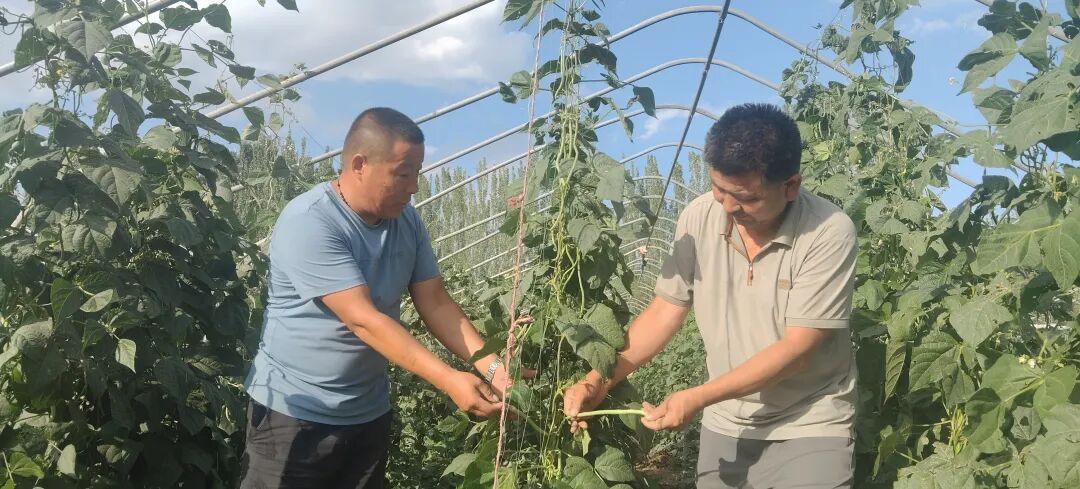
Under his leadership, the scale of vegetable planting in Laohutai Township has expanded year by year, with more and more villagers becoming skilled technicians. Fu Qiang’s base has also become an important employment platform in the area, employing over 120 villagers year-round, with seasonal peaks reaching over 300. Villagers have increased their annual income from less than 3000 yuan to over 10,000 yuan through land transfer, labor income, and self-planting, truly achieving the goal of “stable employment and income increase at their doorstep.”
Industry Platforms Promote Integration, Ethnic Unity Yields Fruits
While developing the industry, Fu Qiang emphasizes promoting interaction and integration among various ethnic groups. The planting base has become a bond of ethnic unity, merging advanced technology with traditional experience,and fostering mutual assistance among the various ethnic communities. Fu Qiang states:“Although we come from different places and have different lifestyles, our goal is the same—to make this land produce more wealth and improve the lives of our fellow villagers.”
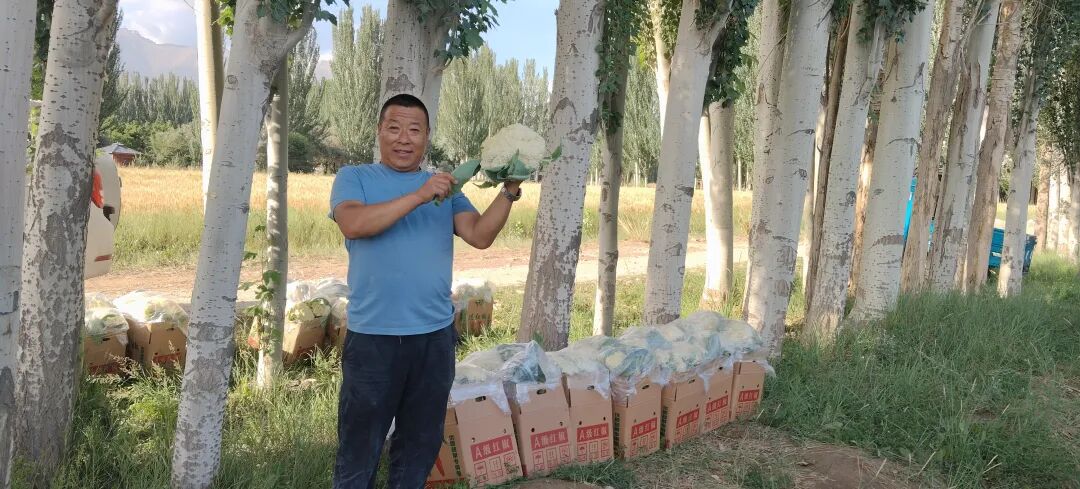
As the deputy village head of Ke Taike Tuer Village, he actively promotes the development model of “Party Branch + Cooperative + Farmers,” guiding the establishment of vegetable planting cooperatives, standardizing technical standards, and unifying brand sales to further enhance industry benefits. He also explores the “contract farming” model, establishing partnerships with supermarkets and school canteens in surrounding counties and cities to ensure smooth vegetable sales. Today, the vegetables from Laohutai Township not only meet local supply but are also sold to surrounding areas.
Over the past five years, Fu Qiang has written a story of struggle from a large planter to the deputy village head in the border area. What he has brought is not only advanced planting technology but also ignited the confidence of everyone to develop the industry and achieve common prosperity. Under his leadership, the various ethnic communities in Laohutai Township’s Ke Taike Tuer Village have not only mastered scientific planting skills but have also deepened their relationships and friendships through daily interactions, allowing the awareness of the Chinese national community to take root deeply in the fields.
▌This article is sourced from: Laohutai Township, Baicheng CountyEditor/Ai Zairjiang·AierkenChief Editor/Ma HongzhiReviewed by/Wang BingqiangFinal Review/Wang Xinzhen