Huawei Research | SourceLin Yingpei, Lu Lei, Chan Zhou, et al. | AuthorIntegrated sensing and communication (referred to as “ISAC”) is one of the new fundamental characteristics of wireless communication systems, and the vehicle network services that support safe assisted driving and autonomous driving are an important application scenario for ISAC technology.
This article starts from the evolution of vehicle networks, analyzes the environmental perception needs for safe assisted driving and autonomous driving, and demonstrates the advantages of ISAC technology in providing environmental perception. Through typical case analysis, this article proposes the requirements and technical challenges of vehicle network applications for ISAC. Corresponding to these technical challenges, this article also elaborates on key ISAC technologies such as waveform, end-to-end collaboration, enhanced Sidelink, integrated imaging of extended targets, and micro-Doppler detection.
1Introduction
“Wireless perception” is a natural property of radio waves, utilizing the transmission and reception of radio waves to sense the physical world, gradually becoming one of the new fundamental characteristics of wireless communication systems [1]. The network perception capability will evolve wireless communication systems into integrated sensing and communication systems, turning base stations, terminals, and even the entire network into sensors, enabling functions such as detection, positioning, identification, imaging, and mapping, providing enhanced solutions for smart transportation, smart factories, smart healthcare, environmental monitoring, and other fields.
In recent years, academia and industry have conducted extensive research and exploration on the application of ISAC in vertical industries, among which the application in vehicle networks has become one of the key research directions. 3GPP SA1 [2] defines and describes a series of use cases related to ISAC, with over 70% of the use cases related to vehicle network scenarios.
Although ISAC has a wide research foundation in vehicle network scenarios and has achieved certain research results, the automotive industry itself is undergoing a historic transformation marked by intelligence and electrification, with continuous upgrades in vehicle operation automation and deepening digitalization of human-vehicle interaction interfaces.
Therefore, ISAC for vehicle networks needs to grasp the key trends in the evolution of vehicle networks, identify key value scenarios for ISAC, and conduct key technology and application research based on key trends and value scenarios. This article combines the key trends in the evolution of vehicle networks (Section 2), introduces the value scenarios of ISAC (Section 3), analyzes the application requirements and key challenges of ISAC in vehicle network scenarios (Section 4), and presents several key technologies for ISAC in the vehicle network field (Section 5), and finally summarizes and prospects the future development of ISAC in the vehicle network field.
2Trends in Vehicle Network Evolution
The automotive industry pattern that has lasted for a century is undergoing historic changes, and intelligence and electrification are the two major labels of this technological revolution.
The intelligence of vehicles is mainly reflected in the digitization of vehicle control systems and human-machine interaction interfaces, as well as the automation of vehicle operations. The ultimate goal of vehicle intelligence is to enhance the comfort and safety of passengers, and autonomous driving, as a key enabling technology, will truly ignite this technological transformation in the automotive industry.
Currently, mature autonomous driving is still at the L2 and L3 stages [3], which means that the driver still needs to ultimately control the vehicle. ADAS (Advanced Driver-Assistance System) can provide assistance functions such as Adaptive Cruise Control, Lane Centering, and Traffic Jam Chauffeur in low-speed or traffic jam situations.
Drivers need to remain attentive at all times to take control of the vehicle in complex or emergency situations. True autonomous driving refers to L4 and above autonomous driving capabilities, where passengers are fully liberated from driving tasks, enjoying complete comfort and safety experiences.
It is expected that by 2025, 15% of vehicles worldwide will have L3 autonomous driving capabilities, but only about 5% will have L4 and above autonomous driving capabilities [4]. By 2030, the number of L4 and above autonomous vehicles worldwide may increase to 10%.
From the industry perspective, Waymo, a subsidiary of Google, has announced that it can achieve L4 autonomous driving, but has not yet achieved mass production.
Mercedes-Benz emphasized in its 2030 vision that L4 and L5 autonomous driving will be a major part of future urban transportation solutions [5].
Volkswagen plans to launch L4 autonomous vehicles in 2026 [6].
Hyundai will equip all mainstream models with Automode autonomous driving technology, supporting L4 autonomous driving by 2026 [7].
Baidu Apollo RT6 was put into use in 2023 in the RoboTaxi service, and has started L4 fully unmanned autonomous driving operations in pilot areas in Beijing, Wuhan, Chongqing, and Shenzhen, with mass production expected around 2026–2028 [8].
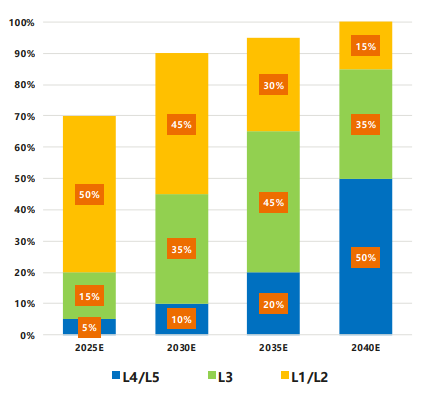
Figure 1 Estimated Global Penetration Rate of Autonomous Driving Levels (2025–2040)
The main reason hindering the mass production and large-scale application of L4 and above autonomous driving is the public’s stringent requirements for the reliability and safety of autonomous driving. Existing L4 autonomous driving technologies have achieved safety driving records of over a million miles [9], and their handling capabilities and accident response capabilities in complex environments far exceed those of humans [10].
However, due to the public’s cautious attitude towards autonomous driving and AI, autonomous driving needs to achieve almost zero errors and zero accidents to be fully accepted by the public. The accurate judgment of autonomous driving mainly relies on the system’s perception capability of the environment within the Operational Design Domain (ODD).
ODD defines the specific operating conditions designed for driving automation systems, such as environmental, geographical, and temporal limitations, or available traffic or road features.
So far, serious accidents caused by autonomous driving have been due to the driving environment exceeding the coverage of the ODD, leading to insufficient environmental perception by the autonomous driving system and resulting in erroneous judgments [11].
To ensure the safety of autonomous driving in various environments, the coverage of the ODD needs to approach infinity, posing a severe challenge to perception solutions based on single vehicles. The main challenges faced by single vehicle perception include:
• Static environment detection capability/accuracy: For example, the relationship between lanes and traffic rules (including traffic lights), lane changes caused by road construction/traffic control, and other special situations.• Perception of long-tail scenarios: Limited by the deployment location of onboard perception devices, leading to limited non-line-of-sight perception.
These challenges are constrained by the hardware capabilities, costs, and objective perspectives of single vehicles, making it difficult to solve with technical solutions. Therefore, relying solely on single vehicle perception makes it difficult to achieve the near-infinite ODD requirements necessary for advanced autonomous driving.
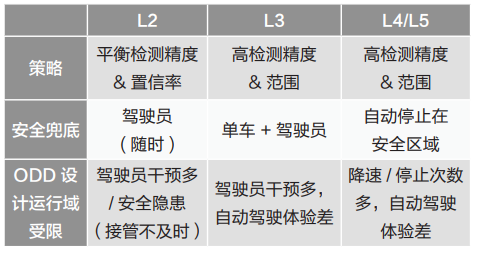
In practical environments, even for ADAS systems below L4, they strongly rely on their perception capabilities of the surrounding environment. In adverse weather conditions, blind spots, and other challenging scenarios, if the ADAS system cannot obtain effective and accurate environmental perception information, it cannot provide timely warnings or handling of potential danger situations, which will also reduce the safety of the ADAS system or cause the ADAS system to completely fail (see Table 1).
Table 1 Perception and Decision-Making at Different Levels
3Value Scenarios of ISAC
This section analyzes the necessity and value of integrating roadside perception based on in-vehicle perception (Section 3.1), as well as the gains and advantages of ISAC compared to other roadside perception solutions (Section 3.2).
3.1 The Necessary Value of Roadside Perception
Currently, vehicles’ perception of the surrounding environment largely relies on various onboard sensors, mainly including millimeter-wave wireless ranging devices, laser ranging devices, and cameras. These sensors can detect objects, measure distances, and relative speeds.
Different types of sensors are installed at various parts of the vehicle to fully perceive the surrounding environment and support various driving assistance functions. Typically, long-range wireless ranging devices installed at the front of the vehicle can detect the distance and speed of the vehicle ahead within approximately 250 meters to achieve adaptive cruise control.
Similarly, short-range front wireless ranging devices with a wider field of view provide support for emergency braking. Each sensor technology has its pros and cons. For example, millimeter-wave wireless ranging devices can operate under certain extreme weather conditions, while laser ranging devices and cameras cannot.
Likewise, cameras can perform image-based detection, while other technologies cannot. Since no single sensor technology can support all-weather and all-scenario applications, fusing information from different sensors is crucial for the vehicle’s reliable perception of the surrounding environment [12].
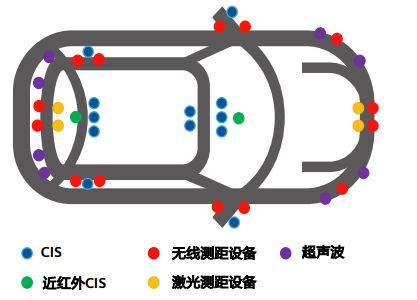
Figure 2 L4/L5 In-Vehicle Sensor Deployment Scheme
With the application of vehicle-to-everything (V2X) communication systems, the wireless communication capabilities of ADAS have been enhanced. Integrating communication functions in vehicles can be seen as an extension of the sensor system. Vehicles can obtain environmental information that their own sensors cannot perceive through information exchange between vehicles, and achieve safe and efficient driving through cooperation between vehicles.
This not only expands the long-distance perception capabilities of autonomous vehicles but also enables the fusion of inter-vehicle perception information, allowing for high-resolution, all-weather detection and identification of objects, thereby enhancing the capabilities of autonomous vehicles.
Moreover, with the assistance of communication functions, perception information based on roadside devices can also be transmitted to vehicles. The main advantages of roadside environmental perception include:
• Deployment location advantage: Roadside perception is set up at a high position, providing a downward view.− Roadside perception: Increases the perception angle of the vertical dimension, supplementing the non-line-of-sight perception range of the vehicle.− Roadside cameras: Can be specifically deployed with occlusion protection, with almost zero interference from extreme weather such as heavy rain.• Device size advantage:− Roadside perception: Larger rooftop (more arrays) allows for higher azimuth and elevation angle resolution.− Roadside cameras: Various large cameras with different focal lengths (from wide-angle to telephoto) and exposure capabilities (ultra-low exposure time) can achieve zero distortion in image synthesis.
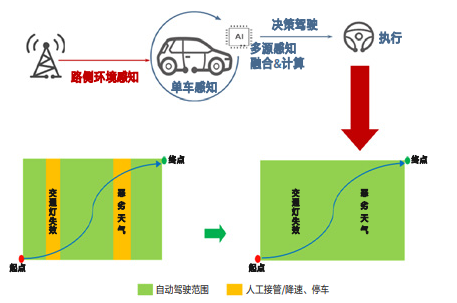
Figure 3 Network Provides Comprehensive High-Reliability Environmental Information
3.2 Advantages of ISAC
According to traditional methods, integrating a perception system based on onboard sensors and V2X communication in vehicles would lead to two independent subsystems. These uncorrelated systems would affect multiple aspects, such as power consumption, space occupied by sensors, total weight of the perception system, number of antennas required, and wiring requirements within the vehicle.
As the number of sensors/communication devices continues to increase, the limited installation space in vehicles poses significant challenges to the interior design of vehicles. Additionally, independent onboard wireless ranging devices and V2X communication also need to address spectrum interference issues, including interference between wireless ranging devices and interference between wireless ranging devices and communication.
In particular, interference between wireless ranging devices is a tricky problem faced by current onboard wireless ranging devices. If multiple same-frequency wireless ranging devices from adjacent vehicles operate simultaneously, their fields of view may overlap, leading to interference, which affects overall detection performance.
Furthermore, from the perspective of spectrum utilization, the independent systems of perception and communication double the demand for spectrum. Therefore, integrating communication and perception into one system, achieving ISAC, has become an inevitable technical direction.
From a system perspective, this means integration across multiple levels, from spectrum reuse and partial hardware reuse to joint signal processing and unified protocol stacks, achieving integration from loosely coupled to tightly integrated systems. An ISAC system can simultaneously transmit data and perceive the environment, bringing multiple potential advantages.
These advantages involve multiple aspects, such as hardware size, number of antennas required, costs, latency, spectrum and energy efficiency, etc. Moreover, the tightly integrated system design can reduce isolation between the communication and sensing systems, making efficient information and resource sharing between the two functions possible.
Additionally, since communication systems inherently include multi-user resource management and interference management mechanisms, when multiple ISAC systems operate simultaneously, similar interference issues as wireless ranging devices can also be effectively addressed. At the same time, the perception information obtained in ISAC can also be used to enhance the performance of communication. For example, perceived location information can be used for beam prediction and management, blockage prediction, channel state information (CSI) compression, and adaptive transmission.
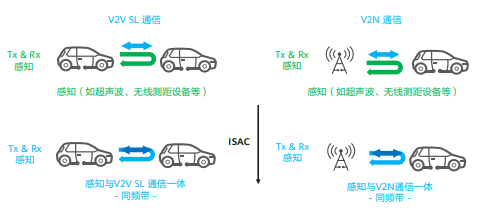
Figure 4 ISAC Schematic Diagram
4Applications of ISAC in Vehicle Networks
From the previous introduction, it can be seen that the network-based perception mechanism can enhance the system’s ability to perceive the environment. For example, due to the limited positions and fields of view of sensors installed on vehicles, network perception can supplement the coverage of areas outside the traditional sensor’s field of view, providing additional perception information, especially for covering blind spots in complex road scenarios such as intersections.
Network-based perception functions can better perceive information related to road/highway conditions, including moving objects (such as vehicles, animals, and pedestrians), traffic density, crowds, etc.
4.1 Scene and Use Case Analysis
3GPP defines and describes a set of use cases related to ISAC [2], a considerable portion of which are related to vehicle scenarios, considering the following implementation schemes:
• Integrating communication and perception functions on base stations and terminal devices
• Mobile networks coordinating perception information exchange among multiple terminal devices and network entities
• Perception results from base stations and terminal devices as additional input for environmental perception
Table 2 Some V2X Use Cases in 3GPP SA1
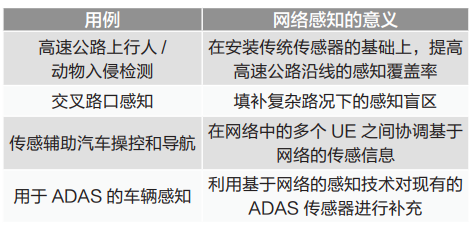
Table 2 describes some of the use cases. From the functional requirements of these use cases, the ISAC in the network needs to provide the following mechanisms:
• Selecting and configuring base stations and terminal devices to perform sensing functions
• Sharing sensing information between the radio access network (RAN) and the core network (CN)
• Authorizing network nodes to perform sensing functions
• Providing sensing information in the network to third-party service providers
• Implementing charging for network-based perception services
The performance requirements for ISAC largely depend on the service objectives of different use cases. In vehicle network-related use cases, the perceived environment and objects are mainly outdoors, and the differences in performance requirements among different use cases mainly lie in the accuracy, range, reliability, latency, and refresh rate of positioning and speed measurement.
Highway Pedestrian/Animal Intrusion Detection:Considering the width and length of highways, base station-based perception needs to effectively identify pedestrians and animals from a considerable distance. Due to the high speed of vehicle movement, leading to a highly dynamic scene, higher requirements are placed on the refresh rate and accuracy of perception. 3GPP defines the following requirements [2]:
• Positioning accuracy (horizontal): Less than 1 meter• Refresh rate: Less than 0.1 seconds
Intersection Perception:The density of vehicles at intersections will affect the performance requirements for perception. For example, during peak hours, in addition to high perception accuracy and refresh rate, the high density of pedestrian and vehicle flows also requires higher perception resolution. The requirements for miss rate and false alarm rate will also vary based on the density of pedestrian and vehicle flows. 3GPP defines the following requirements [2]:
• Positioning accuracy (horizontal): Less than 1 meter
• Refresh rate: Less than 0.1 seconds
• Miss rate: Less than 5%
• False alarm rate: Less than 5%
Sensing-Assisted Vehicle Control and Navigation:This scenario requires coordinating perception-related information from multiple onboard terminals and providing it to vehicles for control and navigation. Since the spacing between vehicles during driving may be small, the perception information must ensure high accuracy and high refresh rate.
Additionally, since the perception-related information comes from multiple onboard terminals, ensuring low-latency synchronization of this perception information is also very important.
Vehicle Perception for ADAS:The ADAS system on vehicles consists of long-range and short-range sensors, and ISAC technology will supplement or replace the existing sensors on the vehicle.
Furthermore, considering the safety requirements of ADAS systems, this scenario has strict requirements for the error rate and magnitude of errors in perception results. 3GPP defines the following requirements [2]:
• Positioning accuracy (horizontal): Long-range (250 to 300 meters) less than 40 cm, short-range (30 to 100 meters) less than 10 cm
• Refresh rate: Long-range less than 0.2 seconds, short-range less than 0.05 seconds
• False alarm rate: Less than 1%
4.2 Key Demands and Challenges
To achieve the aforementioned use cases, several technical challenges need to be addressed. First, due to the wide variety of perception objects in vehicle network scenarios, including various vehicles, people, animals, and temporary obstacles (such as roadblocks used in road construction), the perception process requires not only positioning but also identifying different types of perception objects.
Secondly, not all perception objects have wireless communication capabilities, so ISAC technology needs to perceive both active targets with communication capabilities (such as vehicles equipped with V2X capabilities) and passive targets without communication capabilities (such as pedestrians, animals, etc.).
Moreover, the mobility of perception objects also imposes additional requirements on ISAC. For example, in use cases where multiple vehicles coordinate control, the perception function needs to continuously track multiple nearby vehicles and objects rather than detecting a single momentary event.
Due to the limited perception range of individual perception devices, providing continuous perception services in scenarios involving high mobility requires deploying multiple perception signal transmitters and receivers. When these transmitters and receivers are located at different network nodes (for example, in bidirectional sensing scenarios), it is necessary to coordinate them and fuse measurement results to avoid or minimize miss events.
ISAC technology is expected to enhance environmental perception capabilities in V2X use cases, but traditional sensors such as wireless ranging devices will still be retained (at least for a period of time). This may lead to wireless ranging devices and cellular systems coexisting in the same or adjacent frequency bands (e.g., 77 GHz). In such cases, vehicles transmitting data may cause interference to the receivers of wireless ranging devices.
Similarly, signals transmitted by wireless ranging devices may also interfere with vehicles or base stations. This requires providing technical solutions in spectrum sharing, waveforms, resource allocation, and artificial intelligence methods to effectively address interference in integrated systems.
5Key Technologies for ISAC in Vehicle Networks
The ISAC solutions driven by business demands and application scenarios display enormous potential but still face numerous technical challenges. This section lists and analyzes several key technologies for ISAC in vehicle network scenarios.
5.1 Basic Solutions for ISAC
ISAC aims to empower perception within communication systems to achieve resource sharing, spectrum sharing, and processing capability sharing. Specifically, the integration of ISAC can be reflected at three different levels:
• Business-level integration: Perception and communication are implemented by different hardware, operating in their respective frequency bands. The two systems interact at the application layer to achieve mutual promotion and win-win effects. For example, base stations can obtain environmental information through perception modules for more effective beam prediction and management. Perception devices can coordinate between stations through communication units to achieve interference management.
• Spectrum-level integration: The perception and communication functions operate within the same system, achieving spectrum resource sharing through time division, frequency division, or spatial division. The two function modules can also share some hardware resources, reducing hardware and implementation costs.
• Full integration: A single system simultaneously supports both functions, sharing air interface technologies and spectrum resources. In full integration scenarios, the system can dynamically optimize resource scheduling and even air interface design based on business needs and corresponding performance indicators to maximize network resource efficiency.
5.2 ISAC Waveforms
The industry has conducted extensive research on ISAC waveforms. From a performance perspective, this article only introduces four of them: OFDM (Orthogonal Frequency Division Multiplexing), OFDM-Chirp, OCDM (Orthogonal Chirp Division Multiplexing), and OTFS (Orthogonal Time Frequency Space).
Among these waveforms, OFDM-Chirp has relatively excellent perception performance, but there is some loss in communication performance under Rayleigh channels compared to OFDM. OFDM is currently one of the mainstream multi-carrier modulation technologies in communication, with its integral sidelobe ratio and peak sidelobe ratio slightly lower than LFM under different parameters. The academic community is also actively exploring methods to enhance the perception performance of OFDM.
The basic principle of the OFDM-Chirp waveform is to modulate Chirp signals onto different subcarrier groups. Since the subcarriers of OFDM signals are orthogonal, the signals on different subcarrier groups naturally satisfy orthogonality. The time-domain model of the OFDM-Chirp signal [13] is as follows:

Where: t (0 ≤ t ≤ T) is the time sample of the signal; u(t)=1,( 0 ≤ t ≤ T) is a rectangular window function; fn and kn are the starting frequency and slope of the nth subcarrier of the signal s(t), respectively.
The multi-carrier characteristics of the OFDM-Chirp system can solve the low transmission rate problem of LFM single-carrier signals. Considering compatibility with existing systems and implementation complexity, OFDM-Chirp is a relatively promising ISAC waveform, with its perception performance being superior among these multi-carriers.
Under the same parameters, the distance and speed resolution of OFDM-Chirp is the same as that of OFDM signals. In Gaussian channels, the bit error rate under different signal-to-noise ratios is shown in Figure 5, where performance does not differ significantly under different signal-to-noise ratios.
Since the OFDM-Chirp signal is obtained by spreading the OFDM signal through LFM, its signal model will have many similarities with the OFDM signal model. By analyzing the PAPR curves of OFDM-Chirp and OFDM signals, it can be seen that the peak-to-average power ratio performance of the ISAC signal is almost the same as that of the OFDM signal.
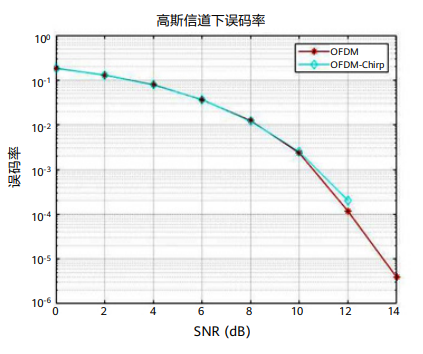
Figure 5 Performance Comparison of OFDM Waveform and OFDM-Chirp Waveform
The basic principle of OCDM is to form a set of orthogonal linear Chirp signals using Fresnel transformation within the same bandwidth and modulate communication information onto the amplitude and phase of this set of Chirp signals [14], thereby achieving efficient data transmission.
OCDM signals consist of multiple Chirp signals, making them insensitive to Doppler frequency shifts. In the case of insufficient guard interval length, they can effectively combat time-selective fading.
OCDM signals require two matrix multiplications at the transmitter, making the generation conditions more complex compared to OFDM signals. To achieve commercialization, there are still some technical challenges, such as constructing superior optical address codes, designing high-performance optical encoding/decoding devices, improving system performance, increasing system capacity, and enhancing system resource utilization.
OTFS modulation can be seen as a special type of OFDM modulation, where a pre-coding module and a post-decoding module are added at the input and output ends of traditional OFDM modulation, respectively [15]. The modulation and demodulation process of OTFS signals is shown in Figure 6.
The effective channel matrix of OTFS modulation exists in the delay-Doppler domain, where most of the elements in the matrix are zero. The positions of the non-zero elements are related to the delays and Doppler shifts of the paths, so estimating the delays and Doppler shifts of various paths in the channel and the effective complex gain can significantly reduce the complexity of channel estimation.
Since OTFS modulation uses rectangular transmit and receive pulses, the input-output relationship is not a direct two-dimensional convolution operation, so frequency-time domain equalization algorithms cannot be directly used at the receiver, and the complexity of other symbol demodulation algorithms is far greater than that of OFDM modulation.
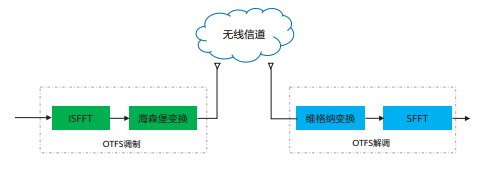
Figure 6 Modulation and Demodulation Process of OTFS Signals
5.3 Distributed ISAC with End-to-End Collaboration
In the context of vehicle networks, single vehicle perception is limited to 5% of perception long-tail scenarios, making the introduction of roadside perception information particularly important.
When integrating vehicle-side and roadside perception information, the high mobility of vehicles poses the following challenges for distributed perception: for example, uncertainties in the positions and speeds perceived by roadside and vehicle-side systems, as well as differences in the physical characteristics of the same object perceived by roadside and vehicle-side systems. For instance, due to different perception angles, roadside perception may detect a stationary object, while vehicle-side perception detects it as moving.
To address this challenge, uncertainty-based fusion of vehicle-side and roadside perception information can be considered, where the vehicle incorporates uncertainties in position and mobility parameters as unknown variables in the target detection problem, forming a joint detection problem for the target and unknown parameters from the vehicle-side, and then seeks an optimal solution through optimization algorithms such as Newton’s method or simulated annealing.
As shown in Figure 7, when different vehicles and roadside RSUs or gNBs conduct joint perception, due to high mobility, the estimated position of the vehicle may deviate from its actual position, and each perception source may have perception errors for the same object, which could amplify errors during information fusion.
To solve this problem, each vehicle can report its estimated errors to a fusion center, constructing an optimization problem to enhance joint perception accuracy [16].
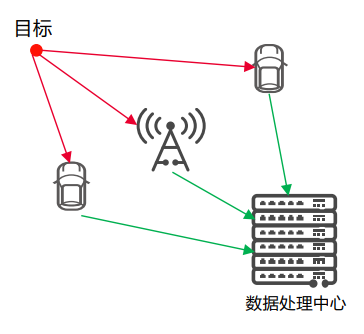
Figure 7 Collaborative Perception with Uncertainty
5.4 Enhanced Distributed ISAC with Sidelink
In the context of vehicle networks, considering that terminal devices may be in areas without cellular network coverage, each terminal device should possess not only basic Uu interface uplink and downlink communication capabilities but also communication capabilities via the PC5 interface (Sidelink).Multiple terminals communicating through the PC5 interface form a distributed network to enhance the communication and perception capabilities of vehicles.
However, the existing design of distributed sidelink transmission air interface technology only considers extreme communication capabilities and does not take perception capabilities into account. Therefore, enabling high-performance sidelink perception capabilities on the PC5 interface without affecting communication performance becomes the most critical technical challenge.
One approach is to enhance the frame structure of the sidelink. Considering that the relative positions of terminals in a distributed scenario are not fixed, to ensure reliable information transmission, the existing sidelink frame structure introduces AGC symbols, as shown in Figure 8.
Before real data transmission, automatic gain control needs to be performed, and the specific content of the AGC symbol generally copies the information of the second symbol, so the first AGC symbol does not serve to transmit effective information, thus providing space for constructing perception capabilities in the sidelink.
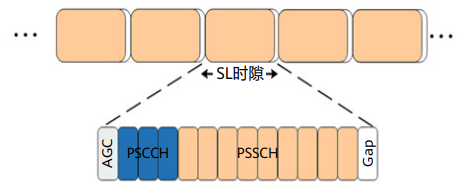
Figure 8 New Radio (NR) Sidelink Frame Structure Design
A direct method is to fill the AGC symbol with perception sequences, but the bandwidth occupied by the AGC symbol can be very small, while the distance resolution of perception is strongly coupled with signal bandwidth.
To enable higher perception accuracy, consider constructing a wideband AGC sequence, meaning that AGC symbols occupy as wide a bandwidth as possible in the frequency domain, as shown in Figure 9. The AGC symbol can be divided into two parts in the time domain, with the first part used to send wideband perception sequences and the second part used to receive perception echo signals.
However, when AGC occupies a larger bandwidth in the frequency domain, multiple terminal devices will send perception sequences within that bandwidth, causing overlap and interference. To address this issue, the perception sequences sent by different terminals can be constructed into orthogonal wideband sequences, such as using the terminal’s ID to scramble the sequences. When a terminal receives the echo of its sequence, it can filter out interference signals from other terminals, thus ensuring the ability to perceive without affecting communication performance.
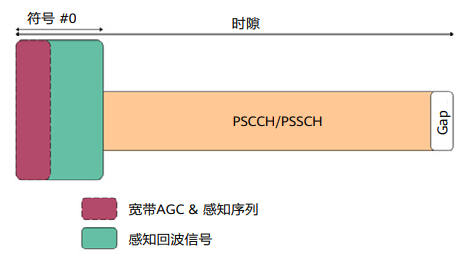
Figure 9 Wideband AGC Perception Signal Design
5.5 Fusion Imaging for Extended Target Detection
ISAC aims to provide detection, positioning, and classification capabilities for key target objects for various vehicle network applications. These target objects include vehicles, pedestrians/non-motorized vehicles/motorcycles (Vulnerable Road Users, VRU), and other fixed and moving obstacles.
Traditional 5G NR positioning schemes only target active objects that can send or receive 5G NR signals. In contrast, next-generation perception technology can detect, position, and identify passive objects by analyzing wireless signals reflected from the transmission environment.
One of the challenges faced by perception capabilities in vehicle network applications is that many perception targets are large vehicles, whose outer surfaces typically extend several meters, such as the front, rear, and side of the vehicle. Therefore, perception targets do not form a single reflection at a single location, but can produce multiple reflections spaced several meters apart. Such targets are often referred to as extended targets.
Thus, by observing multiple reflections and scattered signals generated by extended targets, it is possible to estimate the position and state of the target and infer its shape and outline, i.e., imaging. When distributed base stations observe this target from different angles, each base station forms estimates of different positions of the vehicle.
These estimates correspond to a set of scattering points associated with a specific side (or part) of the target vehicle. Since each base station sees different scattering points that may be several meters apart, the following steps are needed for data association, clustering, and positioning:
(a) Different base stations estimate multiple scattering points’ positions through observations of different scattering points. These position estimates need to be associated with the same object (in this case, the vehicle) to form a set of scattering points corresponding to that object. This is commonly referred to as clustering.
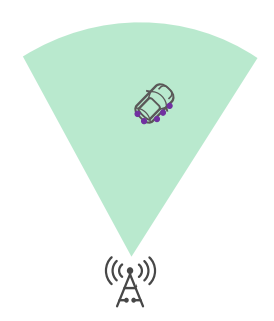
Figure 10 Schematic Diagram of Extended Target Detection
(b) After obtaining the scattering point set of the extended target (which usually forms the outline of the object’s outer shape), it is necessary to determine the position of that target. Typically, the positioning reference center can be the geometric center of the scattering point set; or when the observed scattering point set corresponding to the target surface is incomplete, leading to inaccuracies in the geometric center, other reference points can also be used.
Steps (a) and (b) can be accomplished using different extended target processing algorithms. These algorithms include using the moving dynamics of point scattering sets to perform target association and clustering [17, 18], as well as post-processing combined with target classification schemes [19].
It should be noted that there are no issues with extended target positioning for active targets, as the transmitting and receiving antenna ports of active targets serve as positioning reference points for the target object, and their positions on the object are fixed.
Additionally, traditional perception systems used for V2X collision detection or adaptive cruise control do not encounter the aforementioned issues since they only need to detect the most protruding parts of target objects or vehicles from a single viewpoint to avoid collisions with those parts.
5.6 Target Detection and Recognition Based on Micro-Doppler Detection
As mentioned in Section 5.5, target object recognition and classification are crucial for many vehicle network applications, including various coordinated control and safety applications for protecting VRUs.
Target object recognition and classification can be achieved through various means. One direct method is to utilize point scattering obtained from perception observations to determine the shape or outline of the object (as shown for vehicles in Section 4.1), i.e., imaging. However, to obtain such images, the system needs to observe the target object from multiple viewpoints and have high angle and depth resolution to obtain multiple point scattering sets corresponding to each surface of the target object.
Another method that does not require a complete image of the object is based on the Doppler parameters of the perception signal, particularly the Doppler components caused by the micro-movements of internal components of the object.
For example, the swinging legs of a person while walking, the rotating wheels of a car or bicycle, or the rapidly rotating blades of a drone. These Doppler components, caused by the different speeds of internal components compared to the overall speed of the object, are referred to as micro-Doppler. Figure 11 provides an example of micro-Doppler in the Doppler range profile of a flying drone [20].
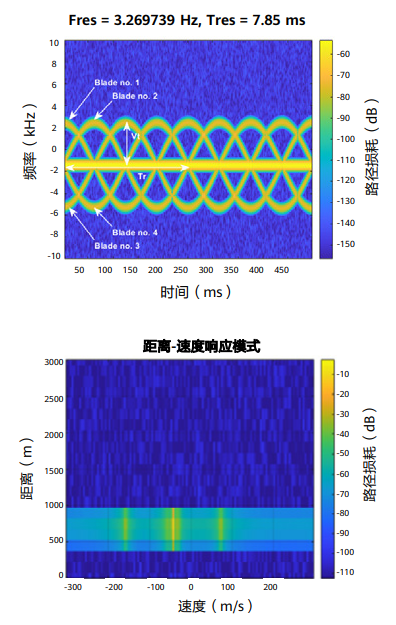
Figure 11 Example of Measuring Micro-Doppler of a Target
Specific target objects (pedestrians, vehicles, bicycles, etc.) have different types of internal movements, resulting in unique Doppler characteristics. Utilizing these characteristics for target object recognition and classification can achieve higher accuracy (>90%) without needing to perform detailed high-resolution imaging processing from multiple angles of the target object. Examples can be found in the literature [21]. Micro-Doppler-based target recognition and classification can be combined with lower-resolution images to enhance the reliability of object classification.
6Conclusion and Outlook
It can be anticipated that ISAC technology will bring functional and performance improvements to vehicle networks. To achieve this goal, it is necessary to address key technical issues across multiple domains, from the air interface to upper-layer applications, to ultimately meet the expected perception and communication requirements.
The overall design of ISAC must also consider the complexities of wireless networks and vehicle networks, such as the mobility of onboard terminal devices, available frequency bands (licensed and unlicensed), base station deployment, and the collaborative architecture of PC5 and Uu.
In addition to technology-related challenges, a key success factor for ISAC is regulatory. ISAC systems extend the original frequency bands exclusively allocated for perception or Intelligent Transportation System (ITS) communications and those used for mobile/V2N communication networks, and simultaneously implementing communication and perception functions on these bands may face compliance issues.
Moreover, if a reassignment of frequency spectrum for communication or perception is required, the onboard ISAC devices will also need upgrades, which will affect the lifecycle of onboard ISAC devices.
Furthermore, since wireless ranging device sensing is a safety-critical function, ISAC solutions need to meet the requirements of Automotive Safety Integrity Level (ASIL).
At the same time, ISAC systems need to support networks and terminal devices from different manufacturers, enabling them to seamlessly participate in and integrate into perception services. The scenarios of vehicle networks require ISAC devices from multiple manufacturers to cooperate, especially in interference management. Therefore, the standardization of functions and interfaces of different ISAC entities is crucial for their widespread deployment in the future.
References:
[1] W. Tong and P. Zhu, 6G: The Next Horizon: From Connected People and Things to Connected Intelligence, Cambridge University Press, April 30, 2021.
[2] 3GPP TR 22.837, “Study on Integrated Sensing and Communication,” June 2023.
[3] SAE, “Taxonomy and Definitions for Terms Related to Driving Automation Systems for On-Road Motor Vehicles,” April 30, 2021.
[4] 2022 Intelligent Vehicle Six Major Highlights Securities Research Report, November 21, 2021.
[5] Mercedes-Benz, “An interview about progress in development work,” https://group.mercedes-benz.com/innovation/case/autonomous/interviewhafner-2.html
[6] Volkswagen, “Volkswagen launches its first autonomous driving test program in the United States,” July 6, 2023.
[7] HYUNDAI, “Kia presents 2030 roadmap to become global sustainable mobility leader,” March 3, 2022.
[8] Apollo, First Batch Approved! RoboTaxi Starts Full Unmanned Commercial Operations in Shenzhen, June 17, 2023.
[9] Waymo, “Safety Performance of the Waymo Rider Only Automated Driving System at One Million Miles.”
[10] Waymo, “Collision Avoidance Effectiveness of an Automated Driving System Using a Human Driver Behavior Reference Model in Reconstructed Fatal Collisions.”
[11] NHTSA, “Incident Reporting for Automated Driving Systems (ADS) and Level 2 Advanced Driver Assistance Systems (ADAS).”
[12] GSA, “The Challenges to Achieve Level 4/Level 5 Autonomous Driving,” https://www.gsaglobal.org/forums/the-challenges-to-achieve-level-4-level-5-autonomous-driving/
[13] D. Dash, K. D. Sa, and V. Jayaraman, “Time-Frequency Analysis of OFDM-LFM Waveforms for Multistatic Airborne Radar,” 2018 Second International Conference on Inventive Communication and Computational Technologies (ICICCT), pp. 865–870, April 2018, doi: 10.1109/ICICCT.2018.8473233.
[14] L. G. de Oliveira, M. B. Alabd, B. Nuss, et al., “An OCDM radar-communication system,” 14th European Conference on Antennas and Propagation (EuCAP). IEEE, pp. 1–5, 2020.
[15] L. Gaudio, M. Kobayashi, G. Caire, and G. Colavolpe, “On the effectiveness of OTFS for joint radar parameter estimation and communication,” IEEE Transactions on Wireless Communications, vol. 19, no. 9, pp. 5951–5965, 2020.
[16] K. Gu, Y. Wang, and Y. Shen, “Cooperative detection by multi-agent networks in the presence of position uncertainty,” IEEE Transactions on Signal Processing, vol. 68, pp. 5411–5426, 2020.
[17] E. Favarelli et al., “Map Fusion and Heterogeneous Object Tracking in Joint Sensing and Communications Networks,” 20th European Radar Conference (EuRad 2023), September 20–22, 2023.
[18] H. Kaulbersch et al., “EM-based Extended Target Tracking with Automotive Radar using Learned Spatial Distribution Models,” 2019 22nd International Conference on Information Fusion (FUSION), pp. 1–8, 2019.
[19] W. Cao, J. Lan, and X. R. Li, “Extended Object Tracking and Classification Using Radar and EMS Sensor Data,” IEEE Signal Processing Letters, vol. 25, no. 1, pp. 90–94, January 2018.
[20] Mathworks, “Introduction to Micro-Doppler Effects,” https://de.mathworks.com/help/radar/ug/introduction-to-micro-doppler-effects.html
[21] J. Pegoraro, J. O. Lacruz, F. Meneghello, E. Bashirov, M. Rossi, and J. Widmer, “RAPID: Retrofitting IEEE 802.11ay Access Points for Indoor Human Detection and Sensing,” IEEE Transactions on Mobile Computing, doi: 10.1109/TMC.2023.3291882.
Author Profiles: Lin Yingpei, Su Hongjia, Qi Hong, Huawei Wireless Network Research Department; Lu Lei, Huawei Munich Research Institute; Chan Zhou, Richard Stirling Gallacher, Ge Shibin, Qi Wang, Huawei European Standards and Industry Development Department.
Source: Huawei Research (Issue 5) Special Issue on Integrated Sensing and Communication (ISAC)
Recommended Reading

▲2023 Year-End Review, 2024 Opens New Chapter → Association Major Events

▲Invitation to Participate in the 2024 Guangdong-Hong Kong-Macao Greater Bay Area (Guangzhou) Smart Parking Exhibition
▲Guangdong Province Static Traffic Association’s Second Council’s Fourth Meeting Successfully Held