
The morning sunlight quietly illuminates the window, and the smart curtains automatically unfold; with a tap on the phone during the commute home, the air conditioning has already started blowing cool air—this convenience of smart homes weaves the daily dream of modern life. However, when the hand of the internet easily reaches into our homes, this dream is fraught with cracks: cameras controlled by hackers quietly spy, smart door locks that have been breached silently open, and private data quietly flows away in the invisible river of bits… The security boundaries of “home” are becoming blurred with the proliferation of smart devices.

In the face of the digital tide eroding the physical fortress of “home”, internet police have quietly transformed into guardians of the new home. The cybersecurity department of a certain city’s public security has launched a special action called “Home Security Protection”. This is not just a policy floating in the cloud, but rather reaches the flesh-and-blood seams of technology and life—they conduct in-depth visits to local smart home device manufacturers, strictly inspect security protocols and protective measures, and plug vulnerabilities; they have established special reporting channels to prioritize and trace reports of illegal intrusions involving smart homes; they also conduct community lectures on “Safe Use of Smart Devices”, teaching residents how to update passwords and set permissions, and even checking for potential hazards in smart devices for elderly residents living alone. When Ms. Li from a certain community received an abnormal login warning from her smart lock system, the internet police quickly intervened, not only stopping the illegal intrusion attempt but also dismantling a criminal chain specifically targeting smart home devices. “I used to be afraid that ‘smart’ devices would become ‘insiders’, but now I feel much more secure,” Ms. Li’s sentiment reflects the regained sense of security for countless families.
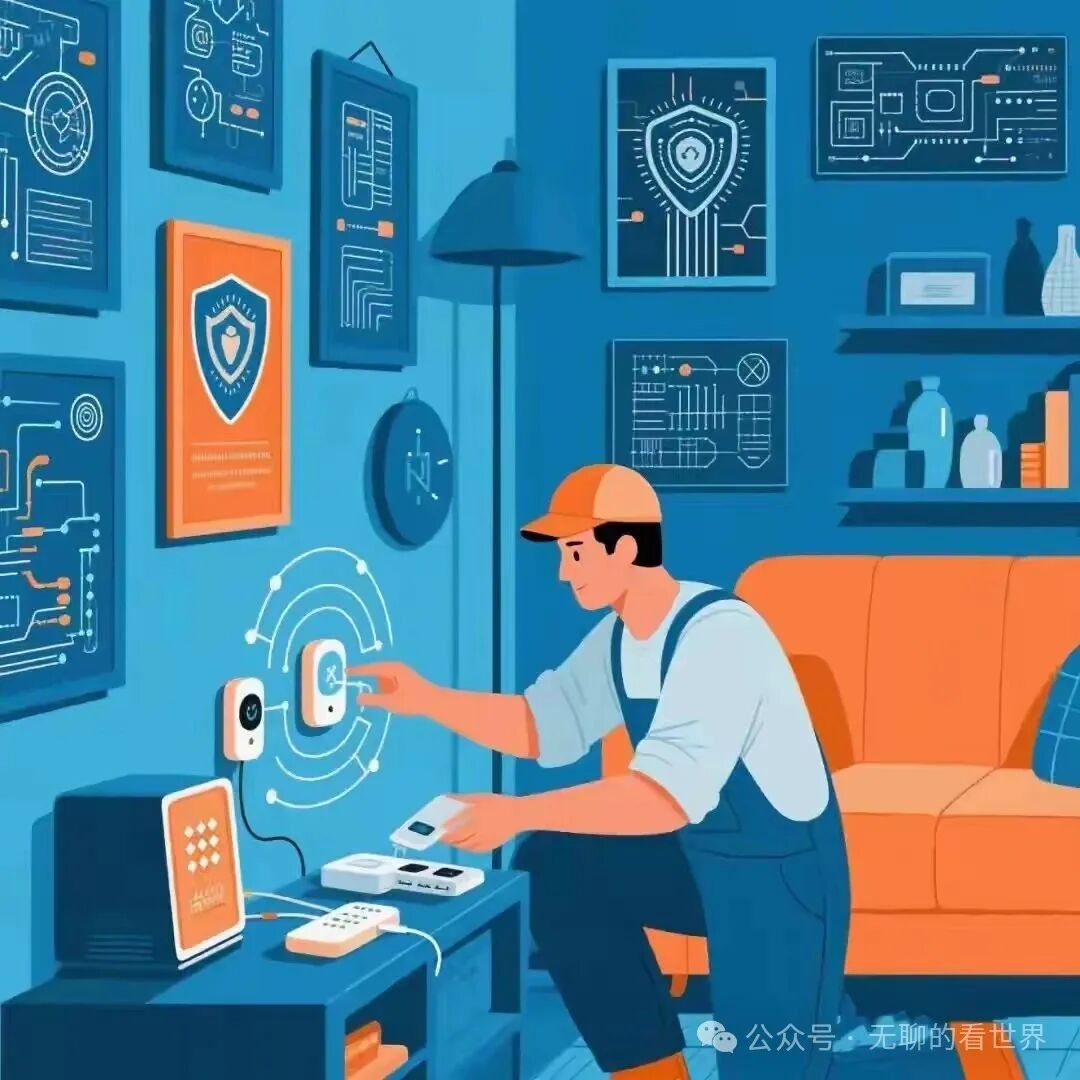
The protection provided by internet police goes beyond mere technical confrontation. Its essence is to build an invisible yet solid “firewall” with professionalism, isolating technical risks from the warm home. Every patch, every risk alert, and every case solved is a way to re-anchor the “home”, the softest place, onto a secure coordinate. When internet police enter communities to explain safety knowledge, the sight of them patiently guiding the elderly to set complex passwords has long transcended cold law enforcement, becoming a warm landscape where technology and human feelings intertwine.

Smart homes are not security islands. When technology’s reach penetrates the fabric of life, only with professional forces like internet police as a shield and a high sense of responsibility as a spear can we protect this small piece of land called “home” from the erosion of the bit tide. The true warmth of technology lies not only in providing convenience but also in ensuring that every moment a smart light turns on, it illuminates the underlying safety and outlines of peace—this is the profound sense of security that internet police provide to “home” in the smart era.

(Note: Images sourced from Toutiao)