
When smart door locks and cameras trigger alarms, and smart curtains automatically adjust with sunlight, the “system synergy” of smart homes has become the core of user experience. However, this complex cross-device interaction is difficult for users to intuitively understand through flat drawings or text descriptions. The emergence of smart home 3D modeling technology transforms abstract smart logic into perceivable spatial scenes through three-dimensional visualization, becoming a key bridge connecting technological innovation and user cognition.
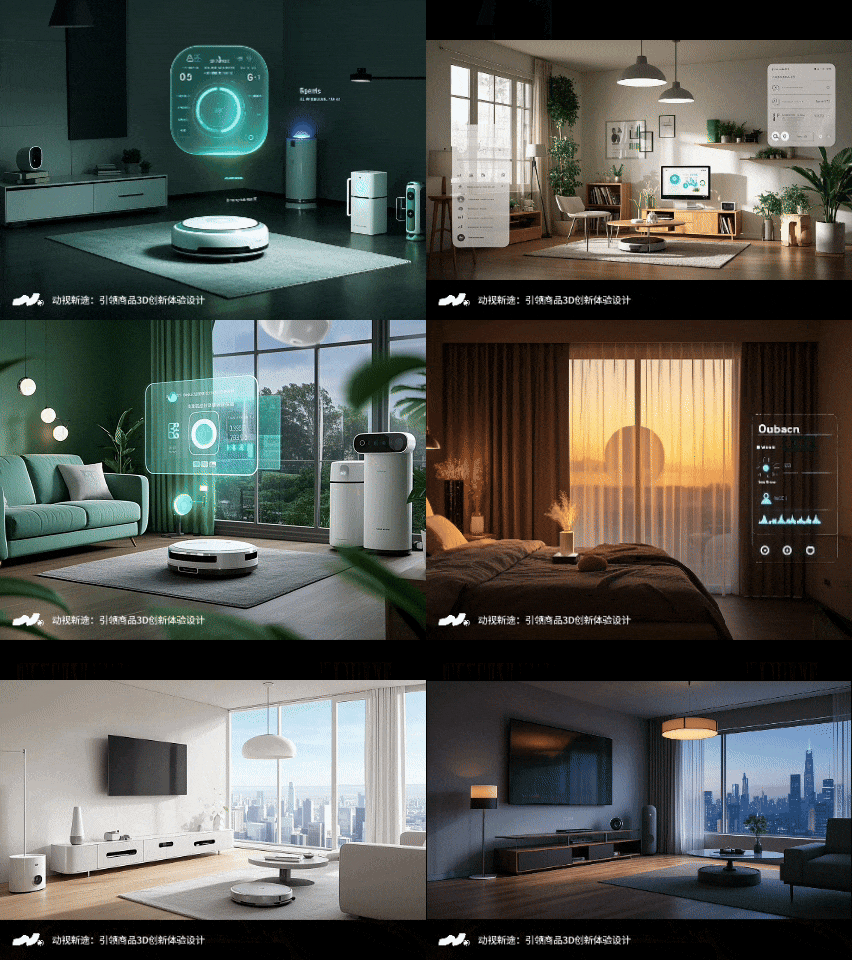
1. Three-Dimensional Translation from Device Form to Interaction Logic
The core of smart home 3D modeling is “virtual-real mapping,” which needs to achieve dual restoration of device physical properties and smart functions. At the device modeling level, it is essential not only to accurately present the curvature of smart speakers and the button layout of temperature control panels but also to hide technical details through parameter annotations—such as the maximum load power of smart sockets and the sensing sensitivity range of sensors (usually between 3-8 meters). A modeling team revealed that the device models obtained through laser scanning technology can control size errors within 0.1mm, ensuring a perfect match with the physical object.
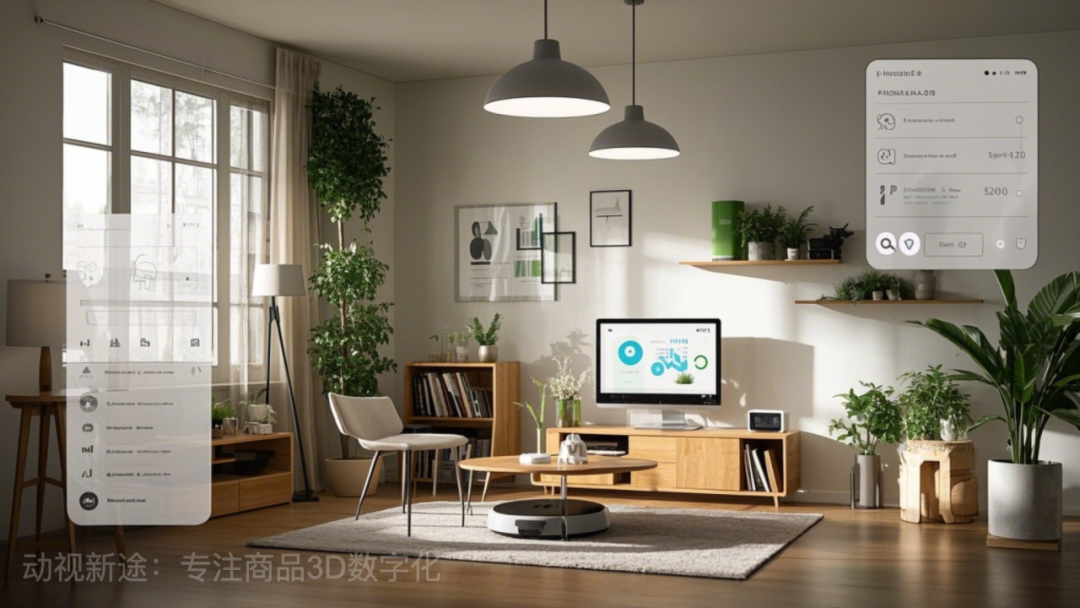
Visualizing interaction logic is a technical challenge. In a three-dimensional scene, the process of “door opening triggering light” needs to be broken down into: door lock sensor triggering signal → gateway receiving command → light module executing switch action, with each step presented using dynamic arrows or halo effects. To achieve this, modeling software must interface with the smart home protocol, directly calling the communication logic data of the devices, ensuring that the virtual demonstration is entirely consistent with the actual operational logic. A certain brand has enabled users to visually see the device response delay in different network environments (such as areas with weak Wi-Fi signals) within the model.
2. Scene Application: Full-Chain Value Throughout the Product Lifecycle
In the product design phase, 3D modeling serves as a “virtual laboratory” for function verification. Designers can test whether the night light brightness of a smart toilet affects sleep or adjust the position of the anti-fog module in a smart mirror cabinet to avoid blocking the camera. A certain bathroom company discovered through modeling that when the mirror cabinet is less than 1.5 meters from the water heater, the humidity sensor is prone to false triggering, and after timely layout adjustments, the product failure rate decreased by 27%.
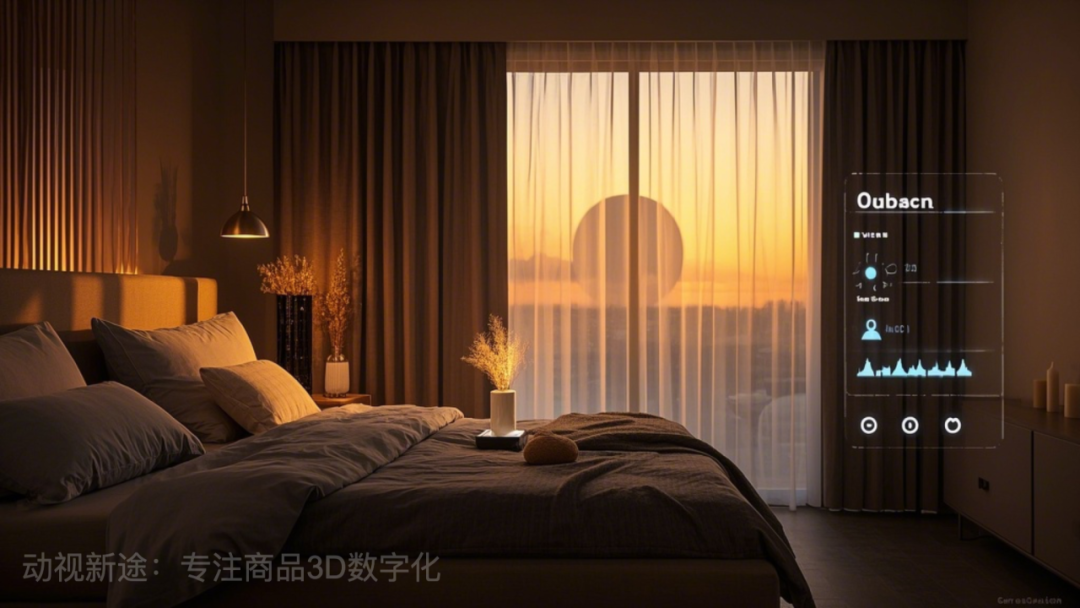
The value in the sales phase is even more intuitive. On e-commerce pages, users can drag 3D models to view the wireless charging area of a smart coffee table or click on the kitchen scene’s stove set to watch a dynamic demonstration of “automatic exhaust activation when oil smoke exceeds standard.” Data shows that smart home products displayed using 3D modeling have an average user page stay time extended by 2.3 minutes, with an increase in add-to-cart rates by 35%. In offline experience stores, 3D scenes operated via touch screens enable sales staff to explain the “whole-house smart mode” switching logic more efficiently, reducing customer understanding costs by 60%.
3. User Value: Lowering Cognitive Barriers and Optimizing Decision-Making Experience
For ordinary users, 3D modeling addresses the pain point of “difficulty in imagining functions.” Before renovation, homeowners can preview the smart home layout in a 3D model of their home type: testing the atmospheric effects of smart light strips at different color temperatures or simulating the synchronization process of curtains closing and lights dimming in “audio-visual mode.” A certain renovation platform’s tool shows that users who preview using 3D modeling have a 58% reduction in the modification rate of the final device installation positions.
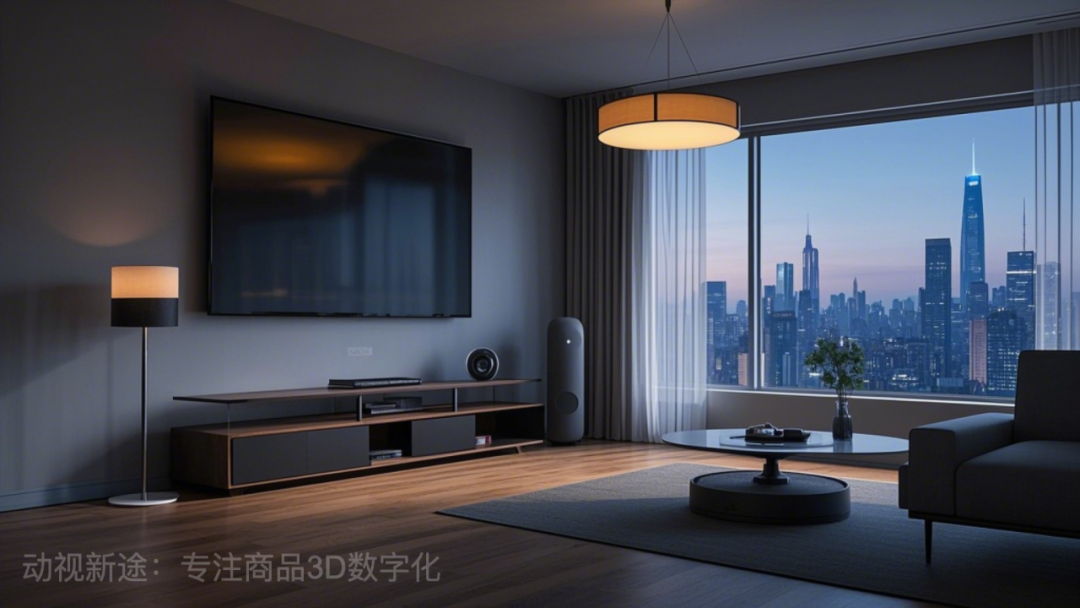
Personalized customization needs are also met through modeling technology. Users can independently replace the fabric material of smart curtains (from linen to blackout cloth), adjust the cleaning route of robotic vacuums, and even test the compatibility of different brand devices—such as linking brand A’s door lock with brand B’s security system to see if the interaction is smooth. This “what you see is what you get” experience transforms “customized smart homes” from a concept into an actionable plan.
4. Industry Impact: Promoting Technological Iteration and Ecological Collaboration
Smart home 3D modeling is accelerating the industry’s “standardization process.” Through a unified model format (such as glTF), devices from different brands can collaborate in the same three-dimensional scene, forcing companies to optimize interface protocols. Data from a certain industry alliance shows that after adopting standardized modeling, the success rate of cross-brand device interactions increased from 72% to 91%.
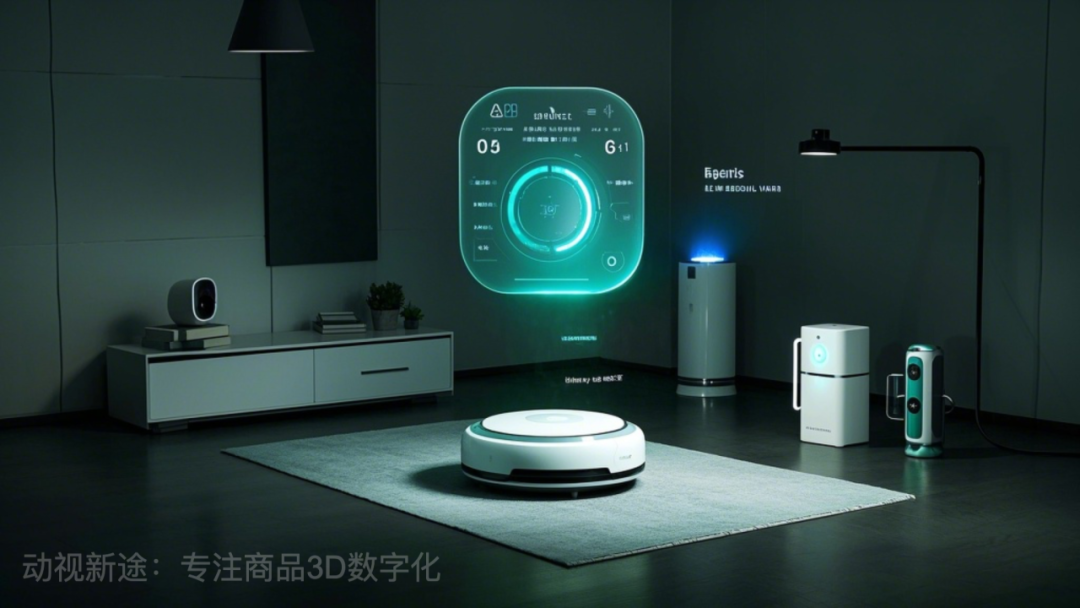
For small and medium-sized enterprises, modeling technology lowers the innovation threshold. Without the need to build physical showrooms, new products’ smart functions can be demonstrated to channel partners through 3D models, allowing a certain startup to reduce market expansion costs by 40%. On the supply chain side, factories can directly generate production parameters based on modeling data, improving the assembly accuracy of smart devices by 15% and shortening delivery times.
5. Future Direction: From Static Display to Dynamic Twin
Technological evolution is upgrading modeling to “real-time interaction.” AI algorithms can automatically optimize the device layout in the model based on user habits—such as suggesting the installation of smart switches next to frequently traveled routes after analyzing family members’ activity trajectories. The more advanced “digital twin” technology can synchronize 3D models with real home environments in real-time, allowing users to adjust air conditioning temperatures on their phones while the physical devices respond simultaneously, making remote management more intuitive.
In the wave of the metaverse, smart home 3D models are becoming the infrastructure of virtual life. Users can build “digital homes” in virtual spaces, test the operational effects of different smart scenes, and even share their “smart solutions” with other users. This addition of social attributes transforms smart homes from “tools” into “lifestyle carriers.”
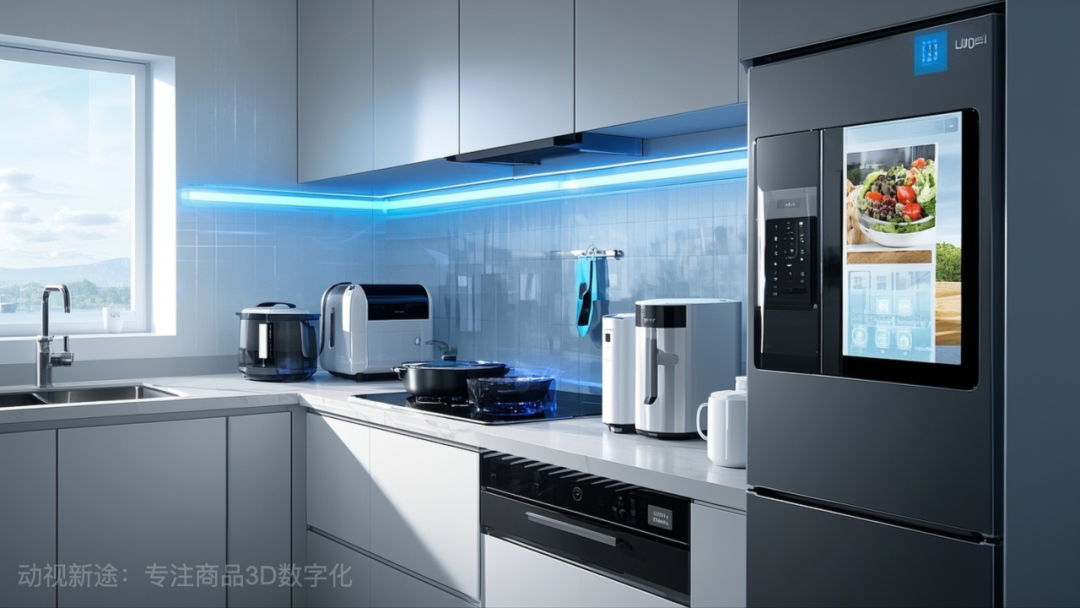
The essence of smart home 3D modeling is to use technology to eliminate the “smart black box.” It enables users to understand functions, allows companies to optimize products, and promotes collaborative innovation in the industry, ultimately driving smart homes from “technical accumulation” to “experiential implementation.” In today’s world, where users increasingly demand “simplicity and ease of use,” those who can make smart technology more “transparent” through three-dimensional visualization will gain the upper hand in market competition.