With the advancement of technology, smart home products have entered thousands of households. From routers to cameras and smart speakers, these devices make our lives more convenient and intelligent. However, when these electronic products are phased out due to upgrades or failures, their disposal becomes a challenge. Today, a noteworthy trend is emerging—the recycling programs for smart home products. This not only concerns environmental protection but also the recycling of resources.
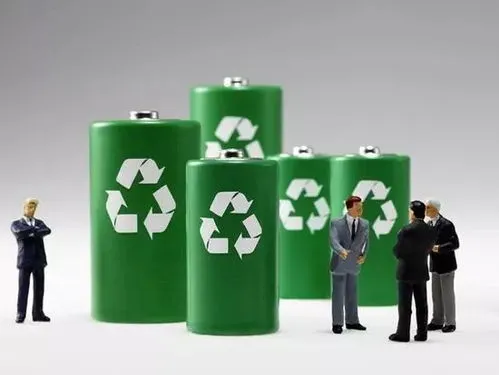
Why is Recycling Smart Home Products Necessary?
When it comes to discarded electronic products, many people might think of larger devices like phones and computers, but they often overlook the smaller yet equally important smart home devices. For example, an old router may contain a plastic casing and a metal circuit board; cameras have complex optical components; and smart speakers may include batteries, chips, and other core components. Each material requires specialized handling; otherwise, it may cause environmental pollution.
Note: Certain materials in electronic waste, such as heavy metals, are not only difficult to degrade but can also pollute soil and water sources. Therefore, proper disposal of these wastes is crucial!
Additionally, these devices contain many important resources that can be reused, such as copper, aluminum, and some rare metals. If these can be recycled scientifically, it can reduce the demand for new raw materials, thereby lowering the environmental impact of production.
How to Recycle Smart Home Products?
Currently, some companies and platforms have launched recycling services for electronic products, including one-stop solutions specifically for smart home devices. Here are the common operational processes:
1.Registration and Assessment: Users can apply for old device recycling services through brand websites or third-party platforms. After submitting information, a preliminary assessment will be conducted based on the device model and usage conditions, and a corresponding compensation price will be provided.
2.Shipping and Processing: Users will send the old devices to designated locations. These waste products will enter specialized factories for disassembly and classification, such as extracting reusable materials (like metals) and removing hazardous substances (like batteries).
3.Resource Reuse: The recycled materials can be processed and used to manufacture new electronic components or other industrial products, achieving a closed-loop of resources.
Note: When choosing such services, consider brands that support “reverse logistics,” which provide both recycling and delivery services to save time and effort.
What Can We Do to Participate in Smart Recycling?
As ordinary users, in addition to actively participating in these recycling projects, we can also take the following actions to make our lives more environmentally friendly:
•Choose Durable Products: When purchasing smart home devices, try to select reliable brands with long lifespans to reduce electronic waste from the source.
•Regular Maintenance: If you find that the router signal is unstable or the camera image is blurry, consider contacting after-sales service for repairs instead of directly replacing it with a new one. Sometimes, small issues do not require the complete disposal of the entire device.
•Focus on Sustainable Design: Some manufacturers adopt modular designs during production, making components easier to replace and upgrade. Such products are not only convenient for maintenance but also easier to disassemble and recycle.
Note: Before purchasing, you can check for relevant certification marks, such as “green design” or “environmental labels,” to understand whether the brand supports sustainable development concepts.
Smart Era Also Requires Intelligent Environmental Protection
We cannot deny the importance of technological development in improving the quality of life, but at the same time, we must also take on the responsibility of protecting the Earth’s environment. From commonly used small routers to the smart speakers that accompany us daily, every electronic device has its lifecycle. While enjoying the convenience of technology, learning to responsibly dispose of these “retired soldiers” is an important step towards a smart life.
Your small effort could turn a discarded chip into a part of a new electric vehicle; your environmentally friendly choice could leave more green space for the future. Join this action, and let every upgrade you make be a guardian of the Earth’s ecosystem!
Friendly Reminder: The next time you organize old items, consider whether there are any idle small electronic devices that can be sent to formal channels for green recycling. Let every inconspicuous small item play a big role!