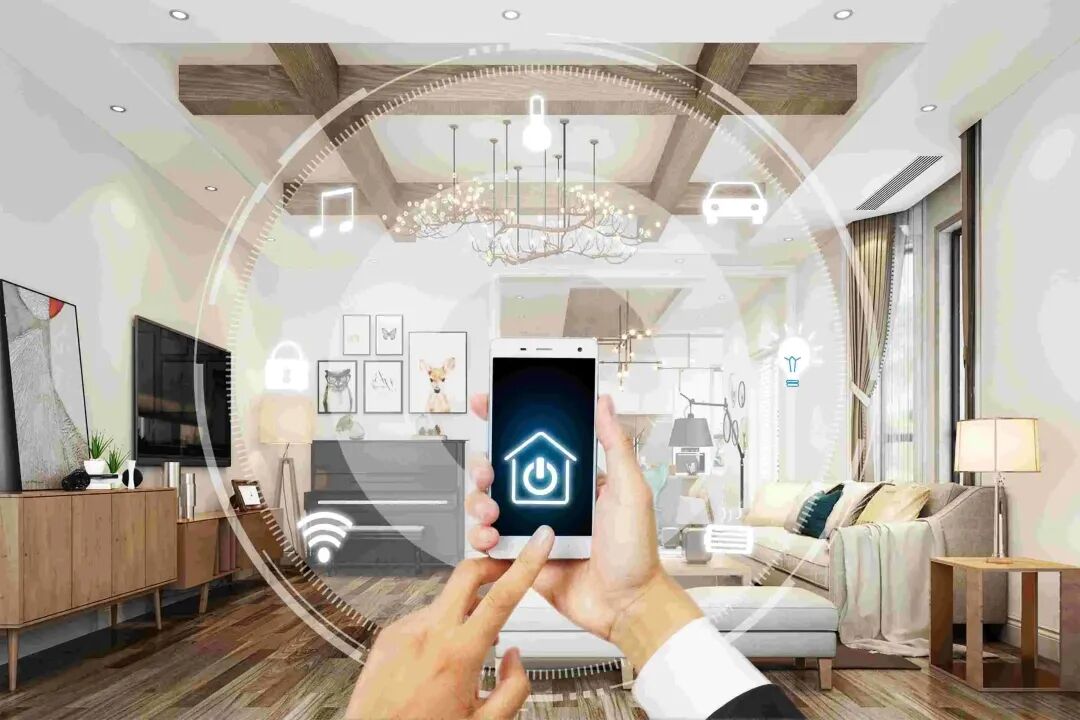
In today’s rapidly advancing technology landscape, smart homes have become the new favorite of modern households. From smart speakers to smart temperature control, from smart lighting to security monitoring, whole-home smart systems are gradually permeating our daily lives, bringing unprecedented convenience and comfort.
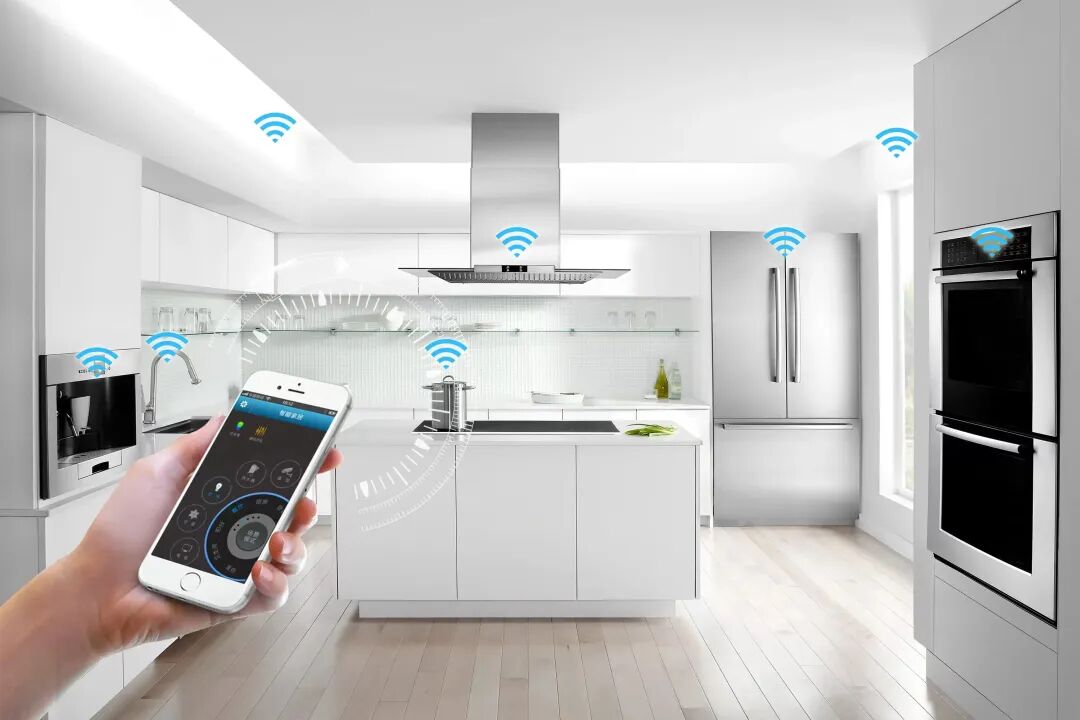
Today, we will delve into how to scientifically plan and implement a whole-home smart system, adding a touch of intelligence to your life.
Determining the System Architecture: The Foundation of Smart Homes
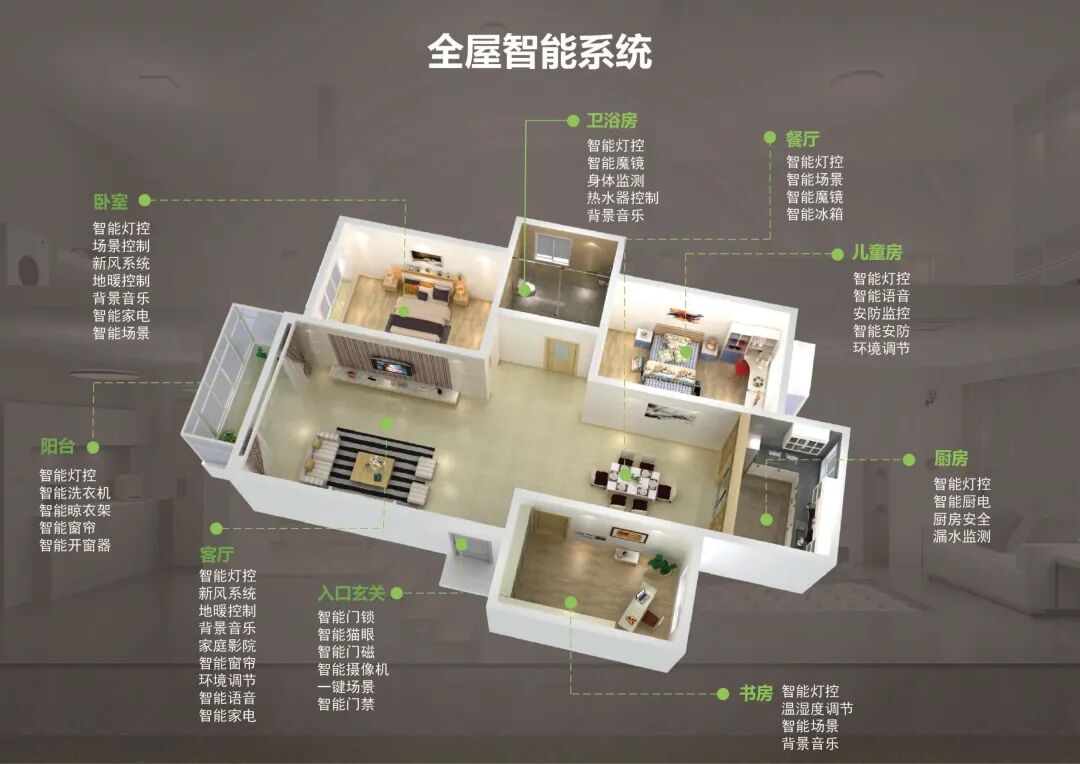
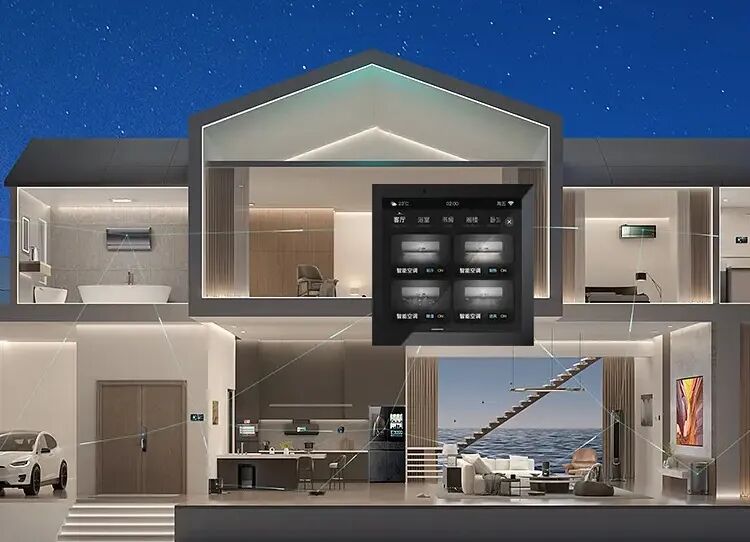
The starting point of a smart home lies in the design of the system architecture. This step is crucial as it directly affects the subsequent selection, installation, and debugging of devices. Based on the size of the house, the number of residents, and specific needs, professional designers will tailor a solution for you that includes smart gateways, smart speakers, security monitoring, smart temperature control, smart lighting, and other subsystems.

These subsystems need to achieve seamless connectivity to ensure smooth information flow, forming a complete and efficient smart home ecosystem.
Device Selection: Balancing Compatibility and Quality
When selecting smart home devices, compatibility is the primary consideration. The mainstream smart ecosystems on the market, such as Siemens, Apple, Huawei, Aqara, and Xiaomi, each have their unique features, and users need to make choices based on their needs and budget. It is worth noting that choosing products within the same ecosystem can ensure interoperability between devices, achieving a smoother smart experience.
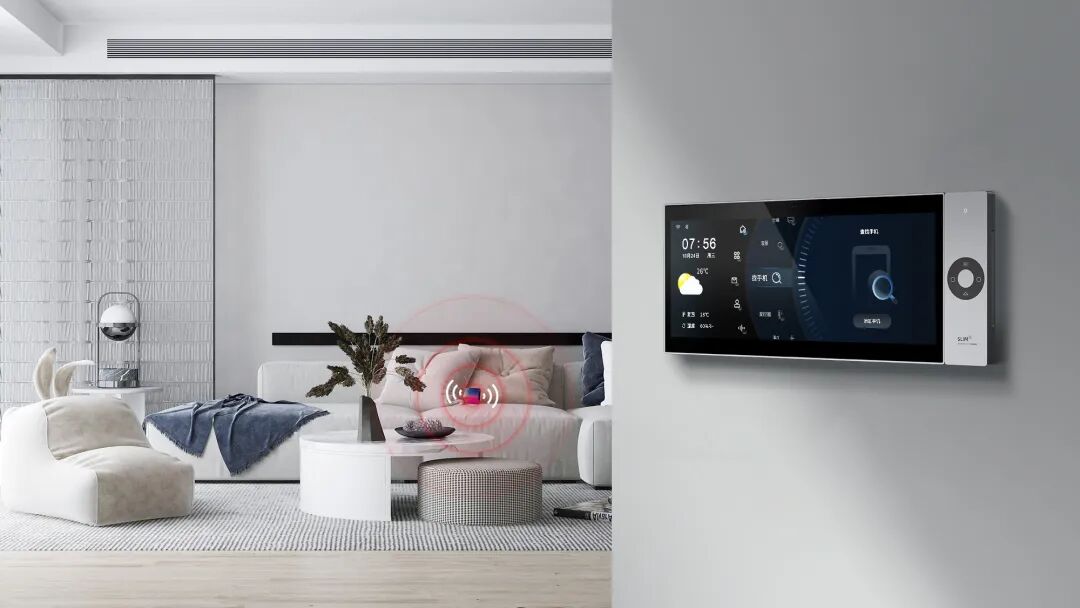
At the same time, the quality and stability of the devices are also crucial, as the purpose of smart homes is to enhance the quality of life, not to add troubles.
Wiring Planning: Laying a Solid Foundation
The wiring work for smart homes is a key step in the entire installation process. During the renovation phase, it is necessary to plan the power wiring, communication wiring, etc., based on the system architecture and selected devices. In particular, devices like smart switches that require a neutral wire should be prepared in advance.
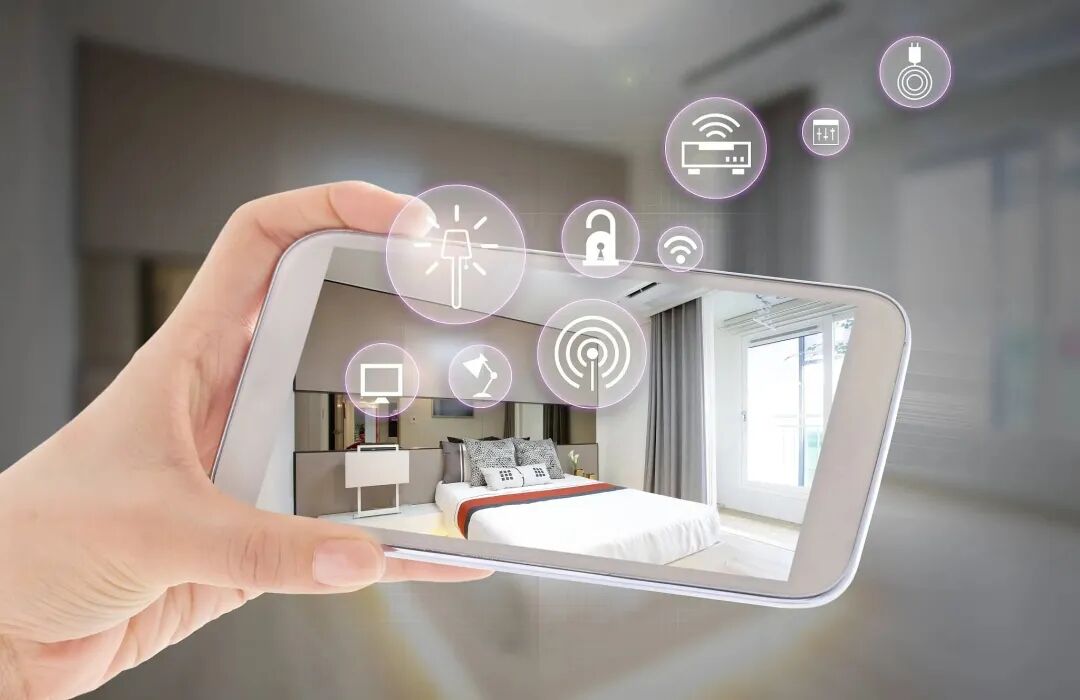
Additionally, the best connection and wiring solutions for devices like electric curtains and smart sockets should also be planned in advance to ensure smooth installation later.
Phased Installation: Details Determine Success
Installing smart home devices needs to be done in phases. First, install core devices such as the smart home central controller and smart gateway, which are the “brains” of the entire system, ensuring that the system can operate normally. Then, install various sensors, actuators, smart sockets, and other peripheral devices, connecting them to the main devices or smart gateway.
During the installation process, the placement and installation method of the devices are equally important, ensuring a wide sensing range and no obstructions for optimal performance.
Smart Lighting and Wi-Fi Coverage: Enhancing Living Experience
The smart lighting system is an important component of a whole-home smart system. The wiring plan for various lighting fixtures needs to be clarified during the early renovation phase, with necessary lines reserved. At the same time, the type of electric curtains, the width of the curtain box, and the location of power sockets should also be planned in advance.
Moreover, comprehensive Wi-Fi coverage is also key to the operation of smart homes. Choose an appropriate network solution based on coverage needs, such as AP+AC or Mesh networking, and even consider FTTR (Fiber to the Room) technology to reserve space for future network demands.
Integration and Optimization: Creating Personalized Smart Scenarios
When integrating various smart devices, users can reasonably match them based on budget and functional needs. The combination of devices from different brands and with different functions can create a rich and colorful smart living experience in various scenarios. For example, achieving the “lights on when someone arrives” effect through the interaction of smart lighting and motion sensors; or automatically opening and closing curtains through the combination of smart curtains and timers. Additionally, regular debugging and maintenance of the smart home system are essential to ensure stability and efficiency.
Building a whole-home smart system is a systematic project that requires scientific planning, reasonable layout, and meticulous installation and debugging. By selecting the appropriate system architecture, purchasing devices that balance compatibility and quality, planning reasonable wiring, installing devices in phases, and conducting detailed debugging and maintenance, we can not only enjoy the convenience and comfort brought by smart homes but also make family life safer and more efficient. The future is here; let us embrace the wonderful era of smart homes together!