When it comes to 3D printing, it is not unfamiliar to some people. It has permeated our daily life and work, and even many middle and primary school students are using it. However, many people still have a very vague and abstract impression of it. Besides knowing its name, what else do you know?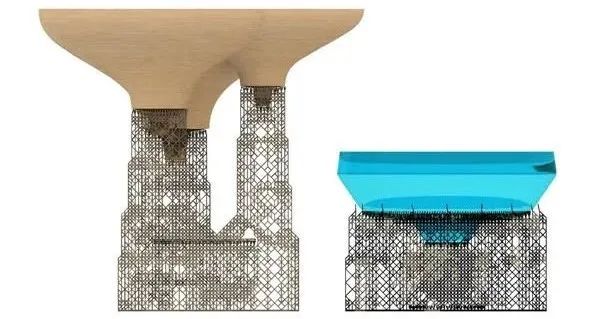 * 3D printed works: Skafoldo, 3Materialise, Belgium (Image source: internet)3D Printing Changes the Future In recent years, 3D printing has become a symbol of advanced technology, gaining popularity worldwide. In fact, 3D printing cannot be considered a new technology; it is hard to believe that the first 3D printer was born as early as 1983. It was only because of the high costs that it only entered the art and industrial sectors in the past decade or so, used to manufacture prosthetics, automotive parts, furniture, and jewelry. Due to its rapid development, perhaps one day in the future, 3D printing will be able to print humans like a god.
 * 3D printed houses constructed using robotics and 3D printing technology DFABHOUSE, Switzerland (Image source: internet) The Economist magazine in the UK believed many years ago that 3D printing technology would drive a new industrial revolution alongside digital production modes, categorizing this technology as part of the third technological revolution. TIME magazine in the United States also listed the 3D printing industry as one of the “Top Ten Fastest Growing Industries in America.” Just a few decades later, this technology has made significant progress, and 3D printing technology is no longer an unfamiliar term.
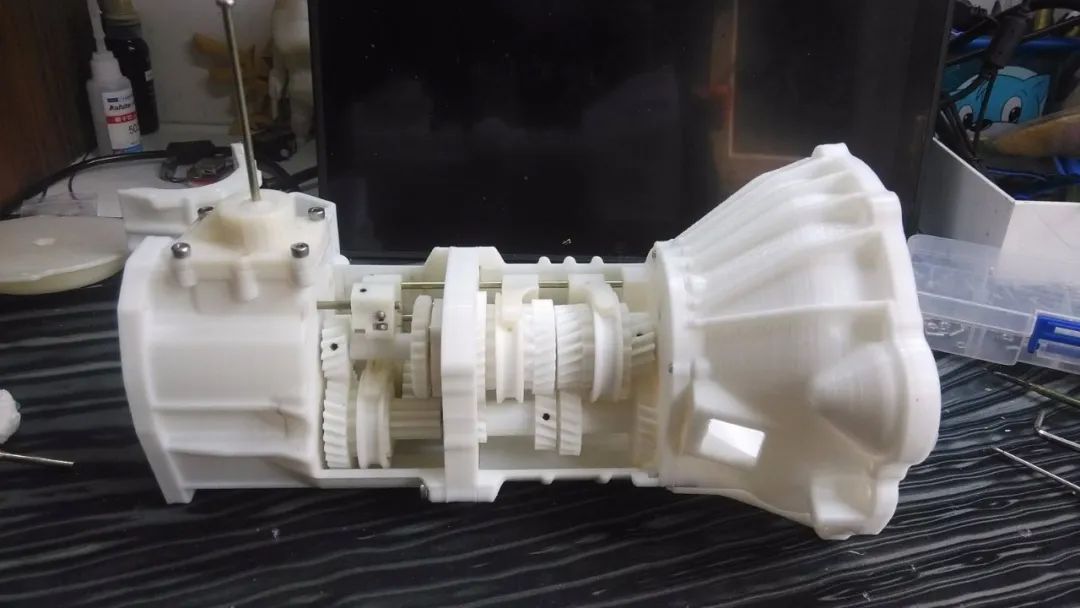 * A component manufactured using 3D printing technology (Image source: internet)3D Printing Changes Education In the field of education, 3D printing also plays a significant role. Educator Carol Ann Tomilson once said that 3D printing helps promote interactive learning, adapt to different learning styles, and ensure a more balanced distribution of educational resources. 3D printing may be the best way to change education. Since its establishment in 2016, Gear & Pear has advocated for the use of 3D printing technology in teaching, transforming imagination into physical objects through the use of 3D printers, creating a larger creative space for children to grow, and enjoying the joy of learning and creation together.
 * Children using 3D printers in the Gear & Pear maker space3D printing is a rapid prototyping technology, also known as additive manufacturing. It is a technology that builds objects layer by layer using powdered metals or plastics and other adhesive materials based on digital model files, through digital technology and material printers. Currently, common types of 3D printing technologies include FDM (Fused Deposition Modeling), SLA (Stereolithography), SLS (Selective Laser Sintering) and so on. Now, let Gear & Pear introduce them to you.
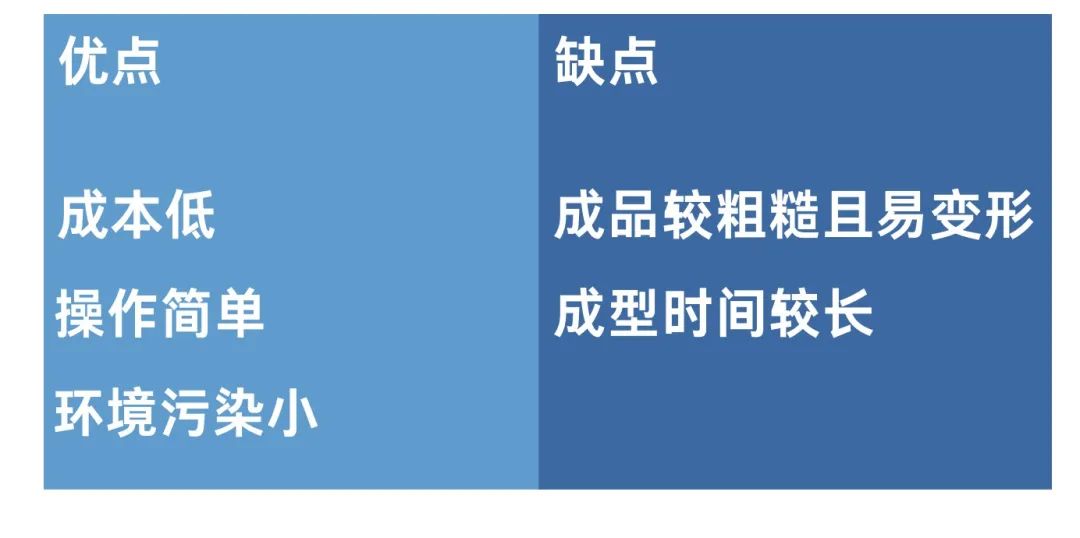
 FDM (Fused Deposition Modeling)Key materials: ABS resin, PLA (Polylactic Acid) Fused deposition is currently the most widely used 3D printing technology. Fused deposition modeling, also known as FDM, was developed by American scholar Dr. Scott Crump in 1988. It is a three-dimensional printing technology that uses thermoplastic materials as forming materials. This mature technology features simple processes, stable operation, rapid response, no dripping from the nozzle, high material utilization, easy equipment maintenance, low cost, and no pollution.
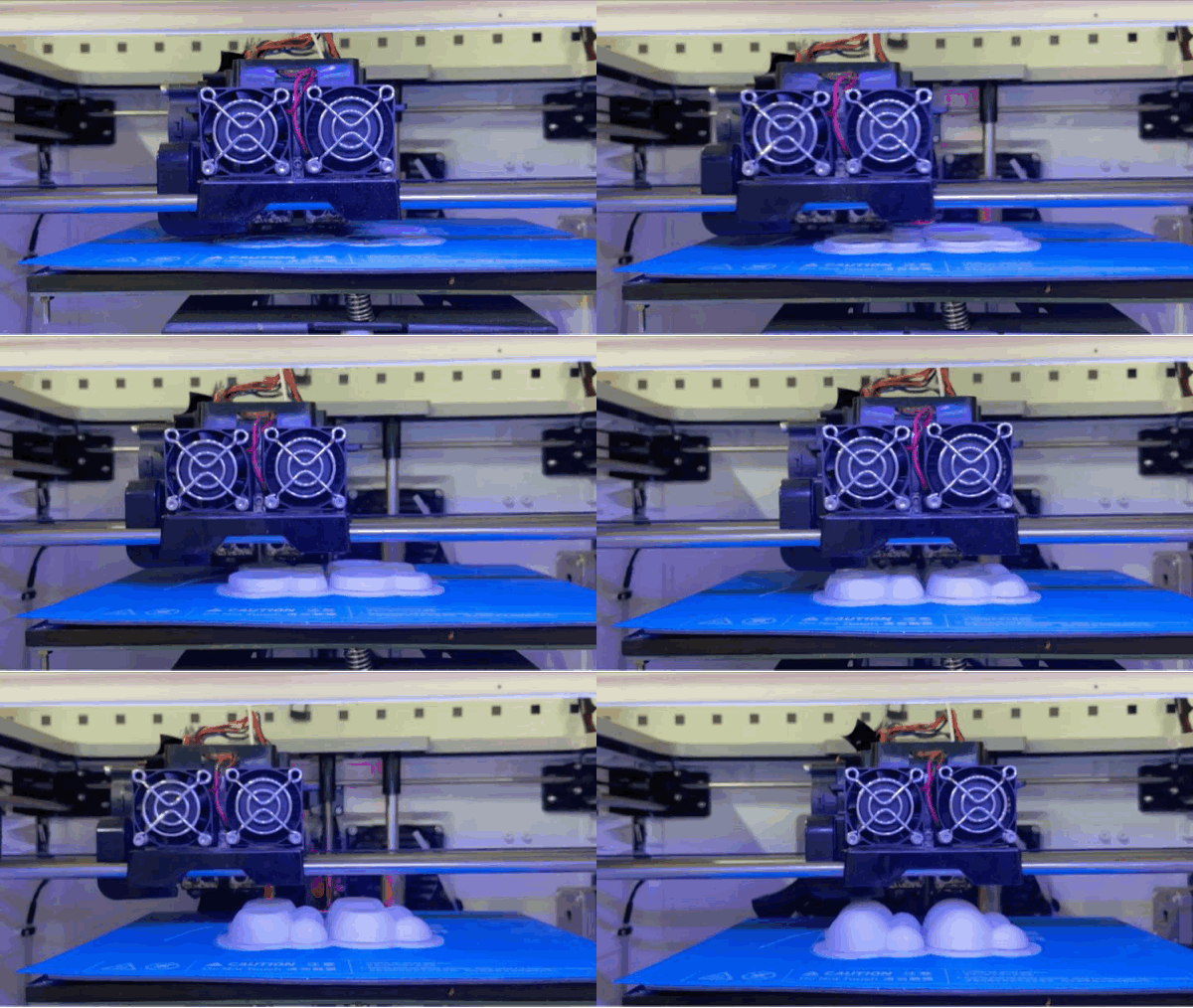 * The 3D printing process is accelerating crazily~ The materials used in the fused extrusion molding process are usually thermoplastic materials, such as wax, ABS, PC, nylon, etc. The material is fed in filament form, heated and melted in the nozzle, and the nozzle moves along the cross-sectional lines and filling trajectories of the part, extruding the melted material, which quickly solidifies and bonds with the surrounding material. Each layer is deposited on top of the previous layer, with the previous layer providing positioning and support for the current layer.
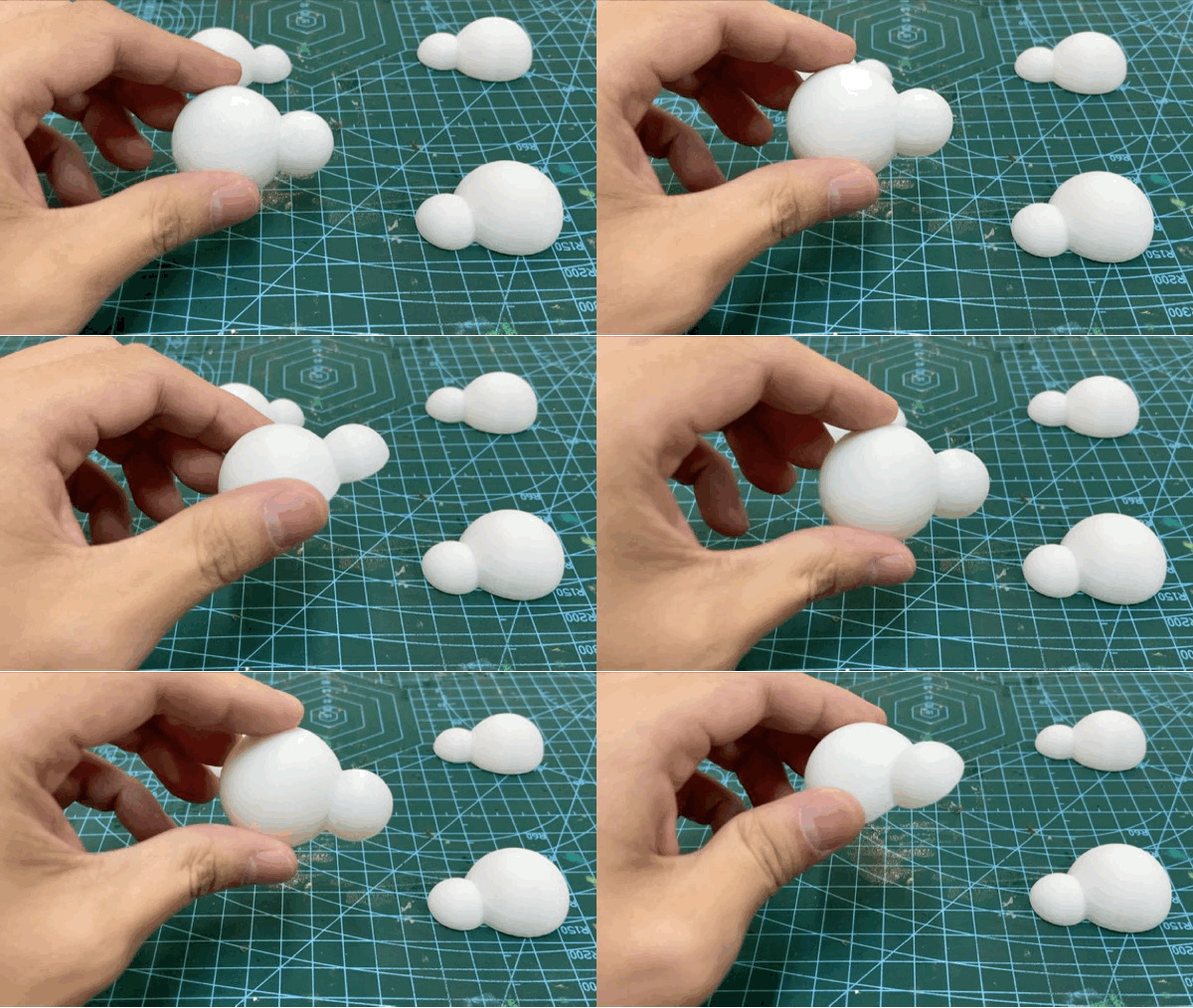 * A model of a Mars base created by FDM (Gear & Pear student work) In the Gear & Pear maker space, FDM is also the most commonly used 3D printing technology. The material used for printing is PLA, a new type of environmentally friendly biodegradable material. The straws used in the milk tea you often drink are made from this material.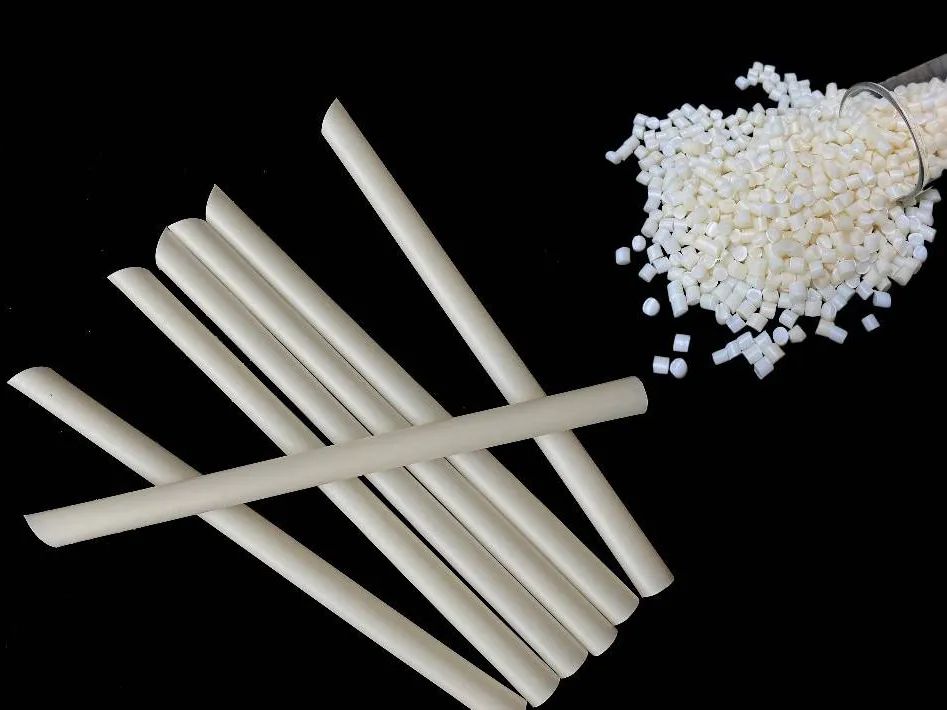
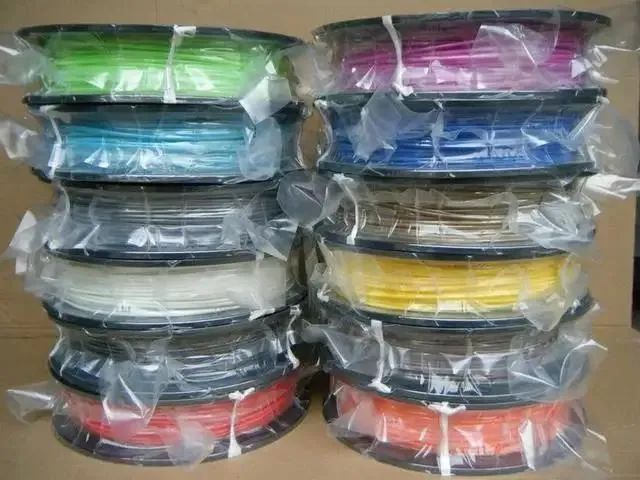 * PLA biodegradable straws, PLA printing materials
 SLA (Stereolithography)Key materials: Photosensitive resin SLA stands for