Click the blue text Follow usFOCUS ON US Ceramic 3D printing has always attracted attention. Nowadays, the industry has developed various commercial devices based on different 3D printing processes, suitable for various ceramic applications. However, it should be noted that ceramic 3D printing technology is not as mature as that of metals and polymers, and its application fields are far less extensive than the latter two materials, with the types of materials that can be manufactured largely limited to oxide ceramics. Non-oxide ceramics (carbides, nitrides, and borides) possess very desirable properties, including high thermal and electrical conductivity, as well as adaptability to prolonged exposure to high temperatures, chemicals, radiation, stress, and mechanical wear. Ultra-high temperature ceramics among non-oxide ceramics have the highest melting points (over 3000°C) and exhibit thermal and chemical stability in air above 2000°C. Due to their extreme refractory characteristics, they have garnered attention in aerospace, rocket propulsion, and hypersonic fields, where these materials can be used to manufacture thermal protection systems, nozzles, throats, and radomes, which are typically used in scenarios involving high heat flux, corrosive oxidizing environments, and rapid heating/cooling rates.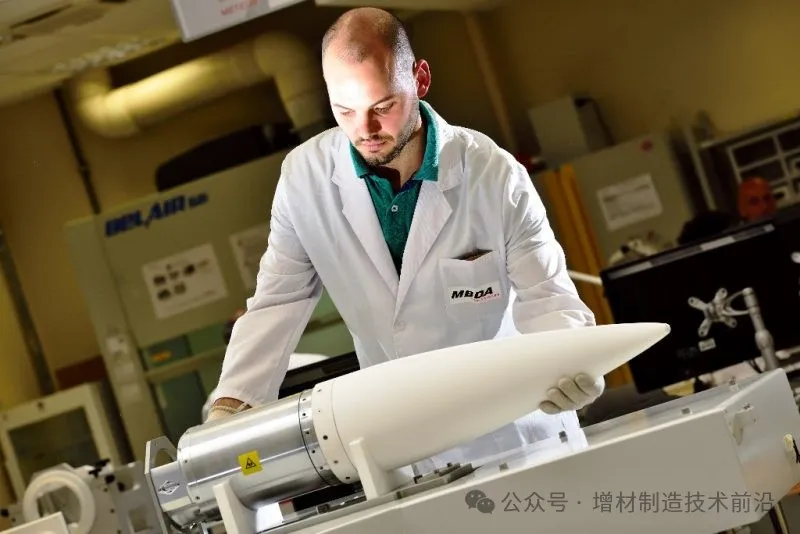
Ceramic radome on a missile
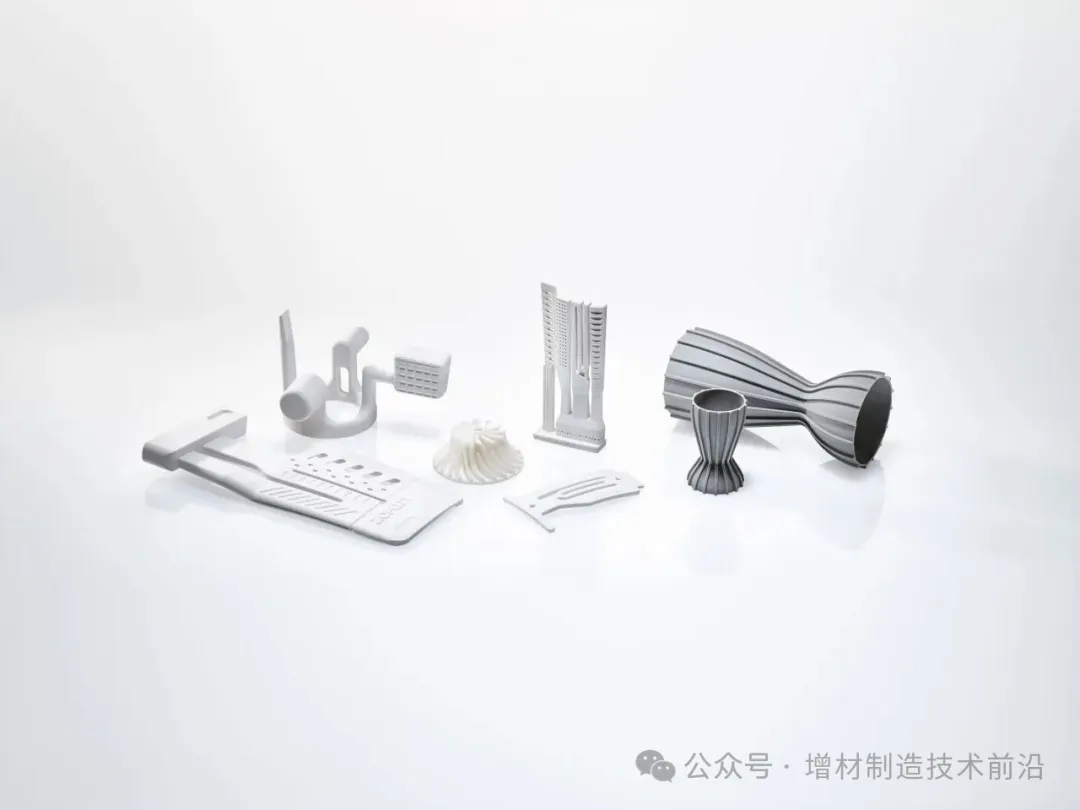
Aerospace applications of ceramic 3D printed products: high-temperature alloy turbine bladesInvestment castingSilica-based ceramic cores, zirconia centrifugal impellers, and combustion nozzles made from silicon nitride (from Lithoz)
Producing ultra-high temperature ceramics with complex structures using additive manufacturing or traditional ceramic processing techniques is both challenging and expensive. The strong covalent and ionic bonds in these materials inhibit sufficient atomic mobility to alleviate thermally induced stresses during the additive process, and heating to temperatures that induce flow may lead to decomposition, necessitating high post-processing temperatures and pressure-assisted techniques to produce dense components. These methods often limit geometric complexity to simple axisymmetric shapes (such as cylinders) or components without internal features. When forming refractory ceramics using 3D printing technology, the high-temperature sintering of particulate materials requires the incorporation of phases or organic additives (dispersants, binders, plasticizers, lubricants, etc.) to provide the necessary rheological and cohesive properties on non-reactive materials. For 3D printing of ultra-high temperature ceramic materials, high temperatures (> 2000 °C), slow heating (0.1–2°C/h), and hot isostatic pressing are required, as slow atomic diffusion hinders the densification and sintering of non-oxide particles. The forefront of additive manufacturing technology has noted that a group of researchers from Johns Hopkins Universitysuccessfully manufactured ultra-high temperature carbide ceramics using commercial systems. This is a 3D printing technology known as a two-step reaction, which produced titanium carbide (TiC) cubes and lattice structures with sub-millimeter resolution. Titanium carbide is a hard refractory ceramic similar to tungsten carbide, with a high melting point (3067°C), high hardness, extremely high compressive strength, resistance to chemical erosion, low friction coefficient, and high electrical and thermal conductivity. This material is typically used as a reinforcing component in metal matrix composites, and there have been no reports of it being 3D printed as a standalone material.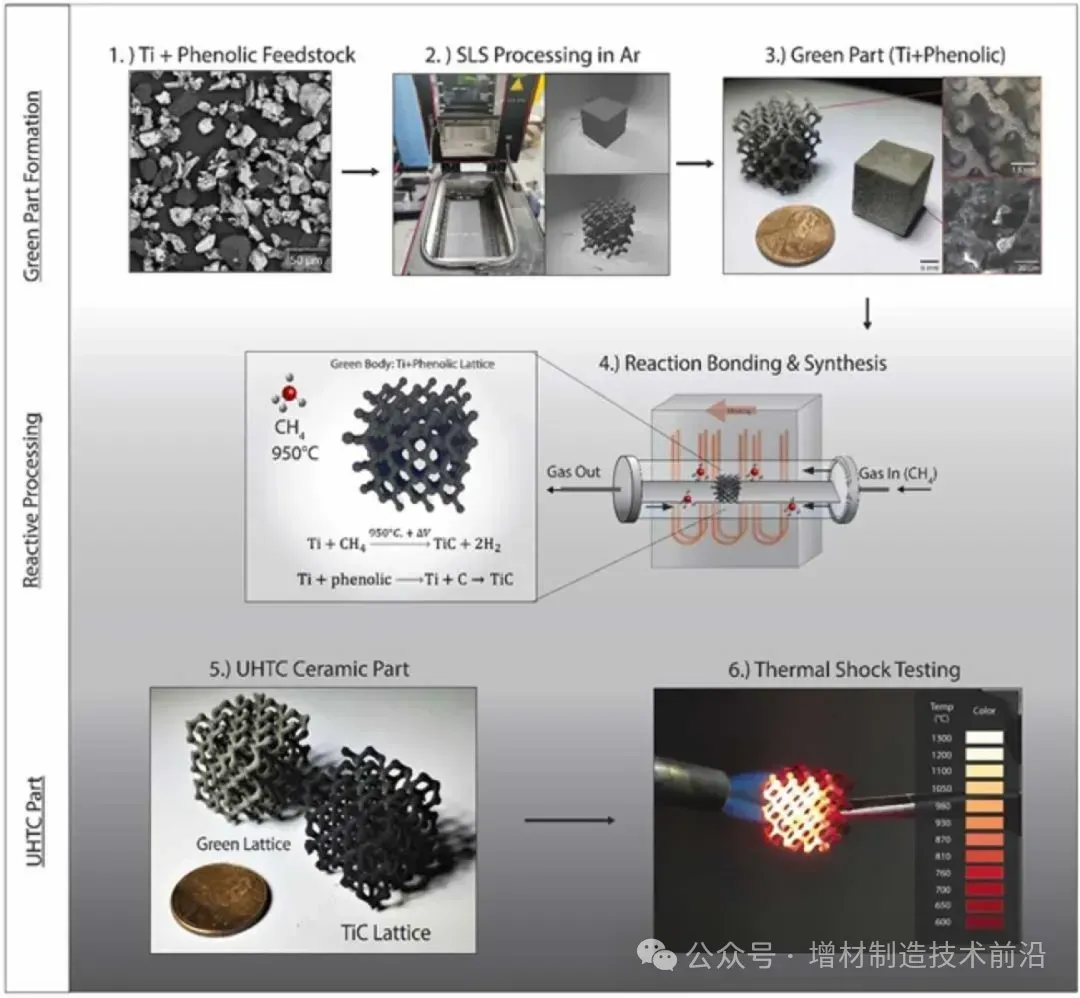 https://doi.org/10.1016/j.addma.2022.103318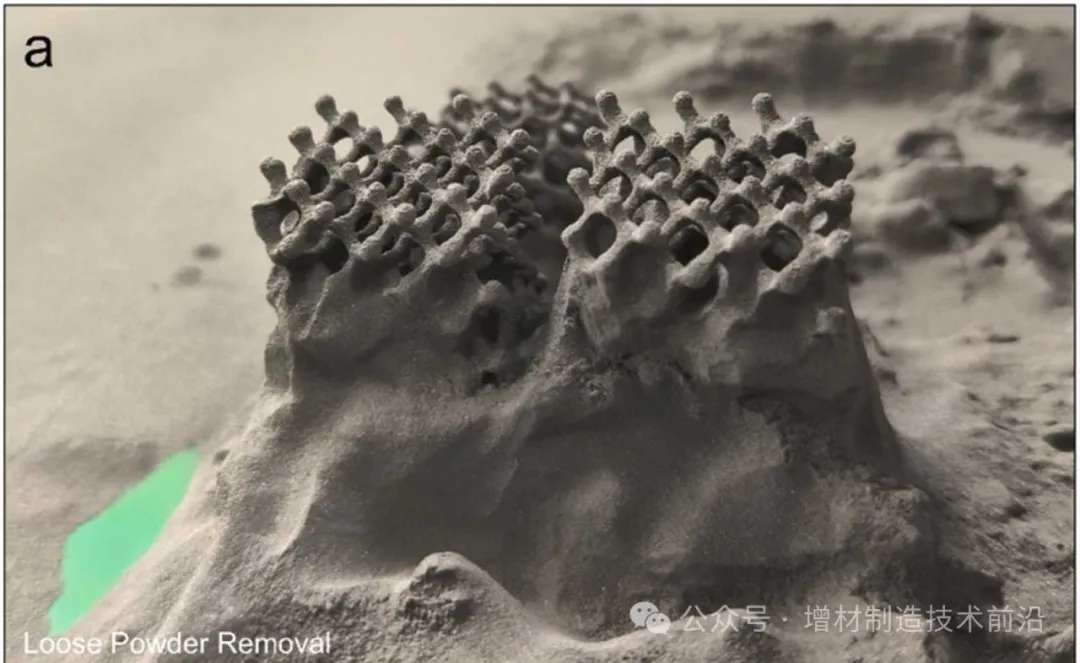
This study investigates the printed lattice structure without cleaning
The research primarily involves two important steps:
- Mixing titanium powder with phenolic resin and printing it into a green body using the powder bed laser sintering (SLS) process, during which argon gas is used for protection;
- Performing in-situ isothermal gas-solid conversion of the green body in a methane (CH4) atmosphere, resulting in ultra-high temperature carbide ceramicsTiCx; further processing is required to generate TiC from the reaction.
The study found that compared to other indirect additive manufacturing techniques that do not involve gas-solid reactions, the large amount of heat released when titanium powder reacts with methane promotes bonding between particles; simultaneously, the conversion of Ti to TiC causes volumetric expansion, compensating for the porosity generated by the decomposition of phenolic resin, thereby reducing material shrinkage and achieving crack-free samples.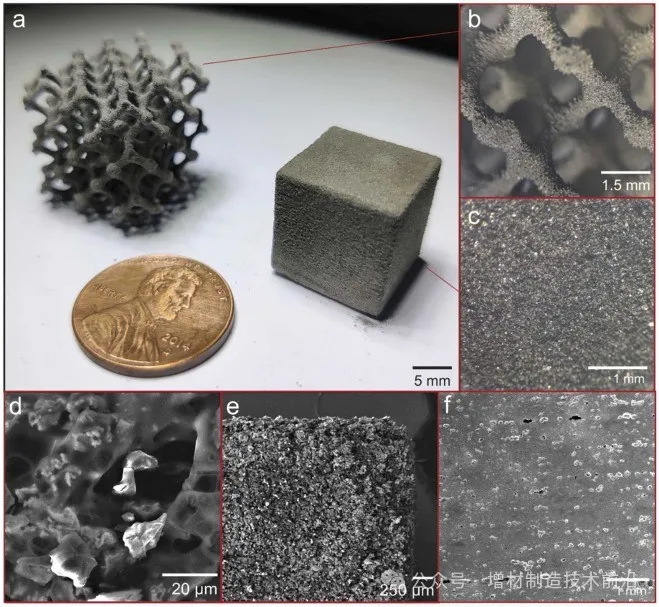
Green body of cubes and lattice structures
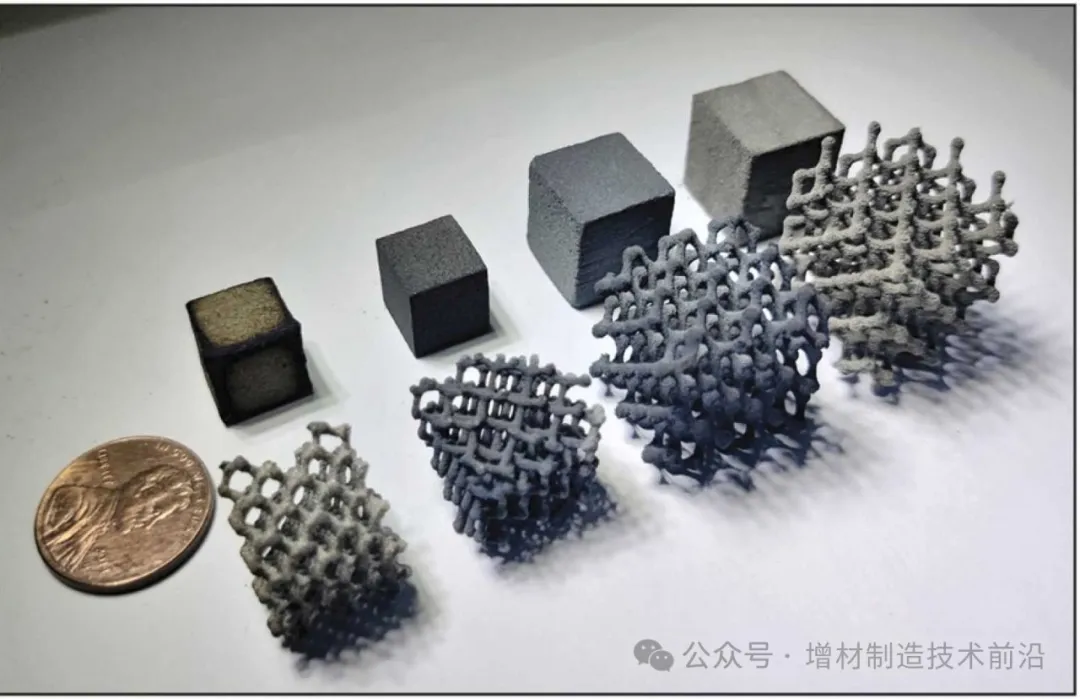
Comparison of the green body and the completed converted structure
Temperature control and heating duration can be used to alter the microstructure of the green body and adjust the conversion rate and amount of carbide, performing gas-solid reactions before the densification of the green body until the gas diffusion rate is limited. This two-step post-processing procedure may prove to be the most effective in creating dense, robust ultra-high temperature ceramic components. During this reaction synthesis process, careful control of temperature, gas composition, and processing conditions is essential to ensure the simultaneous occurrence of exothermic reactions, reaction bonding, and densification, thereby producing well-bonded, higher density TiC components.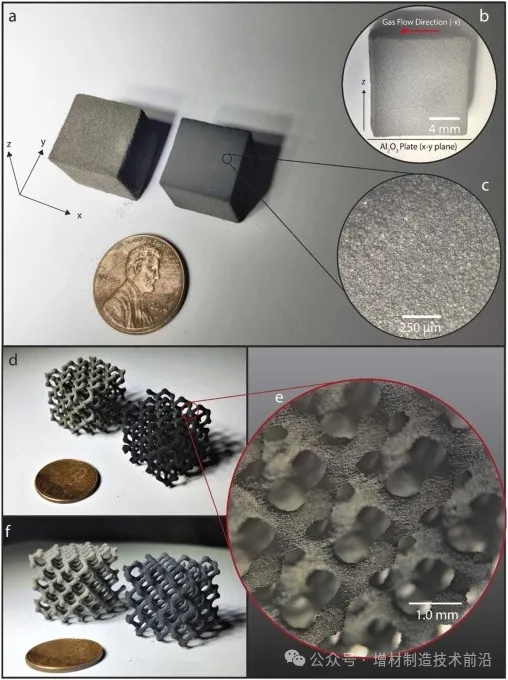
Details of the cubes and lattice structures manufactured using this technology
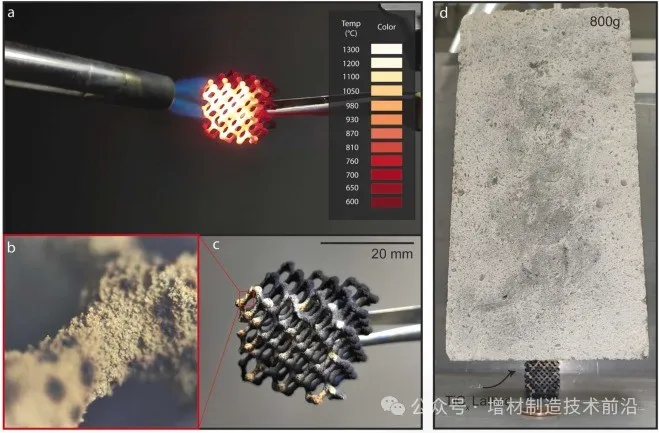 Thermal shock testing of the lattice structure Researchers used this technology to print cube blocks and diamond cubic lattice structures, achieving a resolution of 50μm for the lattice structure, which has sufficient strength and is crack-free. After rapid, high-temperature heating, the lattice structure was able to maintain a peak steady-state temperature of 1300°C for 2 minutes; the lattice that underwent thermal shock testing retained its mechanical properties and could support 800g of alumina refractory bricks. Overall, this research has pioneered a feasible method for the additive manufacturing of non-oxide ultra-high temperature ceramics, and further studies will advance this technology for applications in rocket propulsion, hypersonic thermal protection, and other extreme environments.
Source: Frontiers in Additive Manufacturing Technology
Scan below for more information