Applications of 3D Scanning and 3D Printing in Prototype Development
The diverse applications of 3D scanning and 3D printing technologies in prototype development play an increasingly important role. These technologies not only enhance the efficiency and accuracy of prototyping but also provide strong support for product design, production, and improvement. Next, we will introduce some common application cases of 3D scanning and 3D printing technologies in prototype development.
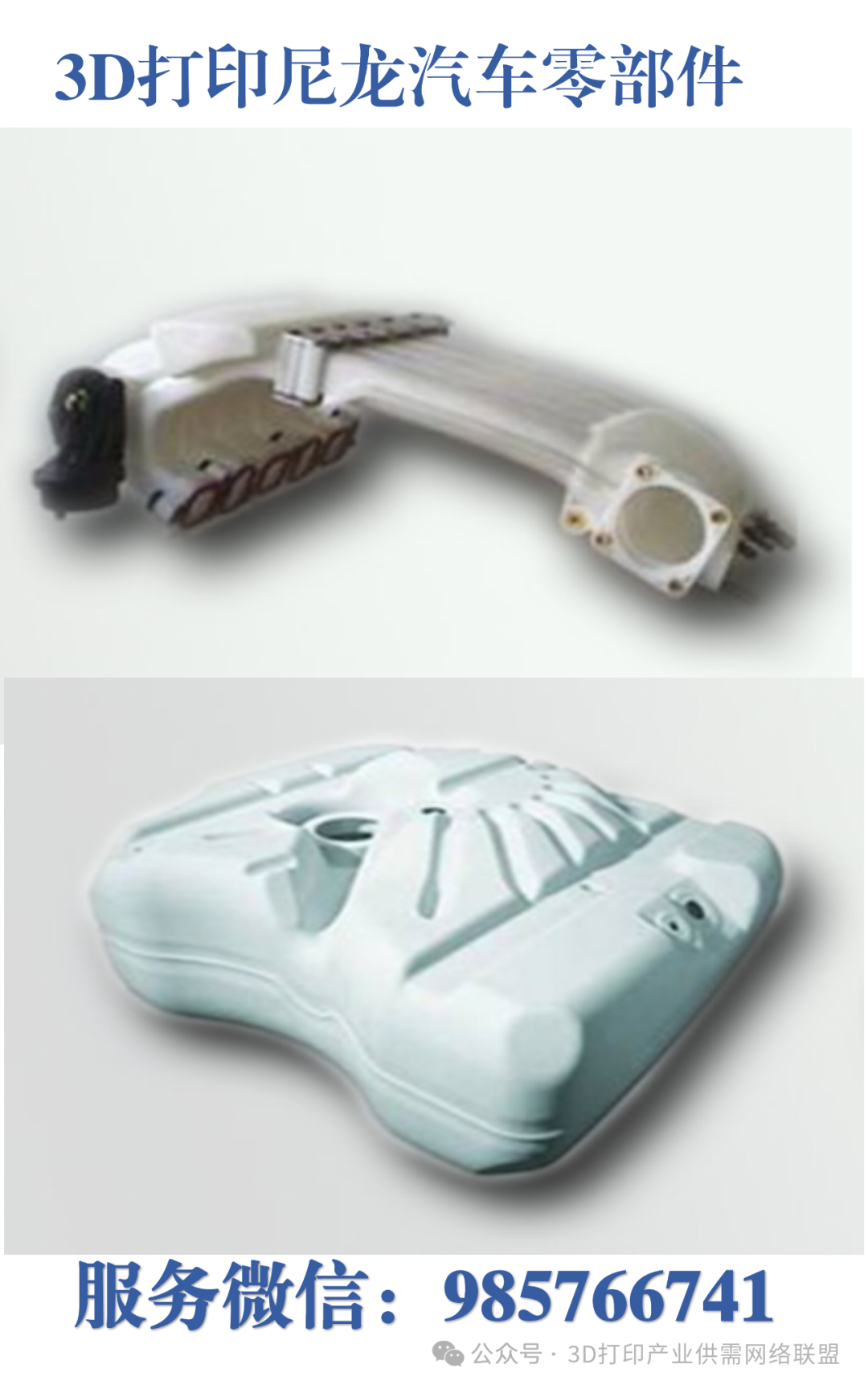
1. Applications in the Automotive Industry:
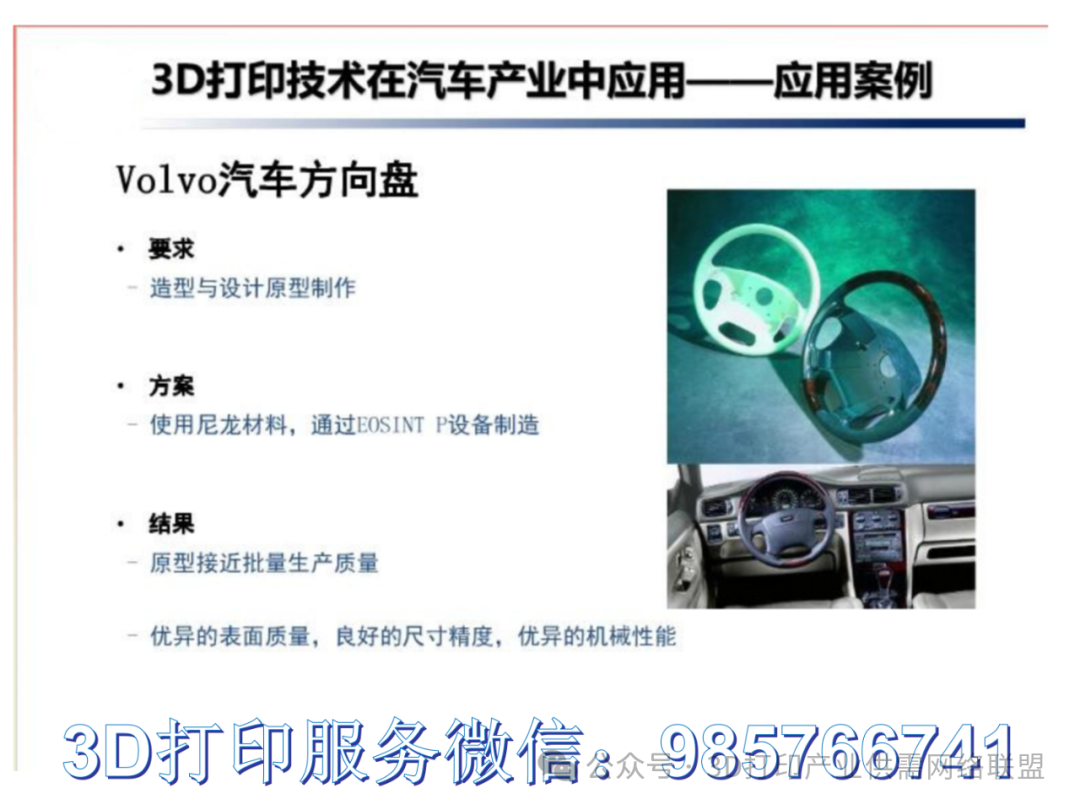
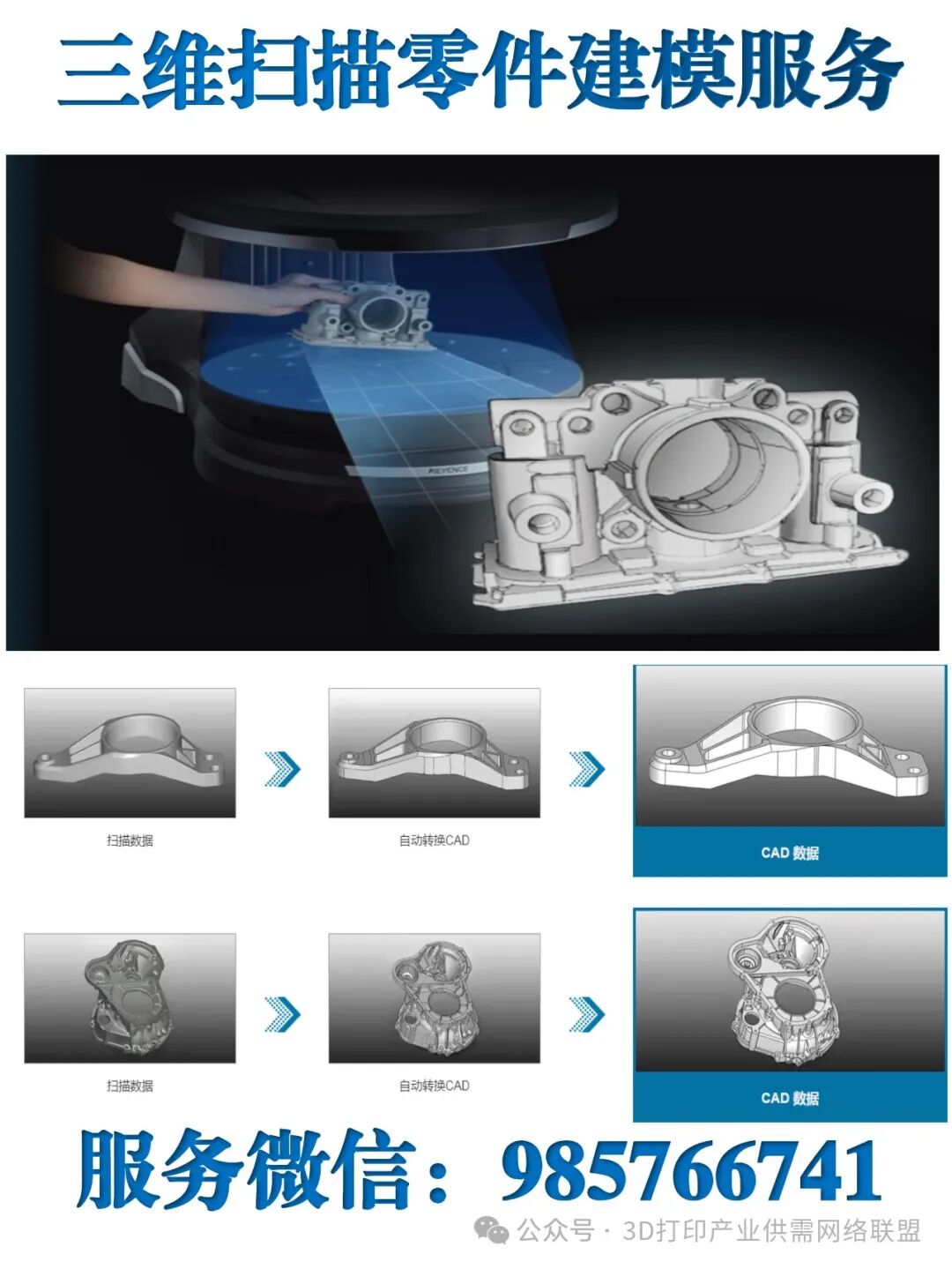
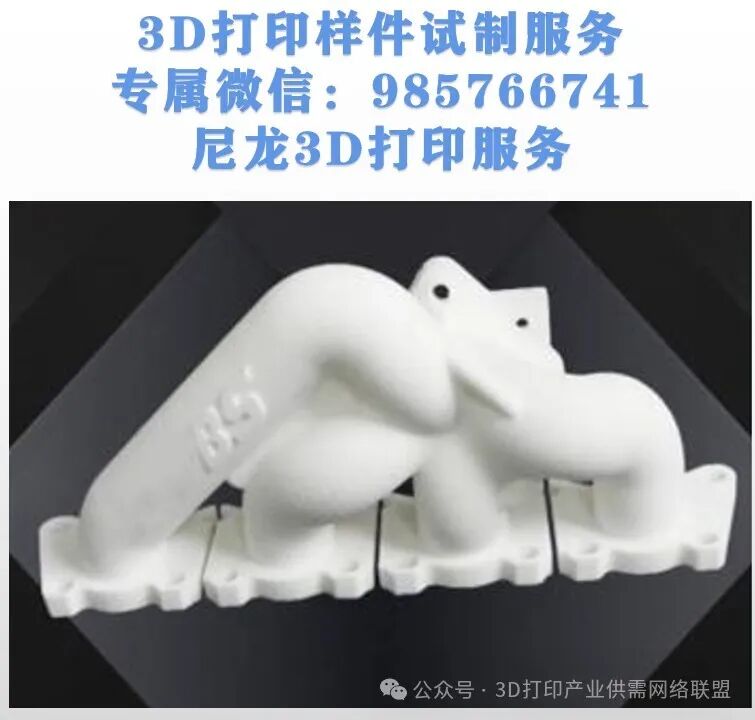
- Prototype Design and Validation: Automotive manufacturers obtain precise data of existing automotive components through 3D scanning technology, which allows for innovative design. Subsequently, they use 3D printing technology to produce prototypes for rigorous validation. For example, during the development phase of new models, 3D printing technology is widely used to create prototypes of body panels, interior components, and engine parts. These prototypes are not only used for visual display but also participate in structural validation and functional testing. FAW-Volkswagen is a leader in this area, producing approximately 5,000 automotive component prototypes annually using 3D printing technology to support new vehicle development.
- Tooling and Fixture Production: In the automotive production process, tooling and fixtures play a crucial role in ensuring precision and efficiency. 3D printing technology allows for the rapid production of prototypes of these tools for detailed validation and optimization. For instance, printing fixtures for specific vehicle components ensures accurate positioning during production.
- Wind Tunnel Simulation Testing: To enhance the aerodynamic performance of vehicles, wind tunnel testing is particularly important. 3D printing technology excels here as well, enabling the rapid printing of prototypes with various body panel shapes to provide diverse validation materials for wind tunnel testing. For example, the Ford team developed the new Mustang Dark Horse by utilizing 3D printing technology to create hundreds of different body panel shapes, identifying the optimal aerodynamic shape through wind tunnel testing.
2. Applications in the Aerospace Field:
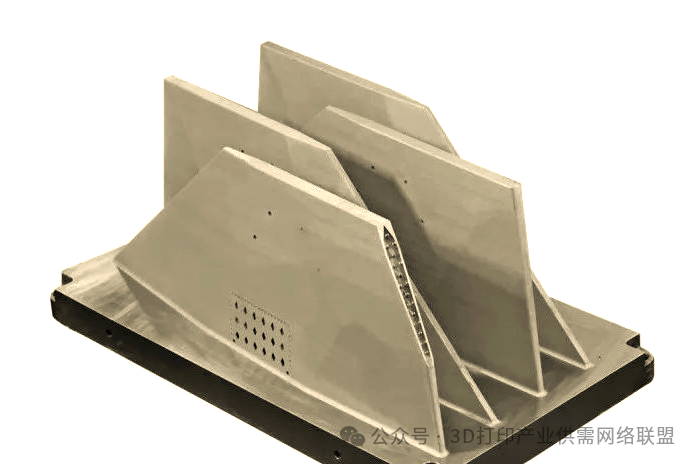
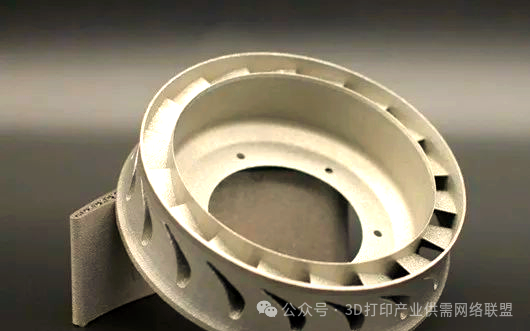
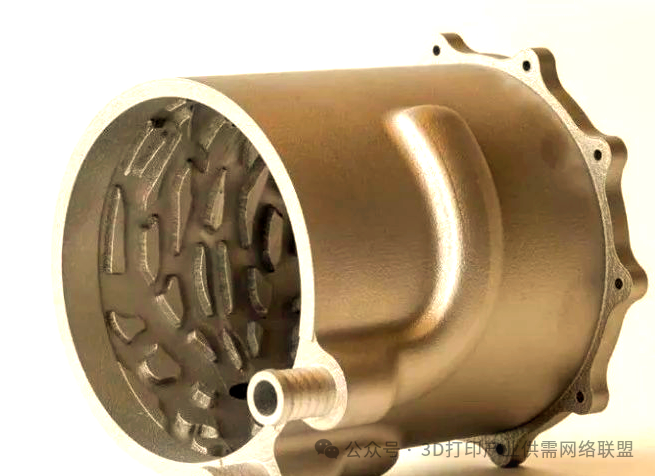
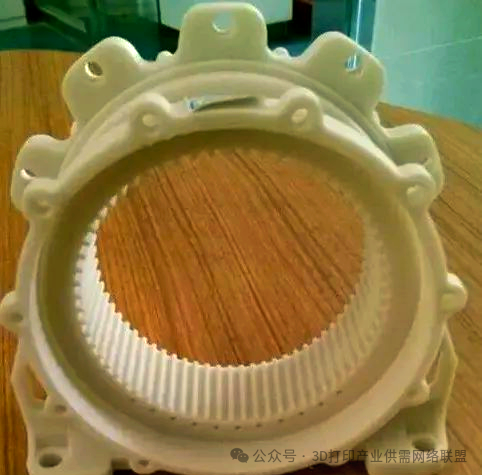
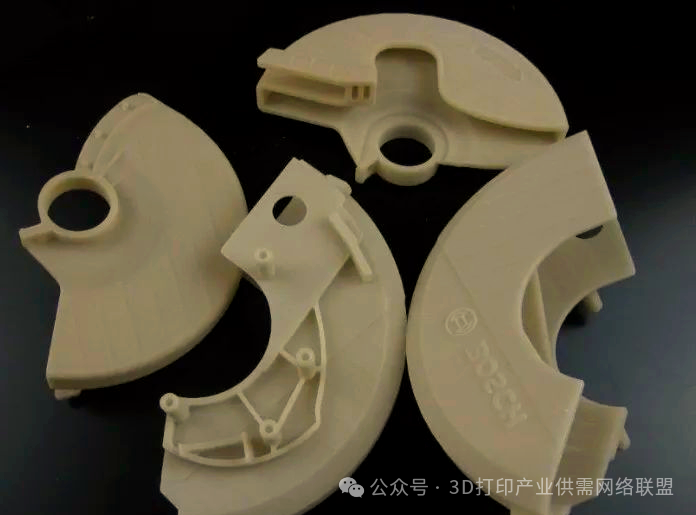
- Component Manufacturing and Replacement: In the aerospace field, there are extremely stringent requirements for the precision and performance of components. Traditional manufacturing methods often face challenges of complexity and high costs when dealing with intricately shaped components. However, by using 3D scanning technology for reverse modeling of existing components and then utilizing 3D printing technology, lightweight and high-performance components can be rapidly manufactured, facilitating convenient replacements of traditional components. For example, the Shenyang Aircraft Design Institute of AVIC successfully applied 3D printing technology in aircraft development, achieving in-situ replacements of some traditionally difficult-to-process parts.
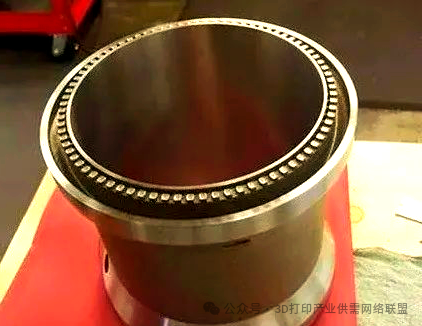
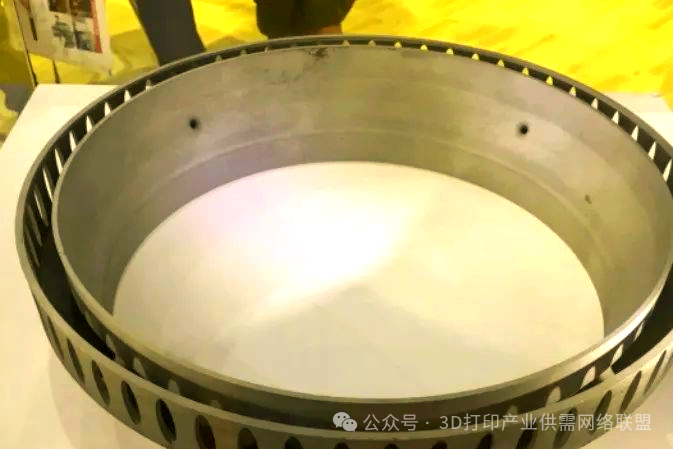
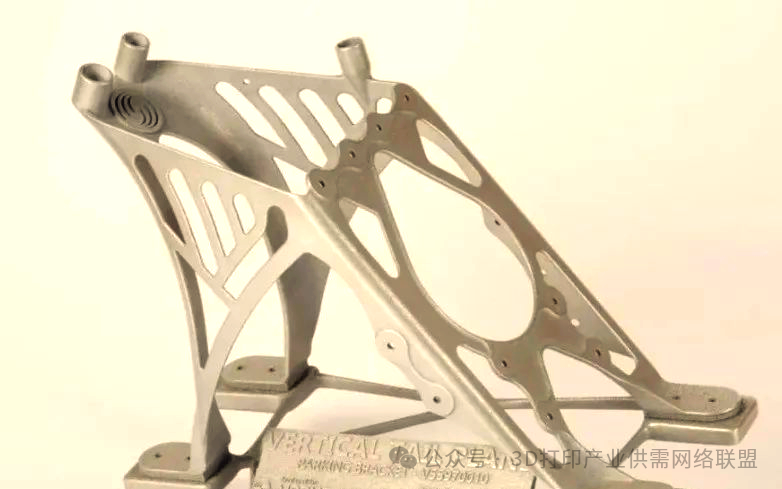
- Mold Manufacturing: The demand for molds in aerospace component production is significant. 3D printing technology allows for the rapid production of mold prototypes, enabling verification of design and structure to meet actual production needs, ensuring the quality of component formation.
3. Applications in the Medical Field:
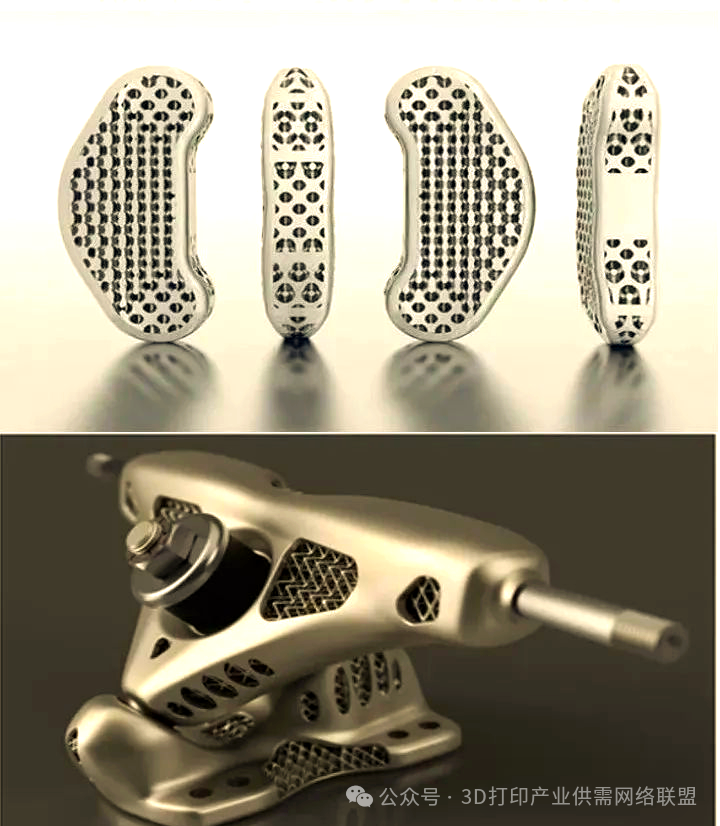
- Customized Medical Devices: We provide highly customized medical devices tailored to the unique physical characteristics and medical needs of each patient to achieve optimal treatment outcomes. By using 3D scanning technology to obtain precise data of the patient’s body parts, combined with 3D printing technology, we create prosthetics, orthotics, dental restorations, and other medical devices that meet patient needs.
- Surgical Simulation and Planning Optimization: When facing complex surgical challenges, doctors can use 3D scanning technology to capture detailed morphological data of the patient’s affected area, subsequently constructing a lifelike 3D model. Then, through 3D printing technology, this model can be printed to provide strong support for pre-surgical simulation and planning. This process not only helps doctors better understand the pathological situation but also significantly enhances the success rate of surgeries.
4. Applications in the Electronics Industry:
- Manufacturing of Electronic Product Casings: In the electronics industry, the appearance and structural performance of casings are crucial. Through 3D scanning technology, we can accurately obtain the morphological data of electronic product casings, and then quickly produce prototypes using 3D printing technology. These prototypes are used not only for appearance and structural validation but also provide strong support for the design of casings for mobile phones, tablets, and other electronic products.
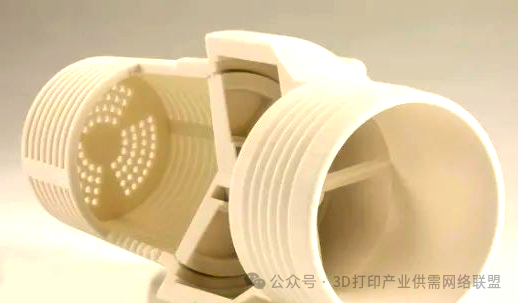
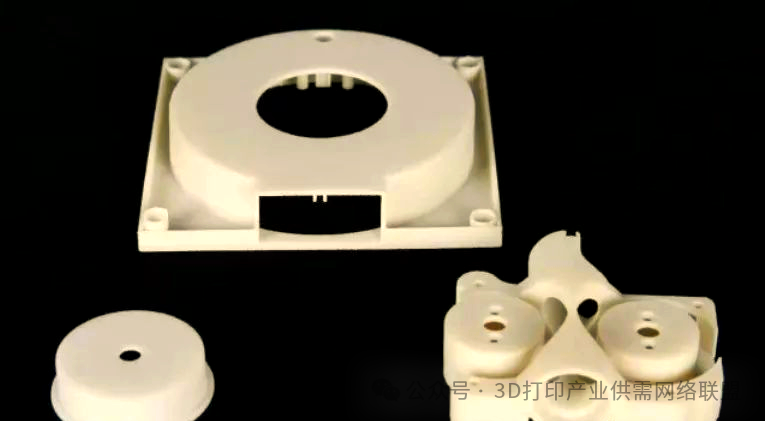
- Manufacturing of Internal Components: Many internal components of electronic devices exhibit complex shapes and structures, posing significant challenges to traditional manufacturing methods. However, with 3D printing technology, we can rapidly produce prototypes of these components based on design models, facilitating functional testing and validation. For example, internal gear assemblies in printers and camera mounts can be efficiently manufactured using this method.
5. Applications in the Machinery Manufacturing Industry:
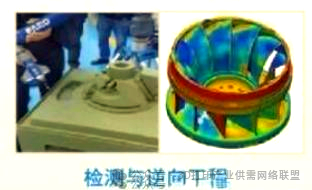
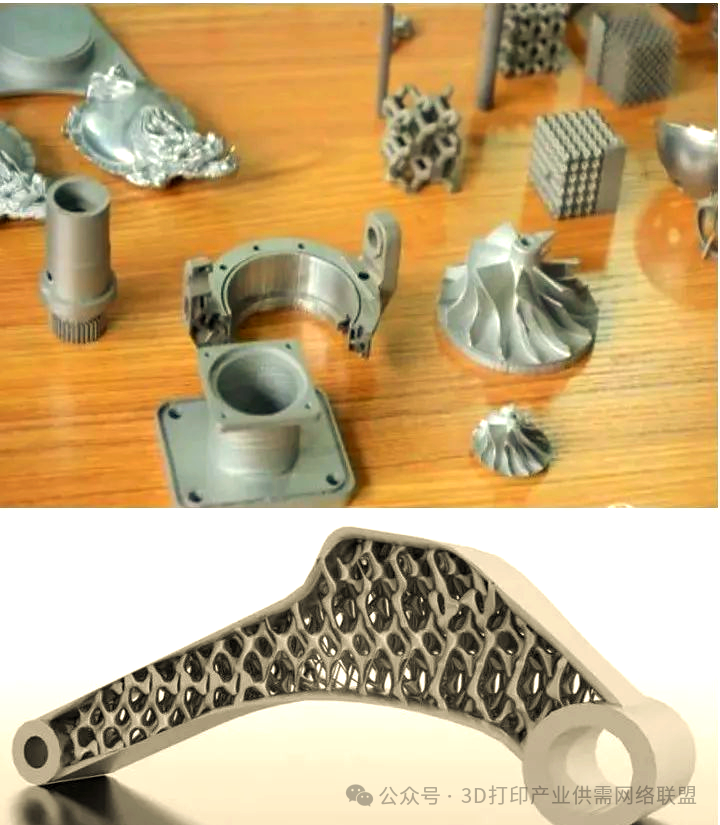
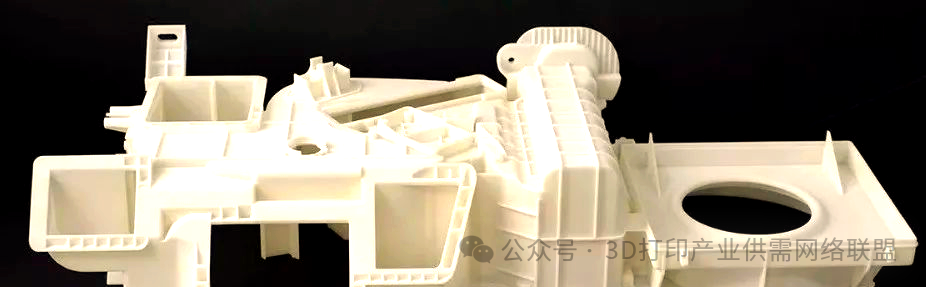
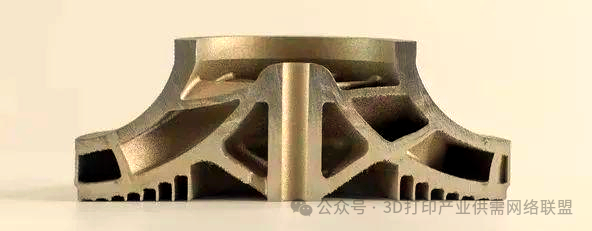
- Prototyping of Complex Components: In the machinery manufacturing field, it is often necessary to deal with components that have complex shapes and high processing difficulties. With 3D scanning technology, the 3D data of these components can be easily obtained, and then prototypes can be rapidly manufactured using 3D printing technology. These prototypes undergo assembly testing and performance validation, providing strong support for the research and development of machinery equipment. For example, the prototyping of key components such as gearboxes and turbine blades in large machinery can be efficiently and accurately achieved using this method.
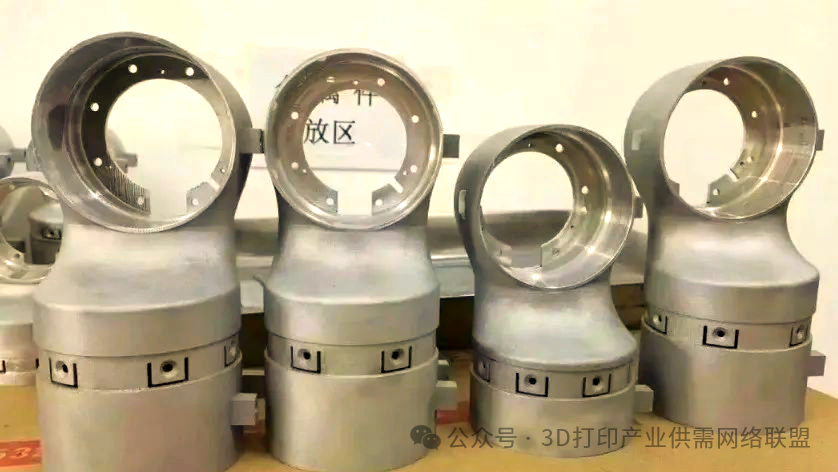
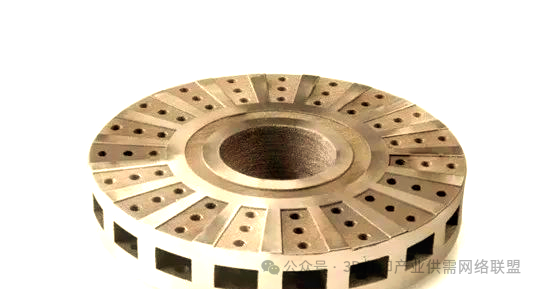
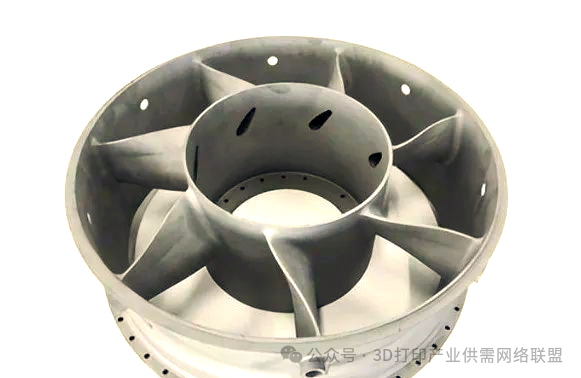
- Mold Repair and Optimization: In the machinery manufacturing process, wear or damage to molds due to long-term use is inevitable. By utilizing 3D scanning technology, we can accurately capture the wear or damage conditions of molds. Subsequently, combined with 3D printing technology, we can rapidly manufacture corresponding repair or improvement parts, allowing for timely and effective repair and optimization of molds, further extending their service life.