Recently, Aunt Lin in the neighborhood has been complaining about feeling low on energy after the seasonal change, having trouble sleeping at night, and lacking appetite.Her neighbor, Xiao Qin, who is a health enthusiast, shared with Aunt Lin, “I’ve been eating a few winter jujubes every day lately, and I feel quite good. You can give it a try, but don’t overdo it; just treat it as a regular fruit supplement.”Aunt Lin, with a mindset of giving it a try, started eating about 5 jujubes a day, and to her surprise, after a week, she noticed a change—falling asleep became easier, meals tasted better, and she felt much more energetic.The reason winter jujubes are so popular is their impressive nutritional value, especially their high vitamin C content, which provides gentle support to the body. Let’s discuss this in detail.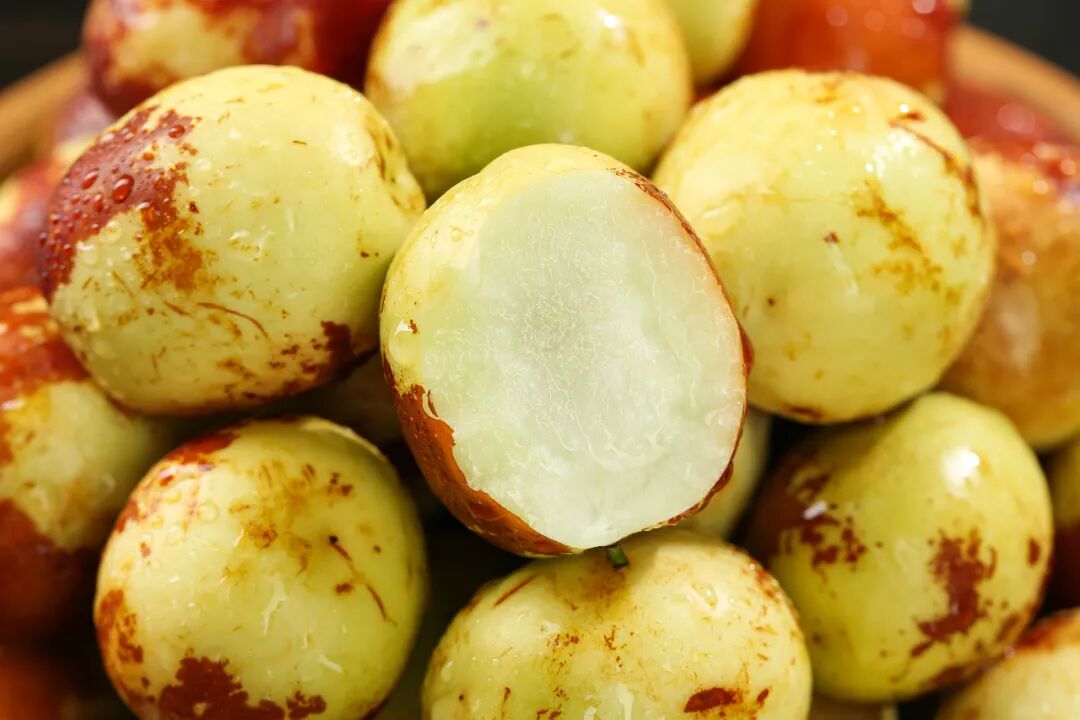 First, let’s talk about the vitamin C content, which is what everyone is most concerned about. This is not just a claim.Every 100 grams of winter jujube contains about 243 milligrams of vitamin C, while apples contain only about 4 milligrams per 100 grams, making winter jujube approximately 60 times richer in vitamin C.However, it’s important to clarify that while vitamin C is a “good helper” for boosting immunity, it is not a “miracle drug.”Aunt Lin used to catch colds easily during seasonal changes, but now, after eating a few winter jujubes daily and taking half an hour to walk in the morning and evening, she hasn’t caught a cold. This is because vitamin C supports the normal functioning of the immune system, and combined with regular exercise, it helps better resist pathogens; simply eating winter jujubes is not enough.Winter jujubes have a mild nature and are very friendly to the spleen and stomach.Aunt Lin used to feel bloated and had a poor appetite, but after eating winter jujubes, she gradually improved. This is because the carbohydrates in winter jujubes can quickly replenish energy, relieve fatigue, and the dietary fiber can gently promote intestinal peristalsis, helping to regulate gut flora and improve digestion.However, Xiao Qin also specifically reminded Aunt Lin, “People with weak spleens and stomachs shouldn’t eat too many raw ones. I always steam them for my mom; it’s gentler.”Aunt Lin tried washing the winter jujubes and steaming them for 10 minutes. They became soft and non-irritating, and after eating them, her stomach felt warm, and she no longer experienced acid reflux.Regarding the sleep and emotional issues that concern middle-aged and elderly people, winter jujubes can also play a supportive role.The glucose, fructose, and various amino acids they contain can help calm the nerves and alleviate mild anxiety.Aunt Lin used to get upset over small matters and would toss and turn at night, but now she eats 3 steamed winter jujubes before bed, which helps her calm down, shorten her time to fall asleep, and wake up less during the night.
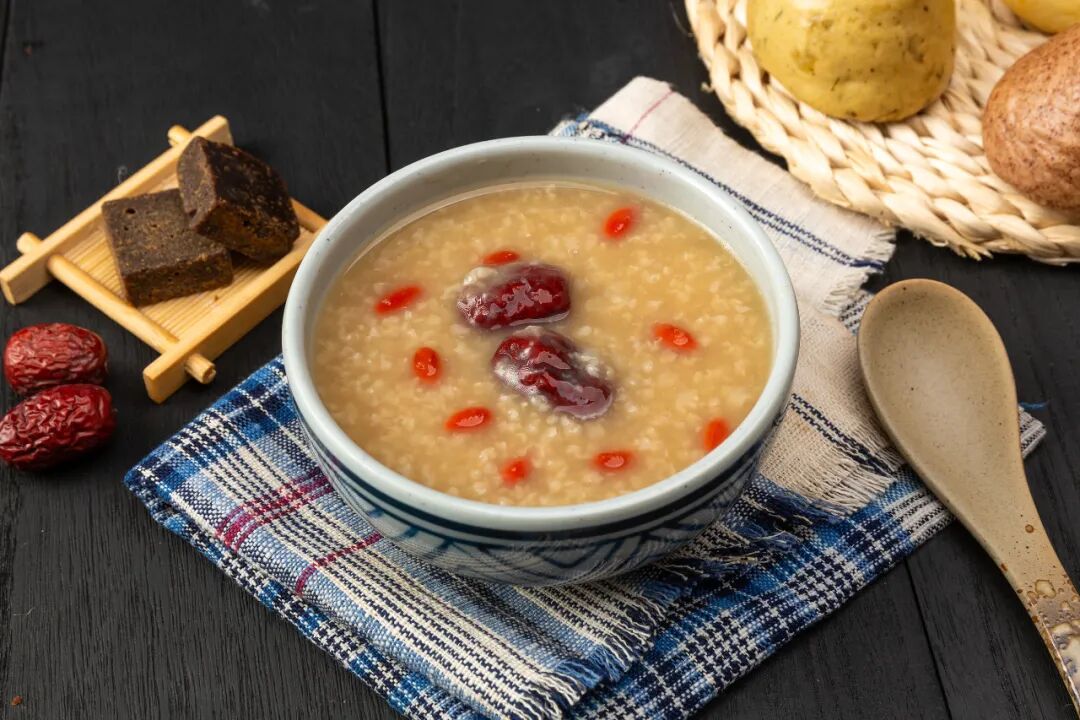
 However, it must be emphasized that this is only a supportive improvement. If someone suffers from long-term severe insomnia, they should still go to the hospital to check for underlying causes and not rely solely on winter jujubes for a solution.In terms of cardiovascular health, winter jujubes can also provide some basic support.Modern research suggests that winter jujubes contain cyclic adenosine monophosphate and a rich amount of potassium, which helps regulate blood pressure. Cyclic adenosine monophosphate also benefits myocardial metabolism, but this is merely a dietary support and cannot replace medication.Aunt Lin’s husband has slightly high blood pressure, and he now eats 4-5 winter jujubes daily while maintaining a low-salt diet and morning exercises. His blood pressure has remained stable, which is the result of multiple healthy habits working together; winter jujubes are just one small part of it.Additionally, the polyphenols in winter jujubes are natural antioxidants that help eliminate excess free radicals in the body and provide some protection for the liver. Eating them in moderation over a long period can also improve complexion.However, these are all long-term gentle health benefits and won’t show significant changes after just a few days of consumption. Everyone should not have the mindset of expecting immediate results from eating them.Now, let’s discuss the key points about eating winter jujubes: the core is two things: choosing the right method and controlling the amount.Eating them raw is the best way to retain nutrients; wash them and eat them directly for a crunchy, sweet, and juicy experience, which is the best way to supplement vitamin C, suitable for young people with normal digestive function.For middle-aged and elderly people like Aunt Lin, or those with sensitive stomachs, cooked consumption is more appropriate. Besides steaming, they can also be added to millet porridge or stewed with tremella and yam, making them easy to digest and good for the stomach.
 Important reminder: moderation is key!Winter jujubes are not low in calories, with about 110 calories per 100 grams, which is higher than apples and pears, and they contain about 25% sugar, classifying them as medium-sugar fruits.Eating 5-10 jujubes a day is sufficient; eating too many can lead to bloating and excessive heat, and may cause calorie overload. Especially for diabetics, it is essential to eat less and preferably consult a doctor to determine whether to consume them based on their blood sugar levels to avoid fluctuations.Xiao Qin always says, “There are no shortcuts to health; no matter how good winter jujubes are, they are just fruit. Only by combining them with a light diet, regular exercise, and a positive mindset can the body truly be healthy.”Finally, it must be emphasized that winter jujubes are a supplementary health food, not a medication.If there are clear discomforts in the body, such as persistent chest tightness, severe stomach pain, or long-term insomnia, one must first go to the hospital for examination and treatment, and not blindly rely on winter jujubes for adjustment, nor can they replace medication.Note: All images in this article are sourced from Visual China and are for reference only, unrelated to the content.Warm reminder: The health-related information contained in this article is for reference only and cannot be directly used as a basis for any health interventions. Please consult a doctor before taking any preventive, therapeutic, or curative measures.This article is copyrighted by Chongqing Urban TV and may not be reproduced or used in any form (including but not limited to copying, reprinting, or moving) without written authorization. We have entrusted lawyers to investigate and collect evidence of infringement and take legal measures, including but not limited to sending warning letters, platform complaints, and civil lawsuits against infringers.