

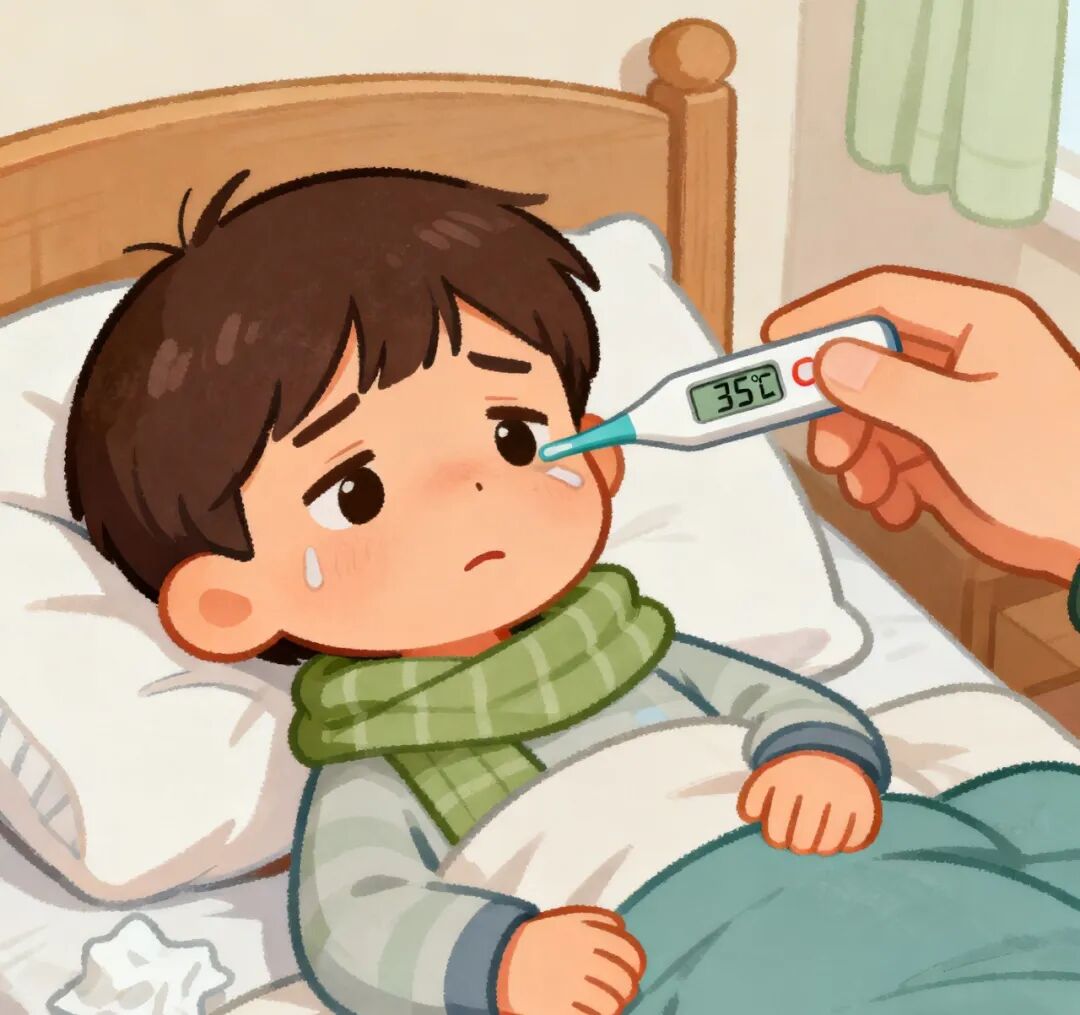
After a child experiences the flu, parents often feel exhausted. After finally getting the fever down, they find the body temperature is only 35°C, which can be concerning. Please do not panic; this situation is not uncommon during the recovery phase of infectious diseases in children. Let’s explore the possible reasons and how to respond.
1. Investigating the Cause: Why is the Body Temperature Low?
In the early recovery phase after the flu, a body temperature of 35°C (usually fluctuating between 35.5°C – 35.9°C in the armpit) is mostly a temporary physiological phenomenon and may be related to the following factors:
Effects of Antipyretic Medications:
This is the most common reason. To reduce fever, we may have given the child antipyretics such as ibuprofen or acetaminophen. These medications can temporarily suppress the temperature regulation center, leading to a situation where the body temperature drops below the baseline. After the medication wears off, the temperature usually gradually returns to normal.
Recovery Phase and Energy Depletion:
The flu is a “battle” between the body and the virus. Fever consumes a lot of energy, and during the recovery phase, the child may feel weak and have a poor appetite, leading to insufficient caloric intake. To conserve energy and repair itself, the body slows down its metabolism, resulting in a lower body temperature.
Excessive Sweating Leading to Heat Loss:
During the process of fever reduction, children often sweat profusely. The evaporation of sweat can carry away a significant amount of heat from the body, and if warming measures are not promptly taken, it may also cause a temporary drop in body temperature.
Measurement Errors:
This factor should be prioritized. Especially with electronic thermometers, if the measurement time is insufficient, the position is incorrect (e.g., if there is sweat in the armpit that hasn’t been dried), or the battery is low, it can lead to a low reading. Ear thermometers may also be inaccurate if not properly aligned with the ear canal.
2. How Should Parents Respond?
When noticing a low body temperature in a child, please remain calm and follow these steps for observation and care:
Confirm Measurement Results:
Re-measure correctly: Ensure the child’s armpit is dry, completely place the thermometer tip in the top of the armpit, and measure for a sufficient time (follow the instructions, usually electronic thermometers need to be held until they beep and then wait a moment). You can switch to another thermometer or use a different measurement method (like ear temperature) for comparison.
Observe Mental State: This is the most critical step. Observe whether the child is alert, how their mental state is, whether they can play or communicate normally, and if their complexion is rosy. Even if the temperature is low, as long as the child is in good spirits, responsive, and has warm hands and feet, there is usually no major issue.
Take Scientific Warming Measures:
Moderate warming: Dress the child in appropriate clothing or cover them with a light blanket, avoiding direct drafts.
Supplement Warm Fluids: Let the child drink some warm water or light soup, which can replenish fluids and energy and help warm the body from the inside.
Monitor Closely: After taking warming measures, re-measure the temperature every 1-2 hours to observe the trend. Usually, the temperature will gradually rise to the normal range within a few hours to a day.
3. When to Seek Medical Help?
Although most cases are temporary, the following signs should be taken seriously, and medical advice should be sought promptly:
1. Body temperature remains below 35.5°C (armpit temperature) and does not rise after warming measures for a long time.
2. The child’s mental state is poor, showing signs of excessive sleepiness, lethargy, difficulty waking, sluggishness, irritability, or moaning.
3. Accompanied by other severe symptoms, such as pale complexion, bluish lips, cold hands and feet, rapid or weak breathing, refusal to eat, or significantly reduced urine output.
4. The low temperature condition persists for more than 24 hours without improvement.
Any of the above points indicate that the child may not just be experiencing a simple recovery phase reaction and may require professional evaluation to determine if there are other issues.
A temporary low body temperature (around 35°C) after a child’s flu is mostly a normal regulatory process following a high fever, especially related to the use of antipyretics and physical weakness. The core tasks for parents are: to re-measure correctly, focus on observing the mental state, provide appropriate warmth, and patiently wait for recovery.
Please trust in the child’s recovery ability while remaining vigilant. Shift your focus from just the body temperature numbers to the child’s overall mental state and behavior, which can help you make a more accurate judgment.
Note: This content is for health information dissemination only, aimed at helping you better understand relevant health knowledge, and cannot replace professional medical advice. If your child exhibits any concerning symptoms, please adhere to the diagnosis and recommendations of a licensed physician.
 Pexian Maternal and Child Health Hospital
Provided by | Publicity and Education Department
Edited by | Lv Qing
Reviewed by | Chen Chang
Supervised by | Han Hui
