
Semiconductor Process Exhaust System ConceptThe semiconductor factory process exhaust system refers to the connection duct between the process equipment and the sub-main duct in the iron (fluorine) Teflon exhaust duct engineering, collectively known as the secondary exhaust ducting project (Exhaust Hook-up Ducting); its main function is to transport various waste gases generated by the process equipment (such as acidic and alkaline waste gases, volatile organic waste gases, general waste gases, etc.) through the secondary exhaust duct to the exhaust branch, main duct, and then into waste gas treatment equipment for processing, after which the treated waste gas is discharged into the atmosphere.
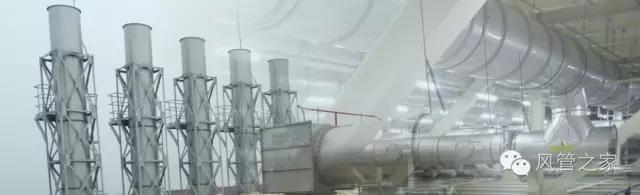
Semiconductor Process Exhaust System Purpose
In the semiconductor industry, it is unavoidable to use various types of chemicals during manufacturing. To improve product yield, it is essential to precisely control the air quality of the environment the products are exposed to. Although the exhaust system is not a necessary piece of equipment for production, it creates a safe working environment for production personnel. Therefore, the exhaust system must undergo strict and meticulous selection regarding the compatibility of waste gas materials, the delivery of exhaust gases, and various pollution treatment devices, all of which are interlinked and indispensable.
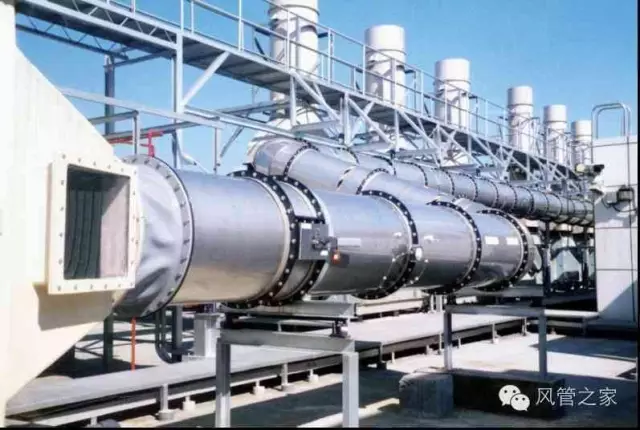
Semiconductor Process Exhaust System Introduction
The semiconductor industry has developed over the past forty years, but it has experienced rapid growth in the last decade, with astonishing speed. Electronic products have become indispensable in people’s lives, and advanced countries are striving to research and develop to gain advantages in industrial capacity and market share. However, when semiconductor process production meets production needs while ensuring industrial safety and contributing to environmental protection, the waste gases emitted pose safety threats to human health and contribute to environmental air pollution. Therefore, when investing in semiconductor manufacturing plants, it is hoped to gain a comprehensive understanding of the principles of process exhaust treatment, environmental protection regulations, and the types of pipes used in various system treatments.
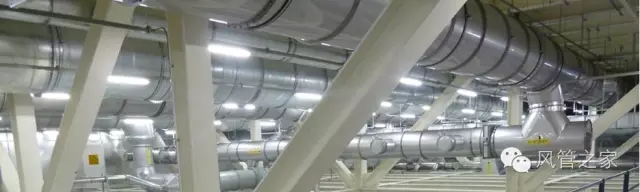
Semiconductor Process Exhaust System Classification
In the semiconductor process, there are many types of equipment used, and the types of emitted substances are numerous. Setting up separate emission treatment facilities for each type not only presents challenges in setup but also complicates maintenance and repair in the future. Therefore, semiconductor factories generally classify emissions into four systems based on their characteristics: acidic, toxic (Acid Exhaust), alkaline (Alkali Exhaust), organic solvent (Solvent Exhaust), and general exhaust (General Exhaust).
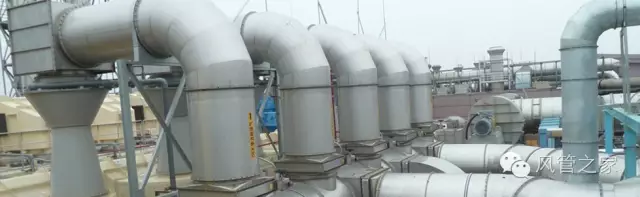 (1) Acid and Alkaline Waste Gases: The main source is the chemical cleaning workstation, which generates volatile gases during chip cleaning. Some of these gases contain dense smoke, while others are harmful to the respiratory system, so they must be treated with a Central Scrubber for water washing and neutralization before being discharged into the atmosphere.
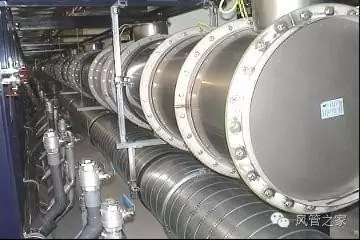 (2) Toxic Waste Gases: The main sources are chemical vapor deposition (CVD) dry etching machines, diffusion, ion implantation machines, and epitaxy processes, which generate a large amount of toxic gases. Therefore, local scrubbers are installed on the machines for preliminary treatment before being sent to the Central Scrubber for water washing and neutralization before being discharged into the atmosphere.
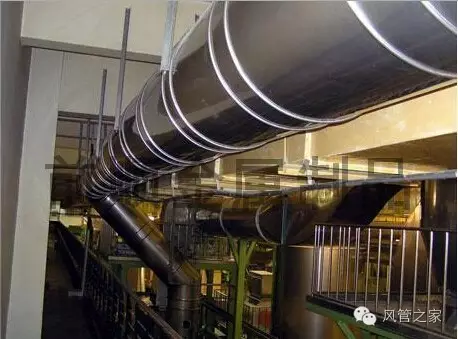 (3) Organic Solvent Waste Gases: Currently, most semiconductor manufacturing industries use activated carbon adsorption towers or packed washing towers to treat VOC gases emitted from the factory. Generally, zeolite concentration wheels combined with gas-fired incinerators can achieve a removal rate of over 90%, which is currently the best air pollution control technology.
(4) General Waste Gases: These originate from the heat generated by machine operation and do not contain harmful substances, so they can be directly discharged into the atmosphere through exhaust equipment.
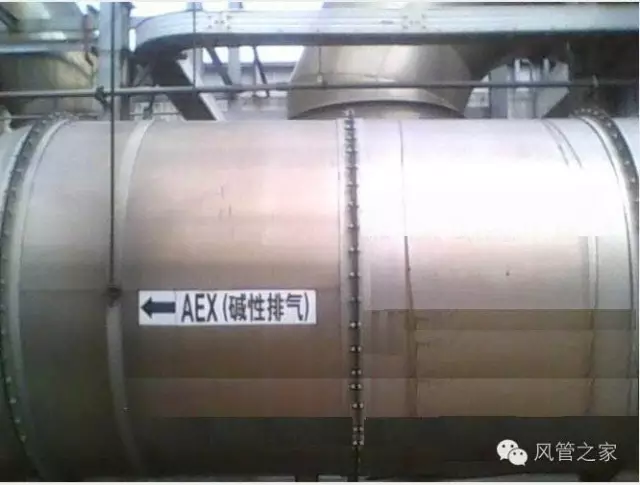
Semiconductor Process Exhaust Duct Selection
In semiconductor factories, the exhaust systems are generally classified into four systems based on the characteristics of the emissions: acidic, toxic (Acid Exhaust), alkaline (Alkali Exhaust), organic solvent (Solvent Exhaust), and general exhaust (General Exhaust).
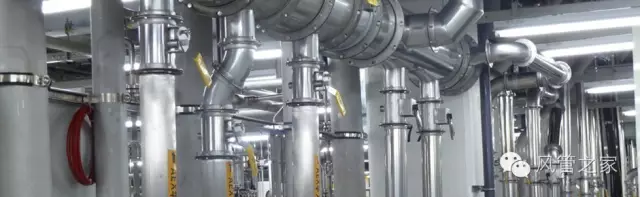 For general gas emission systems, since the emitted gases are not hazardous or polluting, the choice of duct materials does not require special consideration. However, for the other three systems, the emitted substances have factors such as acidity, alkalinity, corrosiveness, or high-temperature combustion, so special considerations must be made in the choice of duct materials to avoid hazards and air pollution.
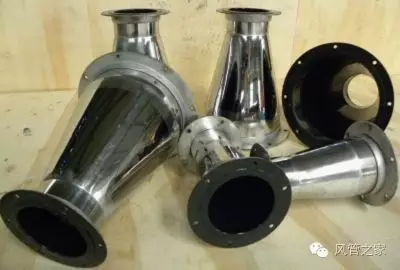 Among the four exhaust systems, General Exhaust does not require special considerations, and under economic principles, both galvanized and stainless steel ducts are used. For Solvent Exhaust, due to the characteristics of the emitted substances, SUS304 fully welded ducts are sufficient to meet the requirements. As for Acid/Toxic/Alkali Exhaust, due to more considerations, a wider variety of duct materials are used. In the selection of commonly used duct materials for various exhaust systems, in addition to considering safety and environmental pollution, the installation cost must also be considered, as it has the greatest impact on overall costs, thus leading to the selection of special duct materials.
Semiconductor Process Exhaust Environmental Safety
In addition to general air conditioning and ventilation systems, semiconductor factories also have process exhaust systems. Many process waste gases are hazardous and harmful substances that can easily cause health issues, poisoning, fire explosions, and environmental pollution. Therefore, safety considerations in the exhaust system are very important. When setting up the exhaust system, the following points should be noted:
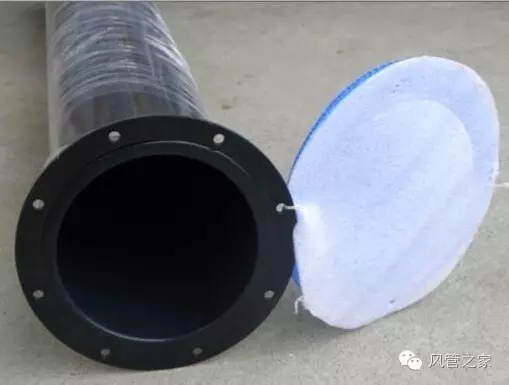 (1) Corrosive exhaust ducts should be made of non-combustible materials, and the fire resistance, smoke, and corrosion resistance of the duct materials must be considered.
(2) Unless the concentration of flammable or explosive gases or smoke in the duct is below 25% LFL, ducts transporting explosive or flammable gases, smoke, or dust must exit the building directly and cannot enter other spaces. Ducts should not be inserted into other ducts or plenums, and ducts for incompatible substances should be separated or distinguished. Corrosive exhaust ducts are usually made of fiberglass, but this material is not suitable for solvent exhaust.
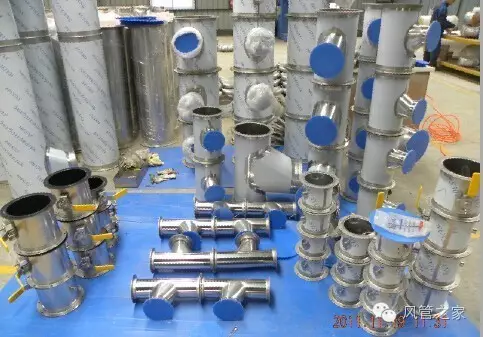 (3) If both flammable and corrosive substances are present, duct materials that are both corrosion-resistant and fire-resistant should be selected.
(4) Although all ducts are made of stainless steel, if corrosive substances or flammable + corrosive substances are present, attention should be paid to the corrosion status of the ducts, and regular leak detection should be performed.
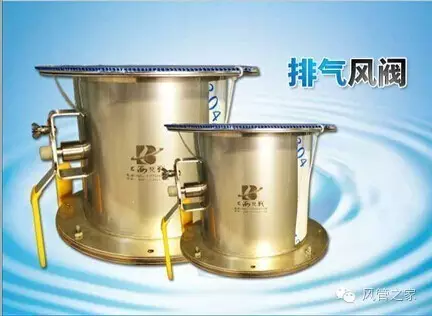 (5) Although the duct uses fully welded stainless steel, since the substances transported are mostly flammable, it is recommended to install an automatic sprinkler system in the main duct section (with a diameter greater than 300) as a precaution.(6) If PP material is used in corrosive exhaust ducts, it is recommended to use automatic sprinkler equipment for duct sections greater than (or equal to) 150 (NFPA specifies 250 or more), meaning that when using a sprinkler system, initial setup costs and periodic maintenance must be considered, as well as the impact of false activations (such as sprinkler head damage).
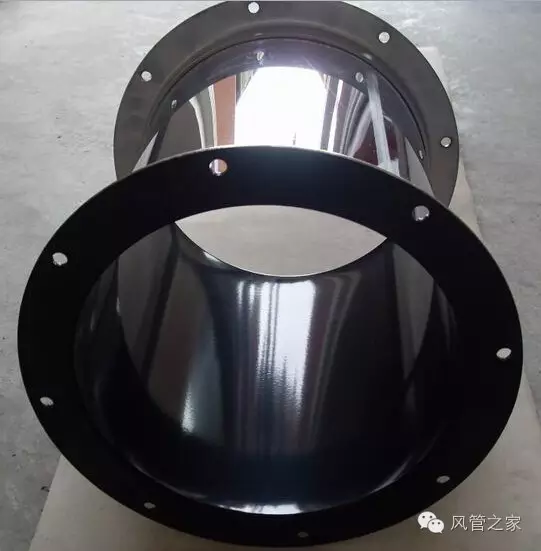
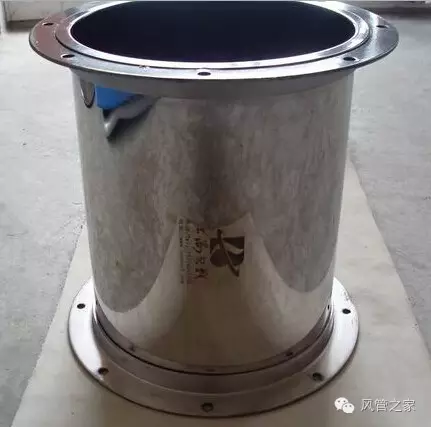
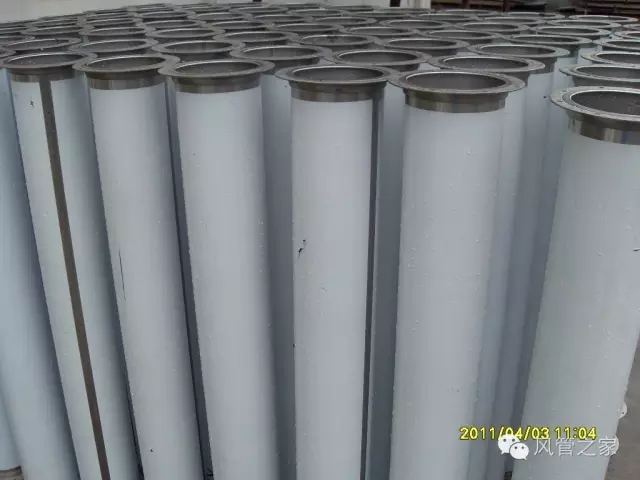
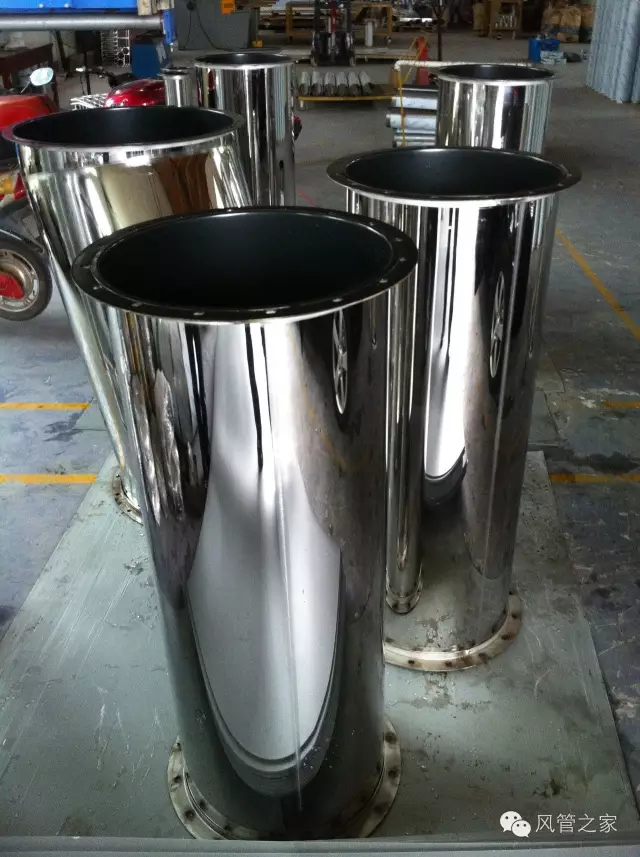
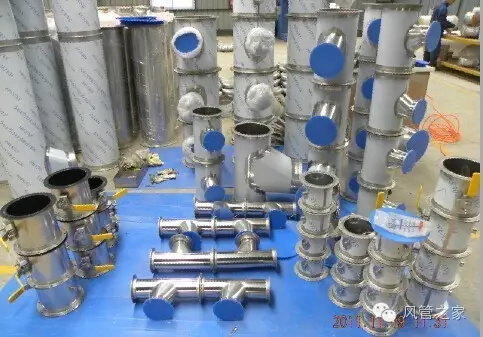
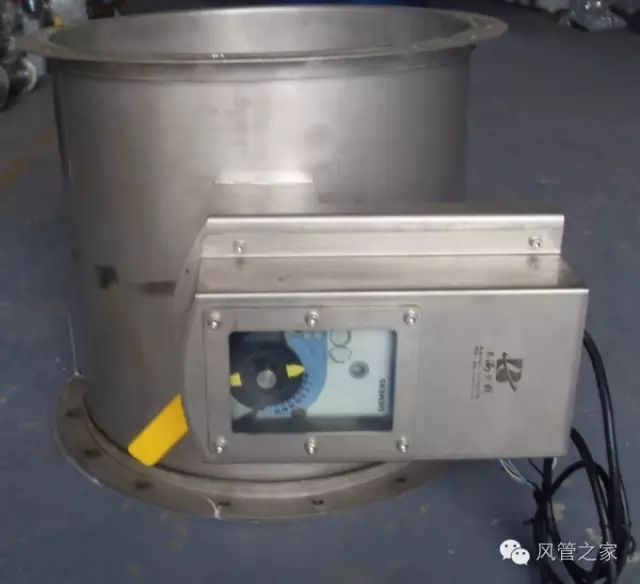 (7) Currently, the duct materials used in the semiconductor industry can generally be divided into two types: fully welded SUS304 or SUS316L stainless steel pipes, and SUS304 or SUS316L fully welded pipes lined with Teflon (ETFE or ECTFE, etc.).
The Teflon lining (ECTFE) is a fluoropolymer chemical with excellent high thermal resistance, weather resistance, insulation, corrosion resistance, and low flammability. Fully welded stainless steel pipes (SUS 304 or SUS 316L) are known for their excellent corrosion resistance, heat resistance, and high strength.
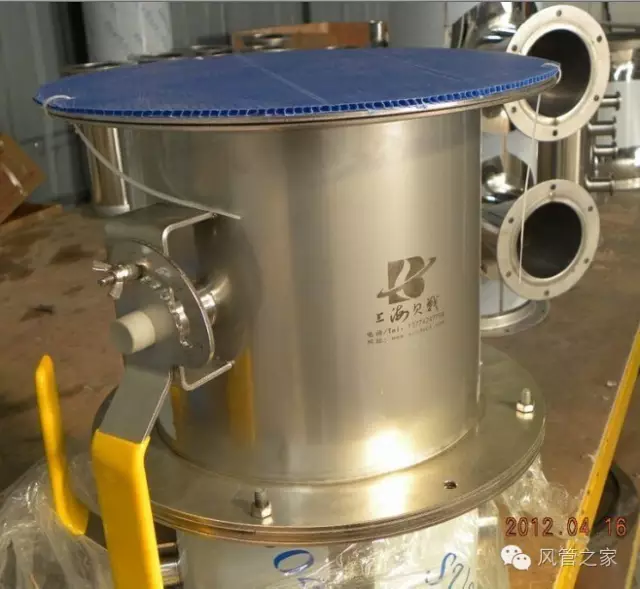
These materials are mainly used in clean rooms, semiconductor industries, printed circuit board industries, petrochemical industries, pharmaceutical industries, paper industries, and food processing industries for general exhaust systems, strong acid and alkaline exhaust systems, and organic solvent exhaust systems.
Semiconductor Process Exhaust Installation Preparation
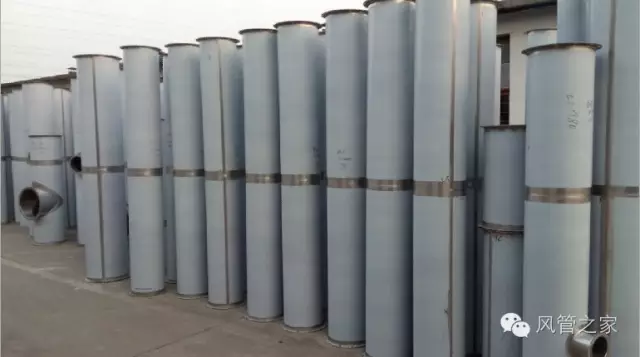
Before installation, the ducts should be cleaned both inside and outside to ensure cleanliness. The ducts should be checked for flatness and levelness, and installation can only proceed after approval from the supervisor or client and completion of relevant acceptance documentation. Before hoisting the ducts, the positions, dimensions, and elevations of the reserved holes in the structure should be verified, and the ducts should be wiped clean to prevent debris from remaining inside during construction. Any obstacles at the installation site should be cleared.
 1. The main materials, equipment, and finished or semi-finished products used in the project must have factory qualification certificates or quality identification documents.
2. The project must be constructed according to the approved design drawings. 3. The dimensions of the duct fabrication should follow the drawings, with the inner diameter as the standard, and connecting ducts should match the valve body. 4. The bending radius and minimum number of bends for round ducts and the bending radius for rectangular ducts should comply with the relevant regulations in the “Construction Technical Operation Regulations for Building Installation Engineering.” 5. The connections of each duct section should be detachable. 6. The thickness of the ducts should meet standards.
Semiconductor Process Exhaust Process Flow
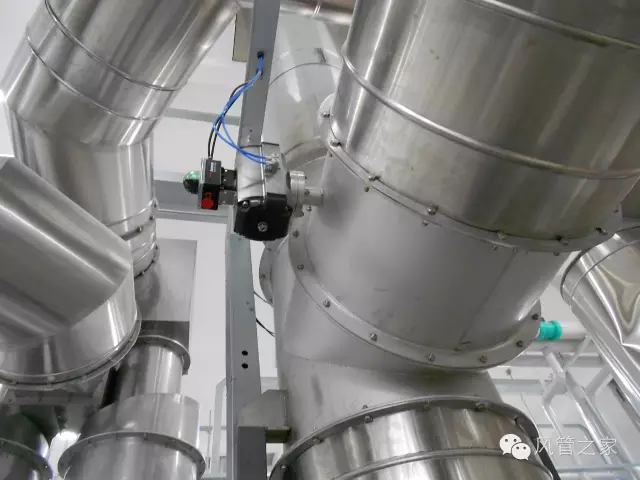
Process Flow: Determine elevation → Fabricate brackets → Set hanging points → Install bracket pre-check → Duct → Flange sealing tape (Teflon tape) → Flange connection → Insert screws → Arrange ducts → Install and level → Inspection → Evaluation
1. Determine elevation: Find the duct elevation according to the design drawings and reference the civil construction benchmark.
 2. After determining the elevation, based on the spatial location of the duct system, determine the form of supports and hangers, ensuring that the form, specifications, positions, spacing, and fixing of supports, hangers, and brackets meet design requirements and construction specifications, and must not be located at air inlets, valves, or inspection doors.
Use galvanized or stainless steel supports, and the clamps should be treated for corrosion resistance and insulation according to design requirements to prevent electrochemical corrosion.
3. To ensure the tightness of the flange connections, high-temperature and corrosion-resistant PTFE gaskets should be used between flanges. Unless otherwise specified, standard materials should be selected for flange gaskets.
4. Duct installation: Depending on the construction site conditions, ducts can be connected on the ground to a certain length and then hoisted into position, or they can be placed on supports section by section. The general installation sequence is to install the main ducts first, followed by the branch ducts.Supports should be fixed and adjusted in a timely manner, with accurate positioning, and the installation should be flat and firm, ensuring tight contact with the ducts.,
 5. Do not open holes that are not to be installed temporarily; during construction pauses, cover plates should be used to prevent accidents from falling objects.
6. The installation direction and position of fire dampers should be correct, and fusible links should face the airflow direction. The manual device for smoke dampers (embedded conduits) should not have dead bends or crushed sections, and the arrow direction on the manual shut-off valve should align with the direction of the shock wave.
7. Installations must be secure, with positions, elevations, and orientations meeting design requirements, components oriented correctly, and operations convenient. The inspection holes for fire dampers must be located in accessible positions.
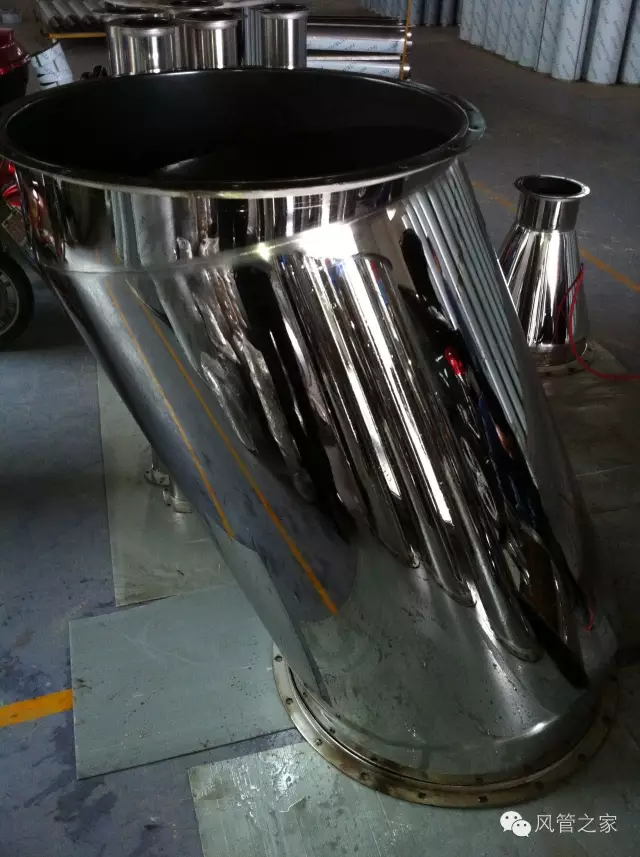 8. The connections of clean system ducts must be tight and leak-free; flange materials and connection methods must comply with design requirements and construction specifications.
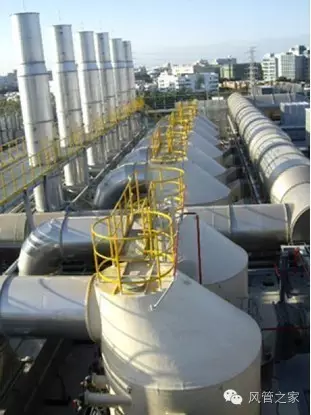 9. The materials used for flexible short ducts in clean systems must not produce dust, be airtight, and have smooth inner walls; connections between flexible short ducts and ducts or equipment must be tight and leak-free, and all pre-inspection engineering check records and technical disclosures must be completed.
10. Construction and acceptance regulations: GB50235-97 “Construction and Acceptance Specifications for Industrial Metal Pipeline Engineering,” HGJ229-91 “Construction and Acceptance Specifications for Corrosion Protection Engineering of Chemical Equipment and Pipelines,” and third-party “Inspection Report”.
▼Friends who like the Factory Elite Exchange can follow us▼
Disclaimer:If the content is reproduced from other sources on the internet, the article does not represent the views of this site, is for reference only, and the copyright belongs to the original author. If there is any infringement, please contact us for deletion. If the recruitment information has expired, please contact the background for timely deletion.【Warm Reminder】Due to changes in the public account push rules, if you do not want to miss the carefully prepared recruitment information and exciting activities and courses from Factory Elite Exchange, please set “Starred” and click “Read” at the end of the article!