Design of a Smart Home Control System Based onPLC


Abstract
With the rapid development of science and technology, the development of smart homes has received more attention. Existing smart home products have incomplete functions, complex data transmission, and are difficult to meet family needs.This project is based on this, and it details the design of a smart home control system centered onPLC technology. The system adopts intelligent hardware management, obtaining environmental information such as temperature and humidity, smoke concentration, pH value, etc., to achieve remote control of household lighting, curtains, gas, air conditioning, etc. Through system software design, flowcharts and ladder diagrams were drawn, system configuration interface design was performed, and system debugging was conducted to verify the reliability and feasibility of this system. With this system, users can remotely control home appliances, achieving intelligent home management.
Keywords:PLC;Smart Home;Control System

Table of Contents
Introduction
Chapter 1 Introduction
1.1 Research Background and Significance
1.2 Current Research Status at Home and Abroad
1.2.1 Current Research Status Abroad
1.2.2 Current Research Status in China
Chapter 2 Overall Design of the Smart Home Control System
2.1 System Design Requirements
2.2 System Design Scheme
Chapter 3 Hardware Design of the Smart Home Control System
3.1 PLC Selection
3.2 Sensor Selection
3.2.1 Temperature Sensor
3.2.2 Humidity Sensor
3.2.3 Smoke Sensor
3.2.4 pH Sensor
3.3 Motor Selection
3.4 Inverter Selection
3.5 Human-Machine Interface Selection
3.6 Electrical Schematic Design
Chapter 4 Software Design of the Smart Home Control System
4.1 Overview of Programming Software
4.2 Program Flowchart Design
4.2.1 Main Program Design
4.2.2 Sensor Detection Program Design
4.2.3 Curtain Drive Control Program Design
4.3 Ladder Diagram Design
4.4 System Configuration Design
Chapter 5 System Debugging
5.1 Connecting System Components
5.2 Operation and Debugging
Chapter 6 Conclusion
Acknowledgments
References

 Design Content

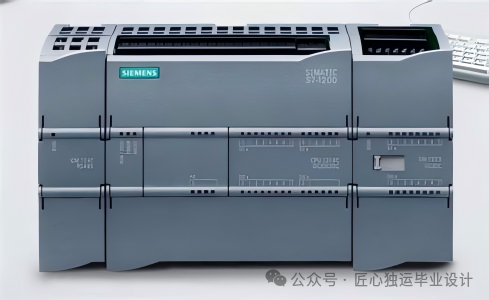
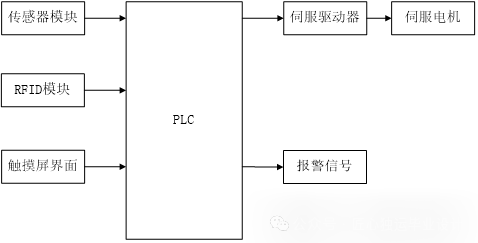
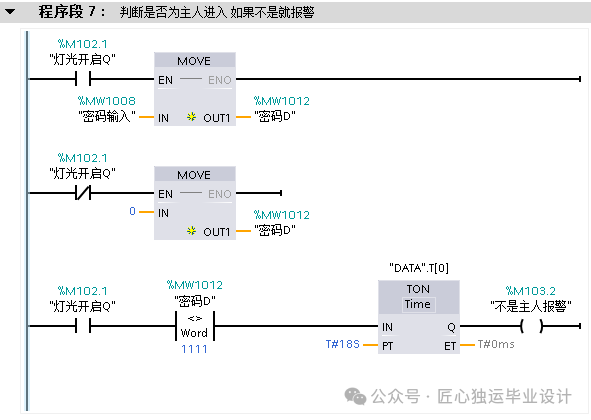
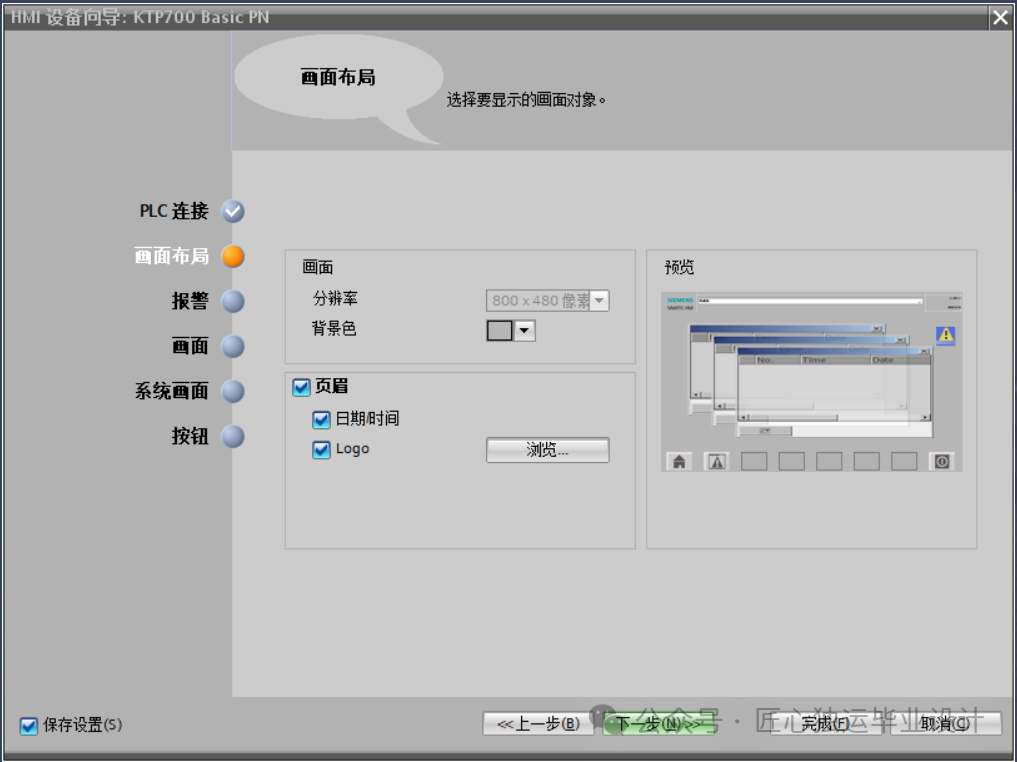
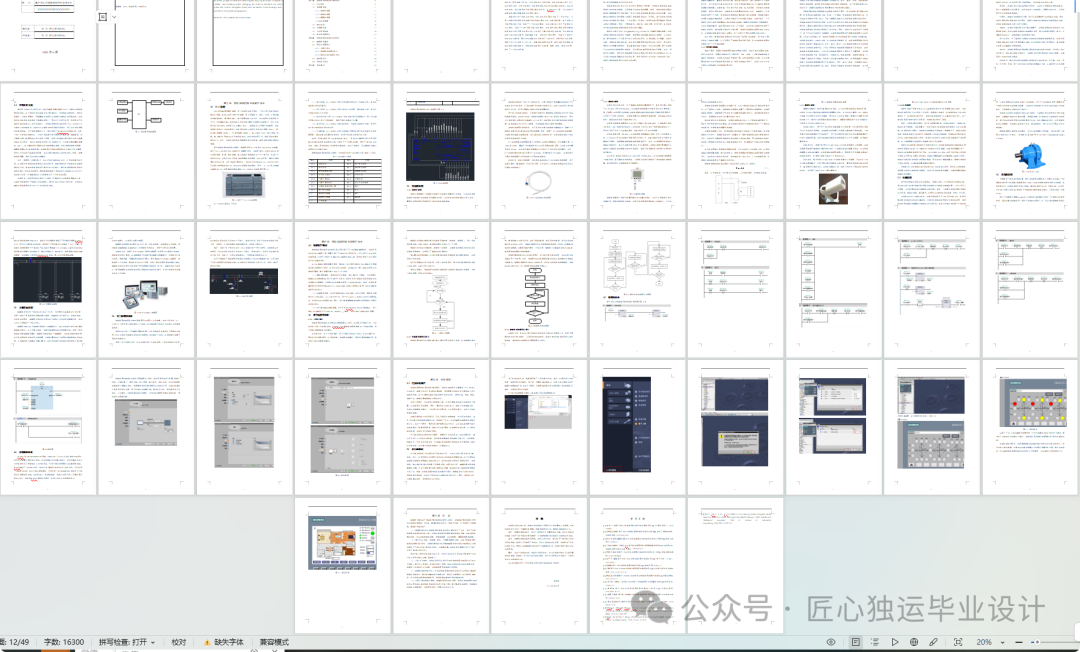
This design documentation revolves around the “Smart Home Control System Based on PLC” and aims to solve the problems of incomplete functions and complex data transmission in existing smart home products. The core content is as follows: Based on the design, the system must meet requirements for reliability, safety, flexibility, and scalability. The Siemens S7-1200 PLC is determined to be the control core, achieving data exchange through the Modbus-RTU protocol, paired with sensors, motors, inverters, and touch screens to construct a system scheme that can remotely control home appliances and detect environmental parameters. In the hardware design phase, precise selection of core components is completed: PLC selected is S7-1200 (stable and easy to expand); sensors include PT100 platinum resistance (temperature measurement), RS-WS-120-2B humidity sensor, JTY-HF-YJLH103 smoke detector, and E-201-9ph pH sensor; the motor is a three-phase asynchronous motor (curtain drive), paired with Siemens Sinamics S120 inverter for speed control; the human-machine interface is KTP700 touch screen; while completing I/O address allocation and electrical schematic design to ensure reasonable hardware connections. The software design relies on Siemens TIA Portal software, first configuring hardware (adding modules, building networks, setting communication parameters), then designing program flowcharts (the main program includes database operations, sensor detection with high and low-level transmission, curtain control using S-shaped curves), drawing ladder diagrams for functional implementation, and finally using WinCC to design the configuration interface, supporting password login, parameter settings, and fault location. System debugging is divided into hardware and software: hardware first checks wiring (using a multimeter to measure voltage and resistance), then performs a power-on test of the PLC; software debugging checks syntax and communication ports, verifying start-stop, alarm, and other functions, ultimately confirming that the system can detect environmental parameters (temperature, humidity, etc.) and remotely control home appliances (lighting, air conditioning, etc.), demonstrating reliability and feasibility.
 Program Design



Design Highlights
The design highlights are prominent: using the Siemens S7-1200 industrial-grade PLC as the core, which is strong against interference and operates stably, solving the problem of traditional smart homes easily crashing; precise hardware selection, with high-sensitivity sensors ensuring the accuracy of temperature and humidity detection, and the inverter paired with the motor achieving smooth curtain control. The functionality integrates “detection-control-alarm”, supporting both remote/local dual control, with faults quickly locatable; interaction is done through the KTP700 touch screen, making operation intuitive and expandable; the software is based on the TIA Portal platform, facilitating easy debugging and maintenance.

Get Complete Graduation Project Materials
Long press the QR code to add WeChat and obtain design drawings and documents