In today’s wave of technology, humanoid robots are gradually moving from science fiction to reality. Founders of several leading robotics startups in the United States believe that the era when humanoid robots can autonomously perform tasks in home and factory environments is no longer far off. Business Insider has compiled a list of several notable companies in this field in the U.S. to present the latest developments and future trends in the humanoid robot industry.
Tesla
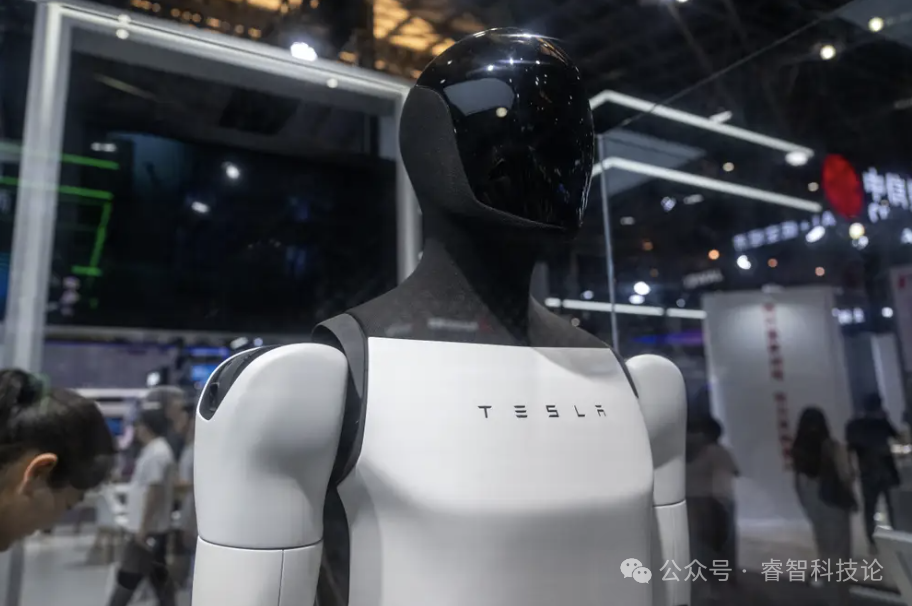
Although Tesla is known worldwide for its electric vehicles, the company has regarded humanoid robots as an important part of its future strategy.
The Optimus robot developed by Tesla frequently appears at various company events, showcasing abilities such as serving drinks, dancing, cleaning, and taking out the trash—though it is still in the development stage, and most operations require remote control. Tesla plans to deploy the first batch of Optimus robots in its factory by the end of the year, but achieving large-scale commercialization will take time.
CEO Elon Musk has high hopes for Optimus, even considering it a key part of his trillion-dollar compensation plan. During the third-quarter earnings call, Musk described the robot as “having the potential to be the most impactful product in history,” predicting that Tesla could produce up to one million units annually in the future. He also stated that Optimus could eventually contribute about 80% of the company’s market value.
At the shareholders’ meeting in November, Musk further suggested that Optimus might “truly have the potential to eliminate poverty.”
Figure
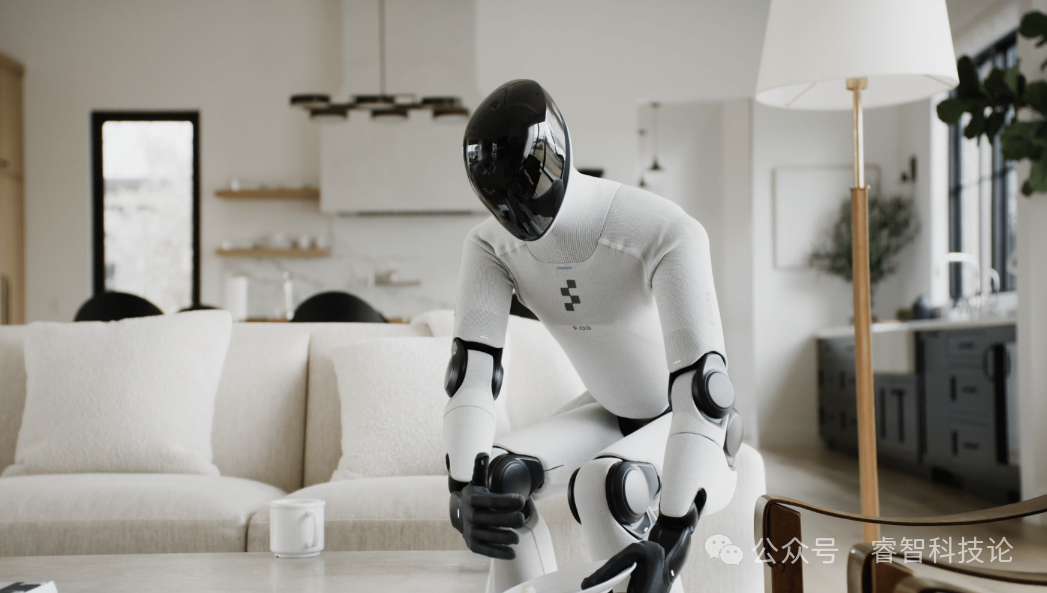
Brett Adcock, founder and CEO of Figure, pointed out that their core philosophy in manufacturing robots is that “humanoid robots will become the ultimate carriers of artificial general intelligence (AGI).”
AGI, as a controversial and theoretically exploratory technological goal, is widely regarded as the height of artificial intelligence when it can perform logical reasoning like humans. Currently, all leading AI companies are working towards this direction.
According to PitchBook data, the company has raised a total of $2.34 billion.
Its latest product, Figure 03, is primarily designed for household scenarios such as laundry, cleaning, and dishwashing.
The company claims its mission is to “develop general humanoid robots that have a positive impact on humanity and create a better life for future generations,” especially those that can “replace unsafe or undesirable jobs, ultimately allowing people to live happier and more meaningful lives.”
Adcock stated in the tech podcast “Around the Prompt” that within the next few years, such as “single-digit years,” humanoid robots will be able to undertake practically useful work. At the Dreamforce conference in October, he even told Salesforce CEO Marc Benioff that Figure is creating “a whole new species.”
1X
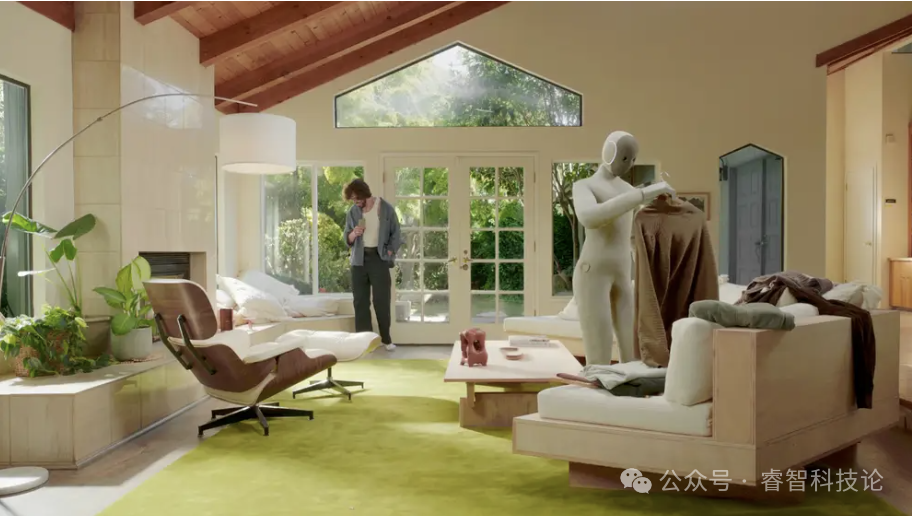
1X, a Norwegian-American joint venture robot manufacturer supported by OpenAI, states on its website that its mission is to create “general robots that can coexist with humans and enhance the quality of human life.”
To this end, the company has launched two product lines: Neo for home applications and Eve for industrial scenarios such as factories. Currently, 1X has begun accepting pre-orders for Neo, priced at $20,000, or a monthly subscription fee of $499, with delivery expected in the U.S. in 2026. At this stage, Neo still requires users to conduct remote control training outside the residence.
CEO Bernt Øivind Børnich stated in a 2024 interview with Business Insider, “We are replicating human thinking and behavior patterns into machines while building foundational models to ensure the safety of robots.”
He mentioned that the company has invested over eight years in research and development and has seen clear market opportunities.
“Our unique advantage lies in developing robots that can safely work alongside humans, opening up a new consumer market,” Børnich said. “Although the products are complex and market positioning needs to be precise, we have now achieved commercial success, which was difficult to achieve in the past.”
According to PitchBook statistics, as of July 2025, 1X has raised $140.36 million, while The Information reported in September of the same year that the company is seeking a new round of financing of up to $1 billion.
Agility
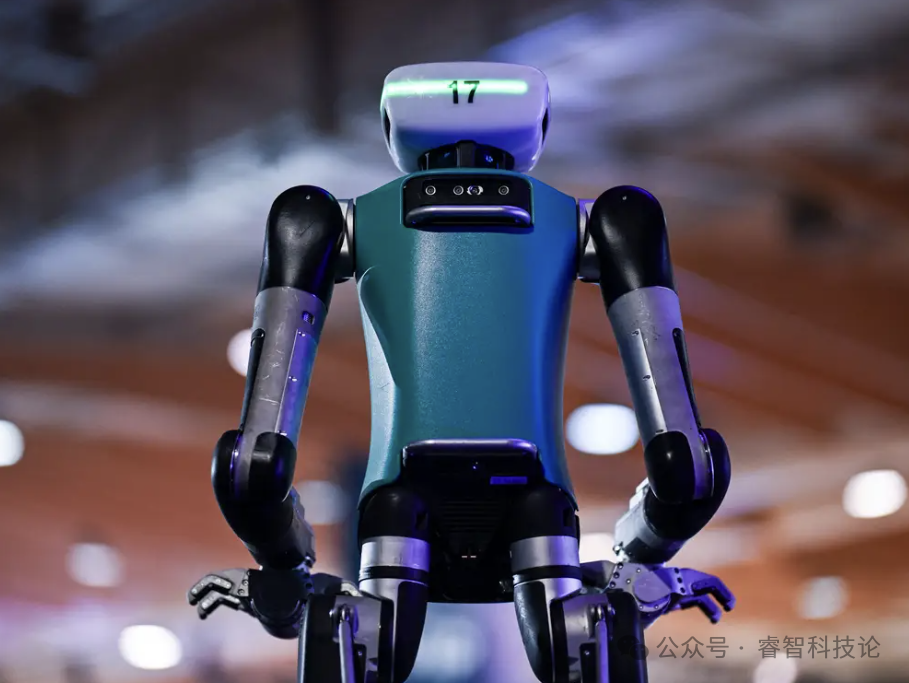
Agility’s Digit is a humanoid robot approximately 5 feet 9 inches tall, which became the first robot to “earn a wage” for actual work in 2024.
Under a multi-year agreement with GXO Logistics, Digit has been deployed at the Spanx women’s clothing factory, responsible for moving boxes and placing them on conveyor belts. A company spokesperson revealed to Business Insider via email that Digit has completed 100,000 box-moving tasks to date. The spokesperson also added that Agility has provided its robots to clients such as Schaeffler Group and Amazon.
CEO Peggy Johnson, who previously worked at Microsoft and Qualcomm, told Business Insider last year that humanoid robots will soon become colleagues of humans in various workplaces, and this scenario will become “very common.”
Boston Dynamics
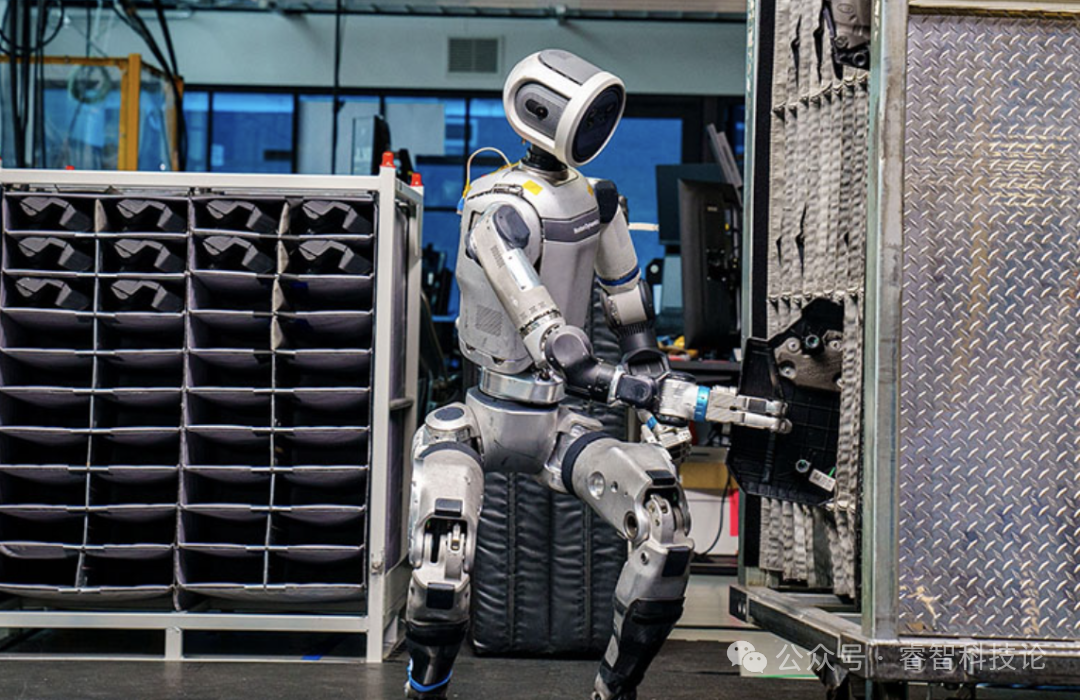
Founded in 1992, Boston Dynamics is perhaps best known for its “robot dog”. Over the years, the company has continuously introduced and applied advanced robotic technologies.
In 2021, Hyundai Motor acquired the company for $1.1 billion and announced in April this year a $21 billion investment in the U.S., with $6 billion specifically allocated to strengthen investments and collaborations in the U.S.
Its quadruped robot Spot is well-known for performing inspection tasks at construction sites or oil and gas facilities, and even a SpaceX resident artist trained Spot to create paintings.
Recently, Boston Dynamics released an all-electric version of its humanoid robot Atlas. The company stated that it is currently exploring its commercial applications, with initial attempts for parts sorting— a common logistics step in the automotive assembly process.
As a long-time leader in the robotics field, founder Marc Raibert mentioned in a 2024 podcast interview, “It’s hard not to think that Atlas’s achievements have inspired Tesla’s Optimus.”
Apptronik
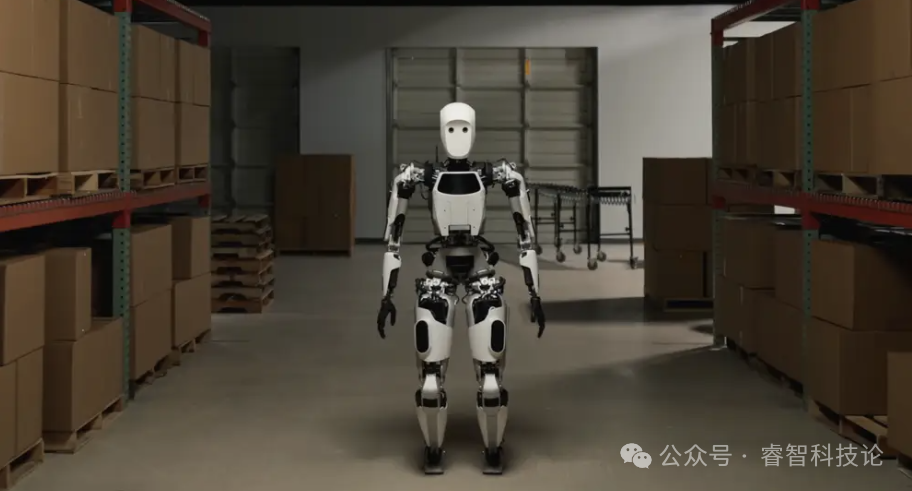
Robot startup Apptronik, based in Austin, spun off from the University of Texas’s human-centered robotics lab in 2016 and released its first humanoid robot, Apollo, in August 2023.
According to PitchBook data, as of November 2025, the company has raised $772.78 million.
CEO Jeff Cardenas previously told Business Insider, “Our core view is that humanoid robots should be able to enter all places like humans and use all tools available to humans. This allows them to seamlessly integrate into the world we have built without needing to modify the environment to accommodate robots.”
According to the Austin Business Journal, Apptronik is planning a new round of financing of $500 million, and if successful, its valuation will reach $5 billion.