
 The Internet of Things (IoT) is changing the way we live and work at an unprecedented pace. By connecting physical devices and enabling data sharing, the IoT is sparking a revolution across various fields. From smart homes to industrial automation, from agriculture to energy management, the application cases of IoT are emerging one after another, showcasing its broad application prospects and immense potential. This article will delve into the seven innovative applications of the IoT, revealing how they are reshaping the future.
1. Industrial Internet of Things: Intelligent Upgrading of Manufacturing
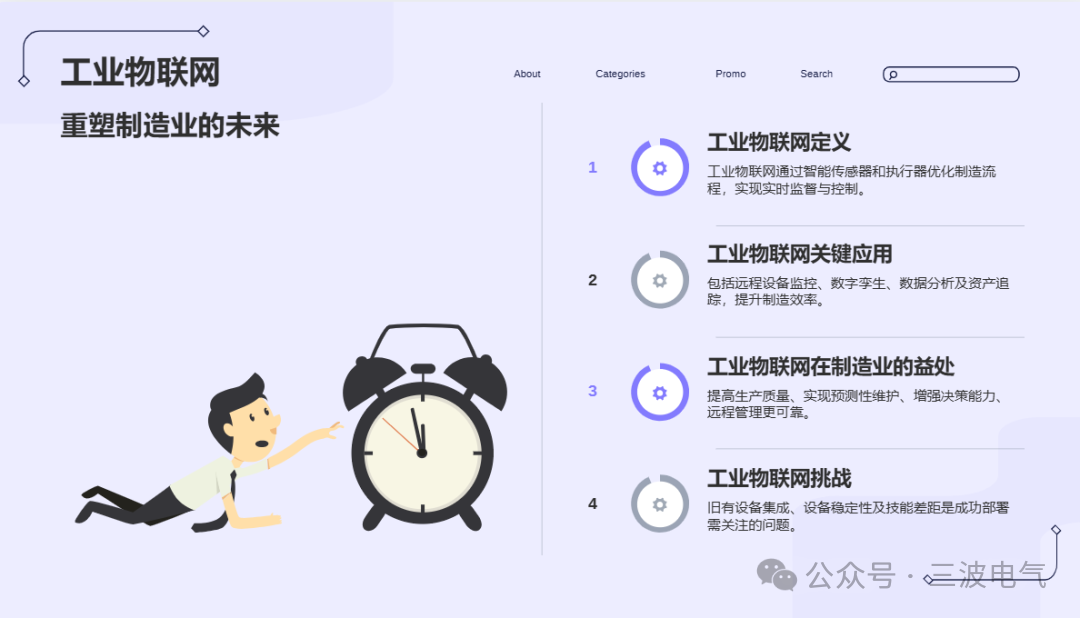
The Industrial Internet of Things (IIoT) is the deep application of IoT technology in the manufacturing industry, achieving optimization and intelligent upgrading of manufacturing processes through remote process monitoring, wearable technology, digital twins, and artificial intelligence.
In manufacturing, the applications of IIoT include remote equipment monitoring, digital twins, data analysis, and asset tracking. Remote equipment monitoring enables real-time monitoring and predictive maintenance of industrial equipment through sensors and IoT platforms, significantly reducing downtime. Digital twin technology creates digital models of physical devices for simulation, testing, and optimization of operations, improving production efficiency and product quality. In terms of data analysis, the vast amounts of data generated by IoT are analyzed using artificial intelligence and machine learning tools, providing strong support for decision-making. The asset tracking function helps enterprises keep track of the location and condition of assets in real-time, optimizing inventory management and supply chain efficiency.
The benefits of IIoT extend beyond improving production quality and predictive maintenance; they also enhance decision-making capabilities and improve worker safety. However, challenges such as legacy equipment integration, device stability, and skill gaps still need to be addressed for the comprehensive deployment of IIoT.
2. Smart Agriculture: A New Chapter in Precision Agriculture
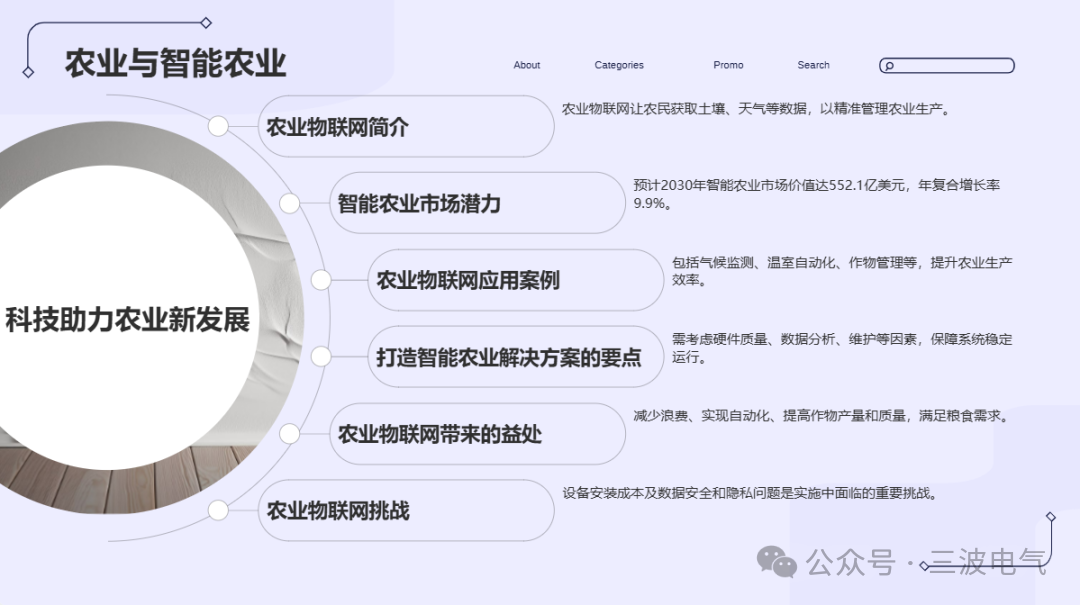
The application of IoT in agriculture is leading a revolution in precision agriculture. By collecting data on soil moisture, weather conditions, and crop health, farmers can manage their farms more rationally, applying fertilizers, water, and pest control more precisely.
The smart agriculture market shows tremendous growth potential, with its market value expected to reach $55.21 billion by 2030. IoT applications in agriculture include climate condition monitoring, greenhouse automation, crop management, livestock monitoring, precision agriculture, agricultural drones, and predictive analytics. These applications not only improve business efficiency and product quality but also reduce carbon emissions, helping to meet the growing global food demand.
However, the installation costs of IoT devices and data security issues remain significant challenges in implementing IoT in agriculture. Addressing these issues will help promote the further development of smart agriculture.
3. Access Control and Security Systems: The Guardians of Smart Home Security
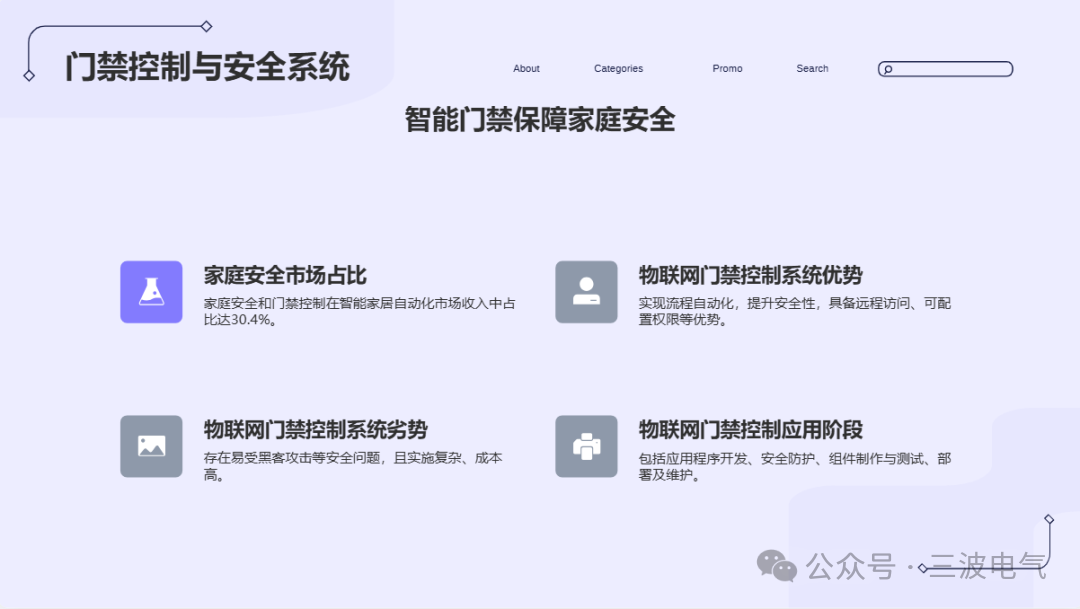
IoT-based access control systems are changing the landscape of security protection. By automating processes and creating user-friendly environments, IoT access systems enhance the security of homes and businesses.
For example, the 5G IoT smart lock launched by Digital Keys features remote alarm capabilities, allowing users to monitor and control the lock status remotely via a mobile application. This smart access system typically uses IP addresses for communication to identify each lock, access controller, reader, and other devices, connecting wirelessly to major IoT control software or applications for remote configuration, monitoring, or control.
Although IoT access systems offer fully integrated smart systems and configurable access permissions, they are vulnerable to hacking and other security issues. Therefore, strengthening the security of IoT devices is crucial.
4. Smart Home Automation: The Blueprint for Future Living
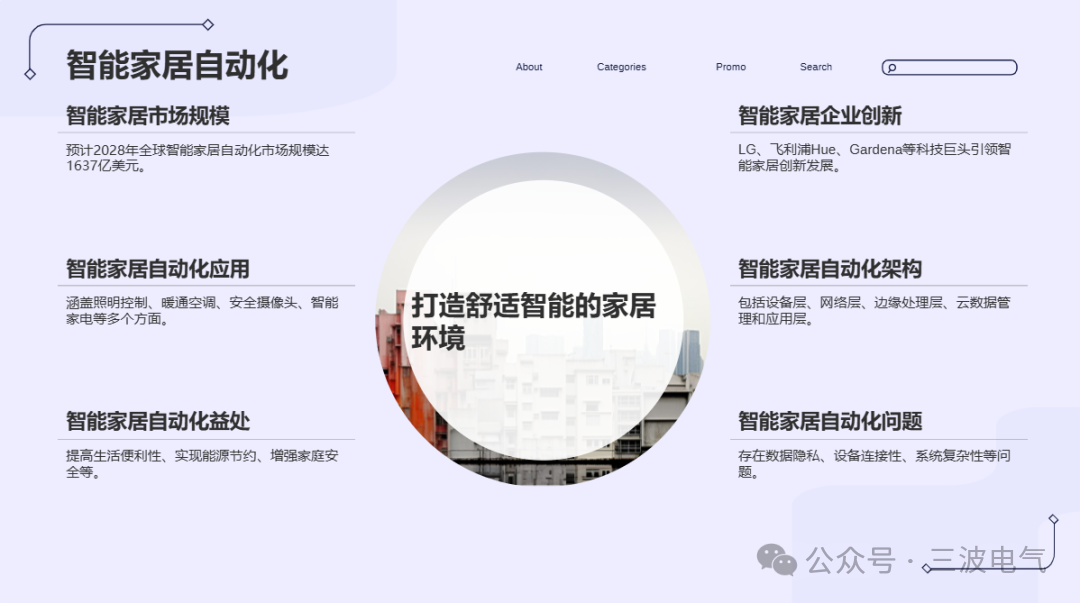
Smart home automation is a significant application area of IoT technology. The global smart home automation market is expected to reach $163.7 billion by 2028. Tech giants like LG, Philips Hue, and Gardena are leading innovations in this field.
LG has launched a comprehensive smart home device system that includes refrigerators, washing machines, air conditioners, and voice control commands. Philips Hue’s smart lighting products allow users to easily adjust ambiance through applications or voice commands. Gardena’s smart irrigation system uses sensors to detect moisture levels and operates automatically, achieving intelligent management of gardening and irrigation.
The IoT architecture for smart home automation includes multiple layers such as device layer, network layer, edge processing layer, cloud data management, and application layer. Although smart home automation brings numerous benefits, such as increased convenience and energy efficiency, it also faces challenges related to data privacy and security, device connectivity, and interoperability.
5. Consumer Electronics and Wearable Devices: A New Era of Personalized Experience
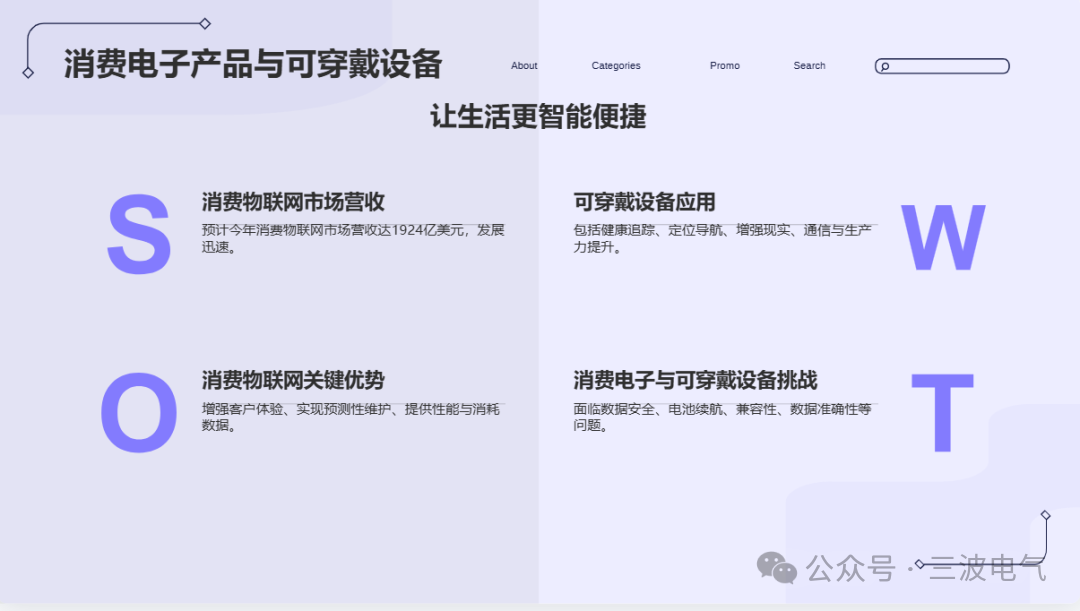
The IoT has brought significant changes to the field of consumer electronics and wearable devices. Smart wearables like smartwatches and fitness trackers have become essential in daily life, offering diverse functions such as health and fitness tracking, location and navigation, augmented reality, and communication and productivity.
The revenue of the consumer IoT market is expected to continue growing, providing consumers with more convenience and personalized experiences. However, challenges such as data security and privacy, battery life limitations, compatibility issues, and data accuracy still need to be addressed. Solving these issues will help promote further development in the consumer electronics and wearable devices sector.
6. Smart Energy Management: The Key to a Green Future
The IoT has brought revolutionary changes to the energy sector, enabling smart energy management. Through technologies like Low Power Wide Area Network (LPWAN), cloud computing, and data analytics, the IoT optimizes resource utilization, reduces carbon emissions, and provides deep analytical capabilities for energy usage.
Applications of smart energy management include utility and energy monitoring, energy consumption optimization, smart metering and grid management, and smart energy distribution. These applications not only help reduce energy expenditures and automate energy management processes but also identify and prevent equipment failures and predict future energy consumption.
As the IoT energy management market grows rapidly, interoperability between devices, applications, and systems will be a key factor in achieving smooth integration and fully leveraging the technology’s potential.
7. Fleet Management: The Intelligent Transformation of the Logistics Industry
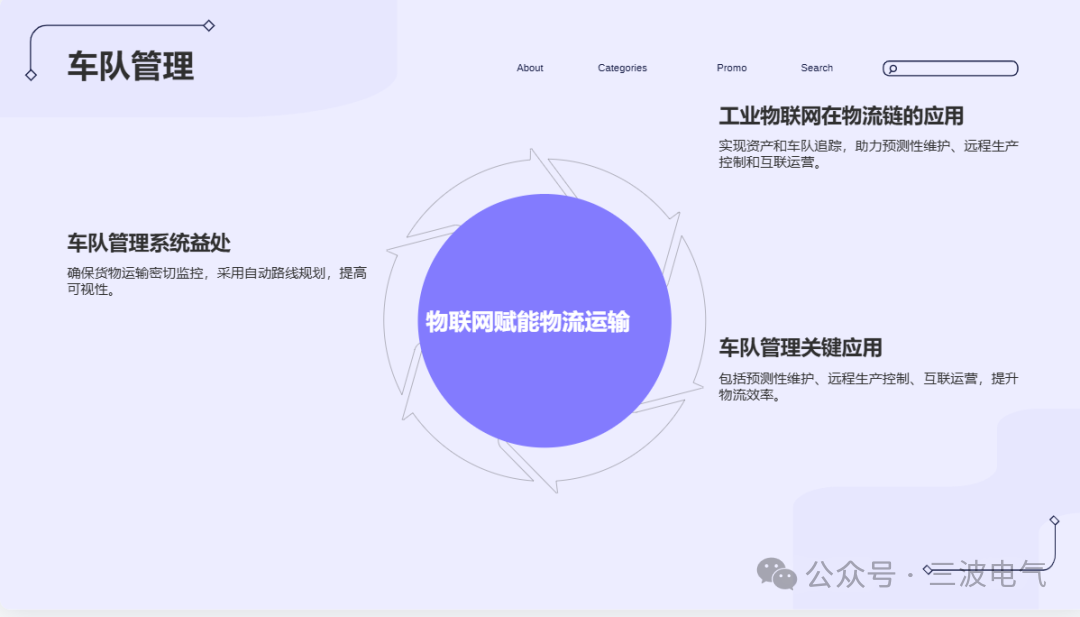
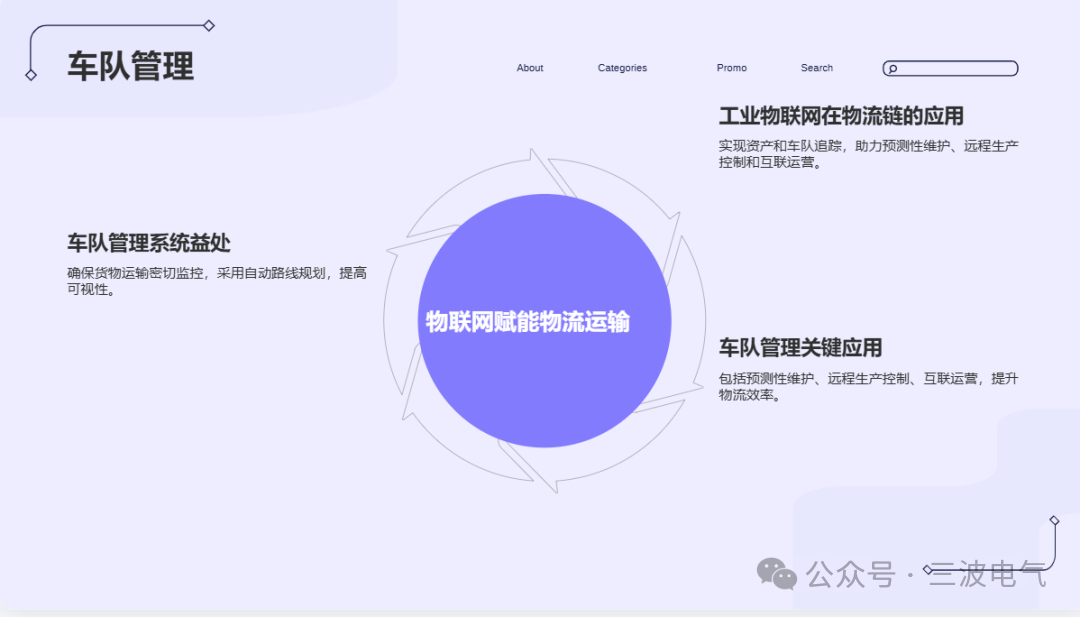
Fleet management systems are transforming the transportation and logistics industry through IoT connectivity. Features such as real-time tracking, route optimization, predictive maintenance, driver monitoring, supply chain visibility, and asset management significantly enhance the efficiency and safety of logistics operations.
Particularly, the application of IIoT in the logistics chain helps with asset and fleet tracking, enabling predictive maintenance and remote production control. By implementing IoT technology, companies can change their logistics operations, reduce costs, shorten delivery times, and gain a competitive advantage.
Future Outlook of the Internet of Things
The IoT technology revolution is driving rapid development across various industries by creating user-friendly IoT networks, enabling data sharing, and facilitating intelligent decision-making. Smart agriculture, manufacturing robotics, green energy projects, and logistics tracking are just a few examples of IoT applications in different scenarios. The IoT is streamlining processes, making them more convenient, and focusing more on sustainability.
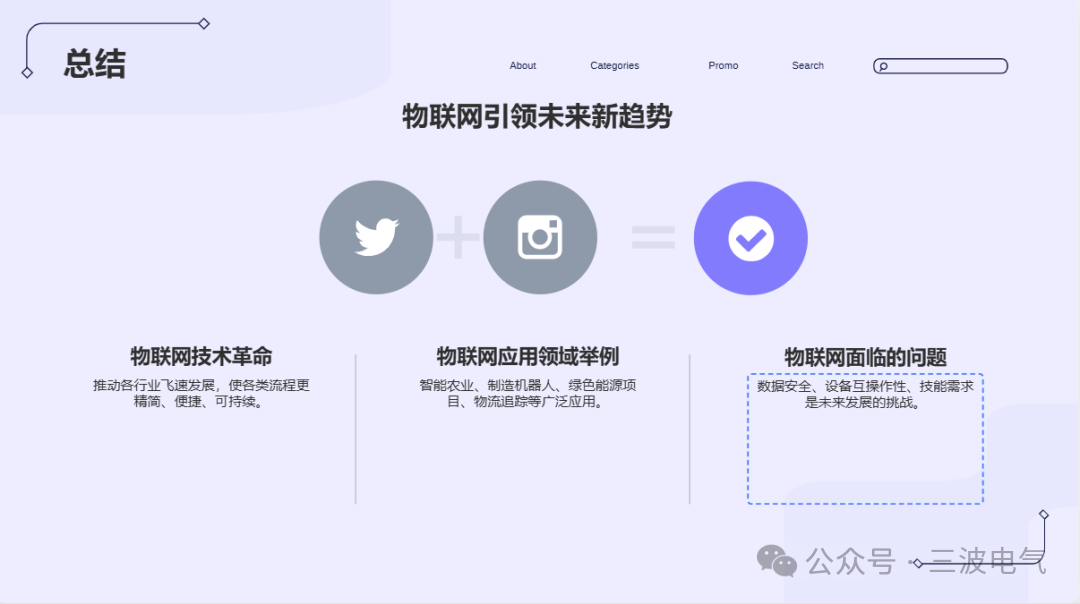
Looking ahead, one of the biggest challenges facing the IoT field will be data security, device interoperability, and the skills required to fully leverage all the advantages of intelligent systems. However, as technology continues to evolve, the IoT will bring more innovative application cases, transforming various industries and improving our lives. Let us look forward to the new changes that the IoT will bring and embrace a more comprehensive, sustainable, and intelligent future together.

Recommended Reading:
Next-Generation SCADA Configuration Software: Opening a New Era of Intelligent Factory Management
SCADA Systems: The “Smart Eye” of Factories for Efficient Operations
SCADA and HMI: The Golden Partners in Industrial Automation
IIoT Empowering Smart Factories: Driving a New Era of Industry 4.0
Industry 4.0: The Future of Manufacturing Productivity and Growth
Embracing the Industrial Internet of Things (IIoT): Eight Reasons to Drive Business Transformation and Innovation