To promote the comprehensive development of students, Jinan Jing Shan Primary School is committed to building a community of growth among families, schools, and society, activating parental think tanks and social curriculum resources, and creating distinctive class-based curricula. Each course adopts a “dual-teacher guided learning” model (parent as lecturer + teacher as assistant) to achieve “one class, one innovation; one class, one characteristic,” allowing every student to gain and grow through immersive learning. This term, we are launching the class-based curriculum for Grade 2, Class 2 – “AI Robotics”.

Course Introduction
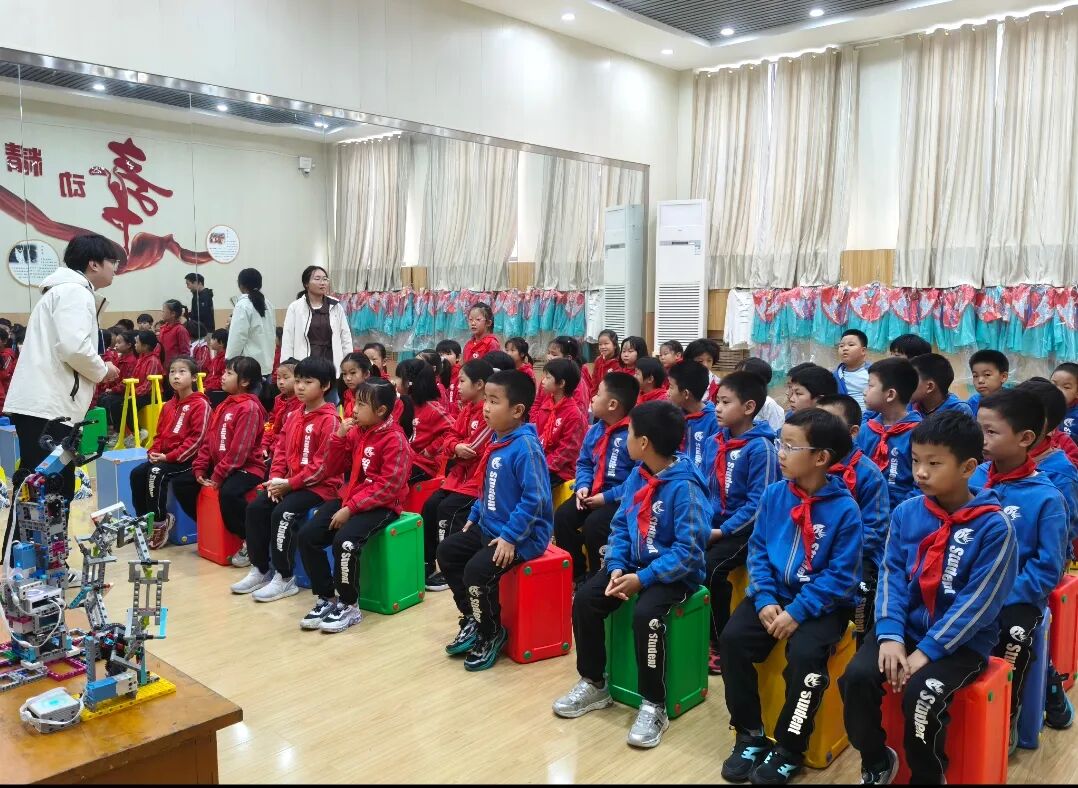
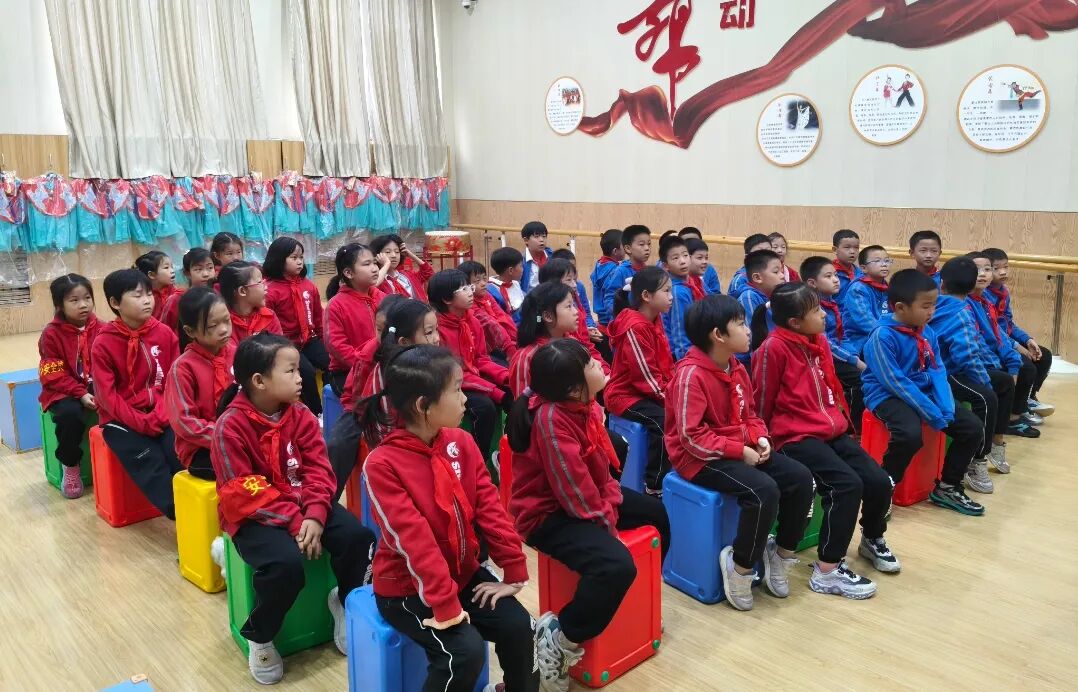
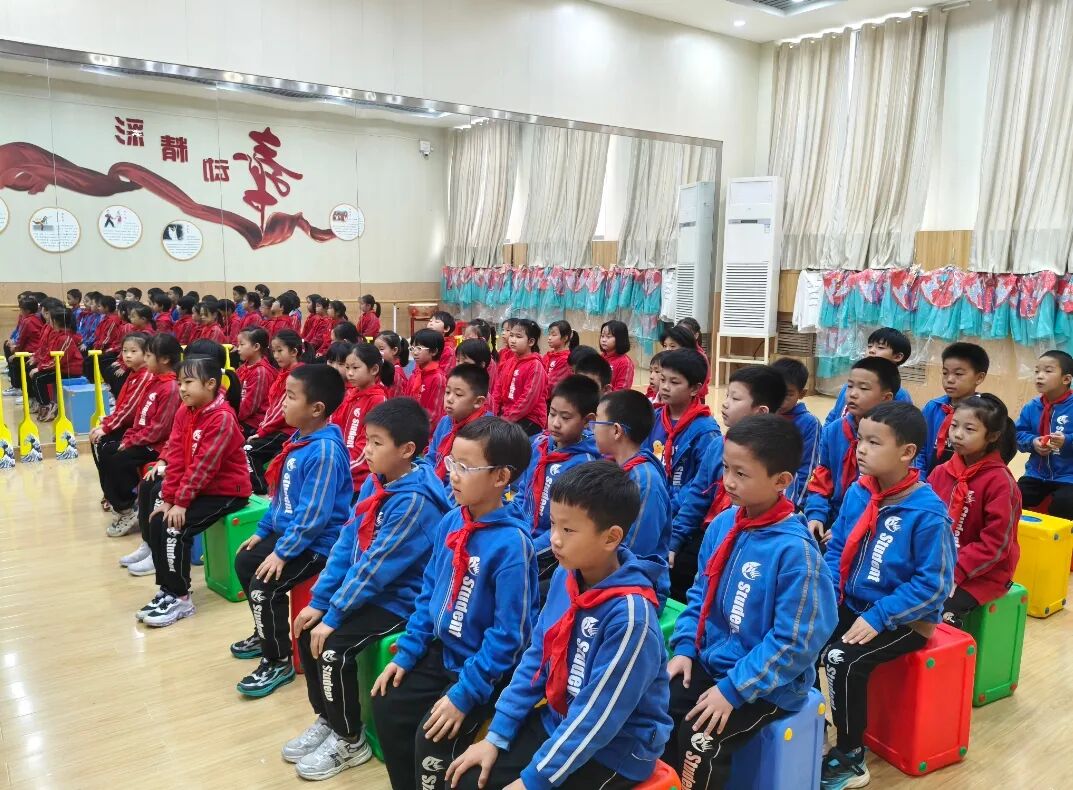
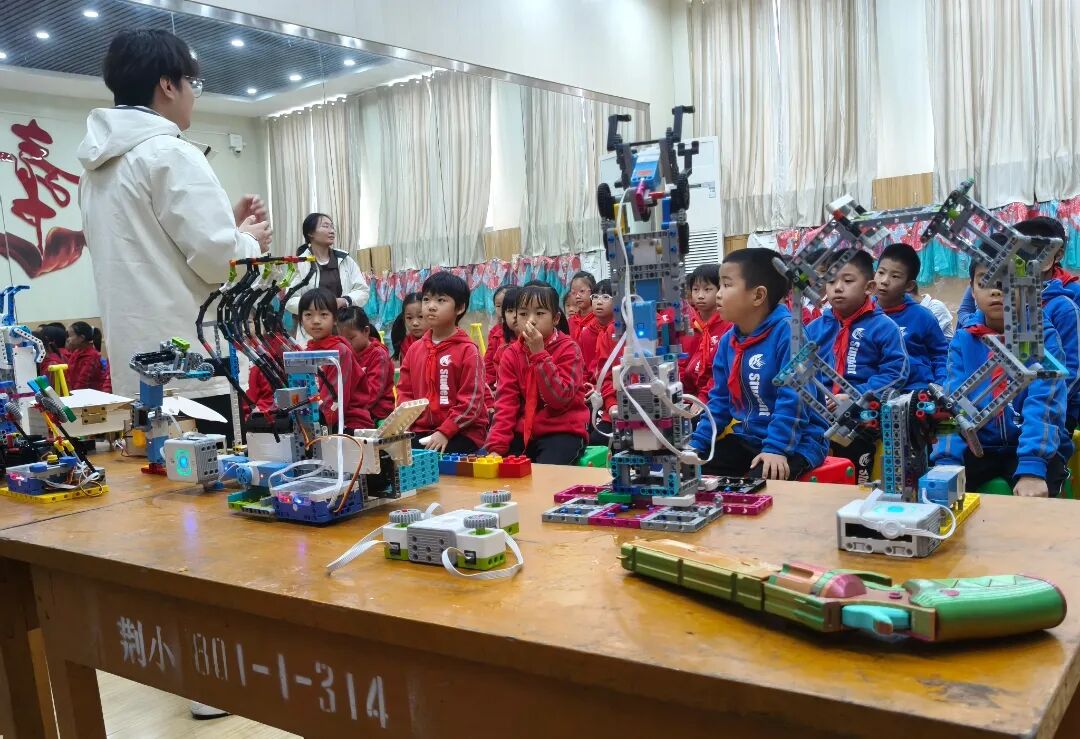
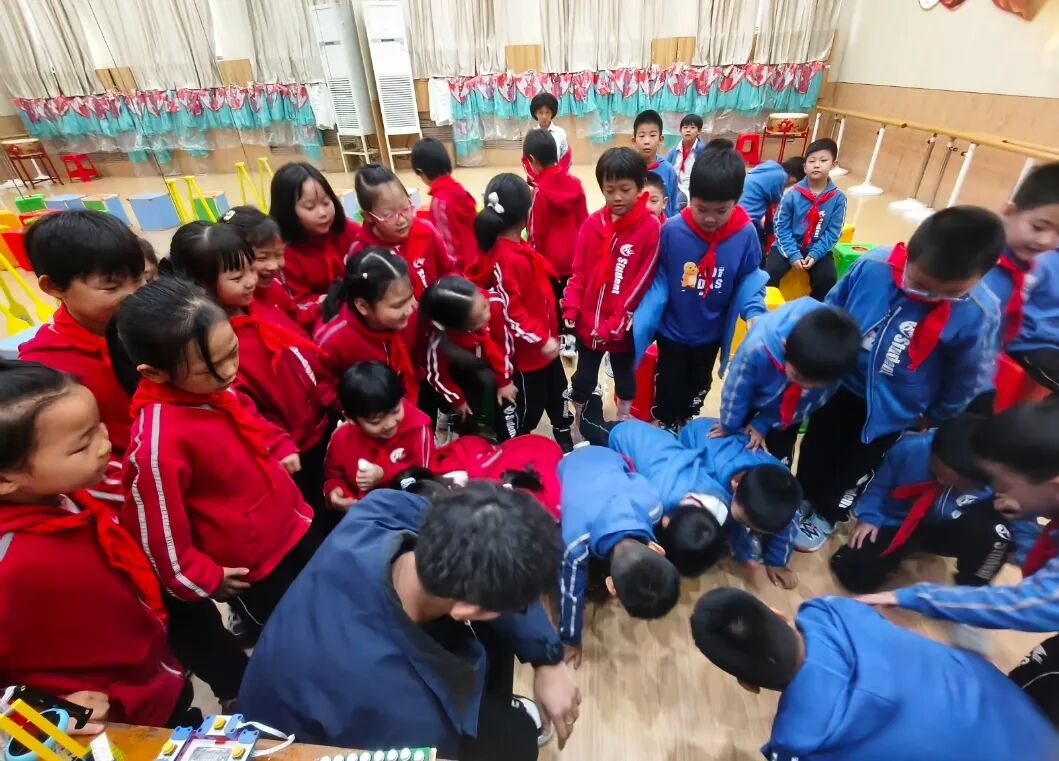
Recently, Grade 2, Class 2 of Jinan Jing Shan Primary School invited professionals into the classroom to bring students the class-based curriculum “AI Robotics”.
01


02
01
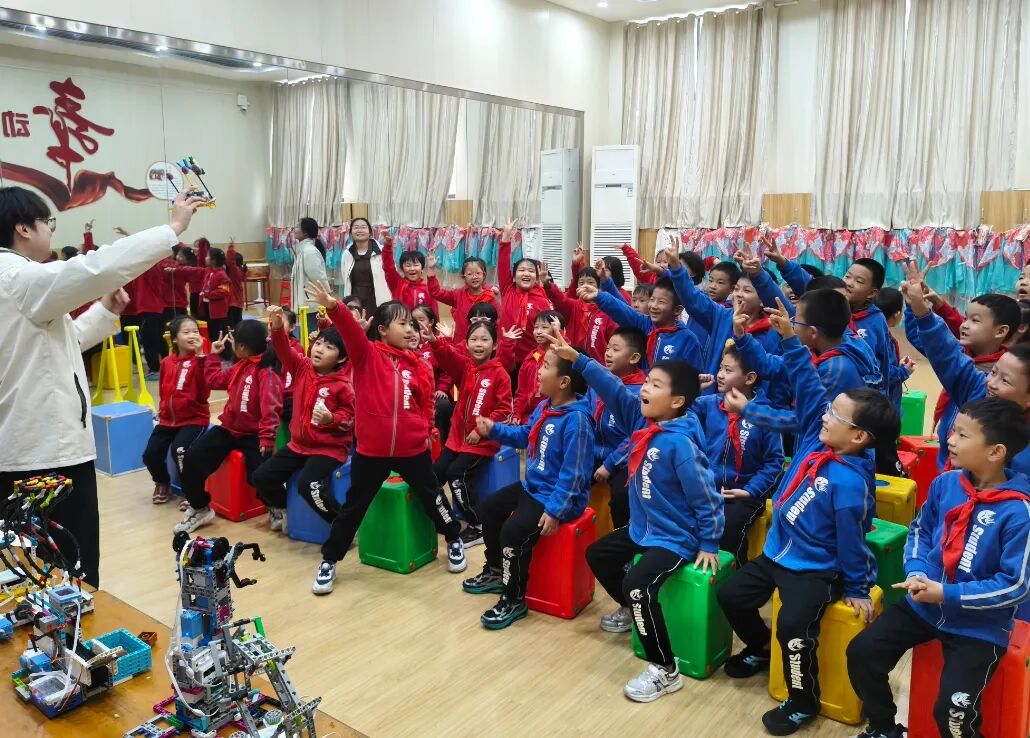
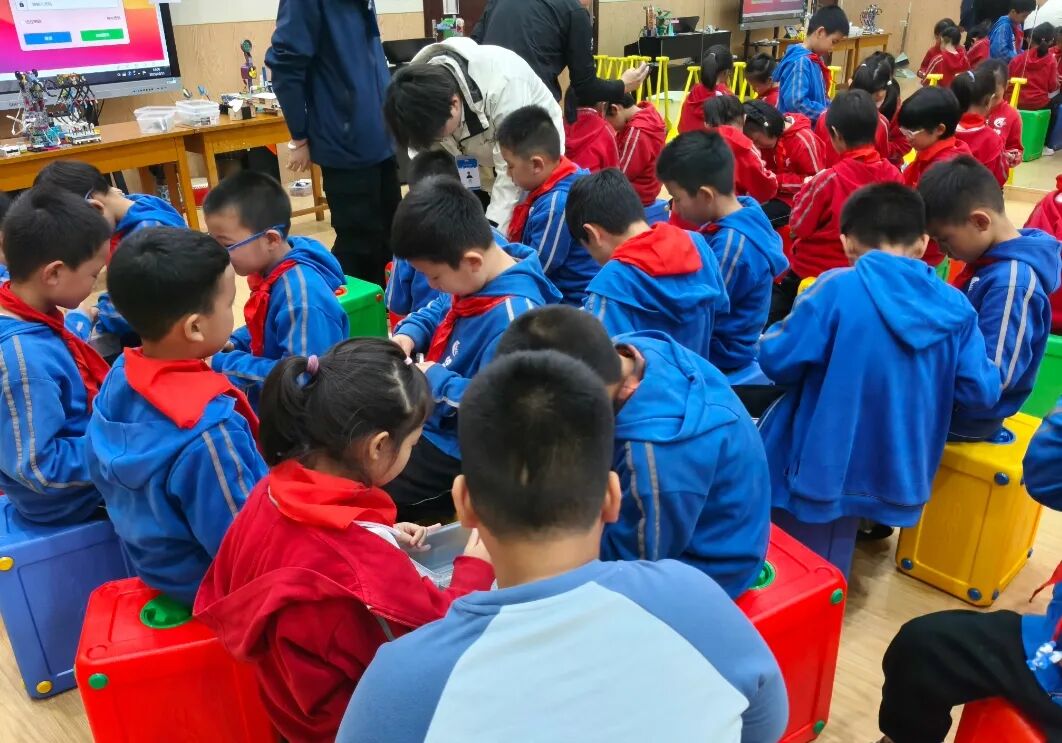
As the course began, the instructor mentioned that this is not traditional listening to lectures, but a hands-on exploratory journey.
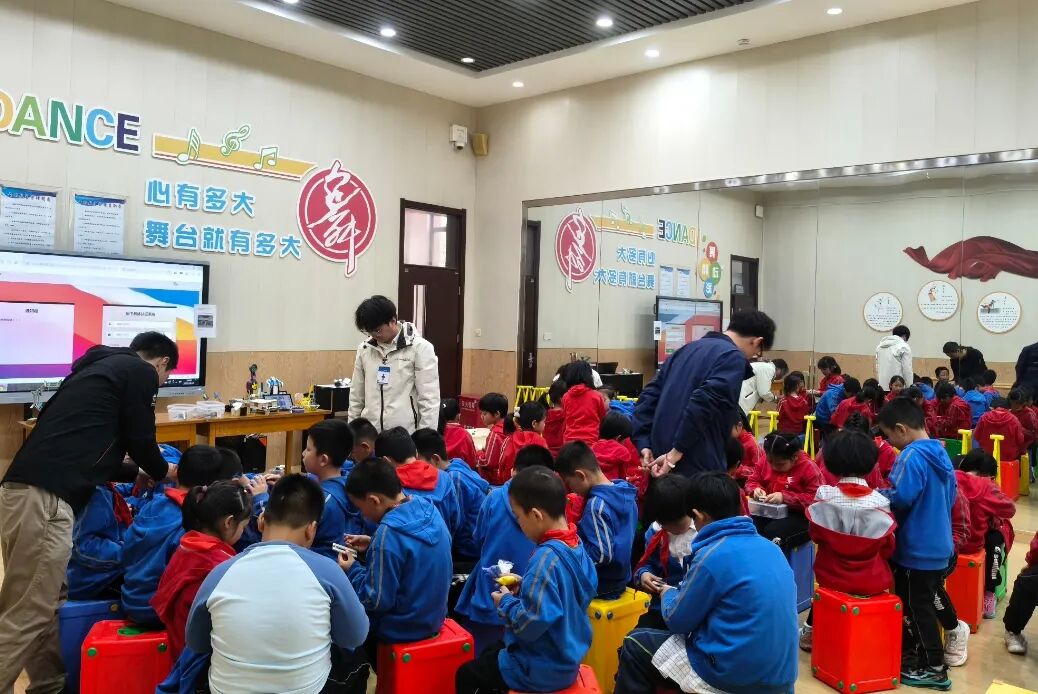
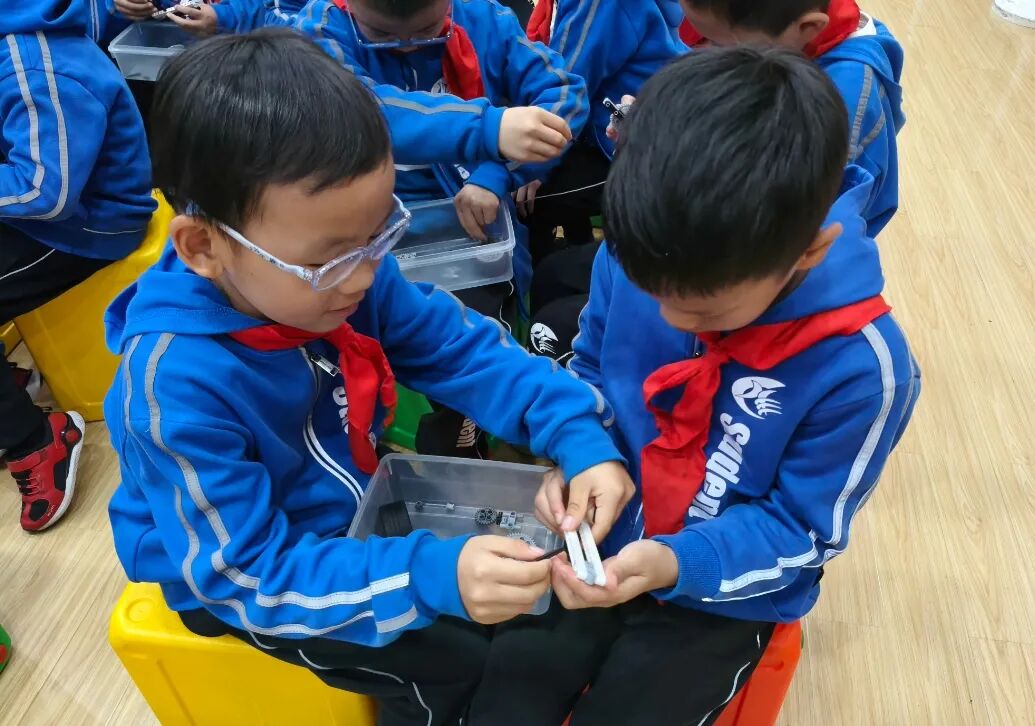
From “novice with parts” to “structure expert”: students started by recognizing gears and sensors, building a “mechanical gate” that can open and close, and a “tracked vehicle” that can climb slopes, understanding the principles of “triangles are more stable” and “levers can save effort” through repeated debugging.
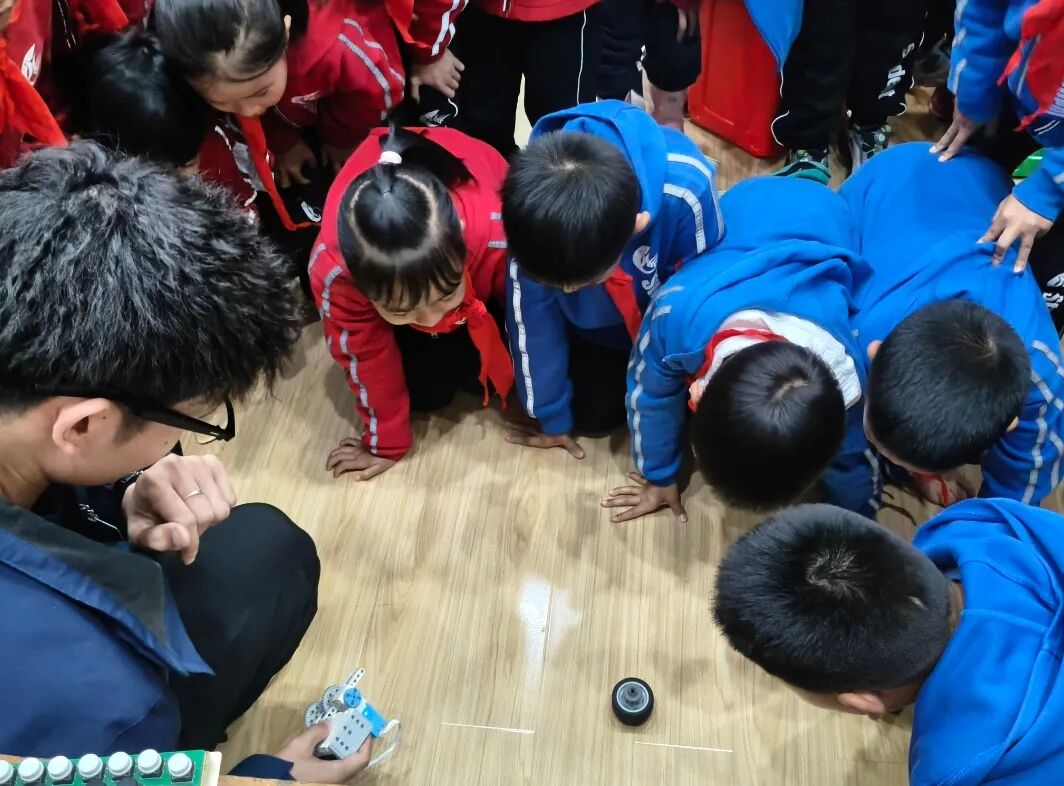
From “instruction imitation” to “logical design”: using graphical programming tools, students designed “obstacle avoidance routes” and “light reminders” for robots. Some students repeatedly modified the “forward time” to ensure the robot stops accurately at a designated position, gradually understanding that “programming is about clearly stating the steps to the machine”.
From “individual creation” to “team collaboration”: groups completed tasks such as “automatic feeders” and “waste sorting boxes”, with some responsible for building, others for programming, and others for debugging, learning that “1+1>2” through division of labor and collaboration.
The students’ creativity exceeded expectations.Each work contains their observations of the world:
“Smart Pet Butler”: Automatically opens the door to feed, and can sense the pet’s approach with sensors, lighting up a warm little lamp. The designer said, “I want to help my mom reduce the burden of taking care of the dog”;
“Dancing Robot Band”: Three robots are responsible for “drumming”, “shaking bells”, and “spinning”, perfectly synchronized with the children’s songs recorded by the students, with a precise and cute rhythm;
“Disaster Relief Guardian”: The tracked chassis can overcome obstacles and use the top “mechanical claw” to pick up small objects. The students look forward to using it to help trapped animals.
These seemingly simple works are the result of countless disassemblies, reassemblies, and optimizations by the students, and represent the budding of problem-solving thinking.
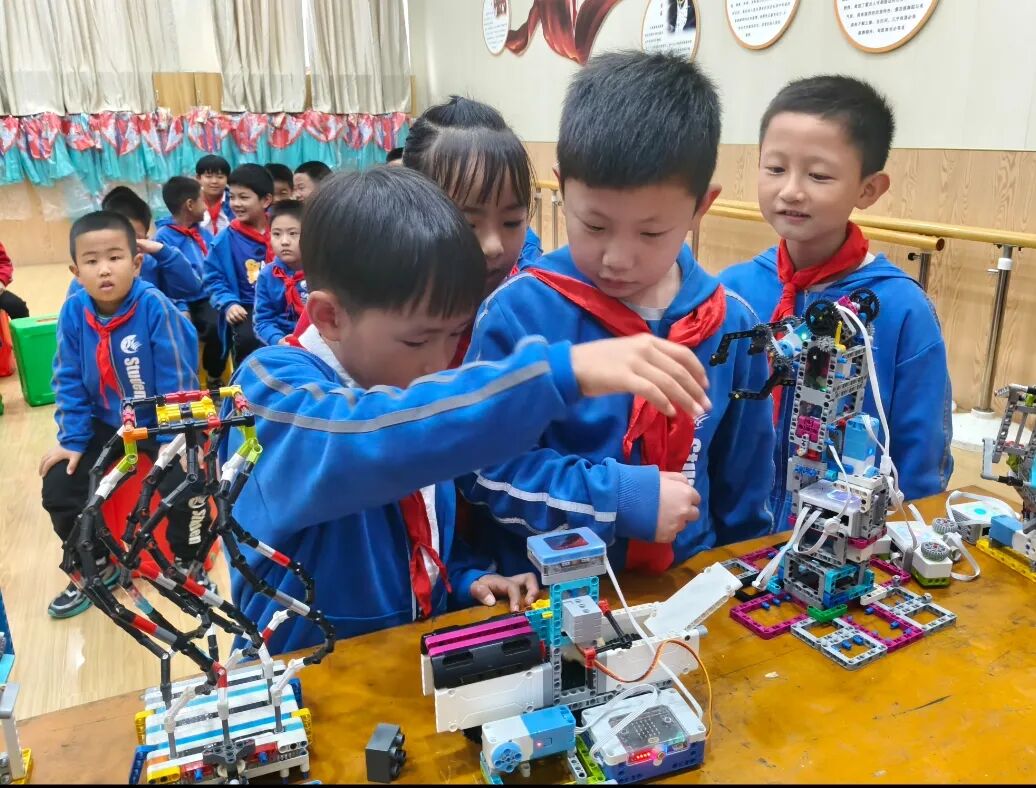
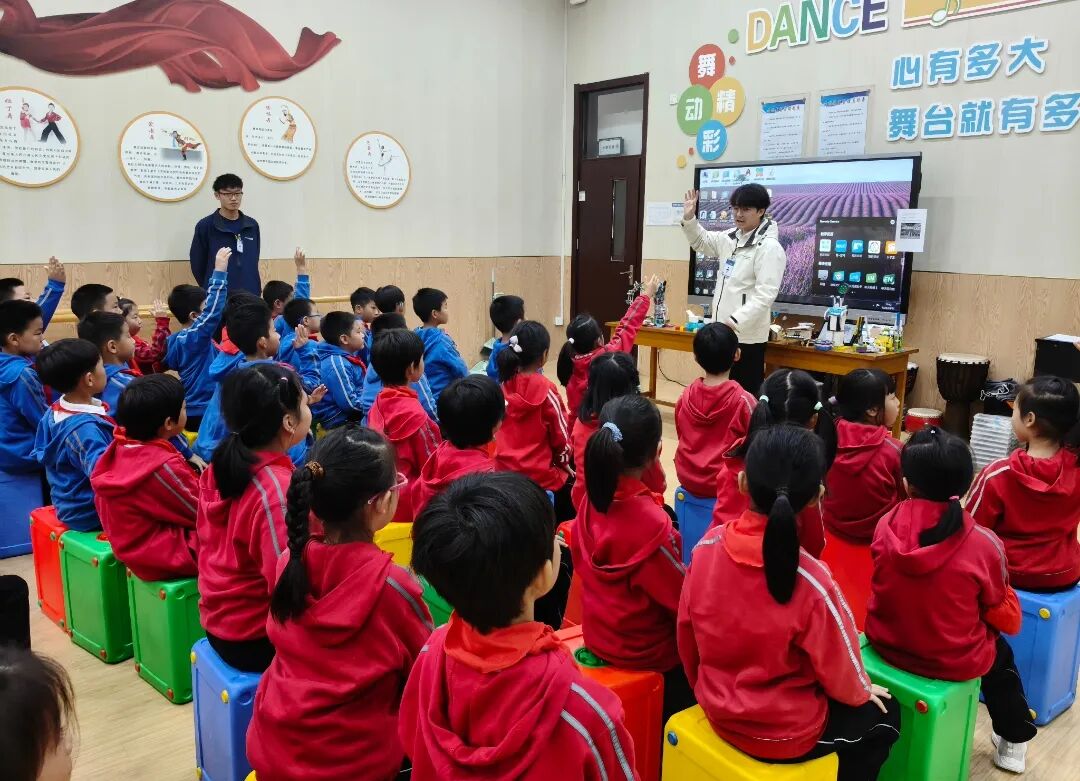

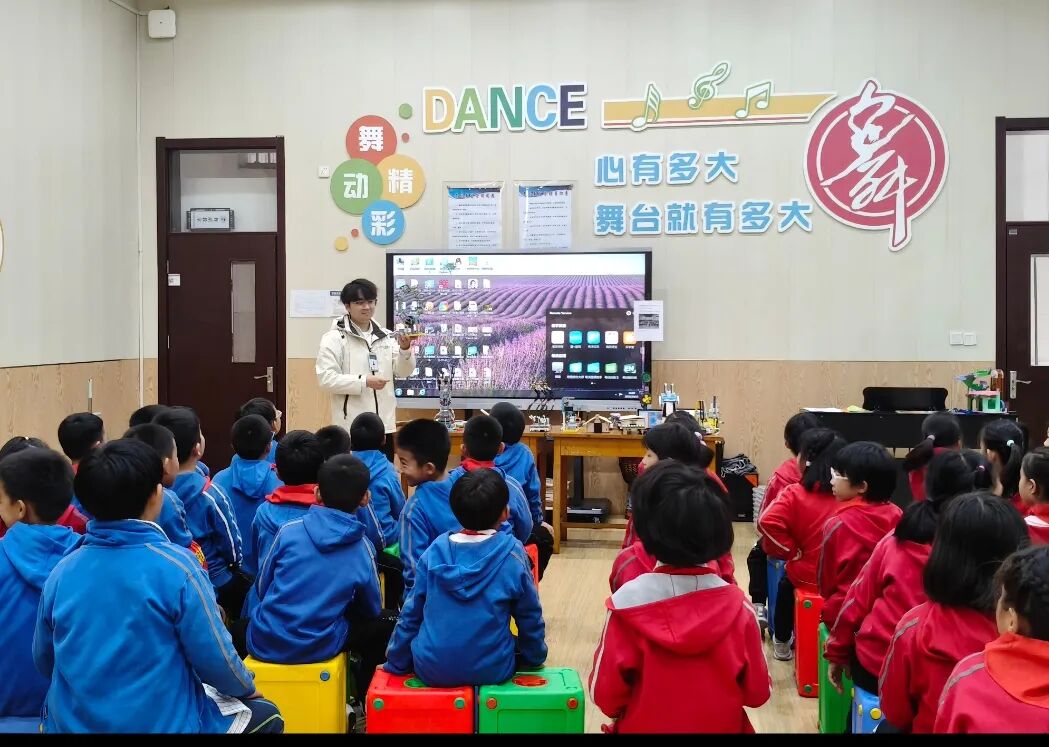
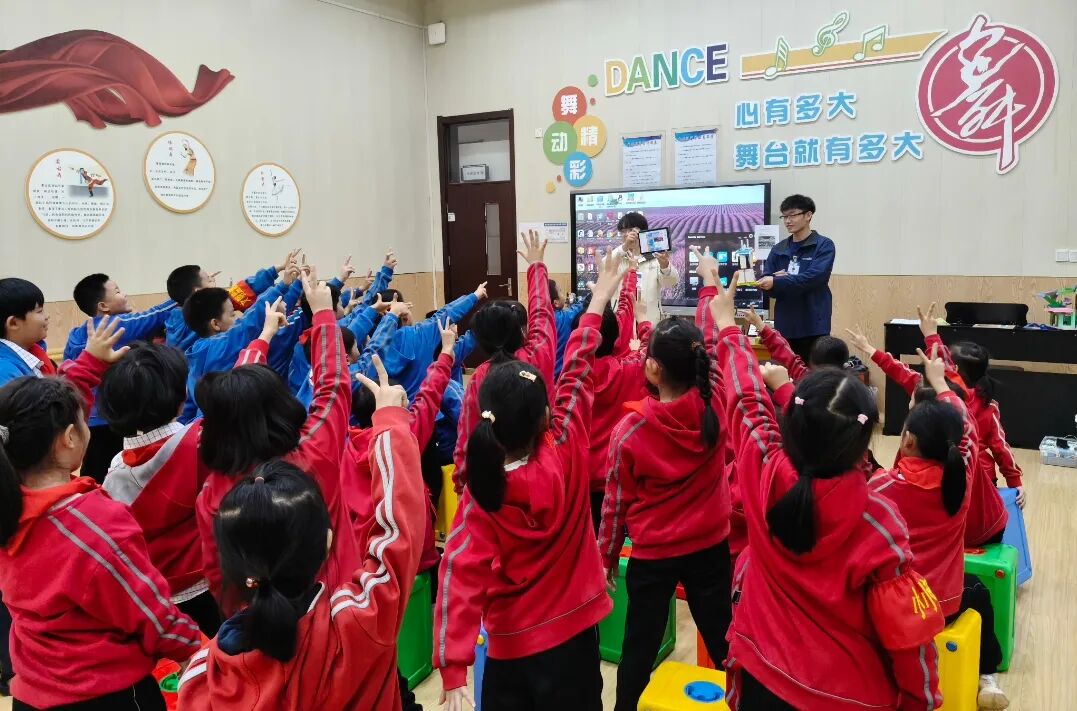
Through the method of “hands-on operation + technical practice”, students master technological thinking and enhance practical abilities in the complete process of “building – programming – controlling”, while also stimulating their interest in exploring cutting-edge technologies.
FATHER