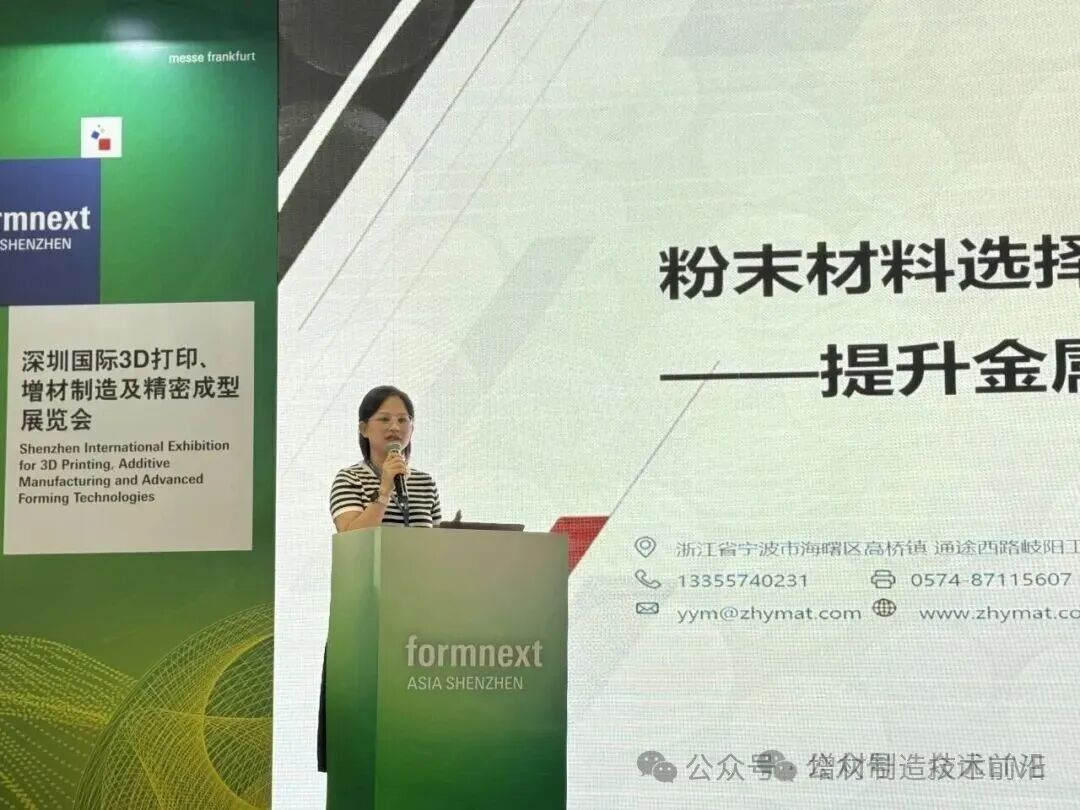
During the 2025 Formnext Asia Shenzhen International 3D Printing, Additive Manufacturing, and Precision Molding Exhibition, Yang Yumei, Sales Director of the Footwear Division at Zhongyuan New Materials, delivered a speech titled “Selection and Optimization of Powder Materials – The Key to Enhancing the Performance of Metal 3D Printed Shoe Molds.” In this issue, we continue to explore this topic, aiming to collaborate with industry partners and shoe mold manufacturers to unlock the mass production value of metal 3D printed shoe molds.
In the field of shoe mold manufacturing, metal 3D printing technology has faced two questions from shoe mold manufacturers: “Can 3D printed metal shoe molds really be used? Can we afford the costs?” These questions became more pronounced when early customers first encountered rough and unusable metal 3D printed shoe molds. Today, Zhongyuan New Materials has delivered over a hundred tons of metal powder materials, producing more than 20,000 pairs of metal 3D printed shoe molds, addressing the concerns of shoe mold users.
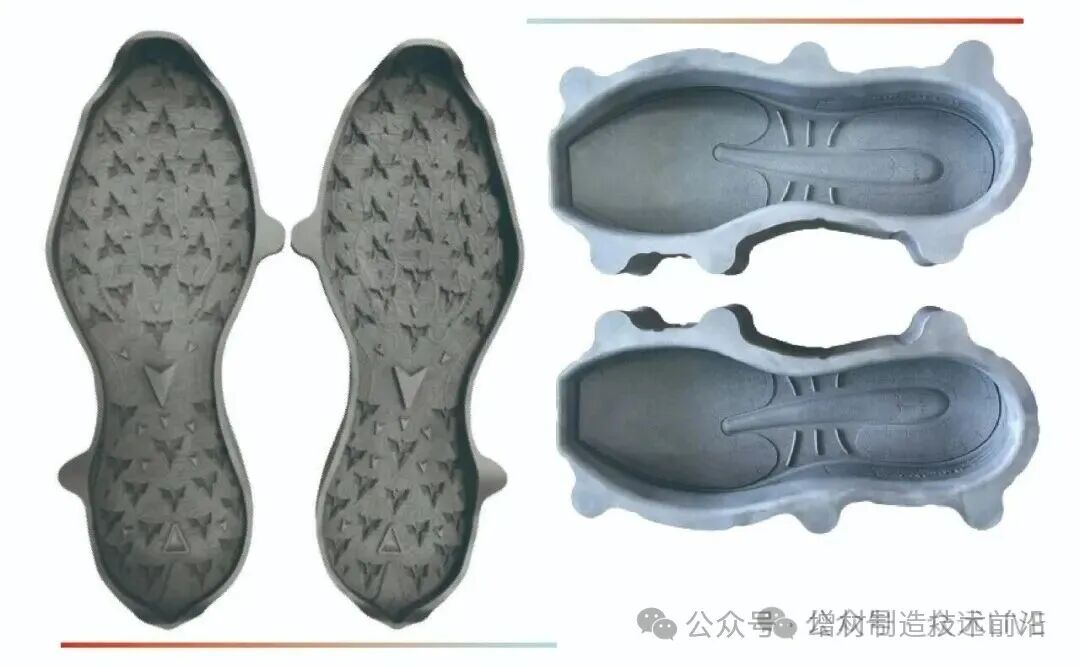
Figure: Metal 3D Printed Shoe Mold
Next, Zhongyuan New Materials will analyze the path to achieving mass production of metal 3D printed shoe molds from the perspectives of key characteristics of shoe mold 3D printing metal powder materials, selection logic, and how to ensure stable material supply.
Three Key Indicators of Metal Powder Materials
Establishing the “Material Gene” for 3D Printing of Shoe Molds
From the perspective of powder materials, the precision, strength, and lifespan of metal 3D printed shoe molds are related to three key indicators: particle size, shape, and inclusions, as well as oxygen content. Furthermore, through co-creation with additive manufacturing equipment and users’ processes, we can further release the high precision, high strength, and long lifespan of molds.
1. Particle Size: The “Golden Range” of 15-53μm
The powder particles must be controlled within a normal distribution range of 15-53μm. If the particles are too small (<15μm), it can lead to decreased flowability, affecting powder uniformity; if the particles are too large (>53μm), it will affect the thickness of the powder layer and wall thickness, increasing the surface roughness of the printed parts.
2. High Sphericity + Low Inclusions: A Dual Guarantee for Molding Quality
-
Sphericity: In principle, “the rounder, the better”; spherical powder can be transported more smoothly in the powder feeding device and evenly spread in the forming area, reducing the formation of voids or accumulation in the powder bed, thereby minimizing the “bridging phenomenon” and enhancing interlayer bonding strength.
-
Hollow Powder Rate and Inclusions: The lower the hollow powder rate, the better, and inclusions should be minimized. Hollow powders (containing gas pores) or foreign impurities cannot be instantly melted by the laser during the additive manufacturing process, leading to defects such as sand holes or cracks. Possible causes of inclusions include: during the forming process of metal powder materials; during the production process of metal powder materials; or if it occurs on the user’s production site, impurities may fall into the metal powder during the turnover process.
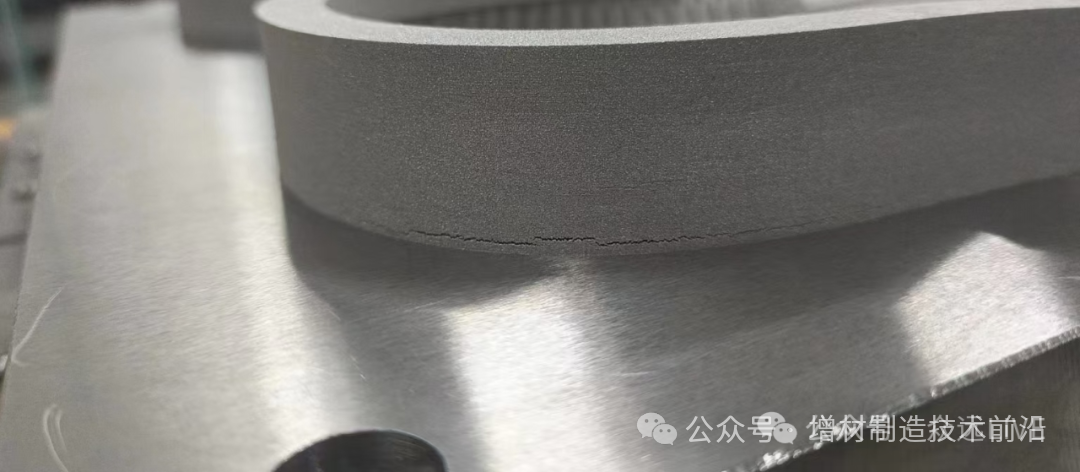
Figure: Cracked Metal 3D Printed Shoe Mold Sample
3. Oxygen Content: Controlled at <100PPM to Enhance Toughness and Lifespan of Shoe Molds.
Metal 3D printing is extremely sensitive to oxygen content, typically requiring oxygen levels <1000PPM. Zhongyuan optimizes the process to keep the oxygen content of shoe mold-specific powder below 100PPM, significantly enhancing the impact toughness of 3D printed parts. For example, through testing different batches, Zhongyuan produced 316L stainless steel powder printed samples with an impact toughness of about 130J/m²; while samples with an oxygen content of 1000PPM had an impact toughness of about 90J/m². Low oxygen content (<300PPM) 316L 3D printed samples exhibit nearly 40% higher impact toughness than high oxygen content (<1000PPM) samples, equivalent to a nearly 40% increase in the lifespan of shoe molds.
Additionally, high oxygen content in powder materials can have other effects, such as reducing the mechanical properties of 3D printed parts and affecting conductivity. If users are using it to 3D print popcorn shoe molds, there are higher requirements for the material’s corrosion resistance and rust resistance. In this case, if the powder material has high oxygen content and contains some impurities, it will affect its corrosion resistance, making the shoe mold more prone to rust and corrosion.
How to Define Specialized Metal Powder for Shoe Molds
Different types of shoe molds have varying requirements for material strength, hardness, and thermal conductivity. Based on the needs of shoe mold users, Zhongyuan has developed additive manufacturing steel 316L stainless steel, XM-7 mold steel powder, as well as additive manufacturing aluminum-based materials AlSi10Mg and ZY6061, covering different application scenarios.
1. 316L: The “Basic Model Preferred” for Mass Production of Shoe Molds
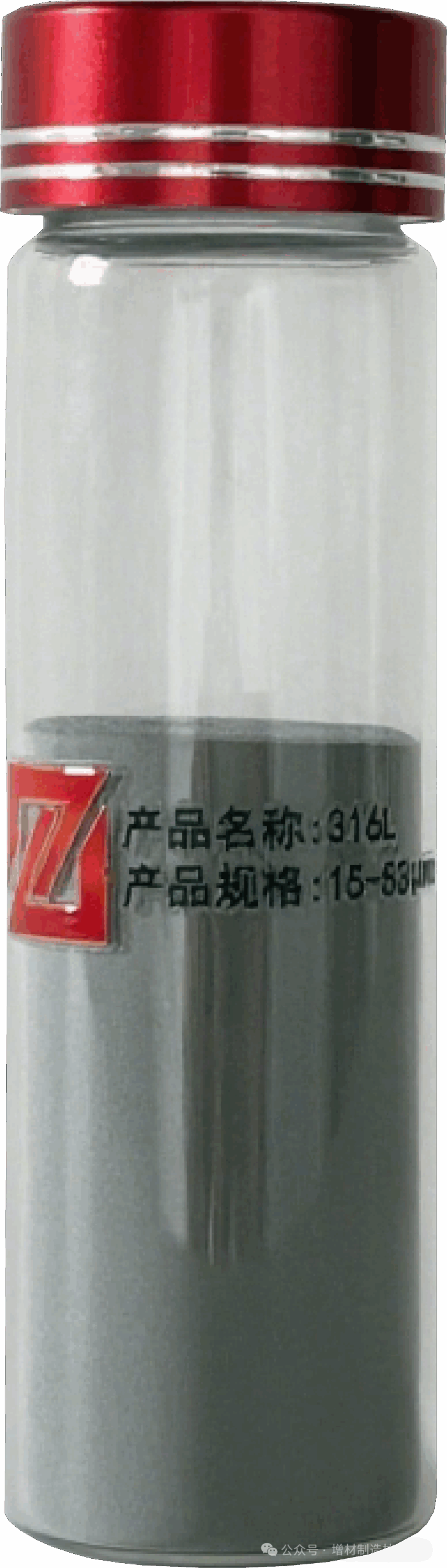
316L is currently the mainstream material for metal 3D printed shoe molds, with overall performance superior to traditional shoe mold materials (such as A3 steel, 45# steel, P20 steel).
Application Results: A certain customer of Zhongyuan achieved a yield rate of over 98% in mass production of shoe molds using 3D printed 316L powder material for single mold bodies, with the mold lifespan reaching twice that of traditional shoe molds, producing over 4.5 million pairs of shoe soles. The mass production of a single mold body has exceeded 400-500 pairs.
2. XM-7 Mold Steel: The “Performance Upgrade Model” for Shoe Molds
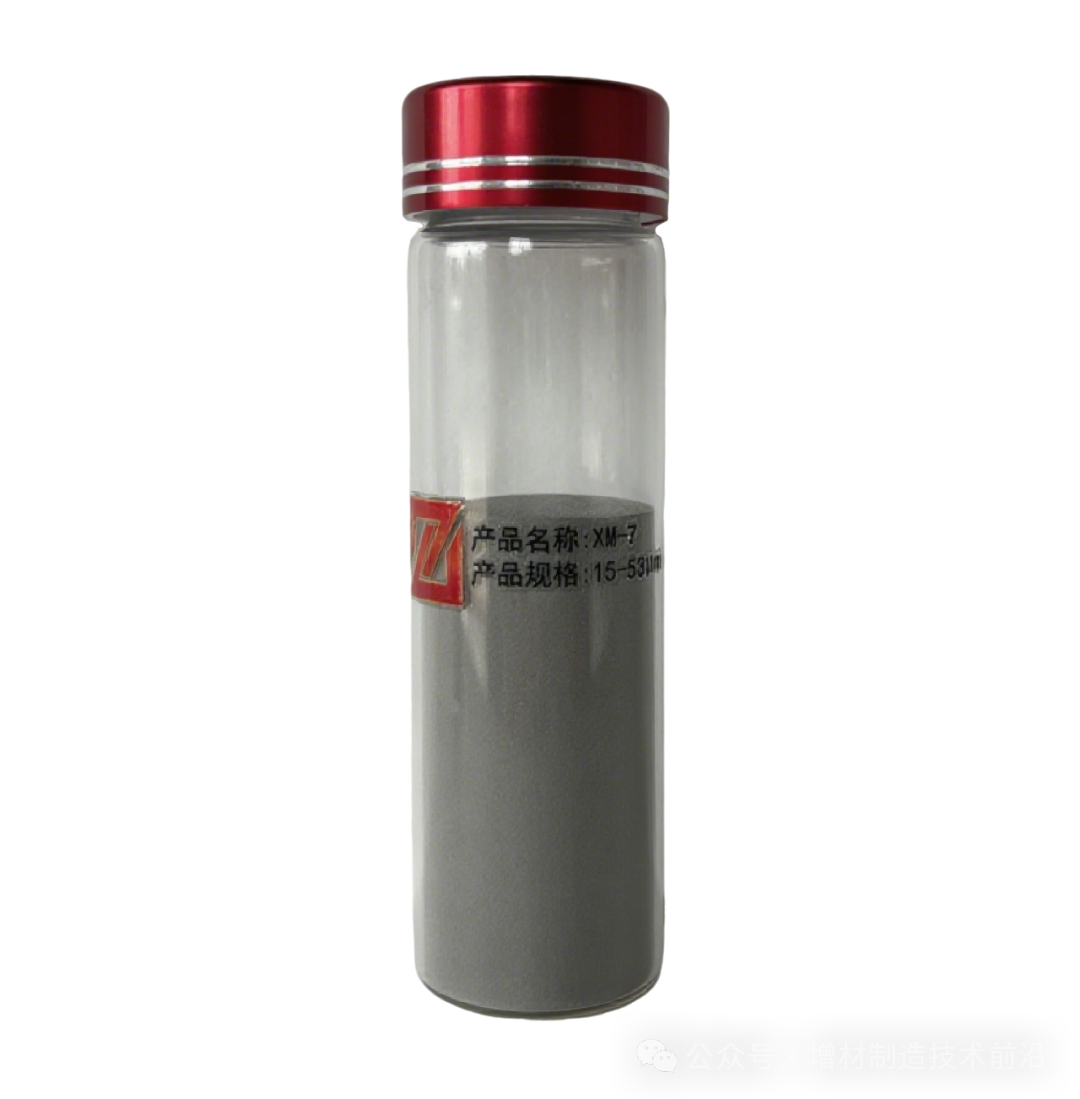
For 3D printed shoe molds with high thermal conductivity and hardness requirements (such as complex patterned injection molds), Zhongyuan has developed XM-7 mold steel powder, with core advantages including:
-
Mechanical Properties: Printed hardness of 23-26HRC, can reach >30HRC after heat treatment, with tensile yield strength close to 2-3 times that of 316L.
-
Thermal Conductivity: Thermal conductivity >30 W/(m·K) (316L is about 15 W/(m·K)), accelerating the cooling and forming of shoe soles, enhancing production efficiency.
-
Corrosion and Etching: The material can undergo chemical etching after printing, meeting the chemical etching requirements for shallow patterns (depth <0.12 mm) in shoe molds.
-
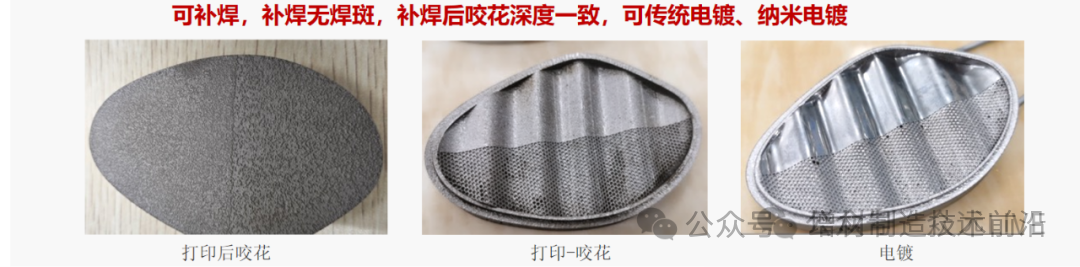
Process Compatibility: Supports repair welding (etching depth remains consistent after repair), traditional electroplating, and nano-electroplating, solving the difficulty of modifying patterns on 3D printed shoe molds.
-
Easy to Print and Form: As an iron-based material, it is easy to print and form with controllable precision.
-
Mechanical Properties:

3. ZY6061: Crack-Resistant Aluminum Alloy Powder
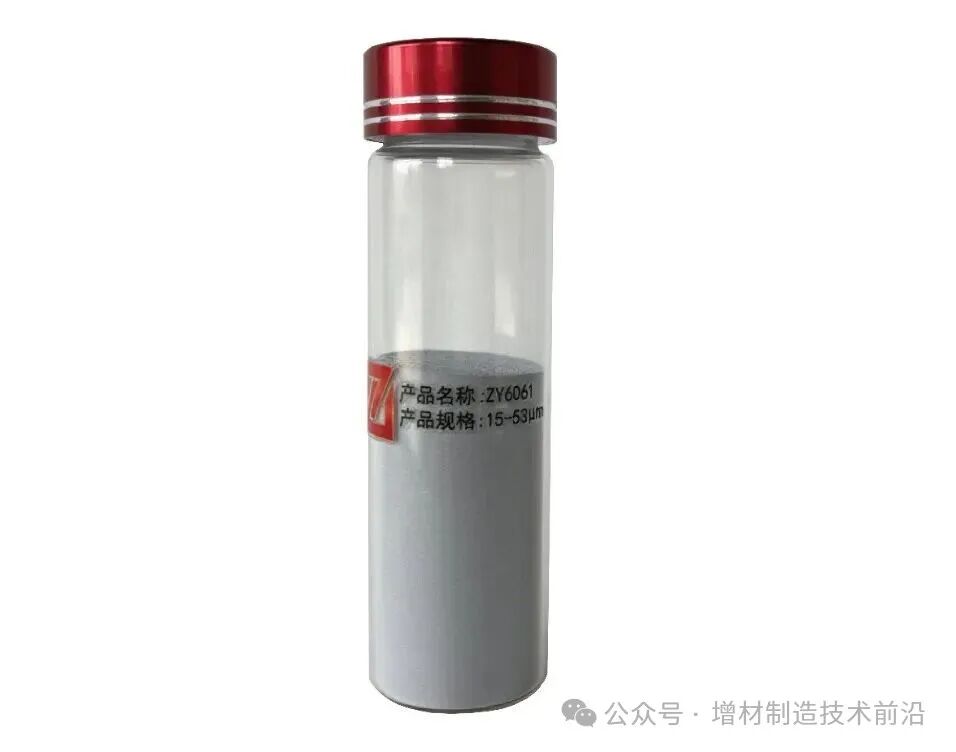
In addition to the commonly used aluminum alloy 3D printing powder AlSi10Mg, Zhongyuan New Materials successfully developed and patented the ZY6061 aluminum alloy powder in 2022, which is the first metal 3D printing 6-series aluminum alloy material in the market, reducing the tendency for cracking in traditional 6-series aluminum alloy materials. ZY6061 has good weldability and thermal conductivity and can be used for anodizing and coloring. This material has been widely applied in shoe mold manufacturing and industrial parts manufacturing. Its thermal conductivity is superior to AlSi10Mg, thereby enhancing the forming efficiency of molds.
Stable Delivery of Hundreds of Tons of Powder
Ensuring Material Consistency for Additive Manufacturing of Shoe Molds
Achieving mass production of metal shoe molds through additive manufacturing relies on the stable supply of powder materials. Zhongyuan ensures the continuous delivery of hundreds of tons of additive manufacturing powder through a three-tier system of “technical core + capacity layout + quality control.”
1. Technology and Capacity: Vacuum Atomization Powder Production as the Core, with Annual Capacity Planning Exceeding Ten Thousand Tons
-
Technical Core: Centered on “vacuum atomization powder production,” independently developed powder production equipment and process routes, and independently designed various material compositions, covering multiple series including mold steel, stainless steel, aluminum alloy, titanium alloy, and high-temperature alloys.
-
Capacity Layout: Headquartered in Ningbo, the company currently has one R&D laboratory, three production bases, and six sales companies. After the completion of headquarters + base construction, the annual production capacity can exceed ten thousand tons.
-
Team and R&D: Over 200 employees, with the founding team all graduates of Harbin Institute of Technology, collaborating with major global universities and research institutions such as the Chinese Academy of Sciences, Zhejiang University, Shanghai Jiao Tong University, and Shanghai University to develop new materials.
2. Quality Control: Fully Traceable Process, Unique Identification, “Layer by Layer” Quality Assurance from Raw Materials to Finished Products
-
Production Process: Fully traceable process, from raw material inspection upon arrival to production, post-processing, and finished product packaging. Each barrel has its own “identity card” (including powder samples and raw material samples).
-
Packaging and Testing: Color-coded packaging distinguishes different grades, making it easy to differentiate while meeting batch requirements. Labels can trace weight, production date, batch, and other information; all powders undergo secondary testing before leaving the factory, accompanied by a testing report to ensure batch quality stability.
From “Technically Feasible” to “Mass Production”
Zhongyuan’s Full-Cycle Quality Assurance
Zhongyuan New Materials focuses on the full lifecycle quality control of additive manufacturing metal powders, achieving stable and controllable metal powder materials from production to application through independent research and innovation capabilities. Relying on the team’s over 20 years of powder production experience and over 10 years of standardized automated processes, it provides a “safe production” foundational support for metal shoe mold additive manufacturing. Zhongyuan New Materials provides affirmative answers to the questions “Can metal 3D printed shoe molds be used? Can we afford them?” with the delivery of over a hundred tons of metal powder.
In the future, Zhongyuan will continue to work with end users and equipment partners, exploring process optimization and cost reduction to further promote the additive manufacturing of shoe molds from “technically feasible” to “widely adopted,” providing full-cycle support from material selection to stable supply, and jointly unlocking the mass production value of metal 3D printed shoe molds.
*Note: The metal 3D printing or additive manufacturing technology discussed in this article refers to SLM powder bed selective laser melting technology.
Note: You are welcome to join the PhD and Master Exchange QQ Group (248112776)