

-
Structure and Thermal Design of New Energy Vehicle System Modules (IP67 Reliability Improvement Method)
-
How to Quickly Master a Technology Through Learning (The “Craftsman Program” 1.0 for Digital R&D of Structure and Thermal Design Has Officially Launched!)
-
How to Conduct Electronic Product R&D? Solidworks Structural Design Spiral Water Channel Cold Plate & FloEFD Thermal Flow Simulation & ANSYS Reliability Simulation Analysis
-
Electronic Product IP Waterproof O-ring Compression and Structural Stress Simulation Technology
-
IGBT: Microchannel Heat Sink with Aluminum Nitride Direct Bonded Copper
-
Engineering Practical Handbook: Complete Collection of Thermal Design Theoretical Calculation Formulas | Weekend Benefits Giveaway
-
Is a Larger Heat Sink Area Always Better for Cooling Performance???
-
Inspiration and Simulation Verification of Leaf Vein Cold Pump in Water Cooling Plate Design
-
From Beginner to Expert: The Path of Progress (General Methods)
-
Some Suggestions on Thermal Design Simulation Analysis
-
Methods for Calculating Power Loss
-
Optimal Heat Sink Design for Natural Convection in the Vertical Direction
This issue brings youResearch on PCB Circuit Board Thermal Design Simulation and AI Deep Learning, hoping to be helpful to everyone.
 In today’s world of increasingly miniaturized and high-performance electronic devices, the thermal management of PCB circuit boards is becoming increasingly prominent.Effective thermal design can ensure the stable performance and extended lifespan of electronic components on the circuit board. Meanwhile, the rapid development of AI deep learning technology has brought new ideas and methods for PCB thermal design simulation analysis.The intersection of the two is expected to promote significant breakthroughs in the field of PCB thermal design.
II. Current Research Status at Home and Abroad
(1) Foreign Research Status
Foreign research in PCB thermal design simulation analysis started earlier, and there are already mature commercial software, such as Flotherm and Icepak, which can accurately simulate the thermal distribution of PCBs.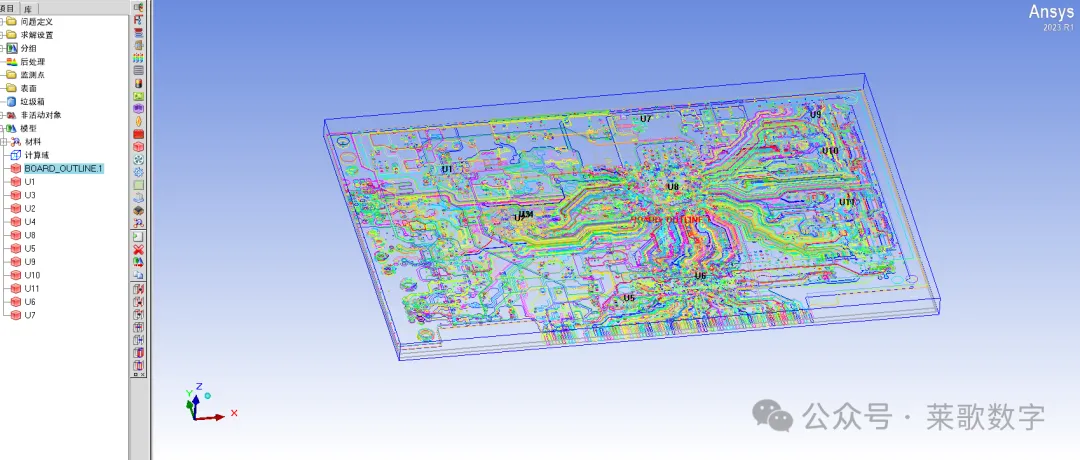 Icepak software PCB simulation analysis
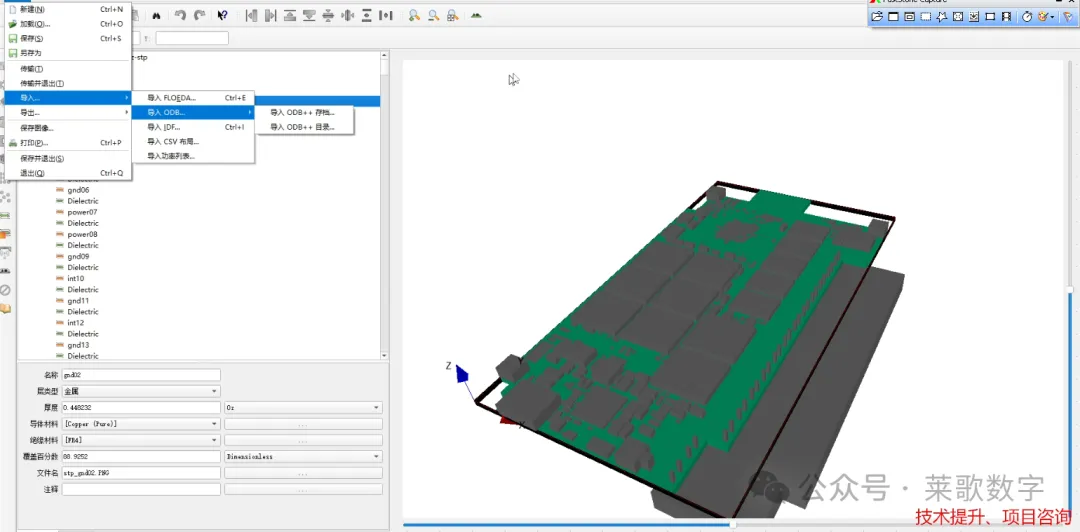 Flotherm software PCB simulation analysisIn the intersection research of AI and thermal design, some well-known universities and research institutions have carried out related work. For example, a research team from Stanford University in the United States used deep learning algorithms to process thermal simulation data, improving the efficiency and accuracy of thermal analysis.They trained models using a large amount of experimental data, enabling the models to quickly predict the thermal performance of PCBs under different conditions.
(2) Domestic Research Status
Domestic research in the field of PCB thermal design has also made certain progress, with some universities and enterprises beginning to pay attention to the application of AI technology in thermal design.Some research institutions have established thermal simulation models and experimental platforms to study the thermal characteristics of PCBs.For example, a research team from Tsinghua University proposed a method for predicting PCB thermal distribution based on convolutional neural networks, achieving rapid prediction of thermal distribution through learning PCB images and thermal data.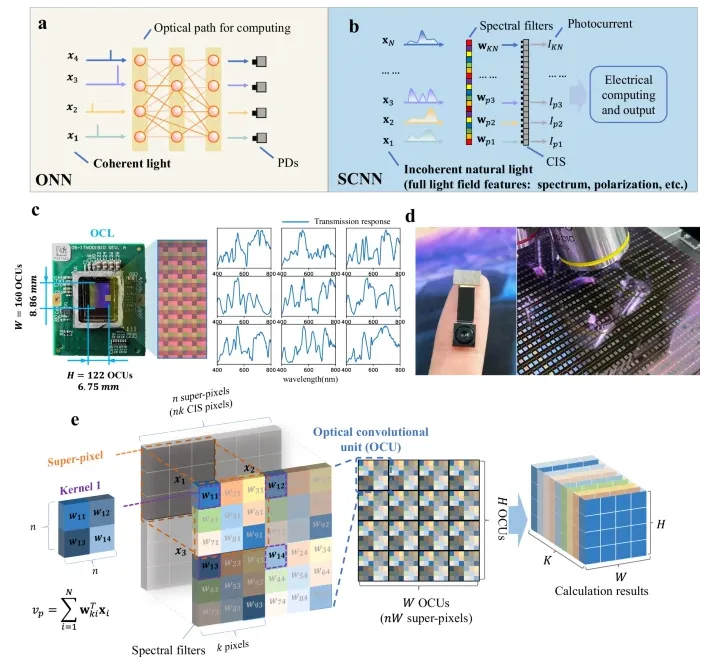 Image source from the internet
III. Technical Details
(1) Modeling
1. Establishing PCB Thermal Models
Traditional methods for establishing PCB thermal models are usually based on physical principles, considering factors such as the material properties of the circuit board, component layout, and cooling methods.For example, the finite element method is used to divide the PCB into multiple small units, simulating thermal distribution by solving the heat conduction equation.With the introduction of AI large models, deep learning algorithms can be used to learn a large amount of PCB thermal model data, establishing more accurate and efficient thermal models.For example, using recurrent neural networks (RNN) to model the thermal state of PCBs at different moments, considering the dynamic process of heat conduction.
2. AI Model Construction
Common AI models include multilayer perceptrons (MLP), convolutional neural networks (CNN), and long short-term memory networks (LSTM).For PCB thermal design simulation analysis, suitable models can be selected based on specific problems. For example, for the analysis of PCB thermal images, CNN can be used to extract image features and predict thermal distribution; for simulating dynamic thermal processes, LSTM can be used to capture time series information.
(2) Analysis
1. Traditional Thermal Analysis Methods
Traditional PCB thermal analysis methods mainly include numerical simulation and experimental testing. Numerical simulation solves the heat conduction, convection, and radiation equations to obtain the thermal distribution of the PCB.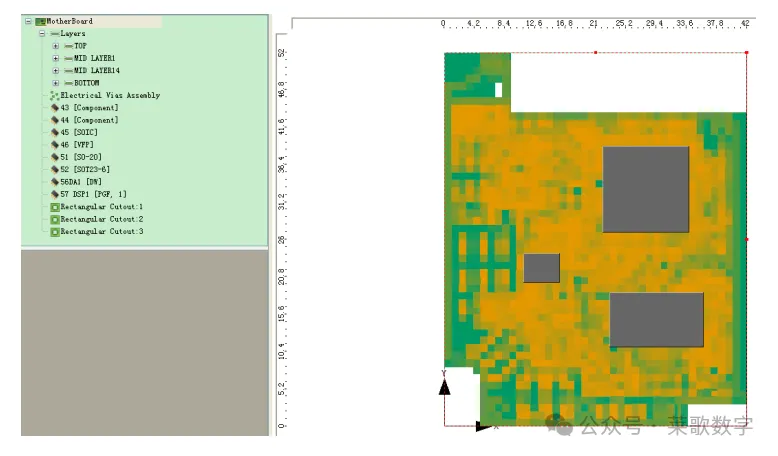 Experimental testing measures the actual temperature distribution of the PCB using devices such as infrared thermal imaging cameras. However, traditional methods have issues such as low computational efficiency and high experimental costs.
2. AI-Assisted Thermal Analysis
AI large models can establish thermal performance prediction models by learning a large amount of thermal simulation data and experimental data.When performing thermal analysis, it is only necessary to input relevant parameters of the PCB, such as component layout and power distribution, and the model can quickly output thermal distribution prediction results.For example, the AI model developed by Google can predict the thermal performance of complex PCBs in a short time, greatly improving the efficiency of thermal analysis.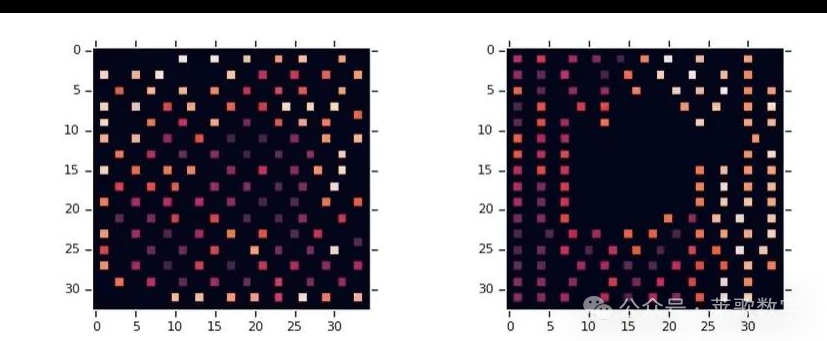
IV. Reliability Analysis
(1) Data Reliability
The training of AI large models requires a large amount of high-quality data. In PCB thermal design simulation analysis, the accuracy and completeness of the data are crucial to the reliability of the model.For example, thermal simulation data may contain errors, and experimental testing data may be affected by environmental factors. Therefore, data cleaning and preprocessing are necessary to improve data quality.
(2) Model Reliability
The reliability of AI models depends on the structure and training methods of the models. During the training process, appropriate loss functions and optimization algorithms need to be used to avoid overfitting and underfitting issues.At the same time, the model needs to be validated and evaluated to ensure that it can accurately predict the thermal performance of PCBs under different conditions. For example, cross-validation methods can be used to evaluate the model and select the optimal model parameters.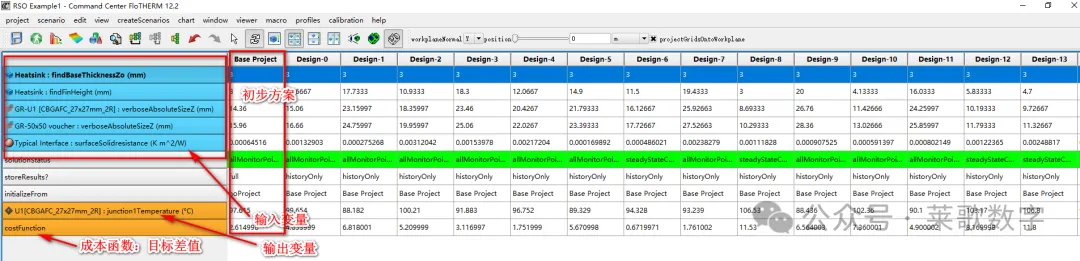
V. Technical Bottlenecks
(1) Difficulty in Data Acquisition
Obtaining high-quality thermal simulation data and experimental data is costly. Thermal simulation requires a large amount of computational resources and time, while experimental testing requires specialized equipment and environments.Additionally, different types of PCB thermal data vary significantly, making it difficult to collect comprehensive and representative data.
(2) Poor Model Interpretability
AI large models are often black box models, making it difficult to interpret the decision-making process of the models. In PCB thermal design, engineers need to understand the basis for thermal performance predictions to optimize designs.However, current AI models still have shortcomings in interpretability.
(3) Limited Model Generalization Ability
Different PCBs have different structures and application scenarios, and the results obtained from training AI models on one PCB may not be directly applicable to others.Therefore, improving the generalization ability of models is an urgent problem to be solved.
VI. Application Value
(1) Improving Design Efficiency
By quickly predicting the thermal performance of PCBs using AI large models, engineers can identify thermal issues in a timely manner during the design phase, adjust design plans, reduce design iterations, and improve design efficiency.For example, Huawei applied AI thermal analysis technology in PCB design, shortening the design cycle by 30%.
(2) Reducing Costs
Traditional thermal design methods require a large number of experimental tests, which are costly. AI-assisted thermal analysis can reduce the number of experiments and lower testing costs.At the same time, optimizing design plans can also reduce the cooling costs of PCBs.
(3) Enhancing Product Performance
Accurate thermal design can ensure that the operating temperature of electronic components on PCBs is within a reasonable range, improving the performance and reliability of the components, thus enhancing the overall product performance.For example, Apple adopted advanced thermal design technology in the PCB design of iPhones, effectively reducing heat issues and improving user experience.
VII. Future Prospects
(1) Integrating More Advanced Technologies
In the future, the intersection research of PCB thermal design simulation analysis and AI large model deep learning will integrate more advanced technologies, such as the Internet of Things and big data.Through IoT technology, real-time data on the operating status of PCBs can be obtained, providing richer training data for AI models; big data technology can store and analyze massive thermal data, uncovering potential thermal design patterns.
(2) Achieving Intelligent Thermal Management
With the continuous development of AI technology, intelligent thermal management of PCBs is expected to be achieved. AI models can automatically adjust cooling strategies based on the real-time operating status of PCBs, achieving adaptive thermal control.For example, when the temperature of certain components on a PCB is too high, the intelligent system can automatically adjust the fan speed or activate cooling devices.
(3) Expanding Application Fields
In addition to the electronics field, the results of the intersection research of PCB thermal design simulation analysis and AI large model deep learning can also be extended to other fields, such as aerospace and automotive electronics.In these fields, the thermal performance requirements for PCBs are higher, and the results of intersection research will have greater application value.
In summary, the intersection research of PCB circuit board thermal design simulation analysis and AI large model deep learning has important theoretical and practical significance.
Although there are still some technical bottlenecks, with the continuous development of technology and in-depth research, it is believed that this intersection field will achieve greater breakthroughs, providing strong support for the development of electronic devices.
This issue’s sharing ends here. If you want to see more free video tutorials and live replays, please follow my Bilibili and Douyin accounts:
Laige Digital
Welcome to join Laige Digital VIP members, to learn, communicate, and progress with195+ professional engineers!
Learn real skills, join Laige. Let’s learn technology, products, and project management together.
Live broadcasts will be held every Monday, Wednesday, Friday, and Sunday around 9 PM, covering topics on technology, projects, products, etc.
Focusing on cutting-edge technology research and project experience sharing in structural and thermal design, digitalization, digital twins, etc., aiming to cultivate technical talents, integrate industry resources, and promote field development.
For more information, please follow the public account and search for keywords in the homepage column to read.
Recommended Reading
-
Structure and Thermal Design of New Energy Vehicle System Modules (IP67 Reliability Improvement Method)
-
How to Quickly Master a Technology Through Learning (The “Craftsman Program” 1.0 for Digital R&D of Structure and Thermal Design Has Officially Launched!)
-
How to Conduct Electronic Product R&D? Solidworks Structural Design Spiral Water Channel Cold Plate & FloEFD Thermal Flow Simulation & ANSYS Reliability Simulation Analysis
-
Electronic Product IP Waterproof O-ring Compression and Structural Stress Simulation Technology
-
IGBT: Microchannel Heat Sink with Aluminum Nitride Direct Bonded Copper
-
Engineering Practical Handbook: Complete Collection of Thermal Design Theoretical Calculation Formulas | Weekend Benefits Giveaway
-
Is a Larger Heat Sink Area Always Better for Cooling Performance???
-
Inspiration and Simulation Verification of Leaf Vein Cold Pump in Water Cooling Plate Design
-
From Beginner to Expert: The Path of Progress (General Methods)
-
Some Suggestions on Thermal Design Simulation Analysis
-
Methods for Calculating Power Loss
-
Optimal Heat Sink Design for Natural Convection in the Vertical Direction
★ Platform Statement
Some materials are sourced from the internet, and the copyright belongs to the original author. If there is any infringement, please contact us for timely handling.
★ Contact Information
WeChat: yanshanYH