ARTICLE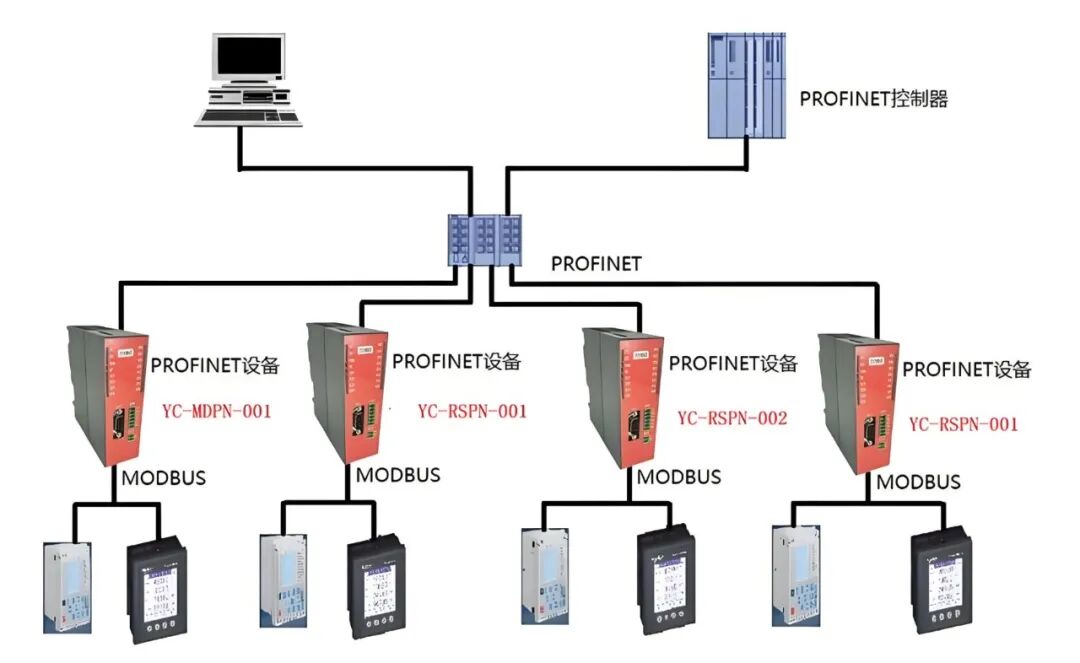
Profibus Bus is hailed as the ‘nervous system’ of the industrial automation field, closely connecting various industrial devices just like the nerves in the human body. This fieldbus standard, certified by the German national standard DIN19245 and the European standard EN50170, has become an indispensable infrastructure for global industrial automation.
 The Unique Charm of Profibus Bus
 ARTICLE
Profibus Bus stands out among various fieldbus technologies due to its unique performance characteristics. This bus technology can transmit information lengths of up to 255 bytes, with a flexible network topology supporting linear, tree, or bus structures. Active bus termination resistors at both ends ensure the stability of signal transmission.
In terms of transmission speed, Profibus performs excellently, ranging from 9.6 kbps to 12 Mbps, fully meeting the needs of different industrial scenarios. The site capacity is also quite considerable; using shielded twisted pair cables, each segment can connect up to 32 sites, and with the use of repeaters, it can connect up to 127 sites. The transmission medium options are diverse, including shielded/unshielded twisted pairs and optical fibers, with a maximum transmission distance of up to 90 kilometers.
What is most commendable about Profibus is its network architecture. It employs a single bus access protocol, cleverly combining token passing among master stations and a master-slave approach between master and slave stations. This design ensures both efficient data transmission and system reliability. Data transmission services include both cyclic and acyclic types, catering to the communication needs of different application scenarios.
 Three Versions of Profibus Each Show Their Strengths
 ARTICLE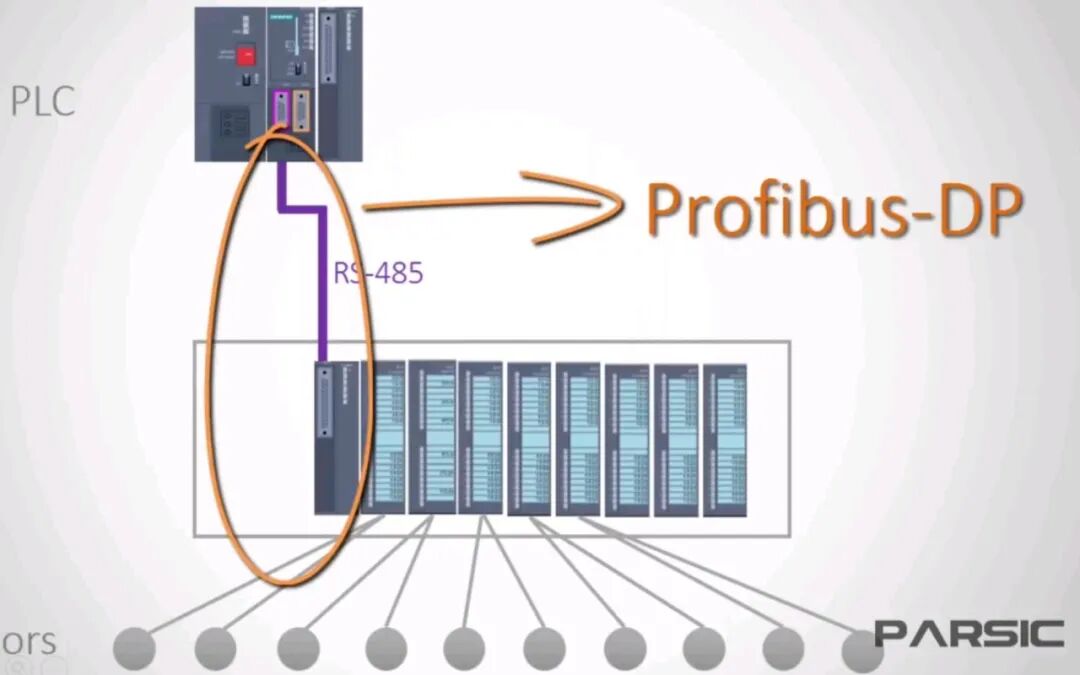
The Profibus family includes three compatible versions, each with its unique application areas and technical characteristics.
Profibus-DP is a high-speed data transmission solution designed for decentralized peripherals. It only uses the first, second, and user interface layers of the OSI reference model, ensuring fast and efficient data transmission with a streamlined structure. The Direct Data Link Mapping (DDLM) provides easy access to the second layer user interface, making communication between devices simple and reliable.Profibus-DP is particularly suitable for the field of process automation and is the most commonly used version in industrial automation.
Profibus-FMS focuses on addressing general communication tasks at the workshop level. It defines the first, second, and seventh layers of the OSI reference model, with the application layer including the Fieldbus Message Specification (FMS) and Low-Level Interface (LLI). FMS provides rich communication services, capable of handling medium-speed cyclic and acyclic communication tasks. This version is widely used in the textile industry, building automation, motion control, and often forms real-time multi-master network control systems.
Profibus-PA is a special version designed for process automation. It provides standard intrinsic safety transmission technology, making it particularly suitable for environments with high safety requirements. Profibus-PA connects automation systems with field devices, completely replacing traditional 4-20mA analog signal transmission technology. In practical applications, Profibus-PA can save over 40% of system costs while significantly improving system functionality and safety reliability. It is often used in conjunction with Profibus-FMS and Profibus-DP to form a complete industrial automation solution.
 The Wide Application Fields of Profibus
 ARTICLE
The application fields of Profibus cover almost all industrial automation scenarios. In manufacturing automation, it is widely used in industries such as automotive manufacturing (robots, assembly lines, stamping lines), papermaking, and textiles. In automotive factories, Profibus acts as an invisible link, tightly connecting hundreds of devices to achieve efficient collaborative work.
In the field of process control automation, Profibus also performs excellently. Industries such as petrochemicals, pharmaceuticals, cement production, and food processing extensively adopt Profibus technology. Especially in the pharmaceutical industry, the intrinsic safety features of Profibus-PA perfectly meet the high requirements of GMP regulations for production environments.
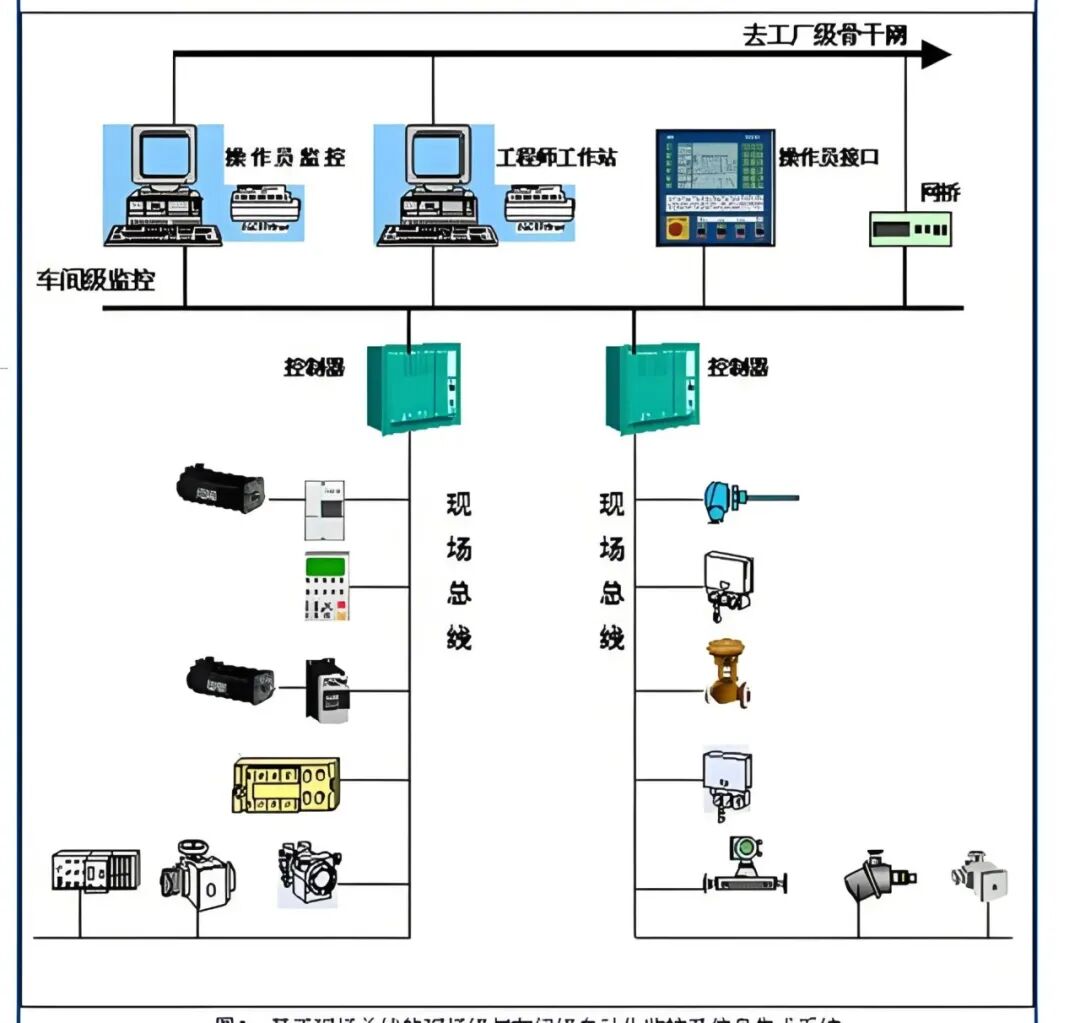
The power industry is also an important application field for Profibus, playing a key role from power generation to transmission and distribution. In building automation, systems for air conditioning control, fan control, and lighting control all feature Profibus. Railway signaling systems also rely on Profibus to ensure the safe and reliable operation of trains.
With the advancement of Industry 4.0 and smart manufacturing, the application fields of Profibus continue to expand. In automation fields such as metallurgy, transportation, water conservancy, and water treatment, Profibus demonstrates strong adaptability and reliability. This time-tested fieldbus technology remains an indispensable infrastructure for industrial automation.

Contact: Engineer Hu
Mobile/WeChat: 18691857356