“The Path of an Excellent Engineer in Three Stages”
1. Basic Stage: Siemens TIA Portal PLC Technology.
2. Intermediate Stage: TIA Portal and C# Advanced Language Technology.
3. Advanced Stage: Standardized Programming Methods for PLCs.
The Path of Standardization!

Modbus communication is a very open and universal protocol, and it is one of the most commonly used protocols due to its wide application. Yesterday, I also shared 15 discussions from the “TIA Portal Friends Group”; refer to the link below:
TIA Portal Group Discussion: Discussion on the differences between RS485 and Modbus RTU, the analogies made by group members were very vivid.
Recently, I learned from their explanatory videos and summarized its application characteristics to share with everyone.
1. Introduction to Modbus Protocol
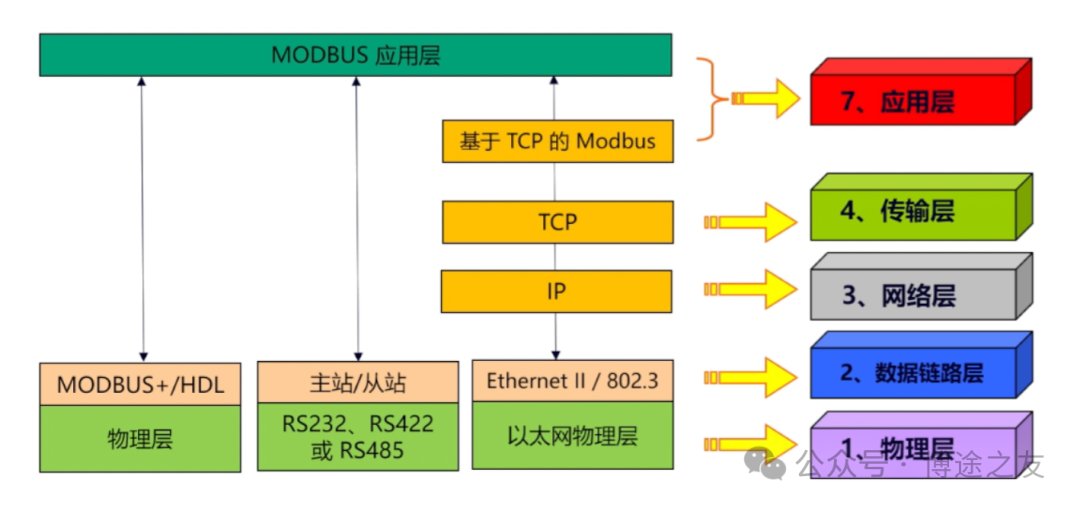
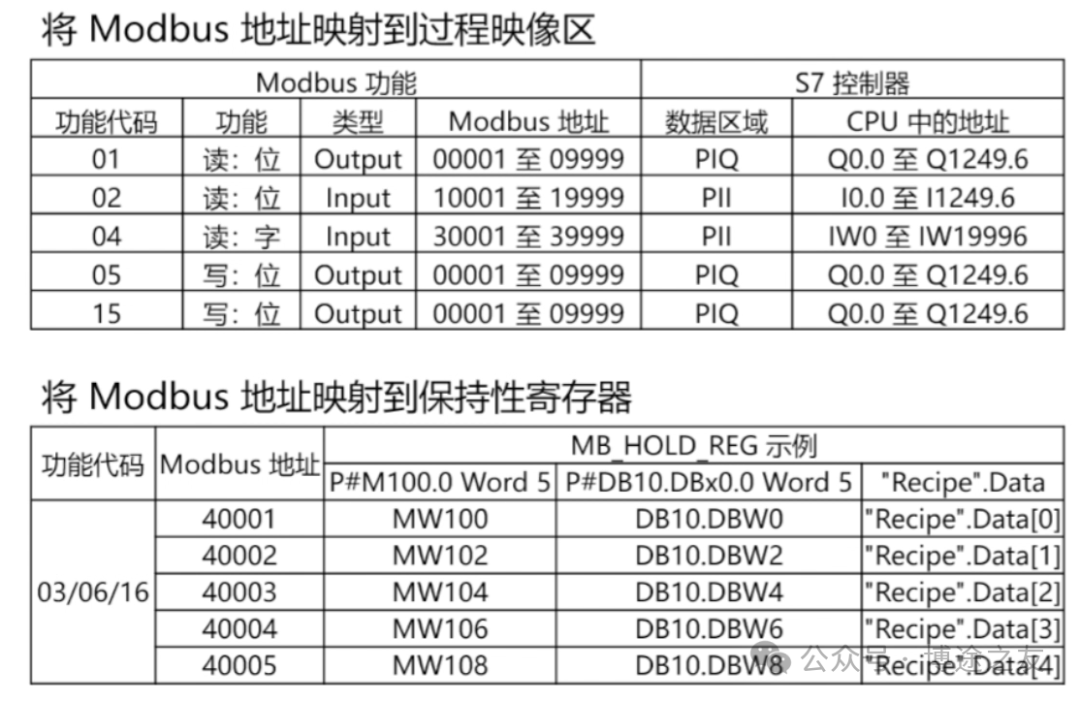
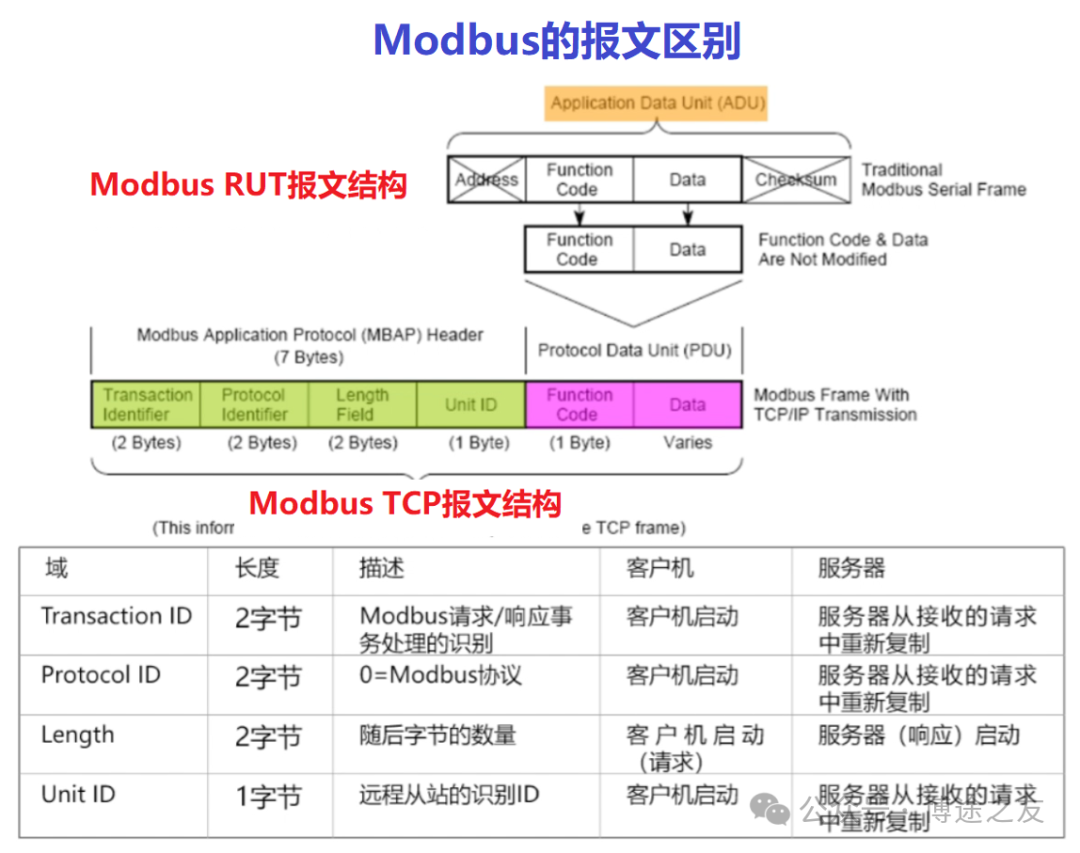
2. Differences in Message Structure Between Modbus RTU and TCP Protocols
3. Does Modbus TCP Require Polling?
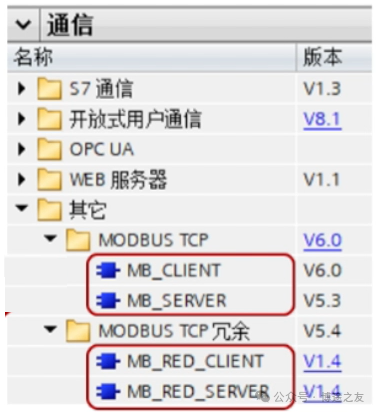
1. A client or server uses a single link ID to complete an operation without the need for polling; the background data block is independent.
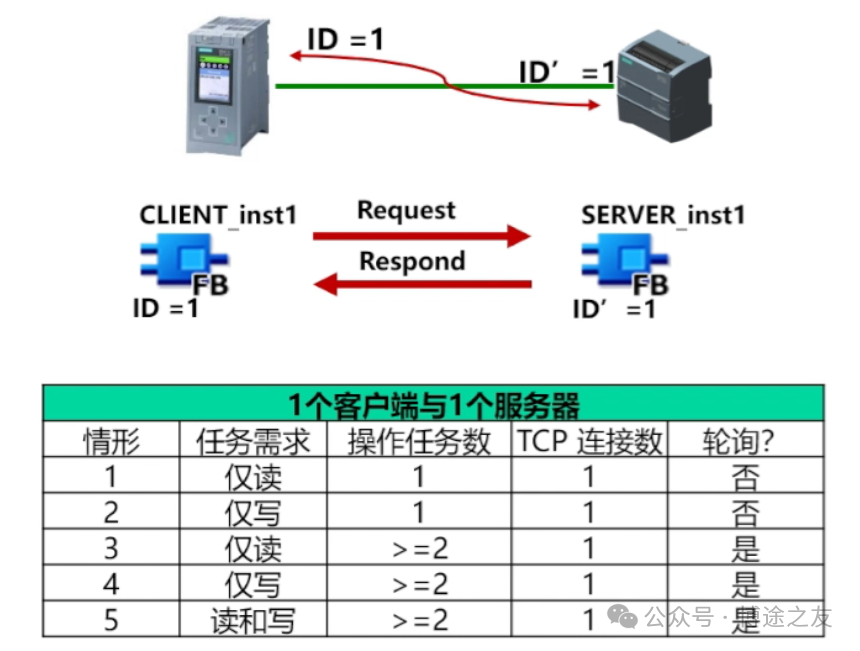
2. Multiple clients or servers using a single link ID to complete their respective operations require polling, sharing a single background data block.
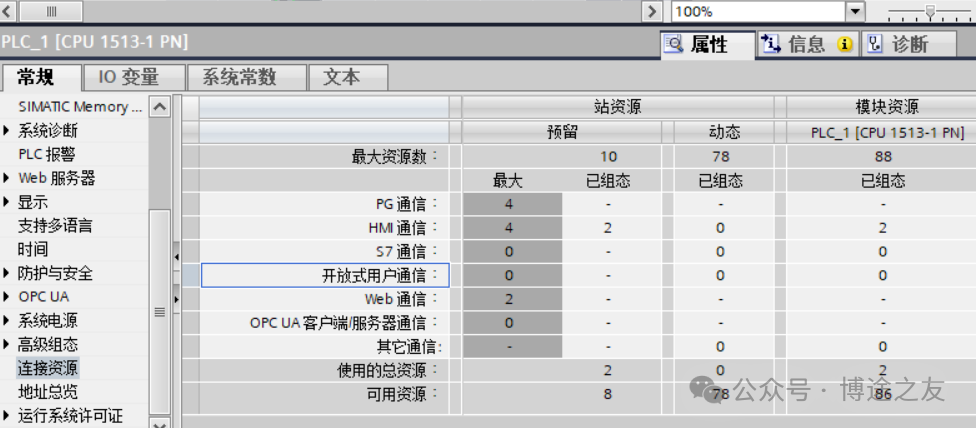
4. The Number of Linked Resources in CPU Attributes
5. Summary of Differences Between Modbus TCP and Modbus RTU
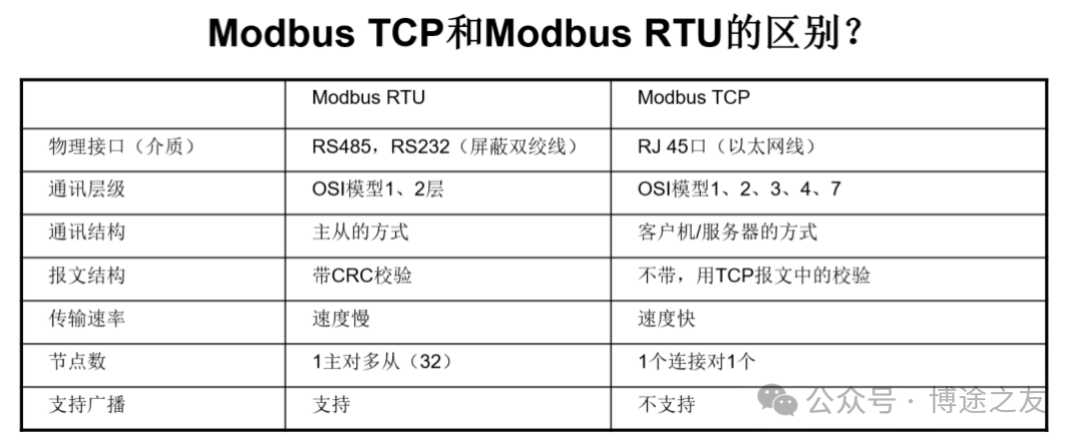
1. Physical Interface: Can Modbus RTU run over Ethernet?
2. Communication Layer: Modbus TCP does not include OSI layers 5 and 6.
3. Communication Structure: In an RS485 network, Modbus RTU can only have one master and one protocol; in Ethernet, Modbus TCP is a connection method that allows multiple protocols to communicate simultaneously.
4. Message Structure: Requires in-depth study
Modbus RTU: The message structure includes address code, function code, data field, and CRC checksum, using binary transmission, which is efficient but has limited transmission distance.
Modbus TCP: Based on Modbus RTU, it adds an MBAP (Modbus Application Protocol) header, including transaction identifier, protocol identifier, length, and unit identifier, and no longer includes a CRC checksum. The message structure of Modbus TCP is more complex, but it ensures data integrity through the TCP/IP protocol stack’s verification mechanism.
5. Transmission Rate: The significant advantage of Ethernet.
6. Number of Nodes: Reflected in that Modbus RTU requires polling, while Modbus TCP does not.
7. Support for Broadcasting: Modbus RTU is one-to-many, in broadcast mode; Modbus TCP is one-to-one, not in broadcast mode.
Walk with the “Excellent Ones”!
Make technical learning simpler!

Learning methods for PLC standardization: a process from chaos to insight and understanding.
Technical methods for PLC standardization: What technical points does standardization include? What is the relationship between these technical points?
Video explanation of the technical route for PLC standardization: S88 standard, technical architecture, and continuous iteration.
TIA Portal group discussion: Two groups discussed C# and SCL languages, finally clarifying the application of SCL language.
The value of group communication: Real feedback from friends in the Siemens Elite Group over 6 years.
Book friends’ appointment: Release of three major supporting resources for TIA Portal PLC books.