“Should I choose a full-frame or medium format camera?” This question in the photography community sparks intense discussions, much like the debate over “sweet or savory rice dumplings.” Some believe medium format is the “pinnacle of image quality,” while others insist that full frame is the “all-rounder.” In reality, the differences between these two formats go far beyond sensor size; from physical structure to use cases, from lens systems to price positioning, they represent two distinct technological paths, each serving different photographic needs. Today, let’s discuss the key differences between medium format and full frame.
1. Sensor Size: How Obvious is the “Large Sensor” Advantage of Medium Format?
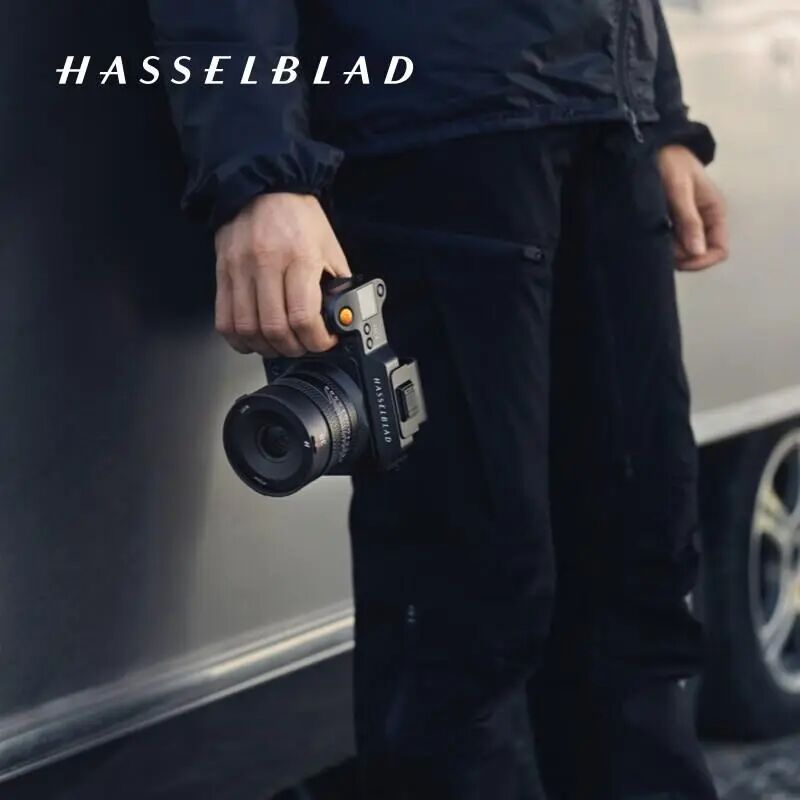
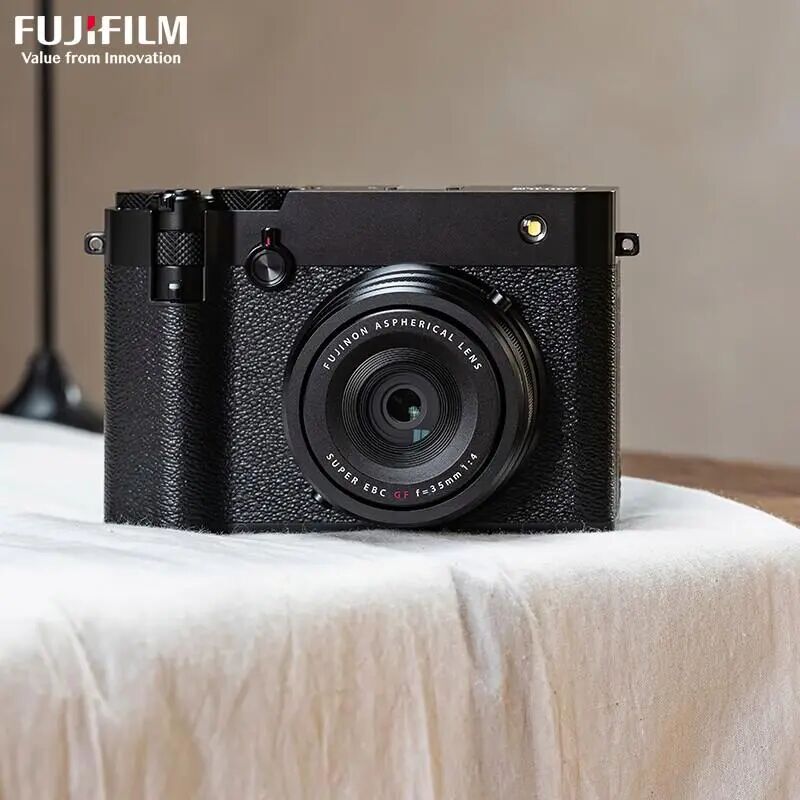
First, let’s talk about the most intuitive aspect—the sensor size. The full-frame sensor measures 36mm x 24mm, the same size as traditional 35mm film, which is also where its name comes from. In contrast, medium format sensors are significantly larger, with common sizes like 43.8mm x 32.9mm (Fujifilm GFX series), 44mm x 33mm (Hasselblad X1D series), and even the “giant” 53.7mm x 40.4mm (Phase One XF series).
To put it in perspective: if a full-frame sensor is like a postcard, then a medium format sensor is like an A4 sheet of paper. A larger sensor means each pixel can “live” more spaciously, resulting in less light interference and better noise control. Especially in low-light environments, medium format’s high ISO performance can outshine full frame significantly— for instance, the Hasselblad X2D 100C remains clean at ISO 6400, like freshly cleaned glass, while a full-frame camera might already show color noise.
2. Image Quality and Detail: The “Microscope-Level” Capturing Ability of Medium Format
The difference in sensor size directly determines the upper limit of image quality. Medium format typically has a lower pixel density, but each pixel has a larger area, allowing it to capture more light and color information. For example, the Fujifilm GFX100S features a 100-megapixel medium format sensor, with a resolution over 1.6 times that of a 60-megapixel full-frame camera. When photographing landscapes, it can clearly record every crack in the rocks; when shooting portraits, the model’s eyelashes can be counted; when capturing commercial products, even tiny scratches on metal surfaces are vividly displayed.
The dynamic range is also a strong point for medium format. In high-contrast scenes (like backlit portraits or sunset landscapes), medium format can retain details in both bright cloud highlights and dark shadow textures, with minimal risk of “blown highlights” or “crushed blacks” during post-processing. While full frame also has a good dynamic range, it tends to fall short in extreme lighting conditions.
3. Use Cases: Medium Format as the “King of Static Shots,” Full Frame as the “All-Round Warrior”
The “large sensor” and ultra-high image quality of medium format make it the go-to equipment for commercial photography, artistic creation, and landscape photography. For instance, advertising companies shooting car posters need medium format to capture the reflective highlights on the car body; wedding photographers shooting high-end custom wedding photos can achieve a more “luxurious feel” with medium format’s shallow depth of field and delicate skin tones; landscape photographers capturing snowy mountains and lakes can enlarge their photos to 2 meters wide while still maintaining clarity.
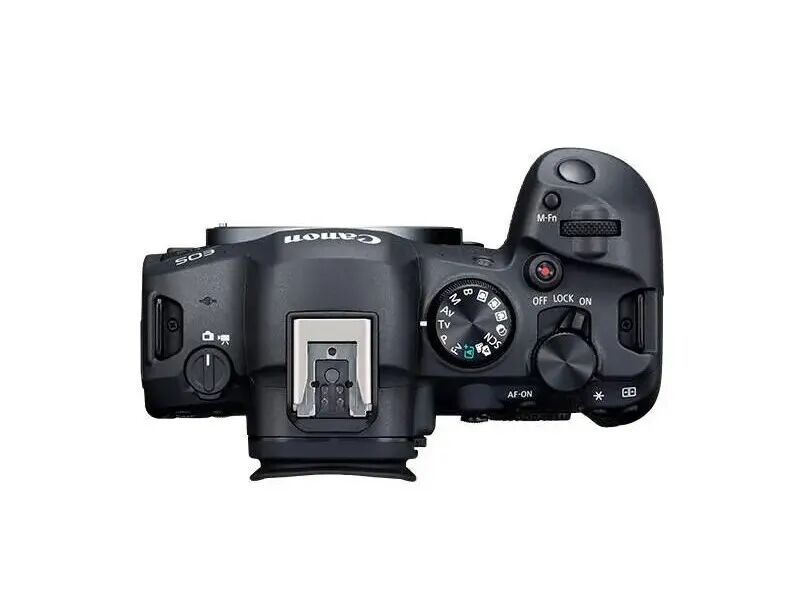
However, the “shortcomings” of medium format are also quite evident—large size, heavy weight, and slower operation. For example, the Hasselblad X2D weighs over 2 kilograms with the lens, and its continuous shooting speed is only 3 frames per second, making it difficult to capture dynamic scenes (like wedding shoots or sports events). In contrast, full-frame cameras (like the Sony A7 IV or Canon R5) are much lighter, weighing less than half of medium format, with continuous shooting speeds exceeding 10 frames per second, and can be paired with lightweight lenses, making them suitable for travel, street photography, and portraits.
4. Lens Systems: Medium Format as “Luxury Goods” and Full Frame as “Popular Choice”
The lens offerings for medium format can be considered “luxury items.” Due to the larger sensor size, the optical design of medium format lenses is more complex and costly. For example, the Fujifilm GFX 50mm F1.7 lens costs over 10,000 yuan, while a full-frame 50mm F1.8 lens is only a few hundred yuan. More critically, the selection of medium format lenses is much more limited—Fujifilm’s GFX series currently has only over 20 native lenses, while full-frame Sony E-mount and Canon RF-mount lenses exceed 100, covering everything from ultra-wide to super-telephoto, macro to fisheye.
However, with technological advancements, the lens ecosystem for medium format is improving. For instance, Fujifilm has introduced the GFX-GFX adapter, allowing medium format cameras to use some full-frame lenses (though with potential vignetting), and Hasselblad is gradually expanding its focal length coverage through the XCD lens group. Overall, medium format’s lens system is still more suited for “specialized players,” while full frame’s lens offerings are the “people’s choice.”

5. Price and Cost-Effectiveness: Medium Format as “Luxury Toys,” Full Frame as “Rational Choice”
Finally, let’s discuss the most practical aspect—price. The body price of medium format cameras typically ranges from 30,000 to 100,000 yuan, with lenses and accessories being exorbitantly priced. For example, a combination of the Hasselblad X2D 100C and XCD 45mm F3.5 lens exceeds 100,000 yuan, enough to buy three full-frame flagship cameras (like the Sony A1 or Canon R1) along with a bunch of lenses.
In contrast, full-frame cameras are much more affordable. Mid-range models (like the Sony A7 IV or Nikon Z6 II) are priced between 10,000 and 20,000 yuan, with a rich selection of lenses ranging from entry-level lenses costing a few thousand yuan to high-end lenses costing tens of thousands. For most photography enthusiasts, the cost-effectiveness of full frame is significantly higher—it can meet 90% of shooting needs at a price only 1/5 to 1/10 of medium format.

6. Conclusion: How Should You Choose Between Medium Format and Full Frame?
In simple terms:
Choose Medium Format: If you pursue ultimate image quality, have a sufficient budget, and primarily shoot static scenes (like commercial photography, landscapes, or artistic creation), medium format is the “best choice.” It allows you to capture “razor-sharp” images that remain clear even when enlarged to wall size.
Choose Full Frame: If you need an “all-around camera” that accommodates dynamic shooting, travel, street photography, and other scenarios, or if you have a limited budget, full frame is more suitable. It is lightweight, cost-effective, and offers a rich selection of lenses, meeting all needs from beginner to professional.
In summary: A camera is just a tool, and image quality is not everything in photography. What truly determines the quality of a photo is your composition, lighting, and creativity. Just as some people can capture award-winning works with a smartphone, while others with medium format can only produce “syrupy shots.” Therefore, don’t be bound by “format anxiety”; choose a camera that suits you and capture the world as you see it, which is the ultimate meaning of photography.