Recently, the results of the 2025 iF Design Award were officially announced. The “X-quisite VORO” integrated moving coil cartridge, developed by Swiss HiFiction AG and manufactured by German Steinbach AG using the LCM ceramic 3D printing technology, stood out among numerous entries due to its technological innovation and forward-looking design, becoming a landmark achievement in the crossover of high-end audio and advanced ceramic additive manufacturing technology.
Technical Background: Integrated Design Breaks Through Traditional Cartridge Performance Bottlenecks
The moving coil cartridge, as the core component of a vinyl record player, has its structural precision and material properties directly affecting the quality of audio signal reproduction. Traditional cartridges often use multi-part assembly structures made of metal or plastic, which have inherent defects such as sound leakage at connection points and resonance interference, making it difficult to meet the stringent demands of high-end audio for low distortion and high stability.
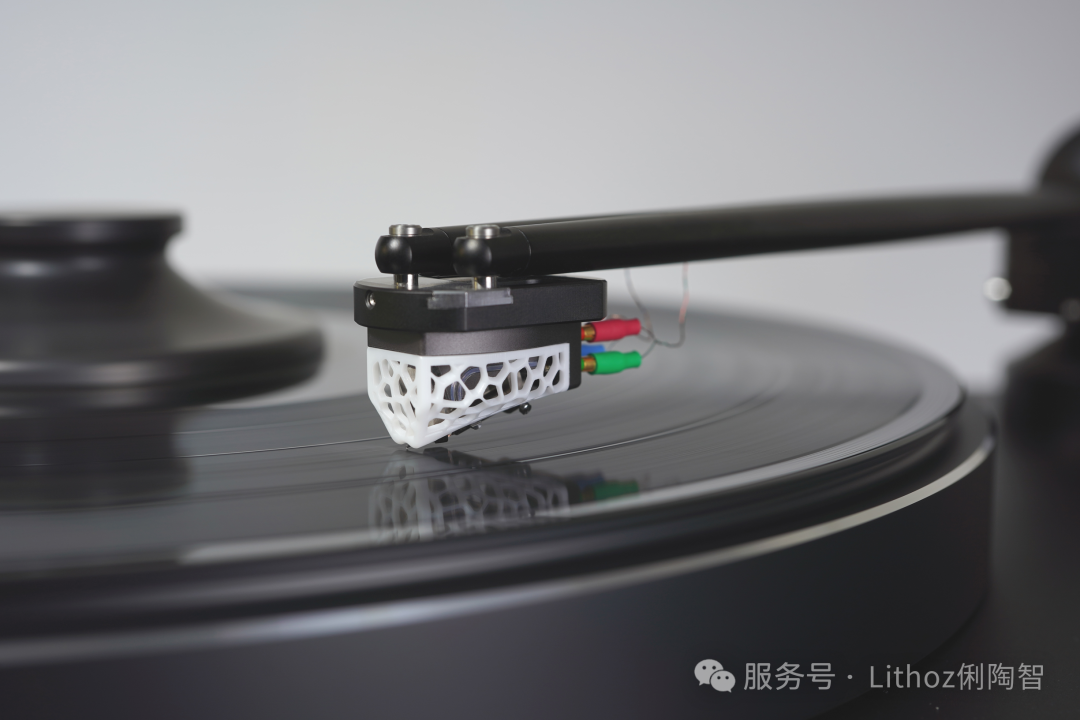
The “X-quisite VORO” has achieved the first integrated technical layout for moving coil cartridges, eliminating acoustic losses caused by multi-part connections by integrating the cantilever and coil body. Its core breakthrough lies in the use of a fully 3D printed integrated ceramic mesh shell as a protective and acoustic optimization structure. This design not only addresses the limitations of traditional manufacturing processes but also enhances audio performance to new heights through the synergistic innovation of materials and structures.

Core Technology: LCM Ceramic 3D Printing Empowers Precision Manufacturing
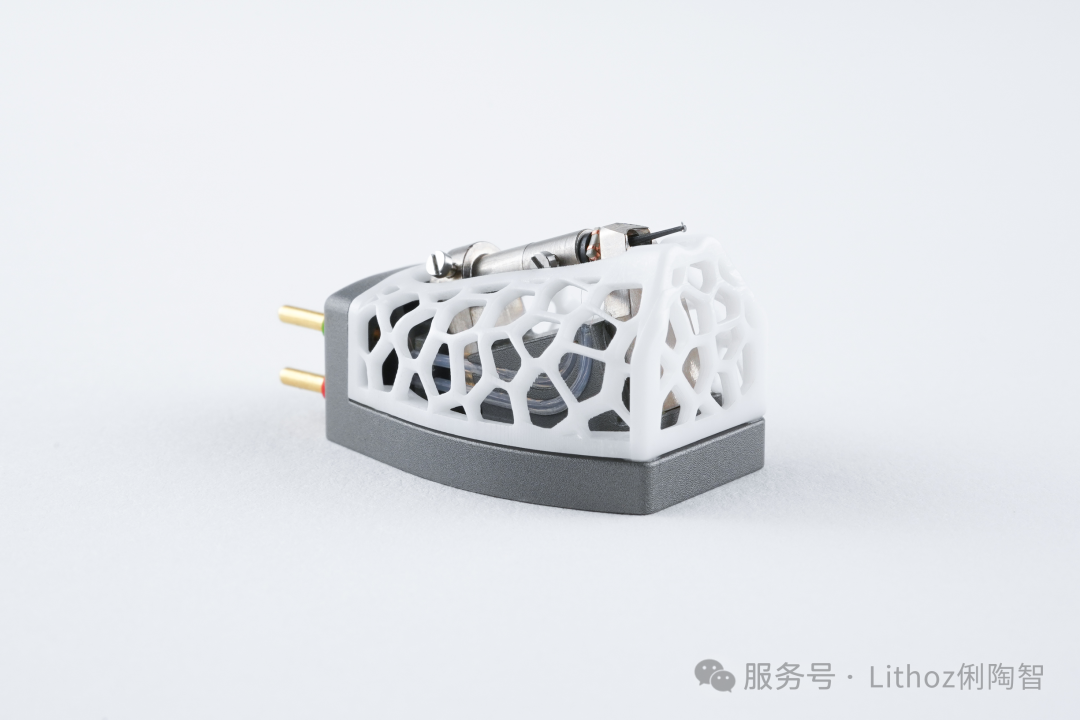
The key component of this cartridge—the Voronoi structure zirconia ceramic mesh shell—is produced by Steinbach AG based on the patented LCM (Light-Cured Ceramic Manufacturing) technology, showcasing the unique advantages of additive manufacturing in the field of precision ceramics:
Complex Structures Without Support Formation: The biomimetic lattice structure based on Voronoi diagrams includes cantilever features and fine internal channels that cannot be achieved by traditional processing methods. The LCM technology, with its ultra-high resolution, enables support-free integrated manufacturing, avoiding damage to precision during post-processing.
Extreme Dimensional Control: The external dimensions of the mesh shell are 17.70×21.90×11.45 mm, with a wall thickness of less than 1 mm, and tolerances strictly controlled within ±50 μm, meeting the extreme requirements of mechanical stability in high-end audio engineering.
Precise Matching of Material Properties: Zirconia ceramic is selected as the substrate, utilizing its high rigidity, low sound speed propagation characteristics, and excellent fatigue resistance to achieve a balance of acoustic performance characterized by “high rigidity – low environmental sound sensitivity,” effectively suppressing resonance interference.

Application Value: Balancing Small Batch Production and Technological Scalability
On the production level, the LCM technology achieves an average production efficiency of 15 pieces per build platform through a 25 μm layer thickness printing process, successfully supporting the demand for small batch production of about 100 pieces, balancing technological innovation and economic viability. This case validates the feasibility of ceramic 3D printing in the scaled production of precision functional components.
From an industry perspective, the success of the “X-quisite VORO” not only provides a new paradigm for high-end audio equipment manufacturing but also demonstrates the broad potential of ceramic additive manufacturing technology in the field of integrated structural-functional devices. Its core technological path can extend to scenarios with high demands for material properties and structural complexity, such as sensor packaging and precision instrument components.
Award Recognition: Dual Breakthroughs in Technology and Design
The iF Design Award jury pointed out that the innovative value of this product lies in the “deep integration of material selection, structural design, and technical realization”—the ceramic mesh shell not only optimizes resonance characteristics as a functional acoustic component but also becomes a design highlight with its biomimetic aesthetics, perfectly embodying the industrial design philosophy of “form follows function.”
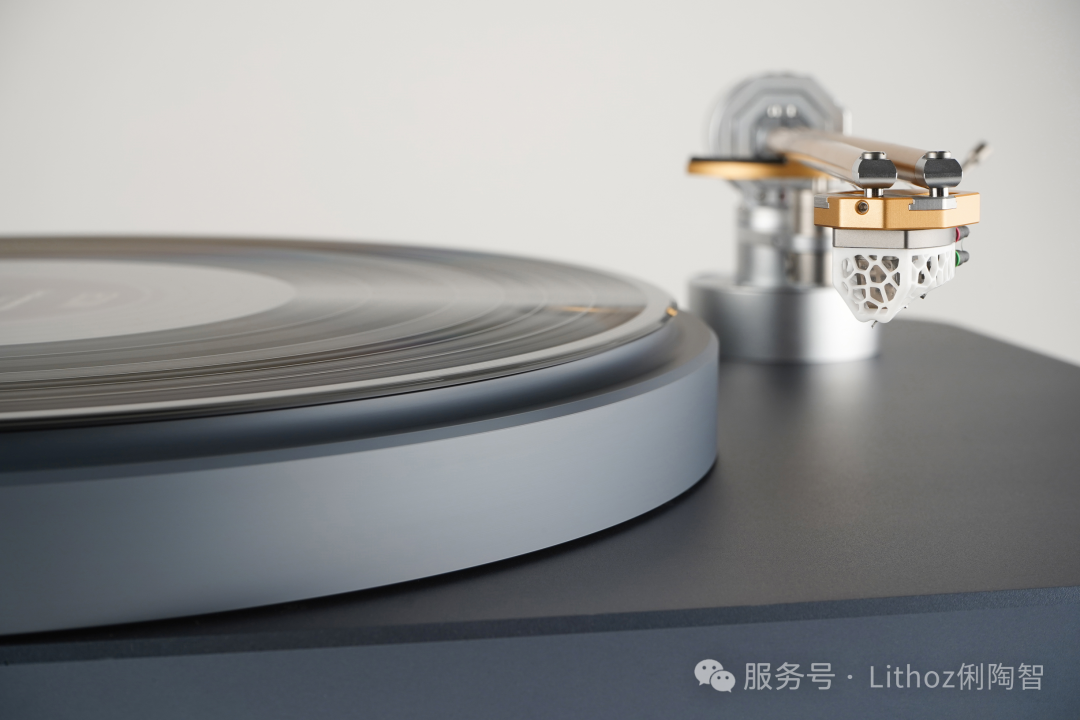
This award marks the mature application of ceramic 3D printing technology in the field of precision manufacturing and provides a technical upgrade model of “material innovation + process innovation” for the high-end equipment manufacturing industry. In the future, with the continuous development of advanced ceramic additive manufacturing technologies like LCM, more cross-domain technological breakthroughs are to be expected.
The official website is now live, interested experts can visit:https://www.wittmann-hifi.de/X-quisite/VORO TCT Shenzhen 2025Time and LocationSeptember 10, 09:00 – 17:30September 11, 09:00 – 17:30September 12, 09:00 – 13:30Shenzhen Convention and Exhibition Center (Futian) Hall 3【About TCT Shenzhen Exhibition】Unlike the TCT Asia Exhibition, the #TCT Shenzhen Exhibition will focus on the Guangdong-Hong Kong-Macao Greater Bay Area, radiating to South China, Southwest, and Southeast Asia markets, concentrating on consumer electronics, mold manufacturing, jewelry, and dental medical industries, providing these industries with solutions including prototype production, complex component one-time forming, and customized products.At the TCT Shenzhen Exhibition, you will discover more innovative and localized solutions, hear from end-users and service providers in the industry about how they reduce costs, improve efficiency, and create new business models through these technologies. Explore the wave of digital manufacturing technology innovation led by additive manufacturing, and deeply analyze core issues such as the economics behind the technology.