From automatically labeling beverage bottles to precise sampling by Mars rovers, every “action” of modern automation systems relies on the “keen eyes” of sensors. If we compare an automated production line to the human body, the controller acts as the brain, the actuators as limbs, and the sensors as the “sensory organs” spread throughout. This article will use simple language to quickly introduce you to these seemingly mysterious yet ubiquitous little devices.
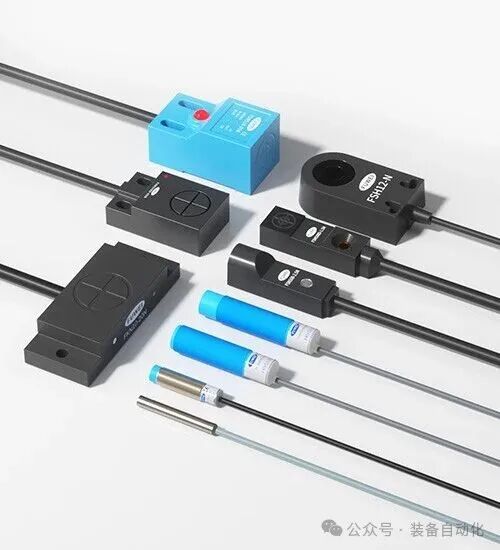
1. Why Sensors are a “Must-Have” in Automation
Imagine a robotic arm applying a screen to a phone; without sensors, it can only rely on “blind application”—first setting a fixed trajectory and then hoping that each piece of glass is perfectly sized. In reality, materials can have micron-level errors, and temperature changes can cause components to expand and contract. Sensors provide real-time feedback to the controller with information like “Where am I?”, “What have I touched?”, and “What is the temperature?”, allowing the system to dynamically adjust and ensure that each screen fits perfectly.
—
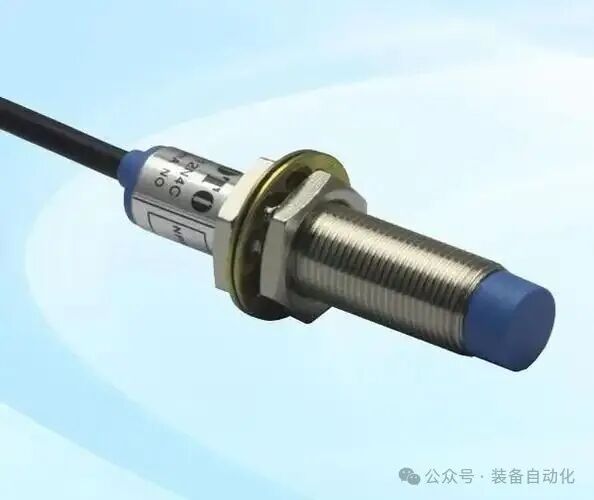
2. Understanding the “Seven Categories” of Sensors with a Mind Map
To facilitate memory, sensors can be categorized based on “what they detect” and then look at “how they detect”. The table below serves as a menu, allowing you to quickly find the dish you need.
|
Detection Object |
Common Members |
What They Can Do |
Life/Industrial Scenarios |
|
Presence |
Photoelectric sensors, proximity sensors |
Detect the presence of objects |
Material presence, positioning, passing through, disconnection, etc. |
|
Temperature |
Thermocouples, thermistors, digital temperature chips |
Convert “hot and cold” into electrical signals |
Cold chain vehicle compartments, constant temperature at -20 °C, reflow soldering furnace temperature curves |
|
Pressure |
Resistive, piezoelectric, vacuum sensors |
Convert “pressure” into electrical signals |
Pressure control, weight analog conversion |
|
Level |
Float, ultrasonic, radar, capacitive |
Know “how much material is left” |
Automatic water replenishment in high-rise water tanks, acid and alkali tanks in chemical plants |
|
Flow |
Electromagnetic, vortex, ultrasonic, turbine |
Measure “how fast it is running” |
Water billing, engine intake calculation |
|
Displacement/Angle |
LVDT, laser displacement, encoders |
Measure “how far it has traveled” |
CNC machine closed-loop, robot joint positioning |
|
Speed/Acceleration |
MEMS accelerometers, photoelectric encoders |
Measure “how fast it is running” and “whether it is shaking” |
Mobile phone screen rotation, wind turbine blade vibration monitoring |
|
Torque |
Rotational torque sensors, strain gauges |
Measure “how much force was used” |
Motor test benches, electric vehicle pedal feel |
—
3. Technical Comparison: Which is More Suitable for Your Scenario
For measuring distance, laser displacement sensors can achieve micron-level precision but are sensitive to dust; ultrasonic sensors are not affected by dust but have a precision of only millimeters. Below, we explain several mainstream technologies in “plain language”.
1. MEMS Technology
Full name: “Micro-Electro-Mechanical Systems”, which integrates mechanical structures and electronic circuits on a single silicon chip. The advantages are “small and cheap”; the accelerometer in mobile phones is a typical example. The downside is limited precision, suitable for consumer electronics or lightweight industrial scenarios.
2. Photoelectric Technology
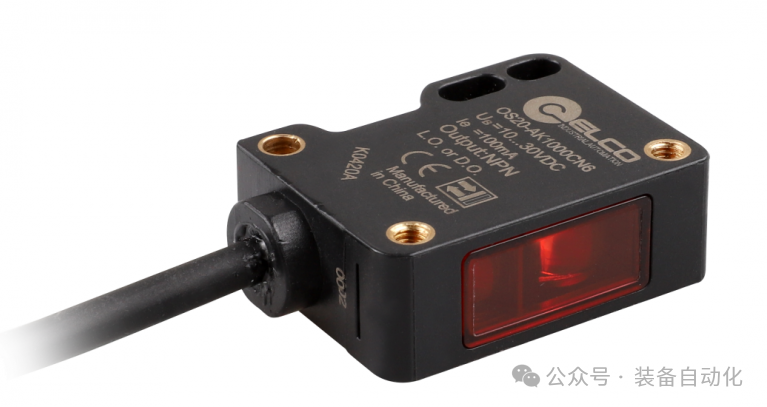
Divided into through-beam, reflective, and diffuse reflection types. The through-beam type acts like a “laser barrier”, detecting distances far away, commonly used for counting on conveyor belts; the diffuse reflection type only requires one lens, is easy to install, but can be easily interfered with by the color of the target.
3. Fiber Optic Technology
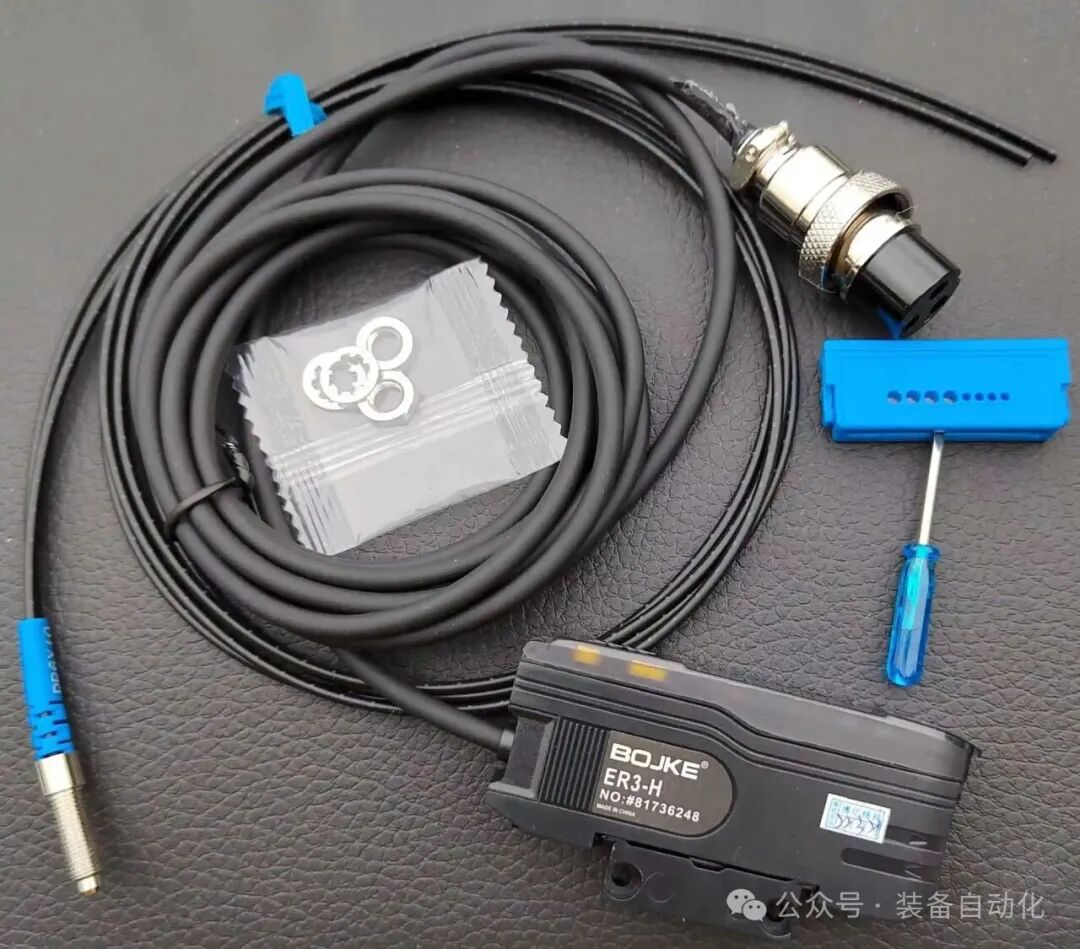
Uses glass fiber as both “eyes” and “nerves”, resistant to electromagnetic interference and high temperatures, making it the first choice for oil refineries and high-voltage substations.
4. Smart Technology IO-Link Technology
A new generation of digital sensors equipped with “self-diagnosis” and cloud interfaces, capable of directly informing the PLC “I am about to fail” or “the current value reliability is 95%”. Suitable for Industry 4.0 production lines.
—
4. Scenario Story: The Sensor Journey of a Bottled Water Production Line
1. Empty bottles in place: Photoelectric through-beam sensors confirm the position of the bottle neck;
2. Filling level: Ultrasonic level sensors inform the valve “close soon” in real-time;
3. Cap torque: Torque sensors ensure that each bottle cap is neither too loose nor too tight;
4. Label alignment: Vision cameras check if the label is misaligned;
5. Packing count: Proximity sensors send signals to the PLC indicating “12 bottles packed”;
6. Stacking safety: Safety laser scanners detect if personnel enter the robot working area.
A seemingly simple automated production line actually involves dozens of sensors working together.
—
5. Selection “Pitfall” Guide
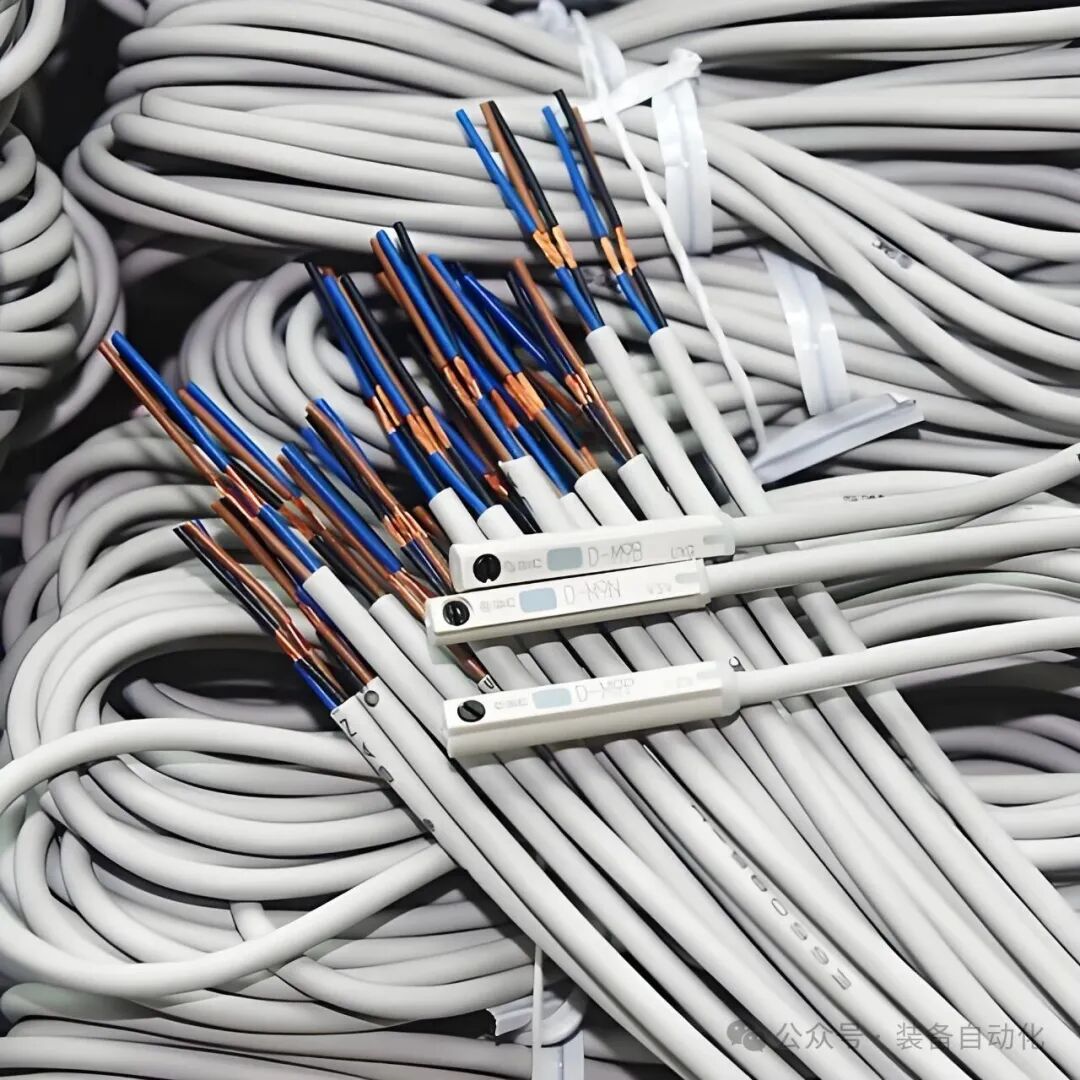
1. Environment First: For high temperatures >80 °C, choose K-type thermocouples; for dusty environments, choose ultrasonic or radar; for strong electromagnetic interference, choose fiber optics.
2. Sufficient Precision: 0.1 mm laser displacement is excellent, but using it to measure the height of warehouse shelves is “overkill”.
3. Communication Protocol: Older equipment uses 4–20 mA; new production lines should prioritize IO-Link or Profinet for easier remote debugging.
4. Installation Space: For narrow gaps, use fiber optics or flat photoelectric sensors; do not force in “large units”.
—
Sensors may not be as “eye-catching” as robots, but they are the most diligent “behind-the-scenes workers” in the automation world. The next time you pick up a bottle of beverage, unlock your phone, or ride an elevator, consider this: behind these seemingly simple actions, countless sensors are silently “sensing” the world and translating information into a “language” that machines can understand. Understanding them and using them well is our first step towards a smarter, more efficient life.