
L-Threonine is an essential amino acid with high demand in the feed, food, and pharmaceutical industries. Although systematic metabolic engineering has enabled Escherichia coli to produce L-threonine at a concentration exceeding 120 g/L, achieving both high yield and productivity remains challenging due to the complexity of the metabolic network and the difficulty in identifying targets. Therefore, innovative and efficient methods are needed to accelerate strain evolution.
“Combining biosensor and metabolic network optimization strategies for enhanced l-threonine production in Escherichia coli” is a paper published by the team of Rao Zhiming from Jiangnan University in March 2025 in Biotechnology for Biofuels and Bioproducts. This study proposes a series of engineering strategies to further enhance the production capacity of L-threonine-producing strains.

First, transcriptomic analysis was used to screen for promoters in Escherichia coli that can sense exogenous L-threonine.

Subsequently, a fluorescent reporter system capable of sensitively responding to changes in L-threonine concentration was constructed by combining a CysB mutant with eGFP.

Next, this biosensor was used to assist in FACS and QPix two-step high-throughput screening technology to achieve iterative evolution of strains to capture superior mutants.

Furthermore, beneficial targets were identified through multi-omics analysis, and intracellular carbon flux distribution was optimized using GSMN to maximize L-threonine production.
This study not only developed a strain with industrial application potential for high L-threonine production but also demonstrated a new method for constructing a highly sensitive L-threonine biosensor, providing new ideas for developing biosensors for other chemicals.
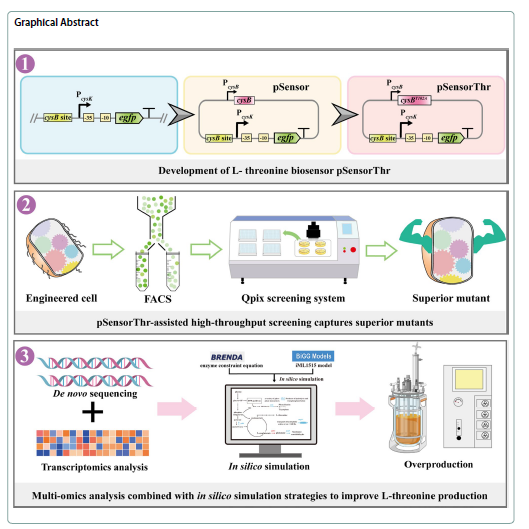
Figure 1: Overview of the process
Results and Discussion
Results and Discussion
1
Screening of endogenous genetic elements responsive to L-threonine concentration changes
To develop a highly sensitive L-threonine biosensor, the researchers first applied 0–60 g/L exogenous threonine to MG1655 and conducted transcriptomic analysis, screening 32 genes whose expression levels were positively correlated with threonine; further focusing on 21 promoters to construct an eGFP reporter library, confirming that PcysK responded best and was linear, but the natural element had a narrow threshold and high false positive rate, requiring subsequent optimization.
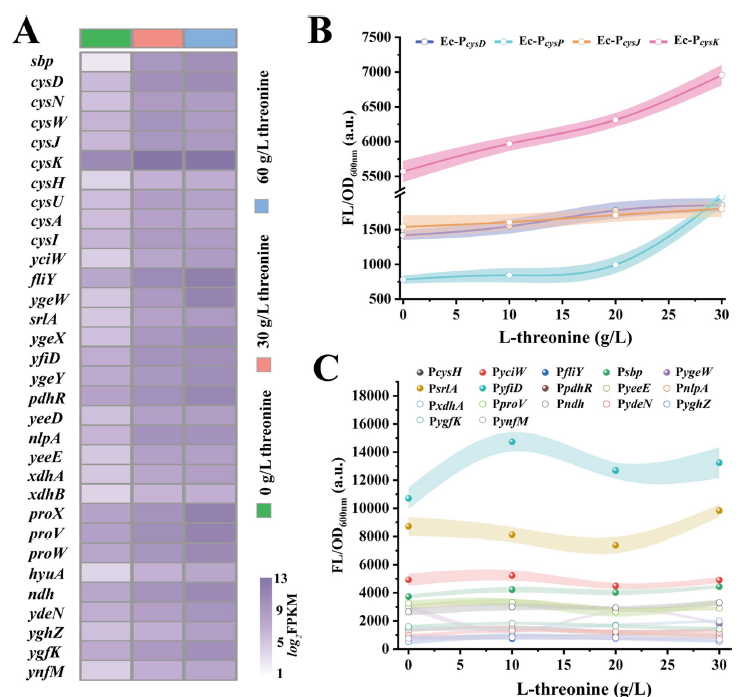
Figure 2: Discovery, design, and characterization of the L-threonine biosensor
2
Modifying the sensor to improve response to L-threonine
To overcome the low sensitivity and narrow threshold of the natural sensor, the researchers artificially modified the “cys” series promoters:

After deleting the CysB binding site, the response to L-threonine completely disappeared, confirming that CysB is an essential regulatory factor.

Subsequently, CysB was overexpressed in a more sensitive pTrc99A-PcysK-egfp plasmid, constructing “pSensor” whose linear range was compressed to 0–4 g/L, with sensitivity increased by 2.1 times.

Molecular docking and site-directed mutagenesis identified CysB-T102 as a key site, with the T102A mutant “pSensorThr” increasing the response threshold by another 2.4 times, and reliably distinguishing high-producing (THR36-L19) from non-producing (THR01) strains.
Compared to existing systems, pSensorThr has a low risk of false screening but still has a narrow response range, requiring further optimization to expand applicability.
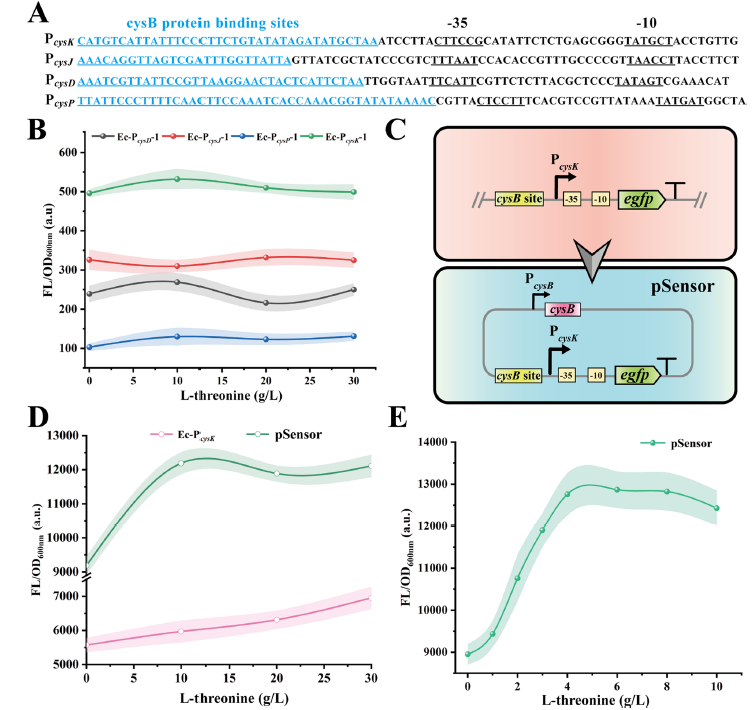
Figure 3: Development, testing, and optimization of the L-threonine biosensor
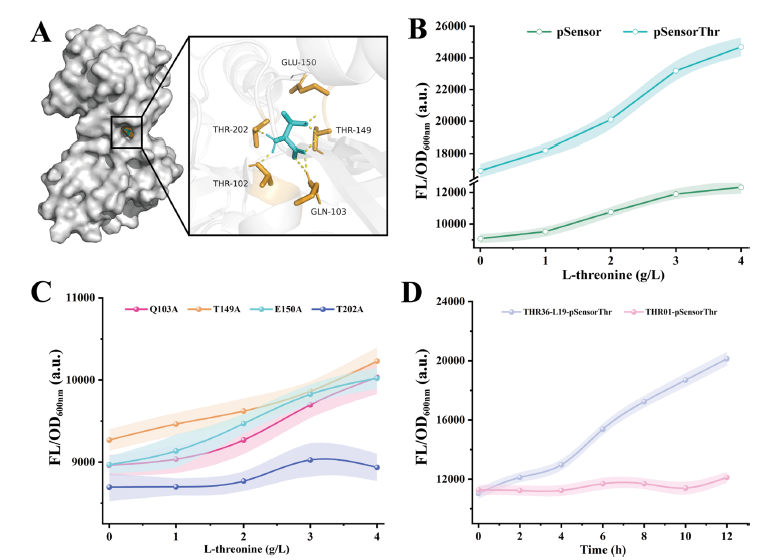
Figure 4: Development of the pSensorThr biosensor
3
High-throughput screening-assisted identification of high L-threonine producing strains
The temperature-sensitive mutant plasmid MP6ts was introduced into THR36-L19, inducing mutations at 30 °C and curing the plasmid at 42 °C, rapidly constructing a large-scale mutant library; subsequently, pSensorThr was introduced, and FACS and QPix high-throughput screening devices were used for 5 rounds of “mutation-screening” cycles, resulting in the selection of 50 high-yield fluorescent mutants. Shake flask validation showed that most strains produced higher yields than the starting strain, with THRM1 achieving the highest yield of 38.97 g/L.
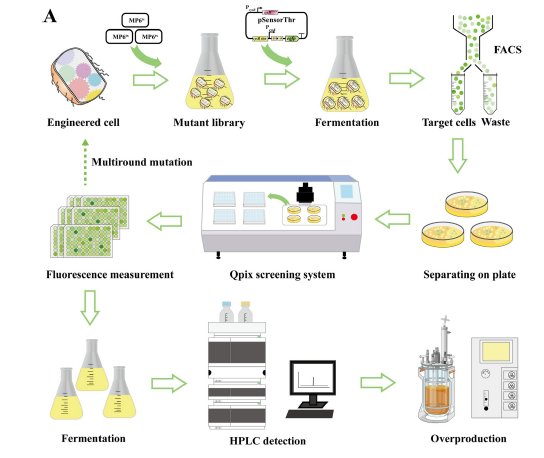
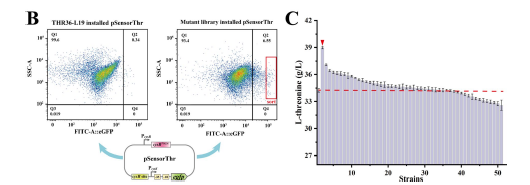
Figure 5: Application of the pSensorThr biosensor
QPix played a role in standardizing strain selection, liberating manual work, and efficiently selecting strains.
4
Multi-omics-guided reverse metabolic engineering further enhances L-threonine production
The high yield of THRM1 originated from two mutations: “Tpx C61G” and “SpoT R290H→H290R recovery”: yield increase ≈3%. Additionally, knocking out tpx or spoT resulted in slight or severe yield reduction, confirming their roles. The other 4 mutations had no significant contribution. Transcriptomic analysis showed that THRM1 reprogrammed carbon flow: upregulation of EMP and glyoxylate pathways, downregulation of TCA, and high expression of pps to supplement PEP; however, overexpression of pykF, poxB, and pflB caused carbon loss. Sequentially knocking out these three genes increased the yield of THRM6 to 41.36 g/L. These findings clarified key genetic targets and provided direction for further yield enhancement.
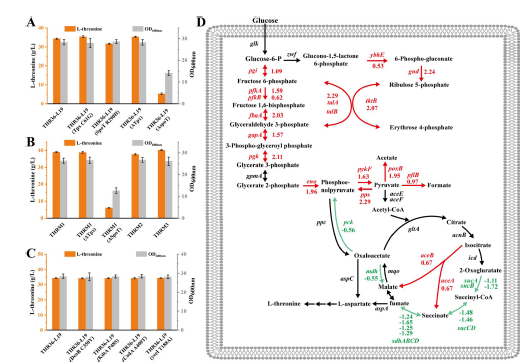
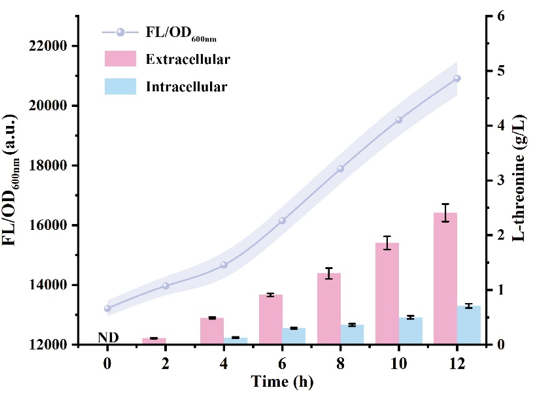
Figure 6: Reverse metabolic engineering analysis of L-threonine high production based on multi-omics analysis
Optimizing metabolic flux through computer simulation to maximize L-threonine production
Based on the iML1515 model, FBA and OptKnock jointly predicted and validated two production-enhancing pathways:

Amino supply bottleneck— simulations showed that gdhA flux needs to be upregulated; constructing an RBS library to finely regulate GdhA expression increased the yield of THRM7 to 44.12 g/L.

Byproduct/excretion gene knockout— combining the expanded GSMN with OptKnock predicted ydbK, ompN, aroL, phoA, puuE as knockout targets, experiments confirmed that knockout of ompN and phoA effectively increased strain yield; the combined THRM13 shake flask yield reached 46.02 g/L, and in a 5 L fed-batch fermentation, it achieved 163.2 g/L, with a yield of 0.603 g/g glucose, setting the highest record reported for L-threonine production in Escherichia coli. This research provides a systematic strategy for the subsequent high production of aspartate family derivatives.
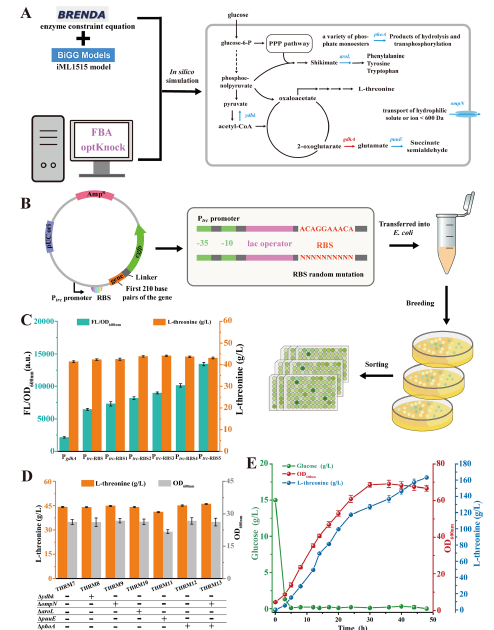
Figure 7: Computer simulation predicting new metabolic engineering targets
Summary
Summary
This study developed a highly sensitive biosensor with a high fluorescence threshold, which was used for high-throughput platform screening of excellent mutant strains. Through reverse metabolic engineering guided by multi-omics analysis and computer simulation, the engineered strain THRM13 achieved an L-threonine production of 163.2 g/L in a 5 L fermentation tank, with a sugar-to-acid conversion rate of 60.3%, marking the highest level reported to date without using exogenous inducers and antibiotics. Furthermore, this high-throughput screening strategy can continue to be used for subsequent iterative evolution of strains.
Related product links:
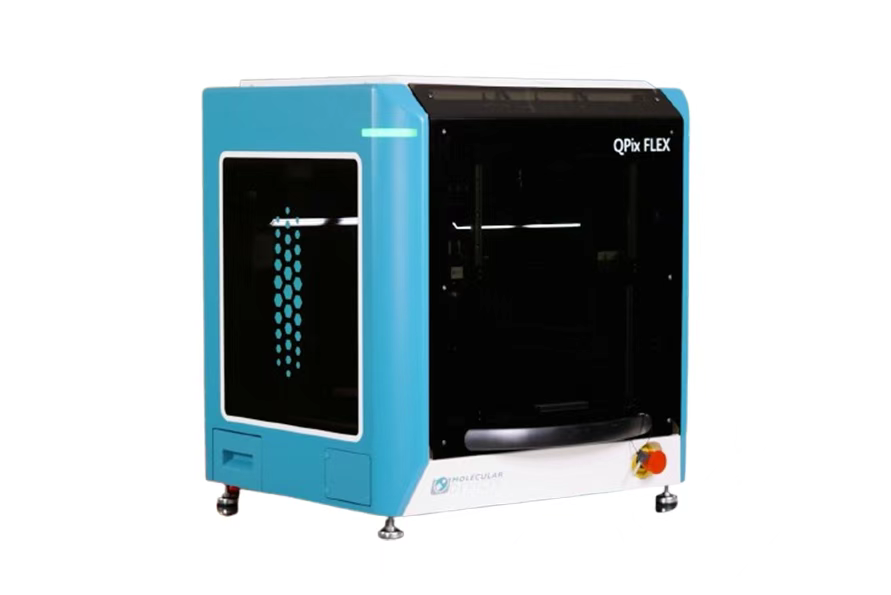
QPix FLEX Microbial Cloning Screening System
References
Zhenqiang Zhao1,2†, Rongshuai Zhu1,2†, Xuanping Shi1,2, Fengyu Yang1,2, Meijuan Xu1,2, Minglong Shao1,2,Rongzhen Zhang1, Youxi Zhao3, Jiajia You1,2* and Zhiming Rao1,2*. Combining biosensor and metabolic network optimization strategies for enhanced l-threonine production in Escherichia coli. Biotechnology for Biofuels and Bioproducts.2025; 18:37.

About Molecular Devices

Molecular Devices was founded in the 1980s in Silicon Valley, USA, and has multiple offices and subsidiaries worldwide. In 2005, Molecular Devices established a representative office in Shanghai, and in 2010, it joined the Danaher Group, an innovator in global science and technology. In 2011, it officially established its business company: Meigu Molecular Instruments (Shanghai) Co., Ltd. Molecular Devices is known for its continuous innovation, rapid efficiency, high-performance products, and comprehensive after-sales service. We are committed to providing innovative bioanalytical solutions in the fields of life science research, pharmaceuticals, and biotherapeutic development for protein and cell biology.

Integrity, Professionalism | Exploration, Innovation
Yunxing Scientific Instruments Co., Ltd. is a professional product supply company that continuously tracks the forefront of various disciplines, striving to recommend the latest and most advanced methods and technologies to domestic researchers, ensuring that China’s research development keeps pace with global trends.
Scan the QR code
Get more exciting content
Guangzhou Yunxing