Portable Biosensors
A New Engine for Technological Innovation and Integration with Agriculture
1
A Revolutionary Breakthrough in Precise Detection

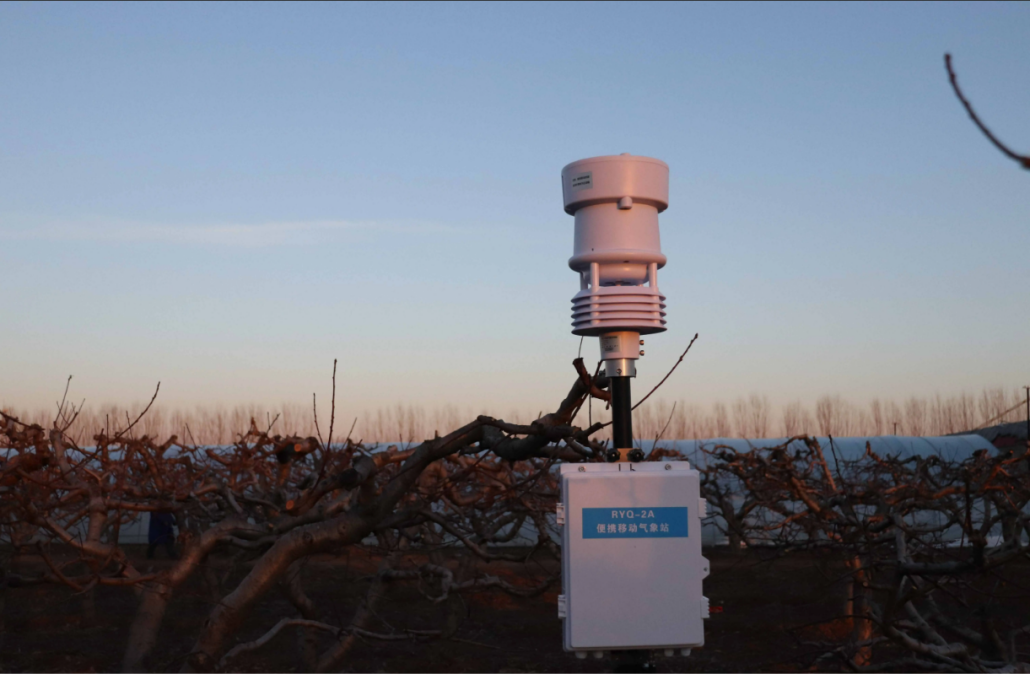
Portable biosensors are efficient detection tools that combine biological recognition elements with miniaturized signal conversion devices. Their core significance lies in breaking the temporal and spatial limitations of traditional detection methods, enabling rapid and low-cost on-site analysis. By integrating biological recognition elements (such as DNA probes and enzymes) with microelectrodes and nanomaterials, laboratory-level detection capabilities are condensed into portable devices. The breakthrough allows for minute-level detection (with sensitivity reaching nanomolar levels), a 90% cost reduction, and supports non-professionals in on-site operations, completely breaking the temporal and spatial limitations of traditional detection methods, achieving rapid and low-cost on-site analysis. Whether at home, in the field, or in medical settings, results can be quickly obtained, bringing convenience and innovation to various aspects of people’s health and environmental monitoring.


2
Miniaturization and Multi-Scenario Adaptation

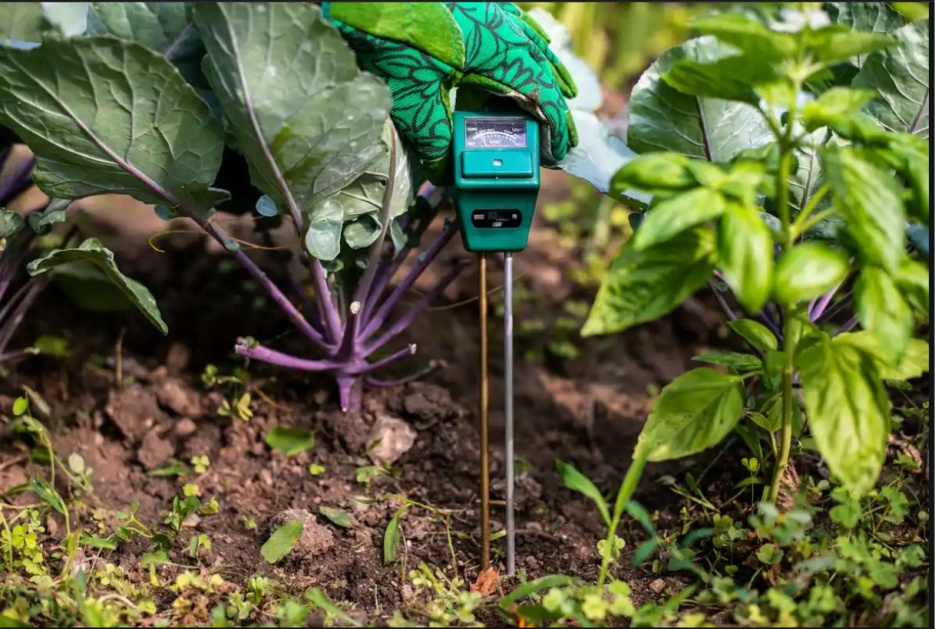
The widespread application of portable biosensors is due to their portability, sensitivity, specificity, and rapid response capabilities. This technology has formed a multi-field application matrix: in the medical field, it supports rapid screening for HIV; in environmental monitoring, it can detect heavy metals in real-time at levels as low as 0.1 ppb; and in agriculture, it provides immediate warnings for pesticide residue exceedances. For example, in agricultural production, wearable plant sensors can monitor pesticides and heavy metals in the “sweat” of plants in real-time, providing data support for precision agriculture.


3
The Practical Path of Smart Agriculture

The application of portable biosensors in agriculture is becoming an important technological support for promoting high-quality development in the “three rural issues” (agriculture, rural areas, and farmers):



1
Guidance for Crop Cultivation
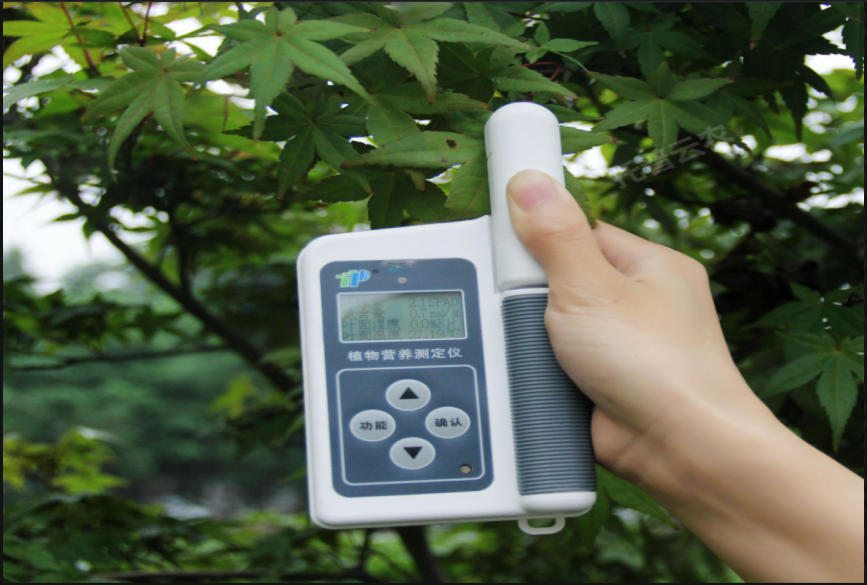
The portable plant nutrient detector introduced by the Agricultural and Rural Affairs Department of Ningxia Hui Autonomous Region can quickly obtain crop nutrition data, guiding precise fertilization and reducing resource waste.
2
Intelligent Harvesting in Agriculture
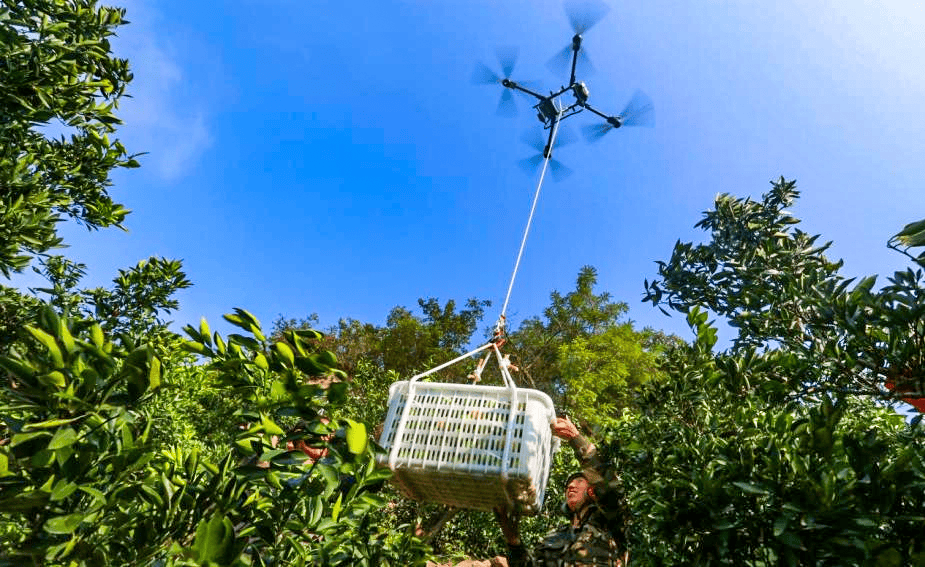
In the intelligent agricultural machinery of the Hunan Academy of Agricultural Sciences, flexible sensors are used in fruit-picking robots to avoid damaging the fruit; fully electric unmanned tractors achieve autonomous operation through sensors, adapting to hilly terrain.
3
Public Health and Pathogen Detection in Rural Areas
Low-cost pathogen detection sensors can quickly screen for pathogens such as E. coli in drinking water and food, ensuring the health of rural residents.



4
Technological Inclusivity and Rural Revitalization

With the ability to monitor plant health, soil nutrients, and environmental parameters in real-time, portable biosensors promote precision agriculture and efficient resource utilization. Their functionality in quickly screening for pesticide residues and pathogens significantly enhances food safety and disease prevention levels. As the technology becomes more widespread, portable biosensors will become a “mobile laboratory” in the hands of farmers, shifting agricultural production from experience-driven to data-driven, supporting the comprehensive implementation of rural revitalization strategies. Just like the intelligent agricultural machinery depicted under the portrait of Academician Yuan Longping, which draws a “rainbow” in the fields, technology is illuminating the future of agricultural modernization with a lighter touch.
Department of New Media, College of Chemistry and Pharmacy
Images | InternetText | InternetLayout | Fu JiajiaoStudent Editor | Zhang FanglinReview Editor | Liu HaichaoResponsible Editor | Zhang Youmin Xu Zan