Click on the arrow“blue text”, and follow us!
Photoresistor
Also known as light-dependent resistor (LDR), it is a semiconductor resistor that is sensitive to light. Its core characteristic is quite interesting: the stronger the light, the lower the resistance; the weaker the light, the higher the resistance, functioning like an “electronic valve” that can automatically adjust its “resistance” based on light exposure. Due to this characteristic, the photoresistor plays a key role in electronic devices for “sensing light and darkness”.
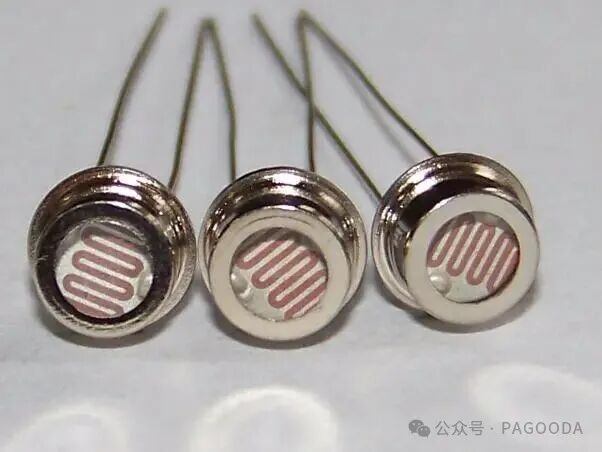
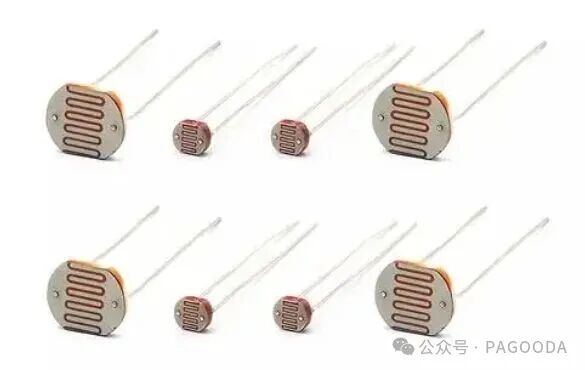
In terms of appearance, common photoresistors are mostly circular or square small components, usually encapsulated in transparent or semi-transparent resin. Inside, there are semiconductor thin films coated with light-sensitive materials (such as cadmium sulfide, lead sulfide, etc.), with metal leads extending from both ends for easy soldering into circuits, making them compact and easy to integrate.
🛠️ How Does a Photoresistor Work?
The underlying principle is the “photoelectric effect”.
The core of the photoresistor operation is the “internal photoelectric effect”. Simply put, the movement of electrons within the semiconductor material changes when exposed to light:
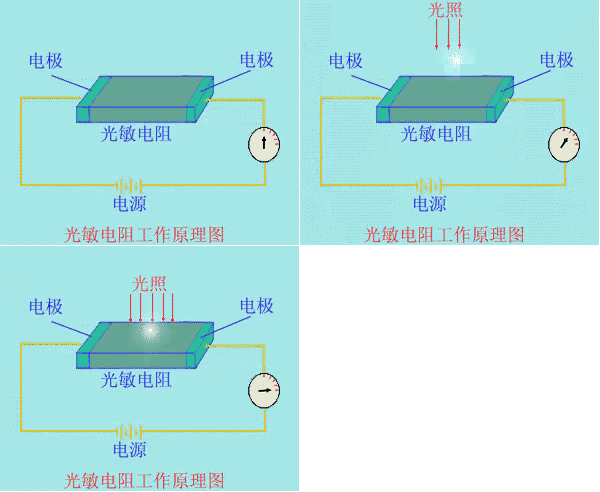
Without light: The number of free electrons in the light-sensitive material is low, resulting in weak conductivity and a high resistance value (usually reaching several megaohms). At this time, the current in the circuit is minimal, equivalent to an “off” state;
With light: The energy from the light is absorbed by the semiconductor, exciting more free electrons, which instantly enhances conductivity, significantly lowering the resistance value (can drop to several thousand ohms or even hundreds of ohms), and the current in the circuit increases, equivalent to an “on” state.
This “light to electric” conversion process is rapid, and the sensitivity to light can be adjusted by selecting different light-sensitive materials. For example, cadmium sulfide photoresistors are sensitive to visible light, while lead sulfide photoresistors are more suitable for infrared light scenarios.
📊 Key Parameters to Consider When Choosing a Photoresistor
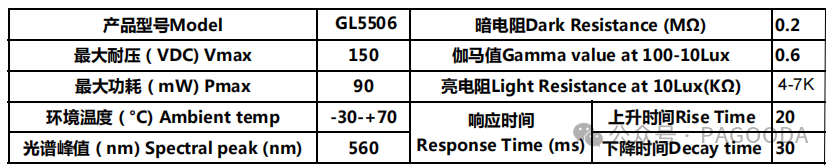
Illuminated Resistance (Rₗ): Refers to the resistance value under specified light intensity (e.g., 100lx standard white light). Generally, the smaller the value, the better, indicating that the component responds more sensitively to light, typically ranging from hundreds to thousands of ohms;
Dark Resistance (R𝒹): Refers to the resistance value in the absence of light (e.g., in a dark environment). Generally, the larger the value, the better, ensuring that the circuit remains “off” in darkness. High-quality photoresistors can achieve dark resistance values of several megaohms or even tens of megaohms;
Response Time: Refers to the time it takes for the photoresistor to stabilize its resistance value after a change in light exposure, including “rise time” (the time it takes for resistance to change from dark to light) and “fall time” (the time it takes for resistance to change from light to dark). The faster the response, the more suitable it is for scenarios requiring quick light control (e.g., automatic exposure in cameras).
📦 Common Types of Photoresistor Materials and Their Applications
Cadmium Sulfide (CdS) Photoresistor: The most commonly used type, highly sensitive to visible light (such as sunlight and artificial light), with moderate response speed and low cost, widely used in everyday light control devices (e.g., streetlight controllers, automatic curtains);
Lead Sulfide (PbS) Photoresistor: Sensitive to infrared light rather than visible light, and performs more stably in low-temperature environments, mainly used in infrared detection scenarios (e.g., infrared alarms, auxiliary light control modules for temperature detectors).
Everyday Appliance Scenarios:
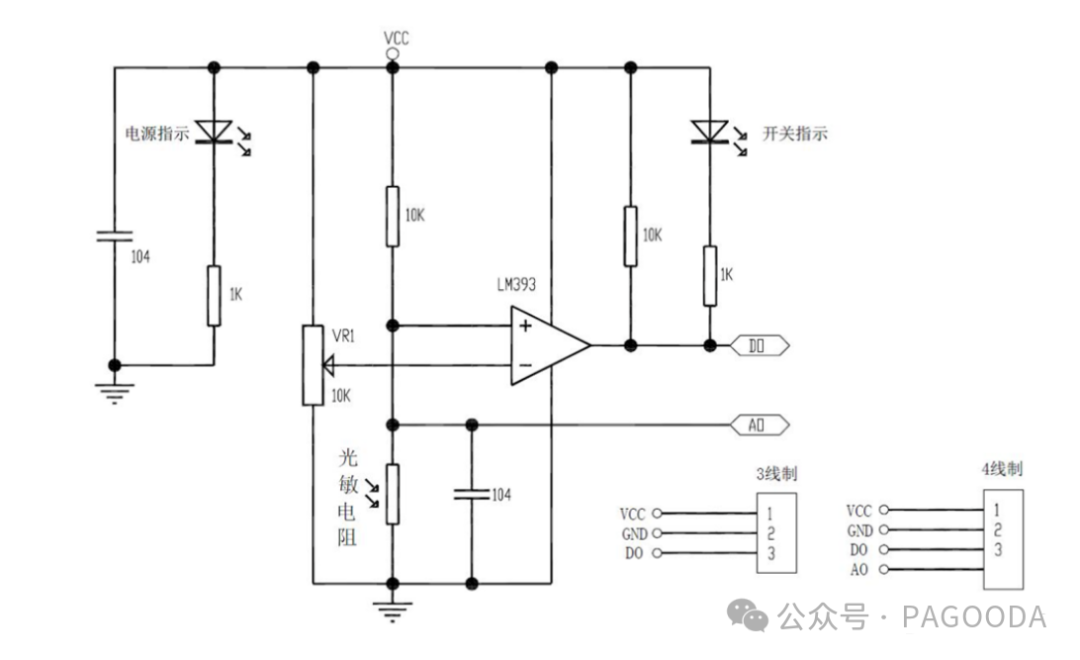
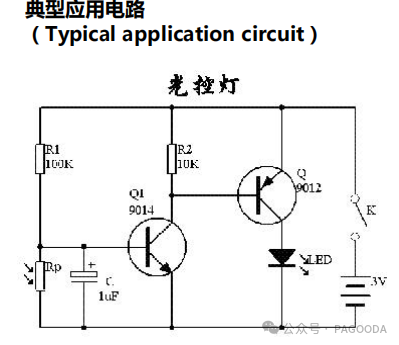
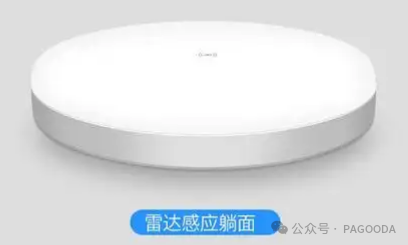
Automatic Sensing Lights: At dusk, the photoresistor detects low light levels, resulting in high resistance, triggering the circuit to turn on the light; at dawn, the resistance decreases, the circuit turns off, and the light goes out;
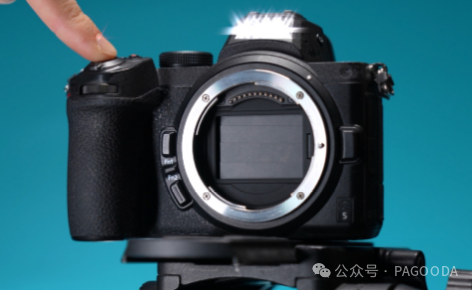
Camera Shutter: Adjusts shutter speed and aperture size automatically by sensing ambient light intensity through the photoresistor, achieving “automatic exposure”;
Mobile Screen Brightness Adjustment: Senses the intensity of external light and automatically adjusts screen brightness, protecting the eyes and saving energy.
Industrial and Security Scenarios:
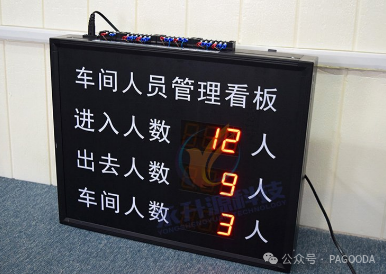
Production Line Light Control Counting: Detects whether products have passed through by using the photoresistor (the change in resistance when light is blocked triggers a counting signal);
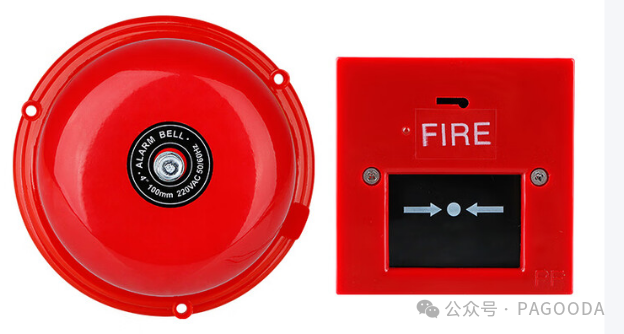
Fire Alarm: When a fire occurs, a large amount of smoke blocks the light, causing the photoresistor resistance to spike, triggering the alarm circuit;
Smart Streetlight Control: Automatically turns on lights at dusk and off at dawn, saving energy.
Toy and Creative Electronics Scenarios:
Light-Controlled Robot: Automatically turns away from bright areas when encountering strong light;
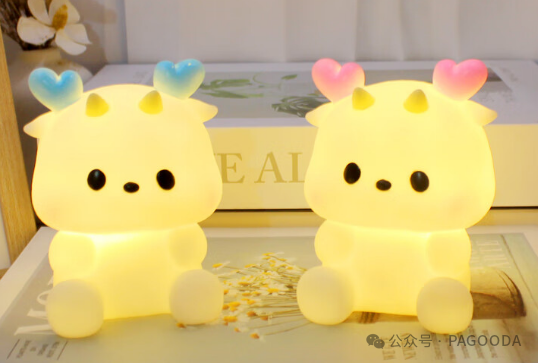
Creative Night Light: Remains off during the day and automatically turns on at night, requiring no manual switch.
⚠️ Three Precautions When Using Photoresistors
Avoid Direct Strong Light Exposure: Prolonged exposure to direct sunlight or strong lights may cause aging of the light-sensitive material, reducing sensitivity;
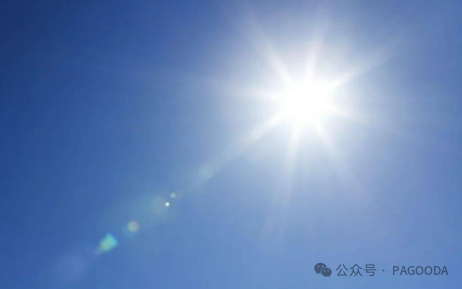
Pay Attention to Environmental Temperature: Extreme temperatures can affect the stability of the photoresistor (e.g., high temperatures may cause dark resistance to drop). For outdoor use, it is recommended to choose temperature-resistant models;
Use with Current Limiting Resistors: When the photoresistor is conducting, the current may be high, so a current limiting resistor should be connected in series in the circuit to prevent component burnout or damage to other devices.
Although small, the photoresistor is a fundamental component of “light control technology”. From simple automatic lights to complex industrial detection, its “light sensing ability” is indispensable. If your electronic DIY project requires “light sensing”, choosing the right photoresistor can easily achieve intelligent light control functionality~
⬇️
-End-
Source: PAGOODA
#Photoresistor #LightControlTechnology #Electronics #ElectronicComponentEducation

Scan the QR code in the image
Follow us