
Editor’s Note
This article compiles excellent teaching cases from “Electrical Control and PLC” for teachers in various colleges to learn from and reference.
The course “Electrical Control and PLC” is a core course for majors in automation, intelligent manufacturing engineering, and electrical engineering and automation. This course focuses on PLC programming, electrical control, and intelligent equipment integration, cultivating high-quality applied talents that adapt to the development of new productive forces.
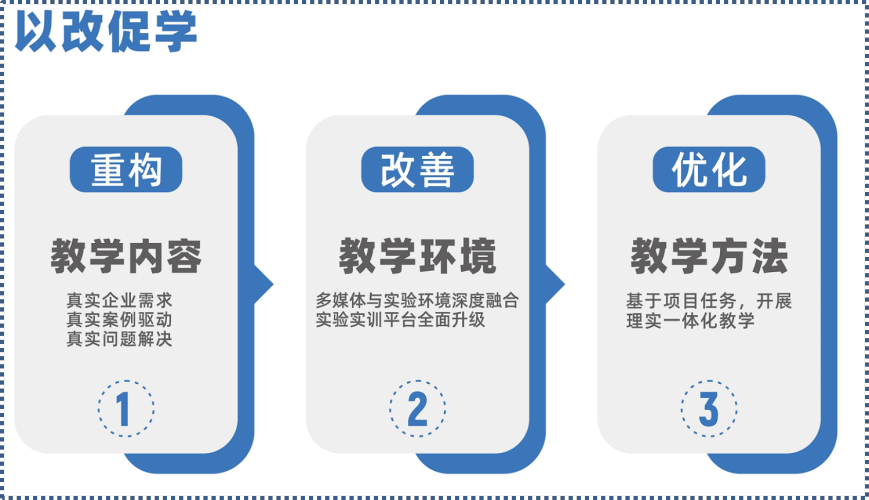
In the context of deepening the integration of industry and education and serving the new productive forces, the course “Electrical Control and PLC” revolves around what to learn (setting learning objectives), how to learn (applying learning strategies), and how to assess whether learners have achieved learning outcomes (implementing learning evaluations). It follows a dual-driven approach (school-enterprise collaboration + dual-teacher co-construction) and employs the “three truths (real enterprise needs, real case-driven, real problem-solving) and three products (works, products, commodities)” to address the pain points of the gap between teaching content and the latest technological needs of enterprises, the difficulty of achieving deep integration of “engineering thinking” and “practical ability” in teaching methods, and the imbalance between the engineering education evaluation system and industry talent demands.
This course enhances the engineering proportion of students’ graduation projects through deep integration of industry and education, with automation projects developed jointly by teachers and students successfully applied in enterprise production. The teaching content is updated in sync with the technological development of enterprises, assisting in solving real production problems, and facilitating experience exchanges on educational achievements between local colleges and television stations. The course team uses social services to feed back into teaching, forming a replicable model of industry-education integration.
 1.Course Overview
The course “Electrical Control and PLC” is a core course for multiple majors at our school, covering both electrical control and PLC content. Through differentiated training and specialized training for students from different majors, it can stimulate students’ passion for the industry and equip them with practical abilities to solve complex engineering problems, promoting high-quality employment for students. In the teaching process, traditional teaching lacks a real engineering environment, while the integration of industry and education can effectively solve the “scene distortion” problem. Teaching based on real engineering cases can achieve a deep integration of “engineering thinking” and “practical ability.”
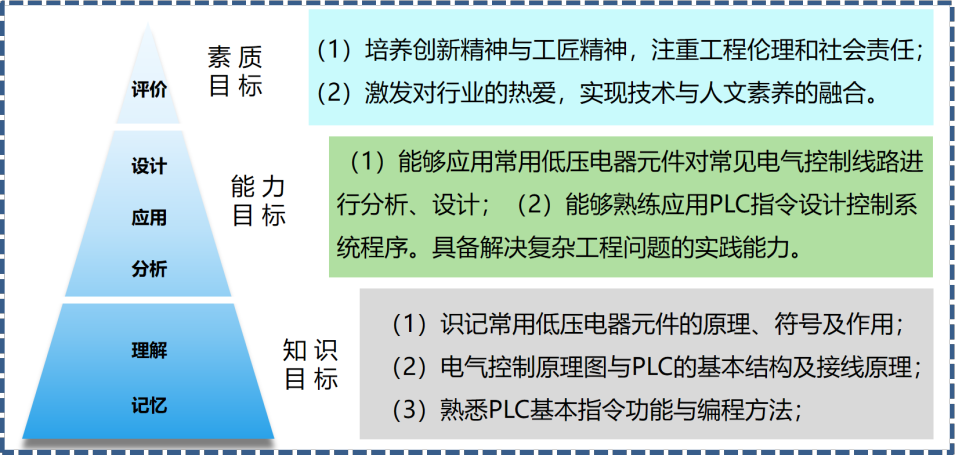
Figure 1 Course Three-Dimensional Objectives
2.Problems in Course Teaching
The course “Electrical Control and PLC” has the following pain points in its content setting, teaching methods, and evaluation system:
1. Teaching content lags behind the latest technological needs of enterprises
The teaching content is updated slower than the technological iteration speed of enterprises, and the teaching cases mostly come from textbooks or simplified scenarios, failing to reflect the complex problems in real engineering. The teaching content is outdated compared to enterprise technological development, specifically manifested as: disconnection of technology, distortion of scenes, and gaps in transformation.
2.Teaching methods struggle to achieve deep integration of “engineering thinking” and “practical ability”
The teaching model of “theoretical lectures + verification experiments” cannot effectively cultivate students’ engineering thinking and ability to solve complex engineering problems. Specifically manifested as:
1. Disconnection in ability cultivation
Classroom theoretical teaching is disconnected from engineering practice, making it difficult for students to integrate discrete knowledge points into systematic solutions, lacking the ability to handle multi-variable coupling problems in industrial sites; the teaching model is limited: existing experiments are mostly verification operations of preset processes, unable to simulate the uncertainties in real engineering, leading to insufficient adaptability of students.
2. Lack of learning motivation
Insufficient task-driven approach makes it difficult for students to establish a complete cognitive chain of “problem-solution-value,” resulting in poor cultivation of innovative awareness.
3.Imbalance between engineering education evaluation system and industry talent demands
The existing evaluation system overly emphasizes standardized assessments of knowledge mastery and skill operation, failing to accurately reflect students’ comprehensive professional abilities and innovative value in real engineering scenarios. Specifically manifested as:
1. Single evaluation dimension, primarily based on written exams and standardized lab reports, neglecting assessments of core professional qualities such as engineering thinking, problem-solving, and teamwork;
2. Lack of value orientation: evaluation standards are disconnected from enterprise hiring standards, failing to reflect the value transformation process from “works → products → commodities,” leaving students lacking market awareness and business thinking; 3. Weak process evaluation: lacking a dynamic evaluation mechanism for the entire lifecycle of real enterprise projects, making it difficult to capture students’ ability growth in demand analysis, solution design, debugging, and optimization. There is a lack of an evaluation system that measures students’ learning abilities based on their capacity to solve real problems.
3.
Innovative Measures
1.Reconstructing Teaching Content with “Three Truths and Three Models”
To address the core pain point of the disconnection between teaching content and industry technology iteration, we propose using the core of “real site needs-driven, real case-driven, real problem-solving-oriented” (three truths) and implementing paths of “deep cooperation with typical enterprises, technical feedback from typical products, and teaching transformation through typical case studies” (three models) to construct a closed-loop mechanism of “technology monitoring – case development – teaching implementation – feedback optimization” through school-enterprise collaboration and dual-teacher co-construction.
We collaborate with leading enterprises in regional intelligent manufacturing to establish a deep cooperation platform of “one teacher linked to one enterprise,” with industry enterprises participating throughout the talent cultivation process. Based on enterprise production line technical transformation projects, we align with vocational positions, selecting “typical enterprises” and “typical products” as “typical cases” based on principles of professionalism, applicability, practicality, and targeting. These cases are categorized by difficulty into: basic application, advanced application, and high-level application, reconstructing teaching content and forming a teaching plan that aligns course content with vocational position demands. This achieves synchronous updates of teaching content with enterprise technological development, seamlessly connecting students’ engineering capabilities with job requirements..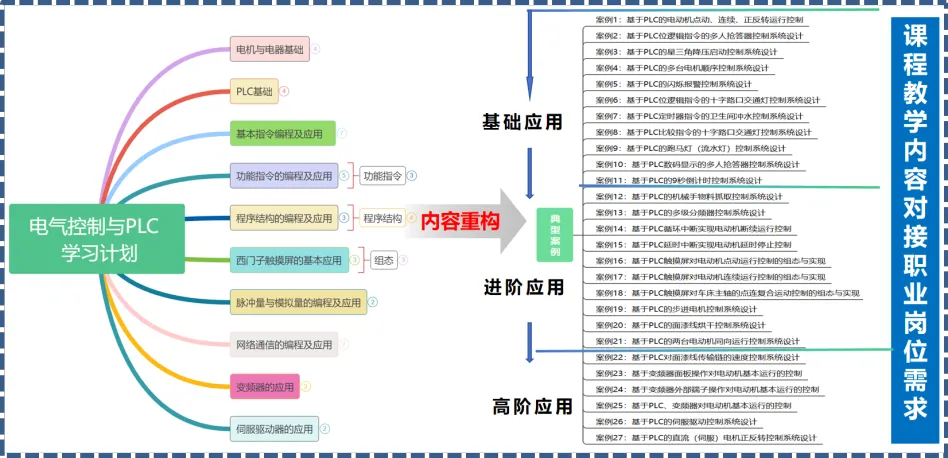
Figure 2 “Typical Enterprises” and “Typical Products” as “Typical Cases”
2. Innovating Teaching Methods with “Three Platforms and Four Questions”
To solve the problem of disconnection between theoretical lectures and practical operations in traditional teaching methods and to promote deep integration of engineering thinking and practical abilities, the teaching team has implemented the “Three Platforms and Four Questions” engineering education reform measures. Specifically:
1. Three Platforms
(1) Co-constructing a Basic Capability Platform (Teacher-Student Co-constructed Laboratory): Self-made experimental devices to cultivate engineering foundational qualities (building a practical platform to empower course teaching and vocational skill enhancement);
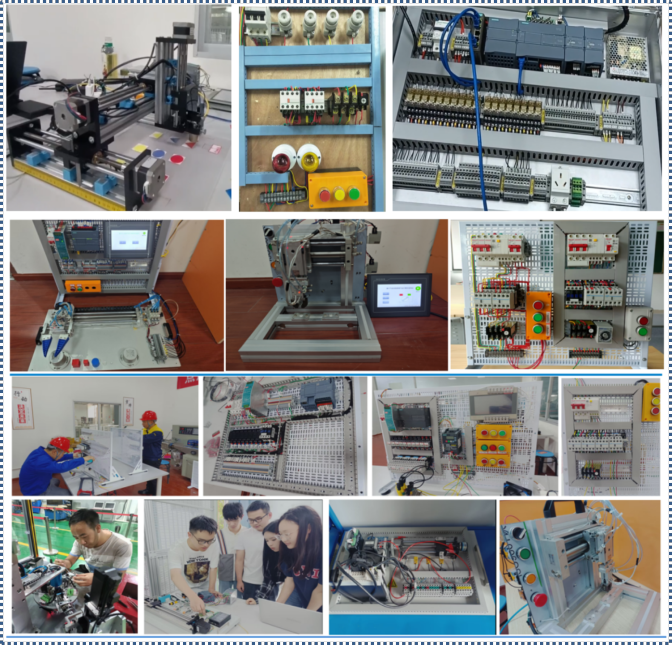
Figure 3 Teacher-Student Co-constructed, Self-made Experimental Device
(2) Establishing a Comprehensive Training Platform (PLC Comprehensive Training Room): Industrial-grade equipment achieves integrated teaching of theory and practice;
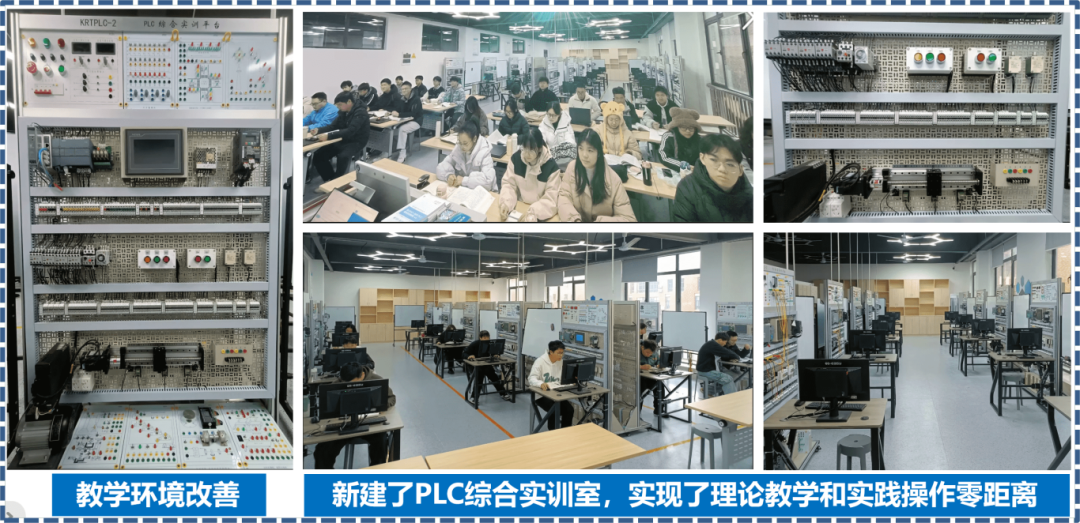
Figure 4 Newly Established Integrated Training Platform
(3) Building an Online Resource Platform (Bilibili + Learning Pass): Integration of fragmented knowledge and challenge-based training. Bilibili course online views reached 1.223 million, and the newly established online course on Learning Pass has been cited 469 times.
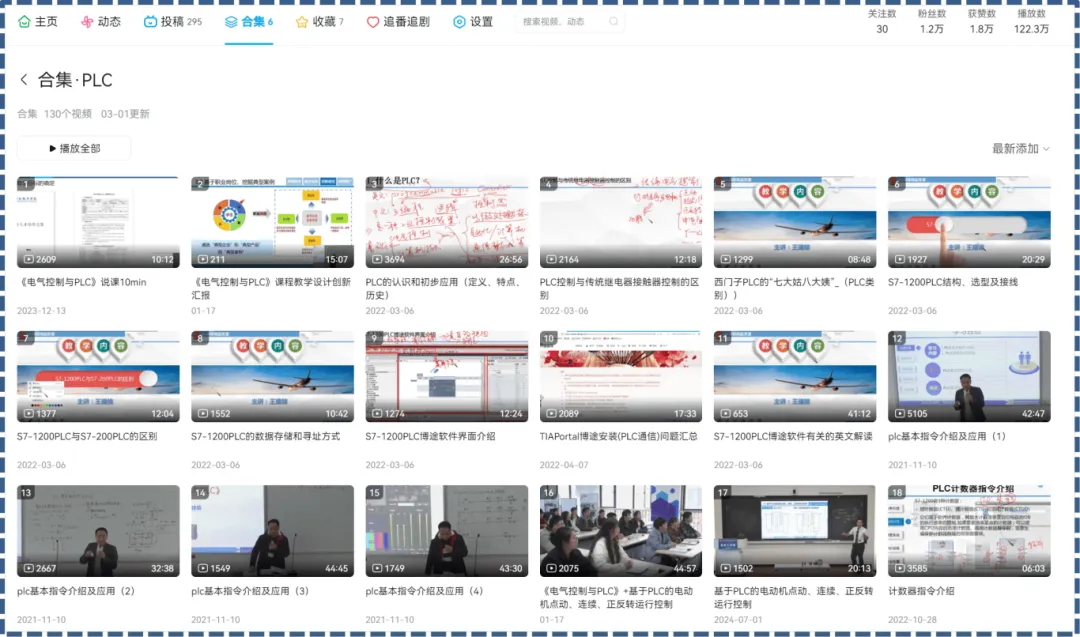
Figure 5 Bilibili Online Resource Platform
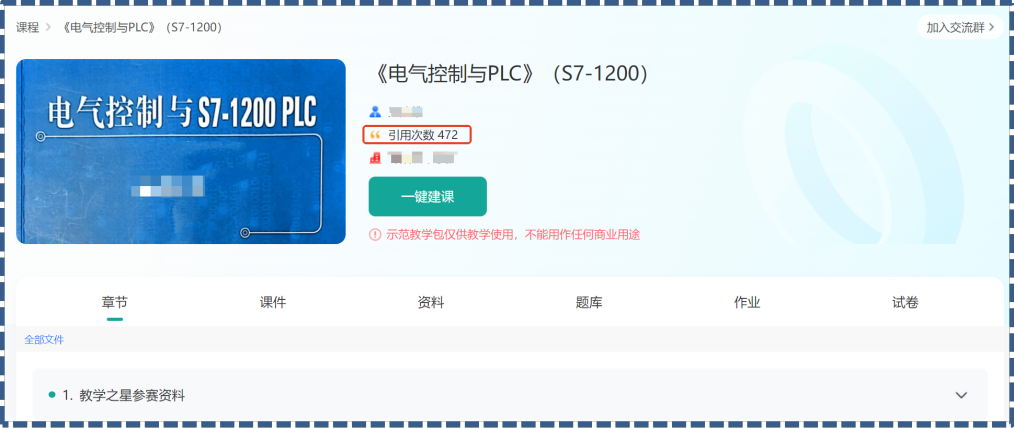
Figure 6 Learning Pass Online Resource Platform
2. Four Questions
By continuously asking four core questions:
(1) Task Definition (Cultivating Demand Analysis Ability), helping students understand what to do?
(2) Solution Design (Training System Thinking), helping students know how to do it?
(3) Effect Evaluation (Strengthening Quality Standard Awareness), assessing how well students did?
(4) Iterative Optimization (Cultivating Continuous Improvement Habits), helping students know what else to do?
Through the interaction of the three platforms and the four questions, we establish a complete cognitive chain of “problem-solution-value,” achieving deep integration of engineering thinking and practical abilities.
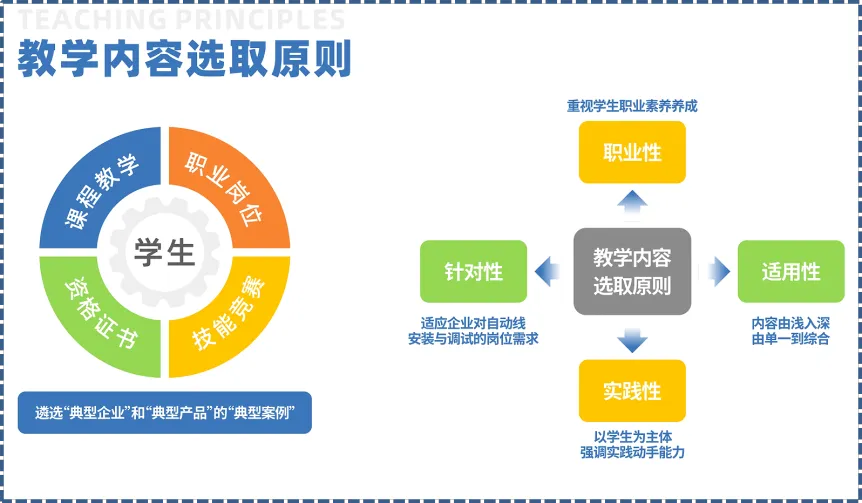
Figure 7 Principles for Selecting Course Teaching Content
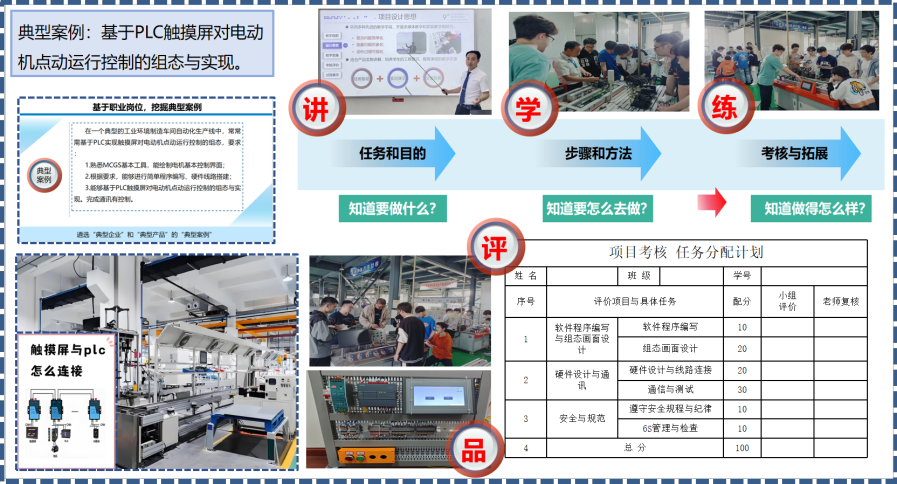
Figure 8 Course Teaching Implementation Process
3.Reconstructing the Evaluation System with “Three Products and Four Integrations”
To address the disconnection between traditional teaching evaluation systems and industry talent demands, we focus on engineering design for graduation projects, guided by the construction of three products (works, products, commodities), integrating enterprise evaluation mechanisms for employees,incorporating enterprise culture, industry standards, professional qualities, and6S standards, to build a diversified evaluation system that can accurately reflect students’ comprehensive professional abilities and innovative value, with a focus on assessing students’ levels of solving real problems and learning abilities.
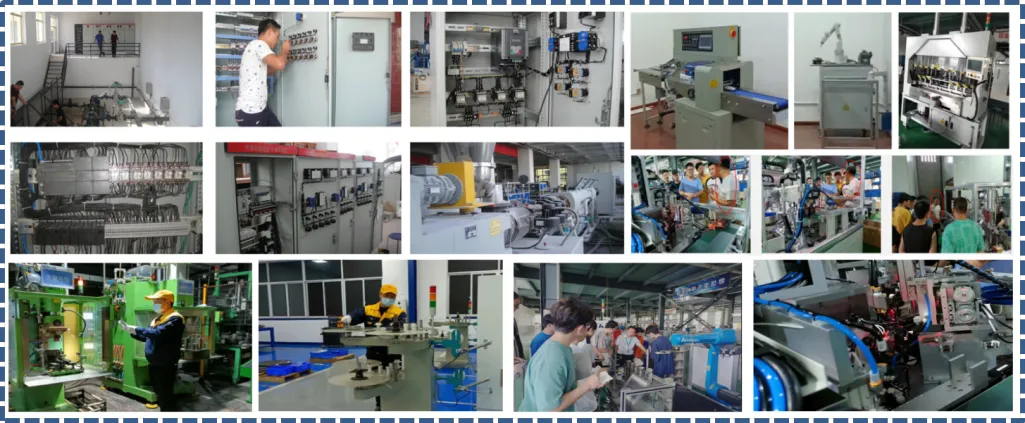
Figure 9 Students Participating in Actual Non-standard Automation Projects
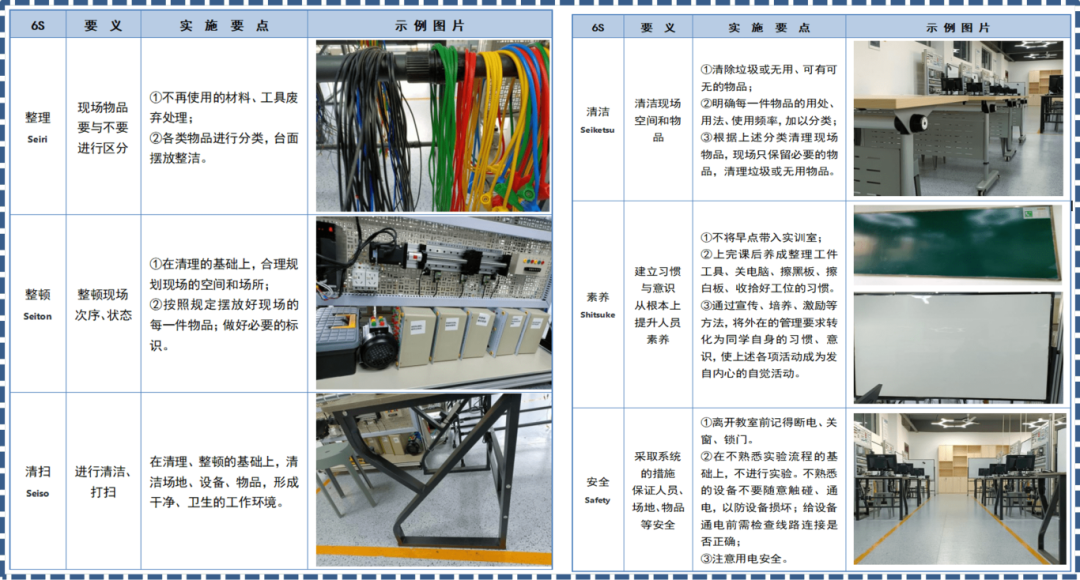
Figure 10 Industry Standards and Professional Norms
4.
ResultsDemonstration
1. Dual-teacher Empowerment, Innovative ResearchInnovation
The teaching team of the course “Electrical Control and PLC” consists of members who hold dual identities as university teachers and senior technicians in the industry. As experts in provincial and municipal expert databases, evaluators, and senior evaluators, they participate in training activities and skill assessments in industry enterprises. This approach allows them to deeply understand the latest industry demands and technological trends while directly participating in formulating enterprise personnel assessment standards, ultimately feeding back into the classroom teaching evaluation system and aligning it with industry standards. This “dual-teacher” teaching model not only enhances teachers’ practical abilities and industry perspectives but also provides a solid foundation for updating course content and reforming teaching methods. By integrating the latest industry standards and practical experiences into daily teaching, the teaching becomes more aligned with practical applications, effectively promoting the in-depth development of teaching and research reform work.
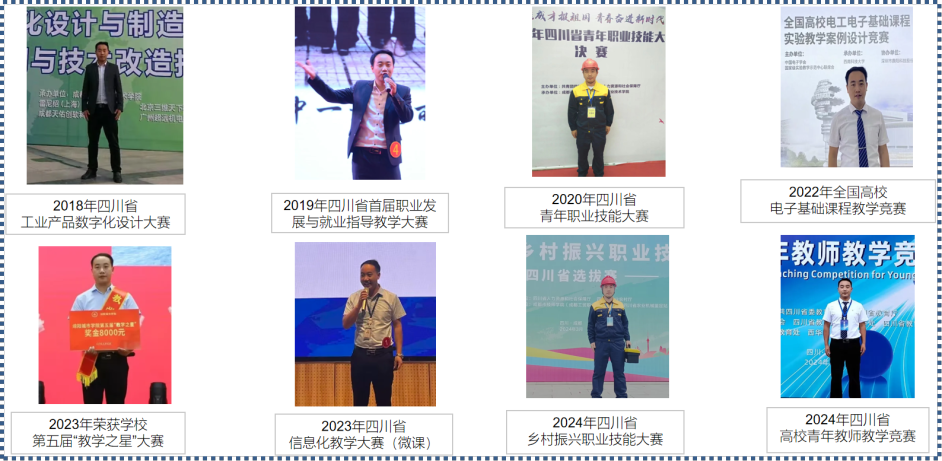
Figure 11 Outstanding Teaching Ability of “Dual-teacher” Instructors
2.Transformation of Three Products, Employment Enhancement
During the construction of the “three products,” students and teachers jointly participated in the development of enterprise automation projects, which evolved from initial concept designs into marketable products. For example, the automated control system completed through collaboration between teachers and students was successfully applied in the production line upgrade project of a school-enterprise cooperation enterprise, solving real problems for the enterprise and providing students with a real engineering environment for learning and practice. The “three products” cases generated during this process, namely the complete transformation from works to products to commodities, greatly enhanced students’ engineering thinking and innovative abilities while improving the quality of their employment.
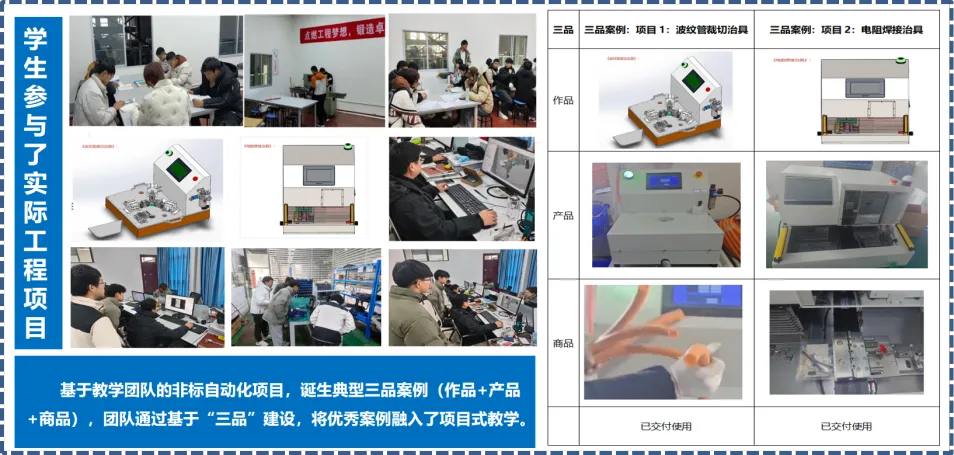
Figure 12 Effectiveness of Three Products Construction
3.Graduation Design, Quality and Efficiency
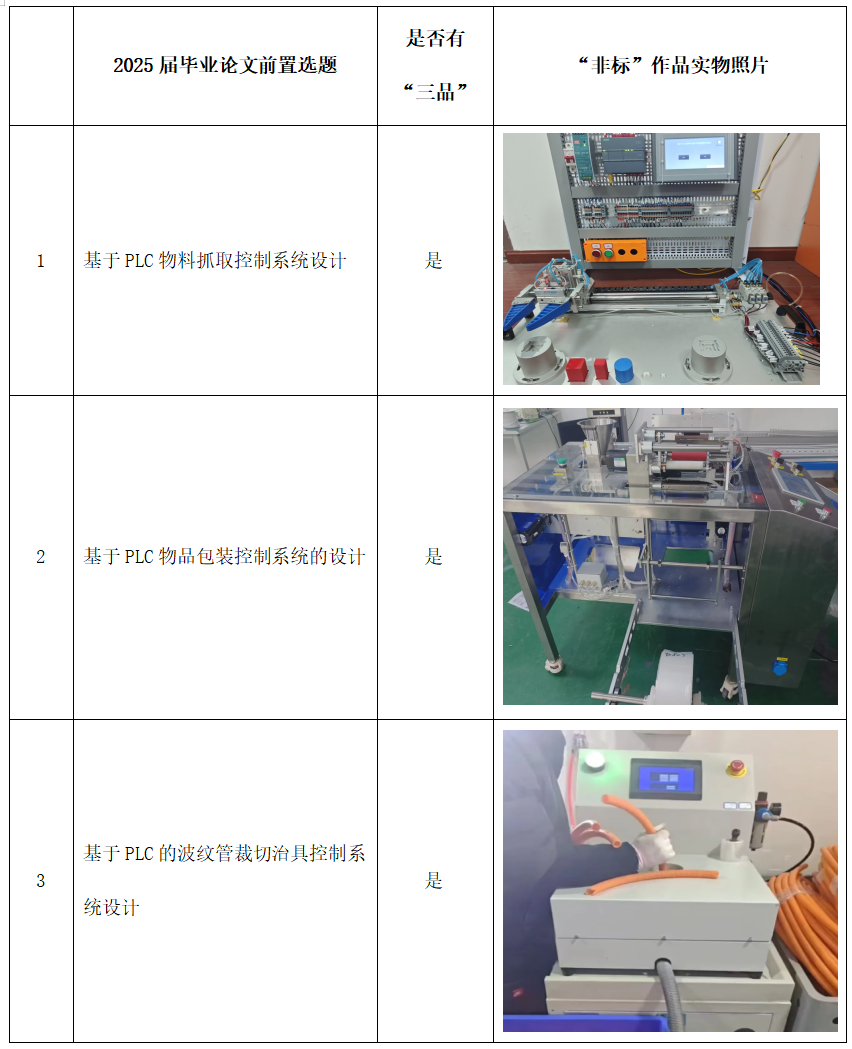
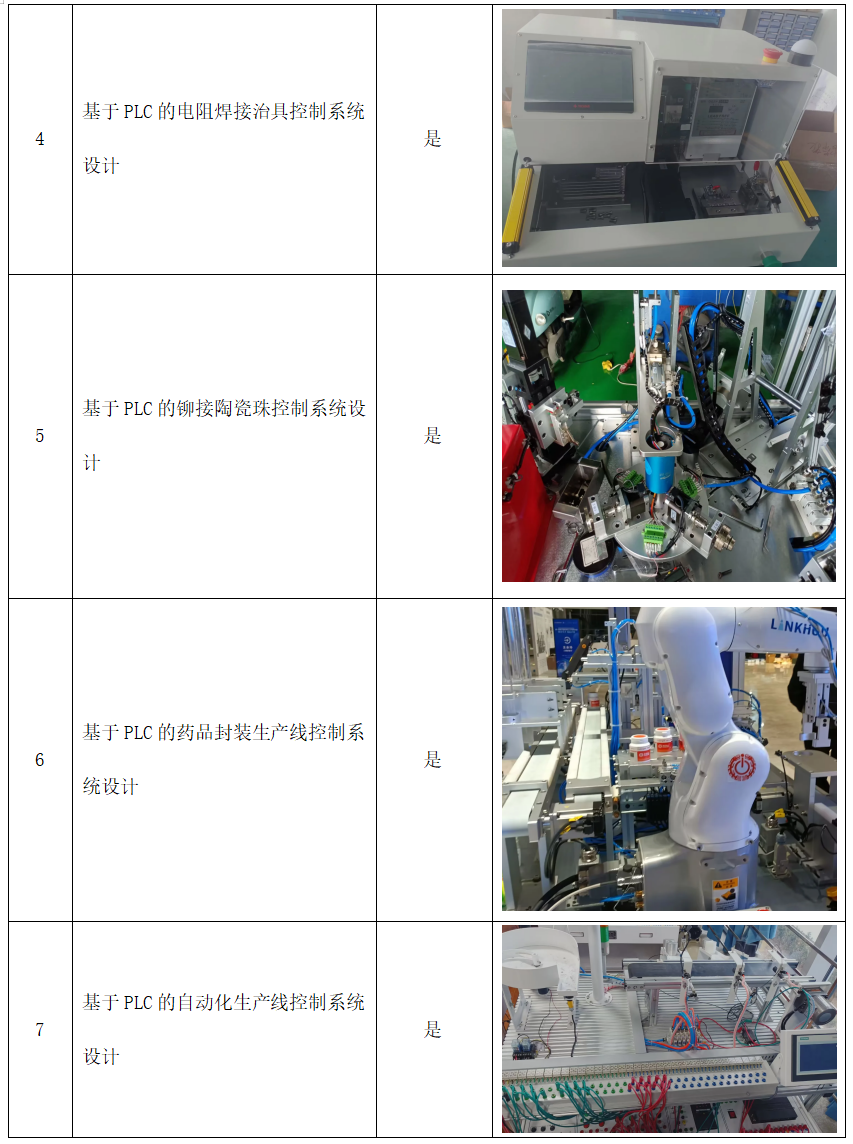
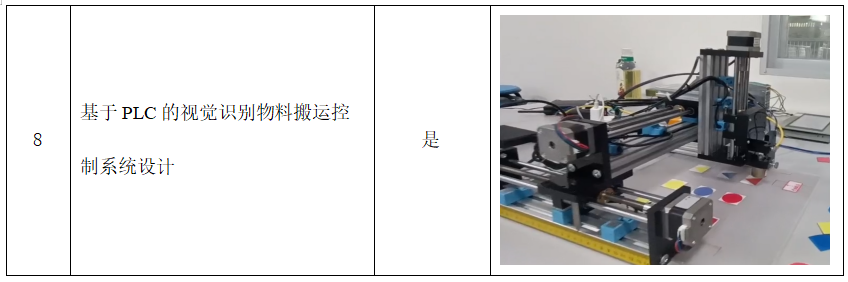
To better align with industry demands, the course “Electrical Control and PLC” encourages students to choose actual topics from frontline industry enterprises as the themes for their graduation designs. This engineering design approach not only makes graduation projects more aligned with practical application scenarios but also greatly enhances their applicability and practicality, while guiding teachers to receive the title of “Outstanding Graduation Design Supervisor.”
Table 1 Preceding Graduation Design (Thesis) Topics for the Class of 2025
4.Student Satisfaction, Dual Achievements in Industry and Education
The teaching effectiveness of the course has significantly improved, with students generally evaluating the course as “understandable, interesting, practical, and willing to learn,” and giving high ratings to the quality of teaching. Additionally, the integration of practical experiences has formed a feedback loop for educational research and reform projects, leading to significant achievements in the integration of education and industry. The course has also shared educational concepts with local colleges and television stations, achieving shared results, and the number of students receiving high-quality awards in competitions has increased year by year. The course has truly realized a close integration of theory and practice, providing valuable reference experiences for the teaching reform of other related courses.
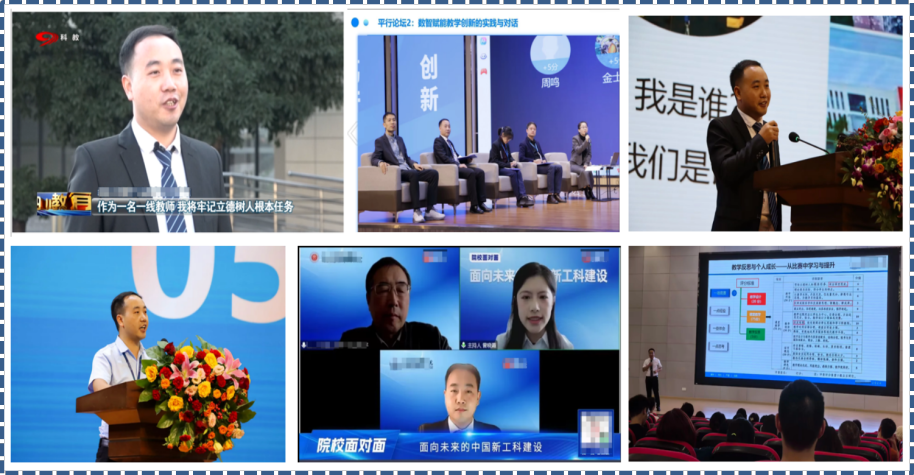
Figure 13 Experience Exchange on Educational Achievements with Local Colleges and Television Stations
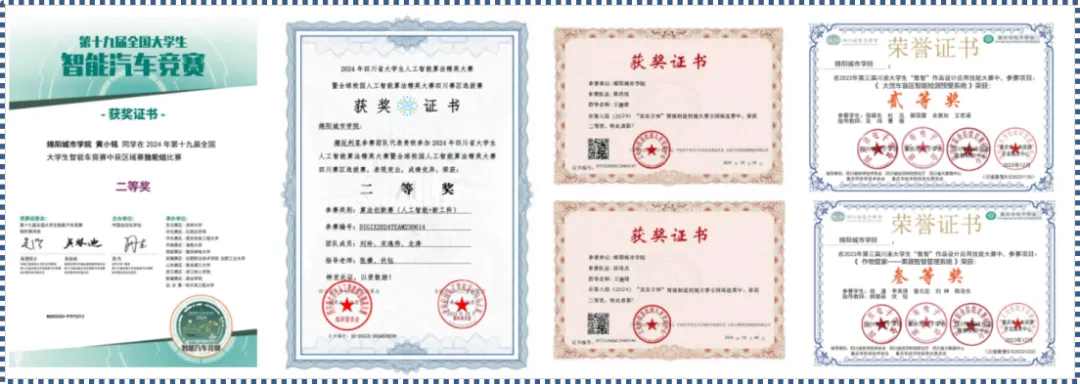
Figure 14 Student Competition Awards
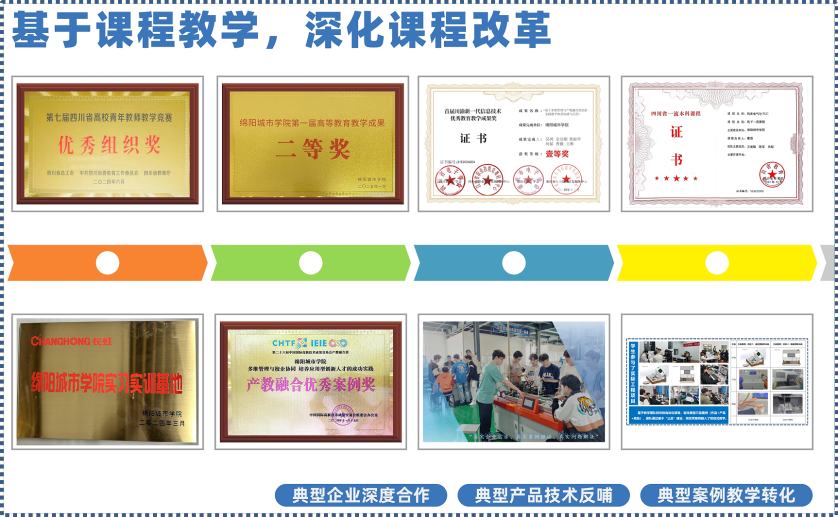
Figure 15 Significant Achievements in Industry-Education Integration
The teaching of the course “Electrical Control and PLC” has deeply integrated industry and education, addressing multiple pain points in traditional teaching and providing an effective path for cultivating high-quality applied talents that adapt to the development of new productive forces. The course is guided by the “three products” (works, products, commodities) and integrates enterprise evaluation mechanisms for employees, incorporating enterprise culture, industry standards, professional qualities, and 6S standards to construct a diversified evaluation system. At the same time, through school-enterprise collaboration, a dual-education talent cultivation model has been formed, enabling students to gain comprehensive professional and innovative abilities in real engineering scenarios.
Source: Miancheng Education OfficeDisclaimer: The purpose of reprinting is to share. This account respects originality, and copyright belongs to the original author. If there are any copyright issues, please contact us for deletion. ↑ For more courses, please follow “Duxing Education Research Institute” ↑