
Click the blue text to follow us

A Decade Later: Google’s New Attempt
Do you remember the craze of Google Glass ten years ago? It shot across the sky like a meteor, causing global astonishment, but quickly fell due to privacy controversies. Now, Google is restarting its AI glasses project, quietly shifting to the enterprise market; this is no longer a personal showcase, but a turning point for AI hardware. We often chase after flashy technology, while enterprises are quietly seeking practical solutions. Google’s move tells us: although the consumer market is bustling, the B2B enterprise demand is the real battleground. Consider those failed smart devices; most were created just to attract attention, while enterprise applications can take root in reality. This hides a significant transformation in the hardware market that deserves our contemplation.
The Consumer Dilemma: Why Consumers Say ‘No’
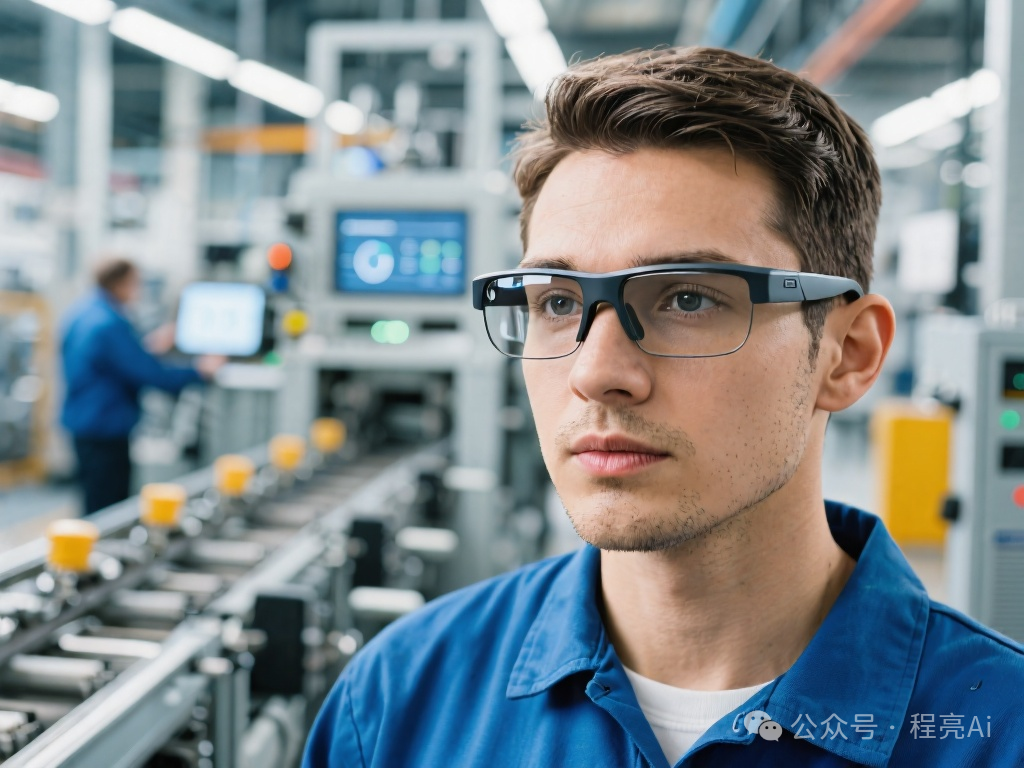
Smart hardware often becomes a decoration in the hands of consumers. We buy it for novelty, wear it for a few days, and then it sits idle, like a toy. High prices, privacy concerns, and lack of practicality have led to a low acceptance rate in the consumer market, akin to the tip of an iceberg. Google Glass once made ordinary people the center of attention, but it sparked ‘spy’ controversies. In real life, smartwatches are often forgotten in drawers; people only love their heart rate monitoring features. Compared to enterprises, we care more about ‘how cool it is,’ while businesses ask ‘is it worth it?’ The market characteristics diverge here: the consumer side is a shallow pool of personal consumption, with big waves that easily recede; the enterprise side is a deep sea of business navigation, with stable and profound demands.
Opportunities in B2B: Enterprise Demand Like Teammates in a Football Match
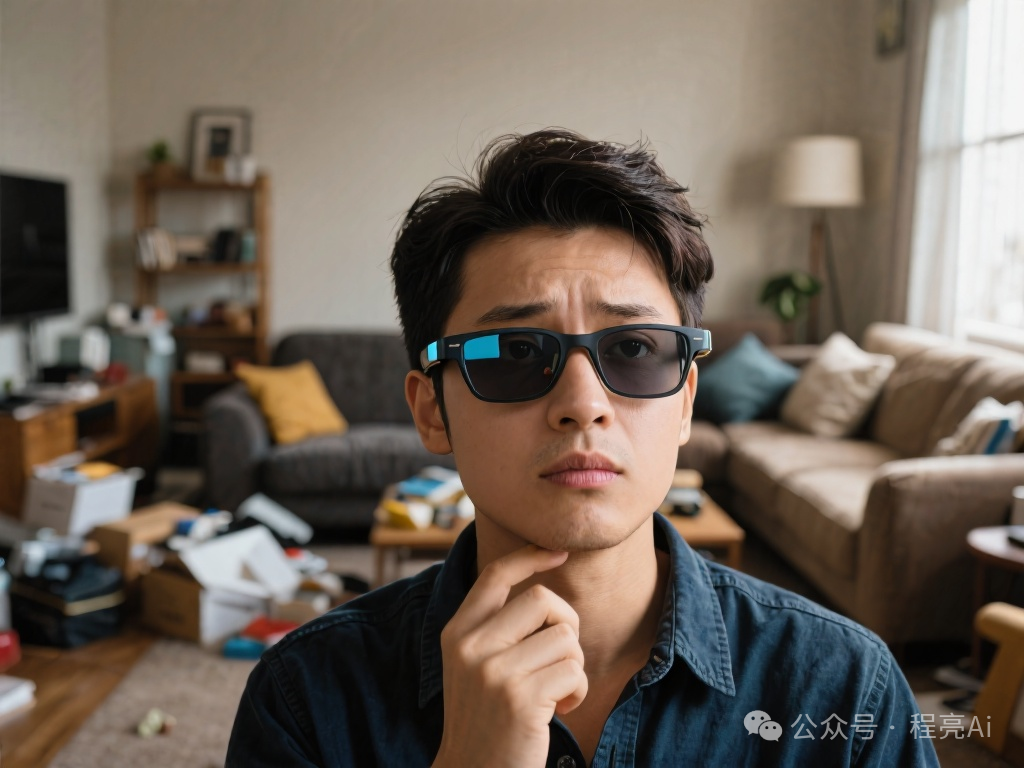
Google’s search for manufacturers and designers is like finding teammates in a football match. The consumer side is a star player going solo, pursuing flashy moves but prone to mistakes; the enterprise side emphasizes teamwork, harmony, and efficiency. The demand for enterprise-level AI hardware is surging; it seeks practicality rather than flashiness. Factory workers use glasses to check equipment data, and doctors use them to assist in surgeries, leading to tangible efficiency improvements. A life analogy: individuals buy phones for good photography, while enterprises procure equipment to save costs. Google’s shift to small-batch trial production reflects this understanding. The characteristics of the B2B market are distinct: clear demands, controllable costs, and solvable problems. Consumer demands are as changeable as the wind, while enterprise needs are as solid as a rock.
Market Differences: Why B2B Has the Upper Hand
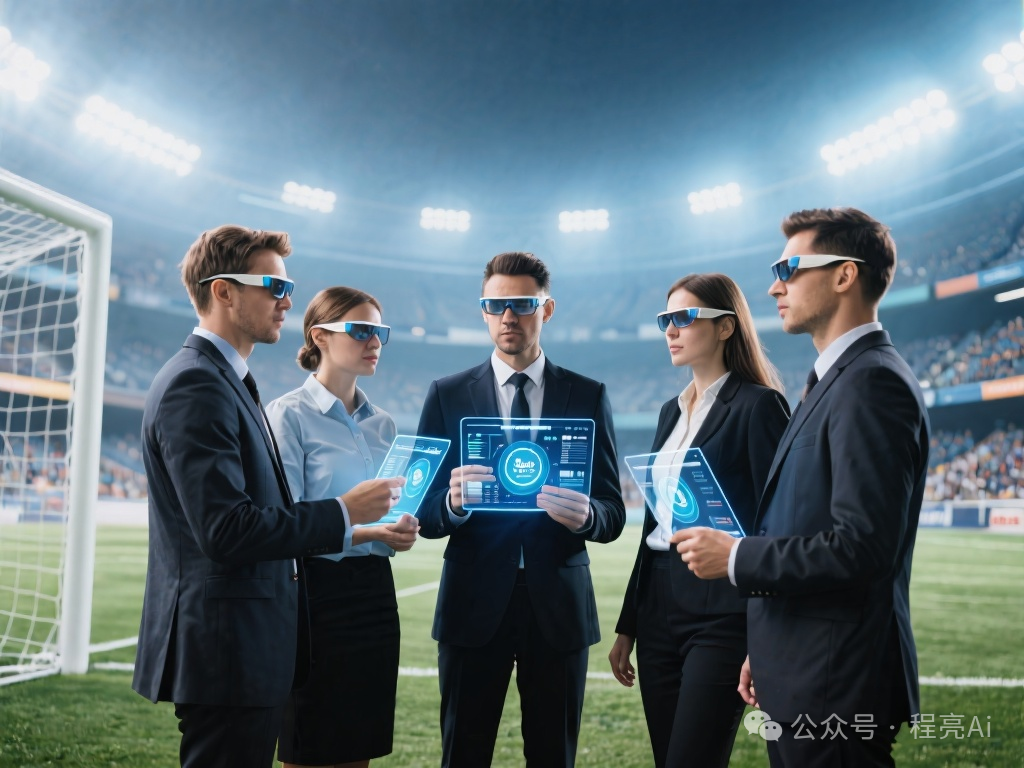
The B2B and B2C markets are entirely different, and Google’s move is a wise exploration. The B2C market emphasizes experience over practicality, while B2B speaks through results. The consumer market is like an amusement park, lively but fleeting; the enterprise market is like a construction site, quiet yet enduring. A life example: individuals buy smart home devices for entertainment, while enterprises use AI monitoring systems for security. Google’s shift of AI glasses to enterprise applications is due to the higher tolerance in B2B and quantifiable demands. Privacy issues can be controlled in factories, unlike the controversies on the streets. Market differences allow AI hardware to find fertile ground in B2B. B2C consumers are picky spectators, while B2B enterprises are reliable partners.
Future Outlook: Google’s New Direction
The restart of Google’s AI glasses is not nostalgia but a breakthrough. It reveals that the future of AI hardware has greater space in B2B, and market exploration has already set sail. Enterprise demand acts as an engine driving innovation, while the low acceptance in B2C is merely a temporary fog. A life lesson: personal tech toys are fleeting, while enterprise tools are everlasting. This step by Google will drive more manufacturers to shift towards B2B. The future of hardware is not just toys but productivity partners. We should reflect: chasing trends is not as valuable as cultivating real worth. Google’s new attempt is writing a new chapter for AI hardware.