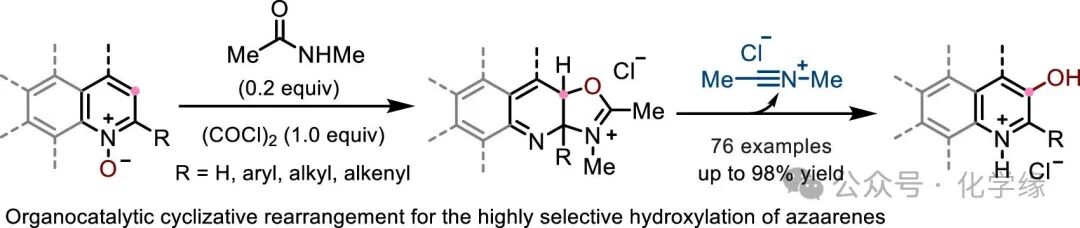
The team of Hua Wu at Shanghai Jiao Tong University utilizes inexpensive and readily available N–methylacetamide and oxalyl chloride in situ to generate a nitrilium ion that acts as an efficient organic catalyst, facilitating various nitrogen-containing aromatic nitroxides to undergo a stepwise, formally1,3-oxygen atom transfer process, resulting in the corresponding3-hydroxylated derivatives with high chemical and site selectivity. These3-hydroxylated derivatives are key structural units in many pharmaceutical molecules, natural products, and functional materials, making their precise construction significant for molecular design and synthesis in related fields.
Abstract
The chemoselective and site-selective molecular editing of azaarenes presents significant potential, as it allows for the precise construction of complex molecules with diverse applications in pharmaceuticals and materials science. Nevertheless, the most substantial challenge lies in the meticulous control of reaction selectivity, primarily due to the complex electronic properties and multiple reactive sites inherent in azaarenes. In this regard, the development of efficient and practical catalysts, especially organocatalysts for these selective transformations, is of the utmost significance and represents a formidable challenge. Against this backdrop, we report an organocatalytic thermodynamically driven cyclizative rearrangement that enables highly site-specificmeta-hydroxylation of azaarenes with excellent chemoselectivities. Specifically, a structurally specific nitrilium ion, formed in situ from the reaction of N-methylacetamide with oxalyl chloride, serves as a highly efficient catalyst, enabling a diverse range of azaarene 1-oxides to undergo a unique stepwise 1,3-oxygen transfer. This process ultimately leads to the formation of their corresponding 3-hydroxylated derivatives. Remarkably, this transformation features column-free operation, scalability, a broad scope, high yields, and an inexpensive catalyst system. Applications in the late-stage meta-hydroxylation of pharmaceutically relevant compounds are also demonstrated.
The chemical selectivity and site selectivity of molecular editing of azaarenes have tremendous potential, as it allows for the precise construction of complex molecules with various applications in pharmaceuticals and materials science. However, the greatest challenge lies in the meticulous control of reaction selectivity, primarily due to the complex electronic properties and multiple reactive sites inherent in azaarenes. In this regard, the development of efficient and practical catalysts, especially organic catalysts for these selective transformations, is of utmost importance and represents a formidable challenge.
3-hydroxylated azaarenes are crucial structural frameworks with significant applications across multiple fields. Among them, 3-hydroxyquinoline is widely present in pharmaceuticals, pesticides, dyes, and natural products, such as talnetant, ipflufenoquin, disperse yellow 54, PSI-697, and actinoquinoline A. The meta C-H hydroxylation of quinolines is undoubtedly the most direct and effective method to obtain various 3-hydroxyquinoline derivatives, especially in late-stage synthesis. For quinoline or pyridine-based drugs, although there are significant barriers to obtaining ortho- and para-selective products, it can be achieved due to the inherent electronic bias of these positions. In contrast, the selective transformation at the meta position poses a greater challenge. This transformation often heavily relies on functional group interconversion and group-based metallization strategies. Therefore, performing C3-H hydroxylation of heteroaromatics without the involvement of metals and directing groups remains a daunting task.
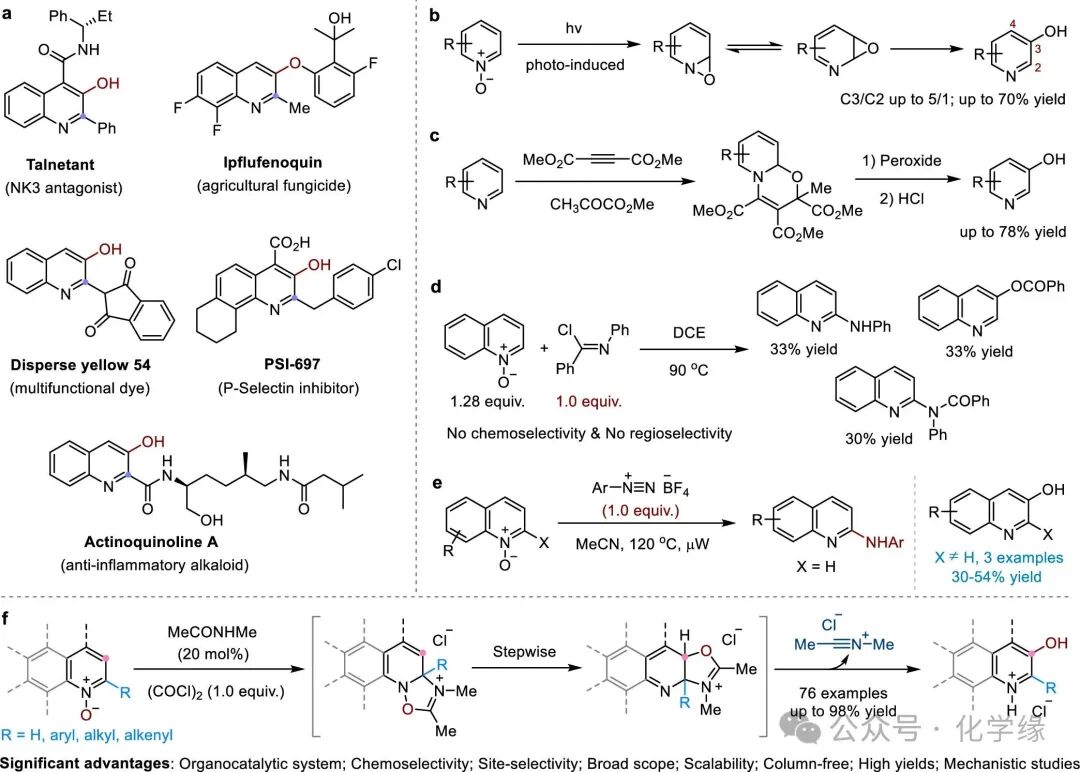
Figure 1 Research Background: Hydroxylation of the meta C-H bond in azaarenes
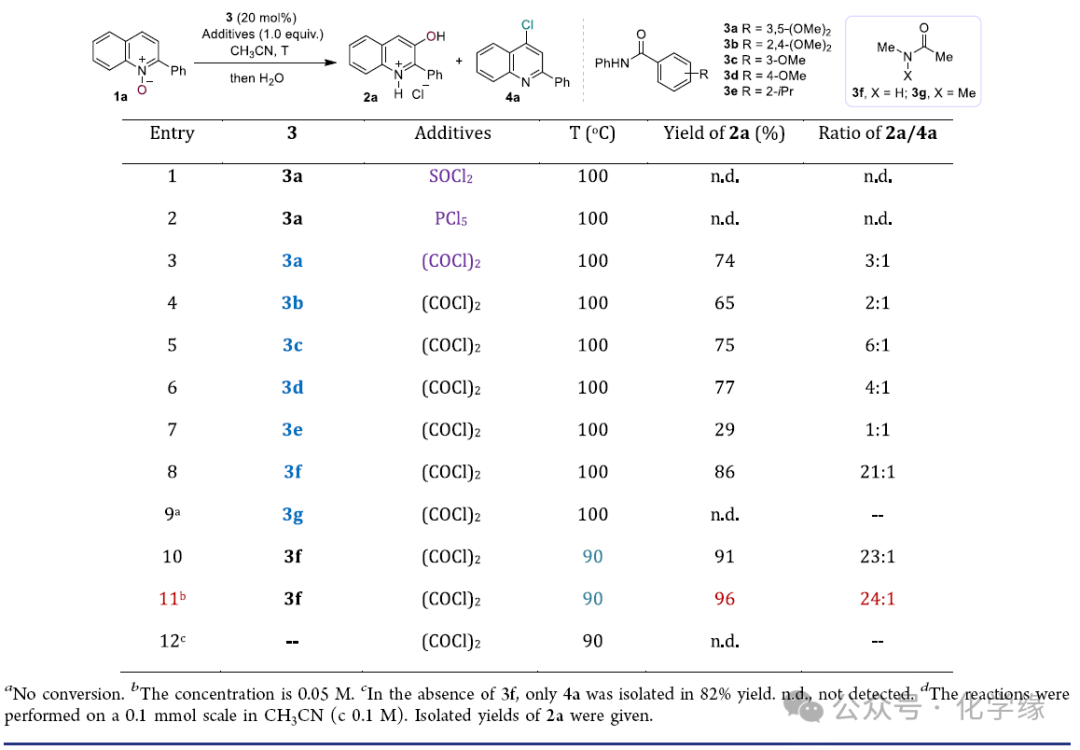
Condition Optimization
Using 2-phenylquinoline N-oxide and pre-synthesized N-phenylbenzoyl chloride as starting materials, it was discovered for the first time that 2-substituted quinoline N-oxides can be used for meta C-H hydroxylation reactions. Although the chemical selectivity of the reaction is generally moderate, this breakthrough discovery prompted further exploration. After a series of condition screenings, it was found that in the presence of oxalyl chloride, only a catalytic amount of aryl acetamide is required to promote the reaction. By screening the structure of the amide, temperature, concentration, and other reaction conditions, the optimal reaction conditions were determined to be: acetonitrile as the solvent, concentration of 0.05 M, reaction temperature of 90 °C, and 20 mol% of N-methylacetamide participating in the reaction. Under these conditions, the isolated yield of 3-hydroxyquinoline hydrochloride reached 96%, with a selectivity of 24:1.
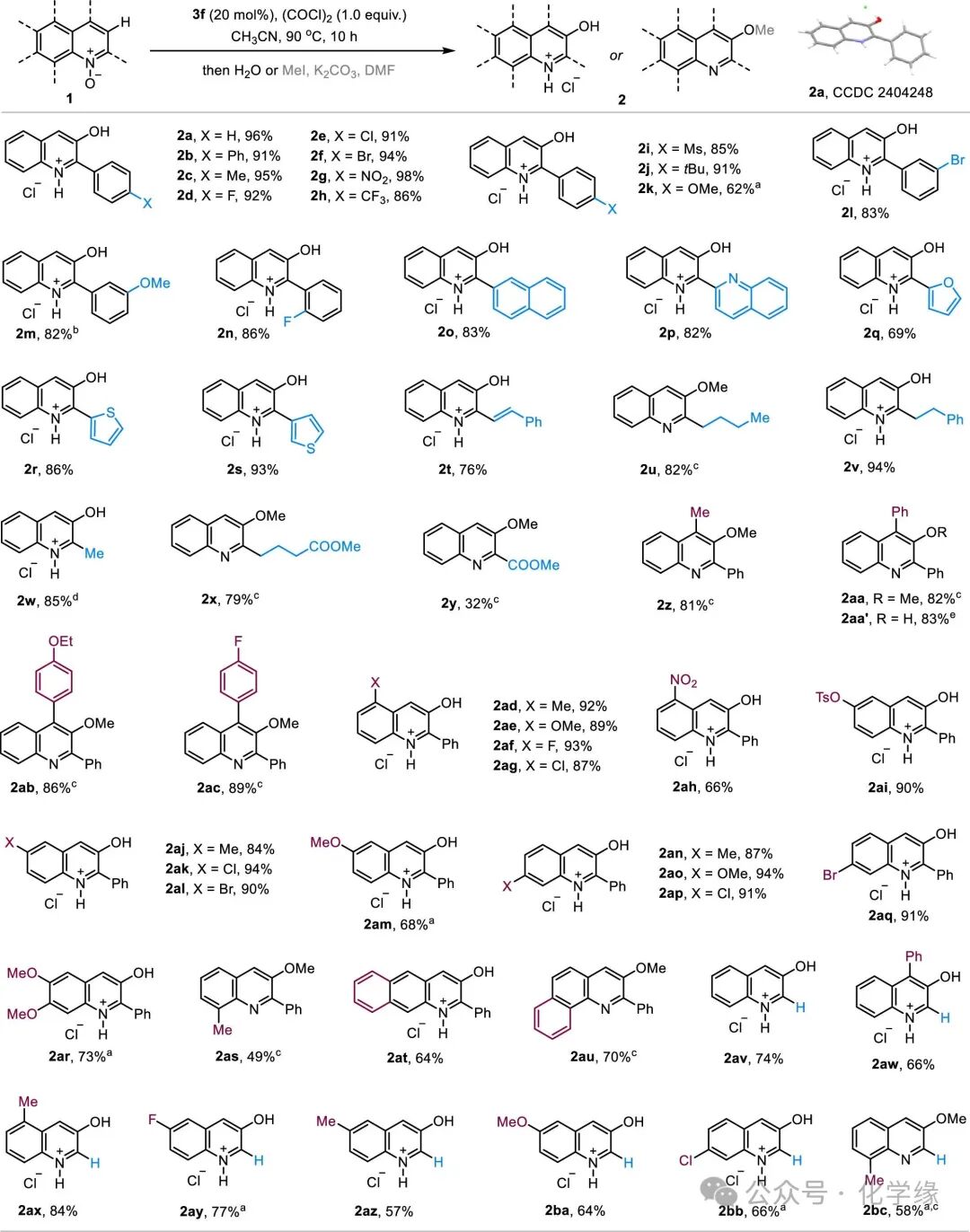
Figure 2 Substrate Scope for Meta Hydroxylation of Quinoline Compounds
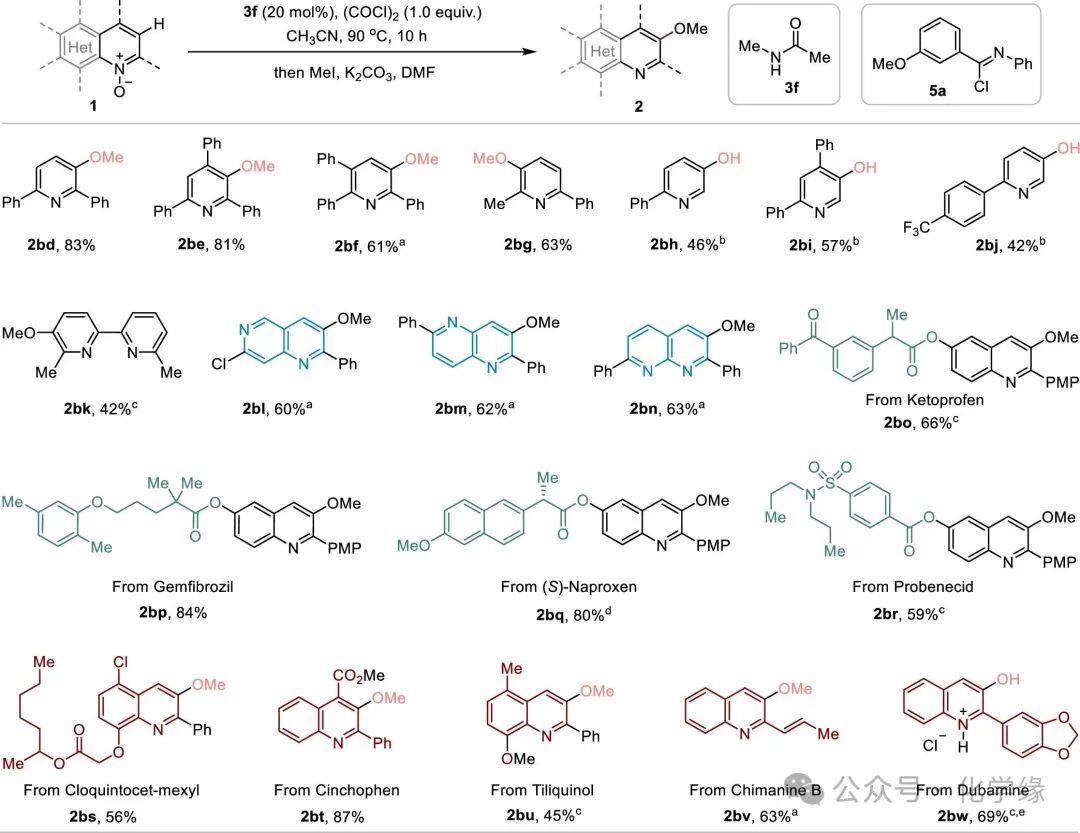
Figure 3 Substrate Scope for Meta Hydroxylation of Other Azaarenes and Quinoline-Based Drugs
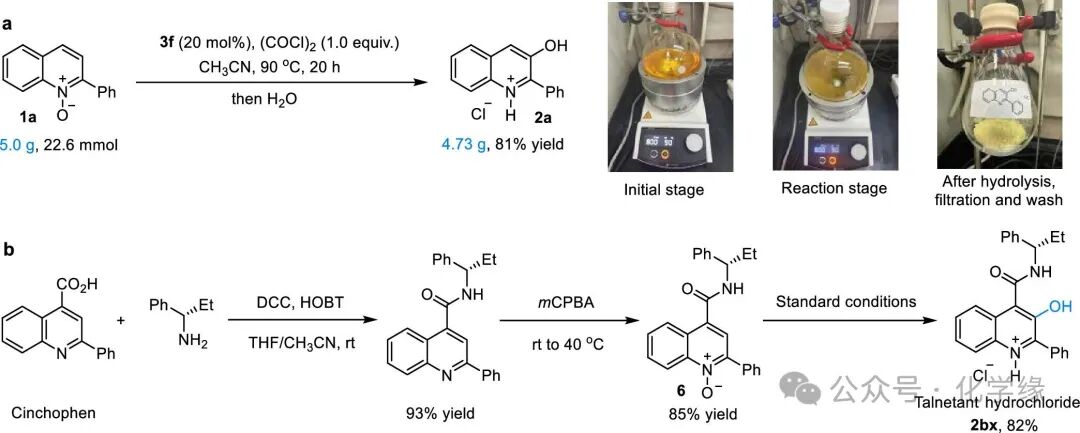
Figure 4 Scale-Up Reactions and Synthetic Applications
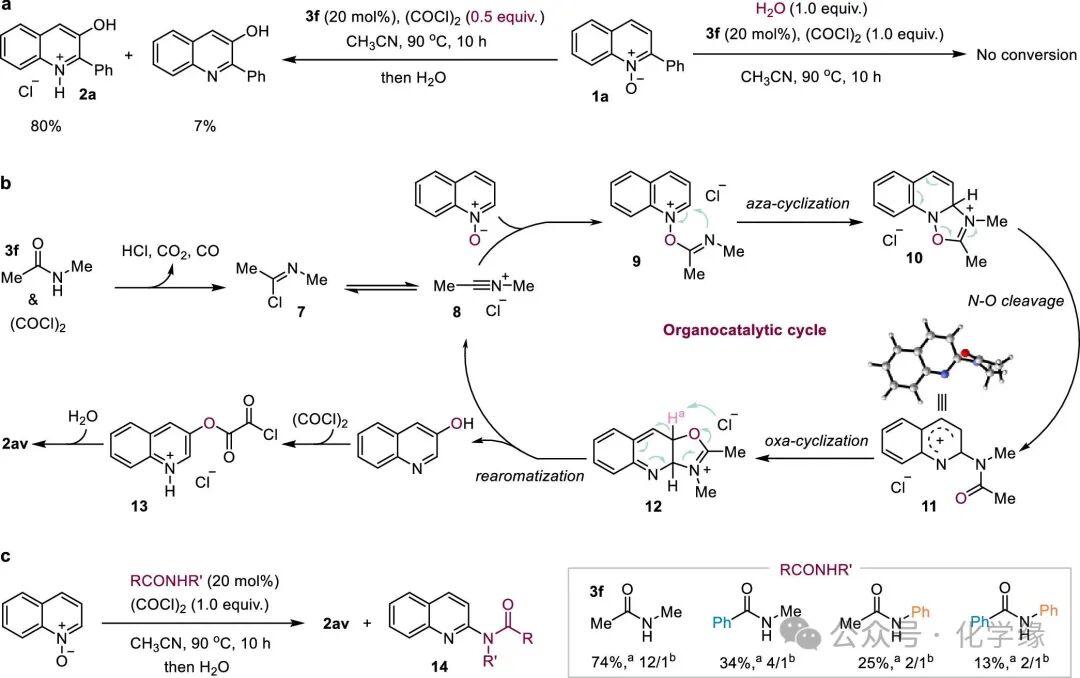
Figure 5 Control Experiments and Possible Catalytic Cycles
Conclusion: An organic catalytic system has been developed that enables highly chemoselective and site-selective hydroxylation of azaarenes. This reaction is initiated by the in situ formation of an active nitrilium ion and proceeds through a sequential 1,3-dipoled addition, stepwise 1,3-oxygen transfer, and re-aromatization processes. Importantly, the use of N-methylacetamide as a catalyst precursor breaks traditional reaction pathways and is key to achieving selective control. These reactions exhibit scalability and stability, utilizing inexpensive catalytic systems, demonstrating a broad substrate scope, and in most cases, do not require column chromatography for purification. The feasibility of this strategy is further validated by its successful implementation in late-stage hydroxylation of drugs and modifications to traditional synthetic routes for specific drugs. This work represents the first example of the application of organic catalysts in the selective C-H hydroxylation of azaarenes.
Article Information:
Organocatalytic meta-C-H Hydroxylation of Azaarene N-Oxides
Zhuo-Chen Li, Di Tian, Zi-Qi Wang, Peng Yuan, Hua Wu*
DOI: 10.1021/jacs.5c07423
We hope this article inspires you, and let us work together for a better future!