The lights at Los Angeles airport were blinding. On that day in 2015, as Zhang Hao stepped out of the boarding gate, FBI agents approached him directly—showing their badges, separating him from his wife, and putting handcuffs on him. Thus, this representative of China’s chip hopes was taken away.
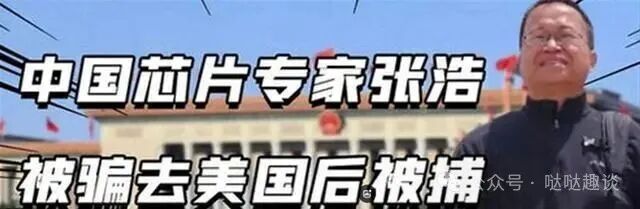
Nine years. A full nine years. A top chip expert went from being a “hope of technology” to a “prisoner”, and now finally returned to his homeland’s laboratory. The span from desolation to rebirth is heart-wrenching.
His name is Zhang Hao, a technological genius from a rural area in Hunan. As a child, he dismantled tape recorders, excelled in high school, and later went on to earn a PhD in electrical engineering from USC. On the day he received his doctorate in 2006, he probably never imagined that the next nine years of his life would be suffocated by a label called “economic espionage”.

The Handcuffs in Los Angeles—The Beginning of a Nightmare
On May 16, 2015, Zhang Hao and his wife had just landed at Los Angeles airport. Before they could even exit the immigration hall, the FBI rushed in, showed their badges, put him in shackles, and took him away. Three days later, the U.S. Department of Justice posted a 32-page indictment online, charging him with “economic espionage” and “theft of trade secrets”.
How ironic it was that year, as he had just helped China’s chip industry achieve a technological breakthrough. The thin-film bulk acoustic wave resonator technology he had spent over a decade researching enabled domestic filters to be mass-produced, directly breaking the long-standing foreign monopoly.

The so-called “secrets” were merely a PowerPoint presentation he downloaded while working in the U.S. Because of this document, he was detained, released on bail, and then re-arrested—trapped in the gray area of a foreign land for nine years.
Technical Counterattack—The Turn of Truth
What is most admirable is that he was not crushed.The team in Tianjin also did not remain silent. They bravely did something bold: they dismantled the chip sold to Apple by that American company. The result was astonishing—it contained the patented technology of Nors (Zhang Hao’s team)!
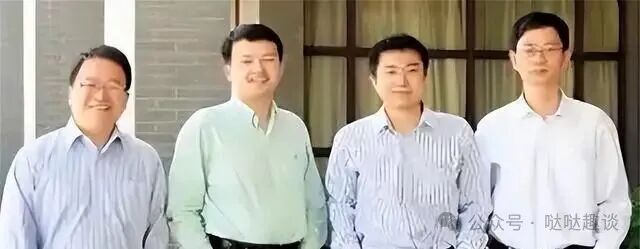
A stunning counterattack!!!
In 2017, they directly sued Apple for infringement in Tianjin court. In no time, multiple lawsuits between China and the U.S. began to unfold, extending from Beijing, Tianjin, to San Jose… Zhang Hao became a “target” caught between technology and politics.
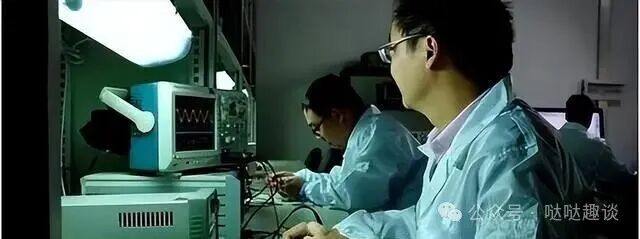
Students raised funds for him, and faculty and students from Tianjin University donated 35 million. The legal team worked tirelessly. In 2019, the U.S. court began hearings. In June 2020, the jury convicted him—18 months in prison + $470,000 fine. Although he did not have to serve time, he was restricted from leaving the country and wore an electronic ankle monitor, which became a symbol of his misunderstanding.
Nine Years of Hell—He Never Stopped
During that time, he reportedly continued to write technical notes every day. He organized experimental data until dawn, and even his “sleep talk” was about calculating frequencies.—A standard engineer’s mindset: speak less, do more.

Meanwhile, the Nors team continued their research and development. In the 5G era, their filters not only filled a gap but were also integrated into domestic smartphones. In a sense, that was his counterattack from afar.
In fact, the most absurd aspect of this case is how power can drag a researcher into a diplomatic storm. The U.S. shouted for “fair competition”—while simultaneously using long-arm jurisdiction to restrict the movement of technical personnel. In contrast, the Chinese research team, despite lacking resources and trust, managed to hold their ground, demonstrating incredible resilience.

The Day He Returned—Back to the Laboratory
On July 3, 2024, Nors signed a settlement agreement with Broadcom (formerly Avago). Patent recognition was established, and the lawsuit was terminated. The next day, Zhang Hao boarded a flight back to his homeland.
In his own words, “The ankle monitor is finally off.”
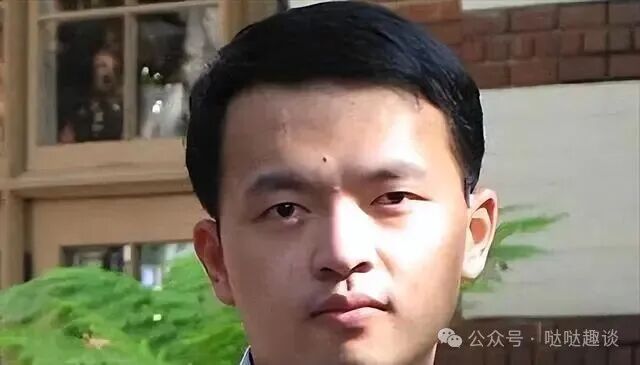
However, he did not hold a press conference or make headlines. On the day he landed, he wore the same gray jacket he had nine years ago, with frayed cuffs, and went straight to the laboratory at Tianjin University. When the instruments buzzed to life, he smiled, a smile filled with the grit of nine years and a hint of stubbornness.
The experimental platform was finally back in his hands.
In Conclusion
Nine years of injustice, one day of vindication. This is not only his personal victory but also a restoration of the collective dignity of Chinese chip makers.
Zhang Hao’s silence conceals the struggles and tenacity of a generation of researchers. Some say he is “the data-driven person in the prisoner’s dilemma of technology”,but he won, with solid evidence.
The question arises: will there be another Zhang Hao? Or rather, can China’s technological environment allow researchers to focus on their work without the constant fear of being labeled as “spies”?
This nine-year storm has ended, but the battlefield for Chinese chips continues.
What do you think? Should someone like Zhang Hao still be called a hero???