Source: Public Account Advanced Manufacturing

 Search WeChat
 Advanced Manufacturing Author | Rayleigh (Institute of Urban Environment, Chinese Academy of Sciences)
The Earth’s water storage is abundant, estimated to be 1.45 billion cubic kilometers, but the amount that can be directly utilized for production and daily life is alarmingly low and unevenly distributed. Currently available freshwater resources mainly come from rivers, lakes, and some groundwater, accounting for only0.26% of the total water volume on Earth, while the rest is mainly distributed in oceans and glaciers. The former is salty and bitter, with high utilization costs; the latter is largely frozen in polar ice caps and permafrost, with87% of freshwater resources being difficult to utilize. Currently, the total population of countries facing severe water shortages worldwide reaches2 billion! As the population continues to grow and climate change progresses, this issue will become even more severe.
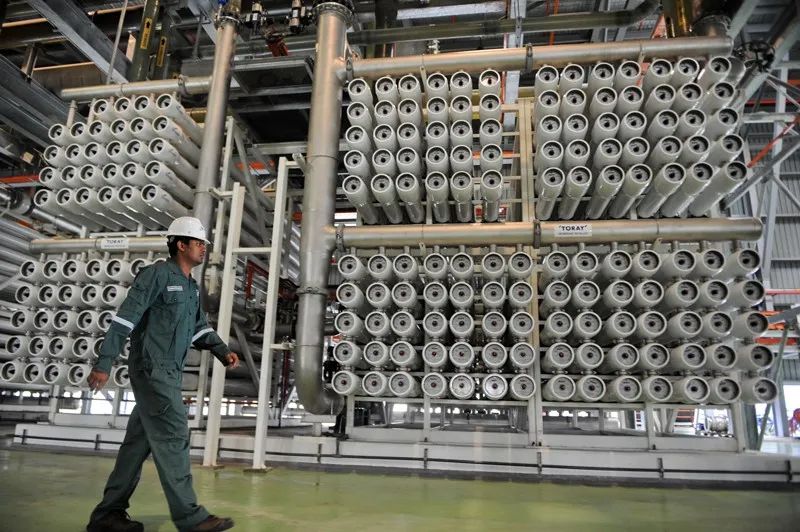
Image Source:Roslan Rahman/AFP/Getty
At the same time, many developing countries, including China, face severe water pollution, often with the coexistence of conventional pollutants and various types of toxic pollutants, posing significant threats to ecosystems and human health, further exacerbating the water shortage dilemma. To protect the ecological environment and human health, many countries are placing high importance on and vigorously developing various water quality testing technologies.
Water quality testing technology is not only an important reference and control means for water pollution control and recycling technology but also a critical tool for evaluating remediation effectiveness or recyclability.
Image Source:Merkushev Vasiliy/Shutterstock.com
Current water quality testing methods include offline (gas phase, liquid phase) chromatography, mass spectrometry, and capillary electrophoresis, which typically can only detect one type of substance. Therefore, if it is necessary to detect toxic substances such as organic pollutants, heavy metals, and harmful pathogens, it is necessary to simultaneously equip large instruments such as atomic absorption, high-performance liquid chromatography, ultra-high-performance liquid chromatography, and inductively coupled plasma mass spectrometry.
These large instruments have high precision, but due to their high costs, complex structures, and large sizes, as well as high operational maintenance requirements, they are difficult to implement and promote in economically backward areas, and they are also a significant burden in developed areas. Thus, for the broad developing countries (especially rural areas), high-performance, low-cost, portable, and online water quality monitoring technologies have more important value and urgent demand.
Technologies currently under development in this area include electrochemical sensors, UV-visible absorption spectroscopy, and evanescent wave fiber sensing methods. Among them, electrochemical sensors are low-cost but have low detection limits and weak anti-interference capabilities, UV absorption spectroscopy responds quickly but can only measure limited types of pollutants, while fiber optic evanescent wave sensing technology (Fiber Optic Evanescent Wave Sensor, abbreviated FOEW) has attracted significant attention due to its relatively low cost, rapid detection, high sensitivity, and strong selectivity.
What is an evanescent wave? When light enters a less dense medium (nr) from a denser medium (n), if the angle of incidence exceeds the threshold, the refracted beam will disappear, and the light will be entirely reflected back. However, at the position of total reflection, an energy field flowing along the direction of the less dense medium is generated, which is the evanescent wave (also known as the disappearing wave). When light transmits through the fiber, the evanescent wave is concentrated on the surface of the fiber core, and its intensity decays exponentially in the direction perpendicular to the interface, with a wave field depth (Dp) ranging from tens of nanometers to micrometers. After stripping the fiber cladding, the evanescent wave field will interact with the substance to be tested, thereby affecting the output light intensity. Its basic structure is shown in the figure below.
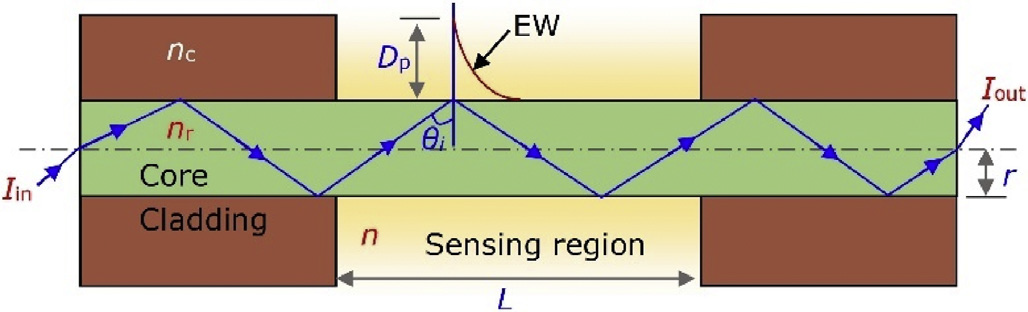
Figure 1 Principle of Fiber Optic Evanescent Wave Field
Image Source:TrAC Trends in Analytical Chemistry Volume 127, June 2020, 115892
To enhance the evanescent wave signal or facilitate sampling, the fiber end can be conveniently bent into a U-shape or processed into a conical shape, or various Bragg fiber grating structures can be made.
Fiber optic evanescent wave sensing technology is based on the interaction between the evanescent wave field and the substance to be tested, and these interaction mechanisms include absorption, fluorescence excitation, surface plasmon resonance, and Raman scattering. Most of these interactions are very weak, and to further enhance sensitivity and improve selectivity, a highly selective specific substance, also known as a probe, is often implanted and fixed on the end face of the fiber evanescent wave field.
The probe will only react with the target substance marked that can be contacted around the detector. Since the evanescent wave depth is very shallow, existing only in a thin layer near the fiber interface, it forms an optical isolation in the detection solution, allowing only the target substance within the thin layer to participate in the reaction. Non-target substances will not be “captured“, thus exhibiting high selectivity.
For example, with a fluorescent probe, when the target substance is “captured” on the fiber surface, the fluorescent group on the target substance is excited by the evanescent wave field to produce fluorescence, part of the fluorescence enters the fiber for conduction, and the light signal is converted into an electrical signal by the signal collector. After data processing, information about the target substance can be obtained, while the probability of free non-target substances in the sample being “captured” and excited is very low. These characteristics not only significantly reduce interference but also avoid cumbersome pre-treatment of samples, greatly shortening detection time, which is very beneficial for water body environment detection with various mixtures.
By implanting different fluorescent probes on the fiber end face, different types of pollutants can be detected. Interestingly, different probes can be implanted at different positions on the fiber, “串联” different functional probes with one fiber to detect multiple pollutants, as shown in the figure below.
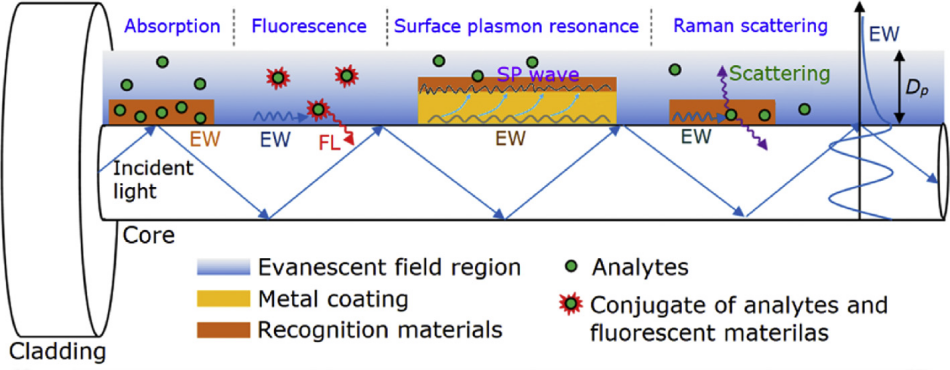 Figure 2 Schematic Diagram of Multi-Probe Series StructureImage Source:TrAC Trends in Analytical Chemistry Volume 127, June 2020, 115892Detection of Heavy Metal Ions in Water Quality
Heavy metal ions such as mercury, lead, chromium, and cadmium in drinking water are well known for their health hazards, being the culprits of various cancers and brain damage. FOEW has significant advantages in the detection of heavy metal ion pollutants, making it one of the research hotspots both domestically and internationally.
The following figure shows an example of mercury ion detection, where the light source is an ordinary LED or semiconductor laser, and the detector is a micro-spectrometer, with the fiber being a multimode bifurcated fiber (Figure 3b). A modified quantum dot probe is implanted on the fiber end face (Figure 3a), and excitation light is passed through the fiber. If there are no mercury ions nearby, quantum dot fluorescence can be detected at the detection end.
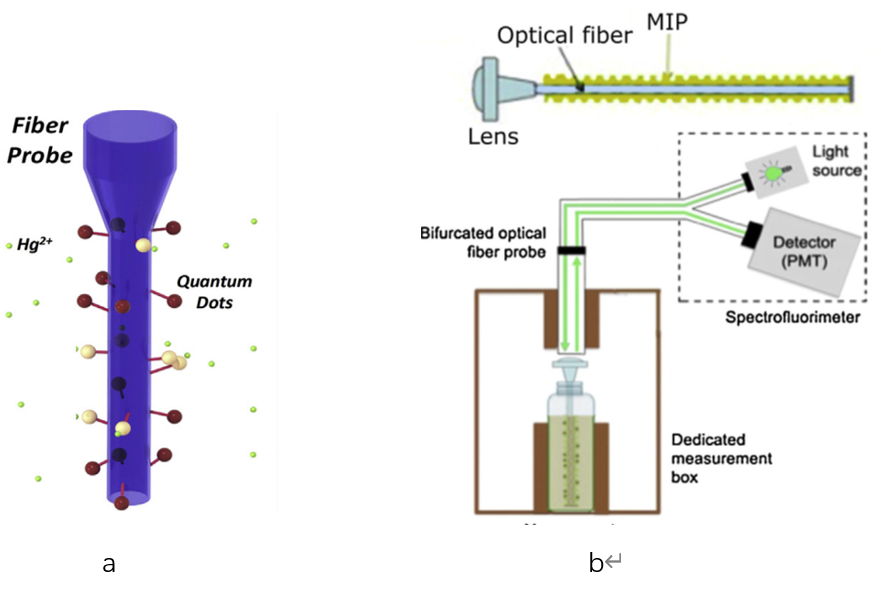 Figure 3 Schematic Diagram of FOEW Detection of Heavy Metal Ions
Image Source:TrAC Trends in Analytical Chemistry Volume 127, June 2020, 115892
If mercury ions “pass by” near the probe, they will be quickly “captured” by the probe, forming a complex under the action of ionic bonds, causing the fluorescence to gradually quench. If mercury ions directly “hit” the quantum dot material, they will directly transfer electrons in the quantum dot conduction band, preventing electrons from recombining with holes, resulting in rapid fluorescence quenching. Both actions will weaken the fluorescence intensity of the probe; the higher the concentration of mercury ions, the weaker the fluorescence intensity. Thus, by detecting the changes in fluorescence signals before and after, qualitative and quantitative analysis of mercury ions can be performed, and the detection limit for mercury ions with this approach can reach 1nM, with a response time reduced to 3 minutes. If the specific probe is replaced with thymine-rich DNA material, sensitivity and selectivity will be higher. If using DNAzyme core materials, the detection limit for lead ions (Pb2+) in water can reach 1nM, with a response time of only 5 minutes, while keeping the hardware essentially unchanged.Detection of VOCs in Water Quality
Volatile organic compounds (VOCs) in water bodies are ubiquitous and pose significant environmental impacts, with complex compositions and minimal content. Many components have carcinogenic, teratogenic, and mutagenic properties, some even have genotoxicity, leading to abnormal “feminization” development, posing serious threats to environmental safety and human reproduction.
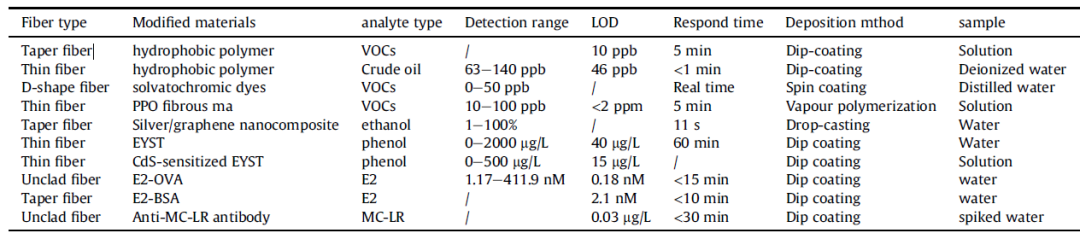
Currently, people still rely on expensive gas chromatography and mass spectrometry to conduct VOCs detection, but advances in FOEW technology have brought new hope. Currently, FOEW sensors made from conical hydrophobic polymer fibers and D-type fibers containing fluorescent dyes can detect trace VOC components in water within 5 minutes, with detection limits reaching 10ppb, which traditional gas chromatography-mass spectrometry (GCMS) and liquid chromatography-mass spectrometry (LCMS) cannot achieve.
The table below summarizes the current detection limits and response times achievable by this technology.
 Detection of Pathogenic Microorganisms in Water Quality
Pathogenic microorganisms in water bodies, such as E. coli, Salmonella, and Listeria, are the most common pathogens, widely present in surface drinking water sources, causing many gastrointestinal diseases, and in severe cases, even death.
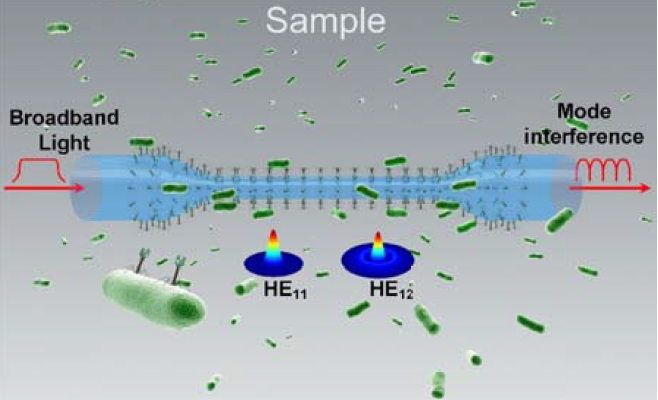 Figure 4 FOEW Detection of E. coliImage Source:TrAC Trends in Analytical Chemistry Volume 127, June 2020, 115892
FOEW technology has made significant progress in detecting pathogenic microorganisms. As early as 2011, the detection limit of FOEW sensors based on 280nm light absorption for E. coli reached 1000 cfu/mL. In 2018, this technology was further improved (as shown in the above figure), by preparing special fiber cones and sub-wavelength fiber cores to excite and transmit multiple evanescent wave fields in the fiber. When E. coli lands within the sensing range of the evanescent wave field, the spectral peak will shift slightly; the more E. coli present, the greater the shift. By detecting the degree of spectral movement, the number of pathogens can be quickly assessed. This method is highly sensitive, has strong anti-interference capability, is easy to operate, and is cost-effective, showing great practical prospects.
Fiber optic technology has advantages of electromagnetic interference resistance, fast response, small size, easy installation, and relatively low cost, while chemical probes can effectively enhance selectivity and sensitivity. FOEW sensing technology is a perfect combination of fiber optic technology and chemical probes, significantly enhancing the applicability of this technology in environmental water body detection.In the future, FOEW sensors will continue to develop towards miniaturization, integration, and automation, with huge application prospects in water monitoring.
References
[1] Jiao, L., Zhong, N., Zhao, X., et al. (2020). Recent advances in fiberoptic Evanescent wave sensors for monitoring organic and inorganic pollutants in water. Trends in Analytical Chemistry 127. doi: 10.1016/j.trac.2020.115892
[2] Li, Y., Ma, H., Gan, L., Gong, A., et al. (2018). Selective and sensitive Escherichia coli detection based on a T4 bacteriophage immobilized multimode microfiber. Journal of Biophotonics 11(9). doi:10.1002/jbio.201800012
[3] Ibrahim, S. A., Ridzwan, A. H., Mansoor, A., & Dambul, K. D. (2016). Tapered optical fibre coated with chitosan for lead (II) ion sensing. Electronics Letters 52; 1049-1050. doi:10./1049/el.2016.0762 Welcome to submit results promotional articles
Reprint/Cooperation/Research Group Submission, please add WeChat:447882024
Step into the new issue
Open Call for Papers:Light: Advanced Manufacturing
ISSN 2689-9620
Journal Website:www.light-am.com

Stay tuned
New Journal:eLightISSN 2662-8643
Coming Soon


If you find it helpful, sharing it with friends is the greatest recognition for us 
 [Changchun Optical Institute Light Academic Publishing Center]
☞ Edited by: Zhao Yang☞ Source: LAMDisclaimer: If there are copyright issues with the videos, images, and texts used in this article, please inform us immediately. We will confirm the copyright based on the materials you provide and pay remuneration according to national standards or delete it immediately. Email: [email protected]Share with friends, and quickly light up “Looking”