News Highlights
I was recently impressed by a piece of news about Mobileye’s new autonomous driving chip, EyeQ Ultra!
As a long-time follower of the tech industry, I can’t help but marvel at how competitive the autonomous driving field has become!
This time, Intel’s Mobileye has chosen to use the RISC-V architecture to compete against NVIDIA, and it seems quite confident, claiming that it can achieve L4-level autonomous driving with less computing power and lower energy consumption.
This is truly a case of “the weak defeating the strong” in the chip industry!
Architecture Analysis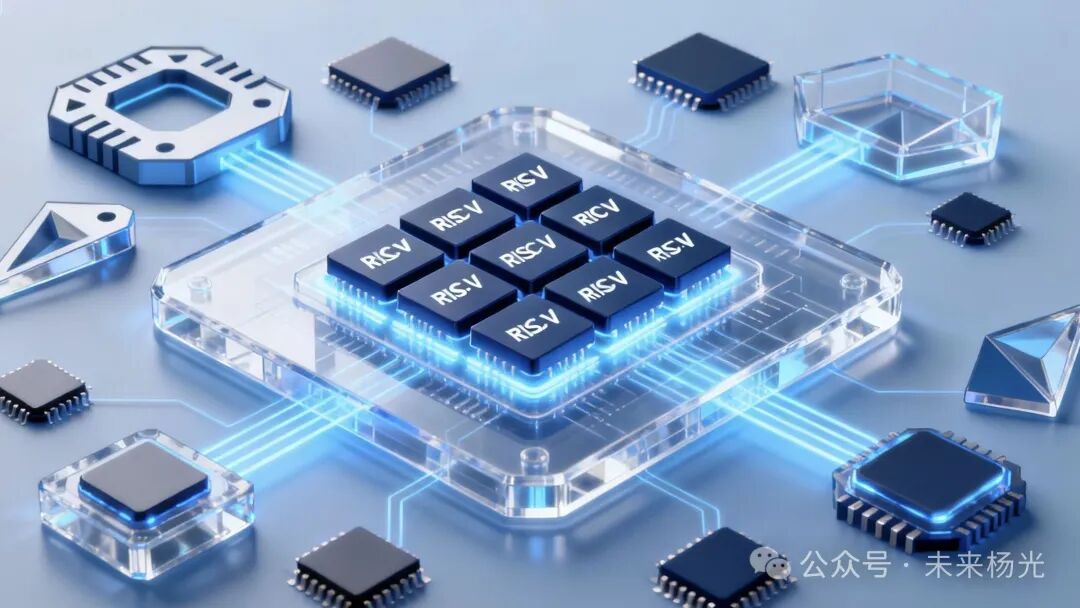
First of all, the architecture design of the EyeQ Ultra is particularly interesting.
Mobileye has adopted 12 RISC-V CPU cores, along with ARM’s GPU and DSP, complemented by their own developed dedicated accelerators.
What surprised me the most is that they claim to need only 176 TOPS of computing power to achieve L4-level autonomous driving.
To put this in perspective, NVIDIA’s Atlan is said to have over 1000 TOPS!
The gap is just too large!
Strategy Comparison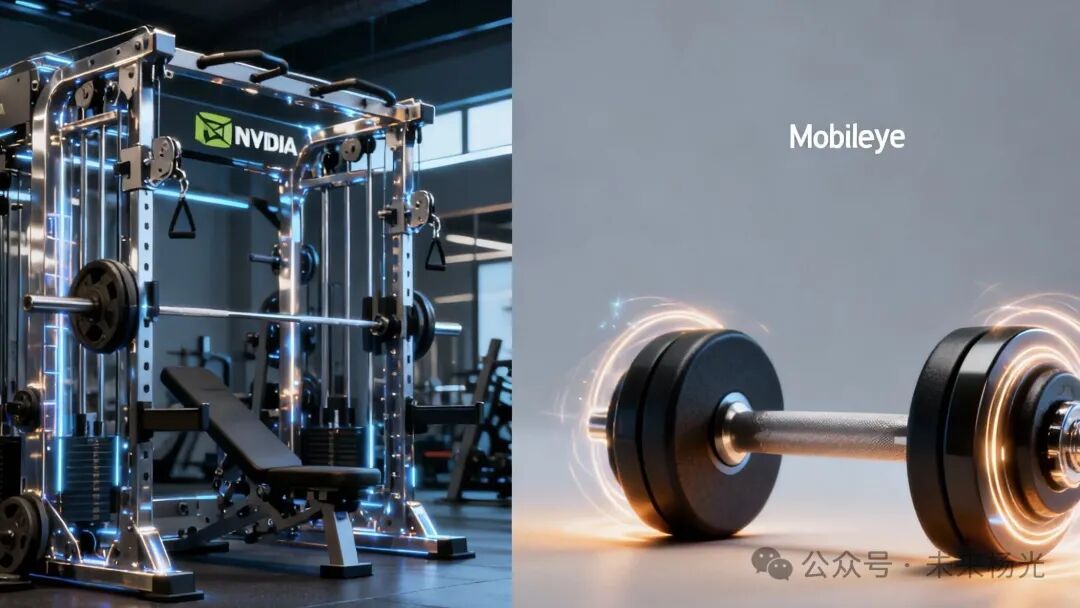
This is like two people going to the gym, one using the most advanced full set of equipment, while the other only brings a few custom dumbbells, yet they can achieve similar results.
Mobileye’s approach is very clear: rather than using a big hammer to hit all nails, it is better to customize the most suitable tool for each type of nail.
Their strategy of using dedicated accelerators reminds me of Apple’s Neural Engine, which is also a model of using dedicated chips to enhance AI efficiency.
Commercial Value
From a business perspective, this approach is particularly smart.
Automakers are all worried about the costs of autonomous driving technology; if Mobileye can truly achieve the same functionality at a lower cost and power consumption, it will definitely win the market.
Imagine, for the same L4 autonomous driving, one solution requires liquid cooling, while the other only needs a simple heat sink, which one would you choose?
Definitely the latter!
Technical Route Flexibility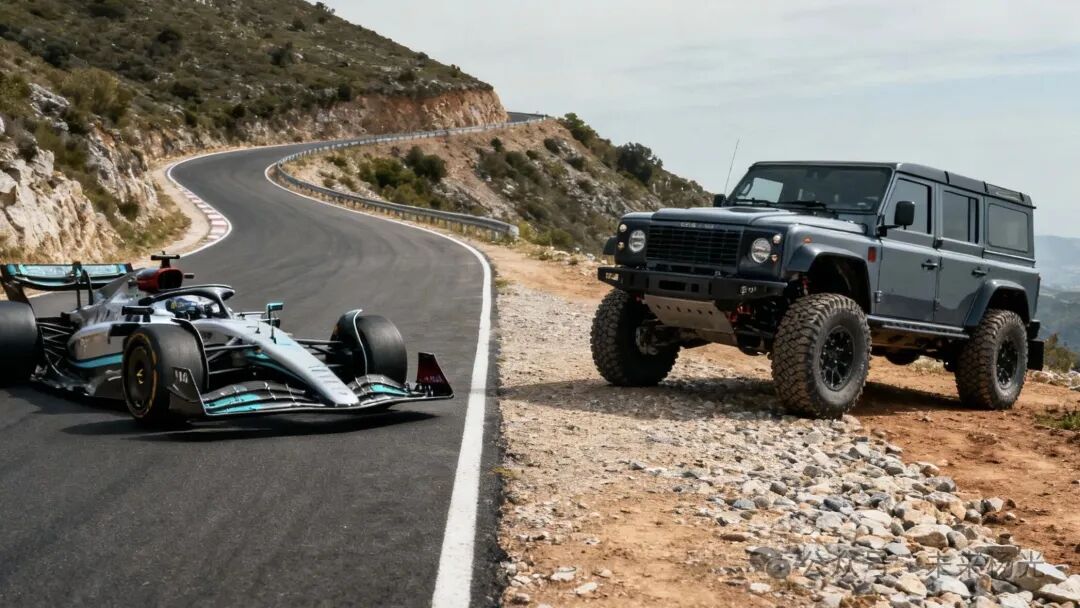
However, this specialized approach also has its concerns.
Although NVIDIA’s solution is “big and powerful,” it offers greater flexibility, allowing for software updates to address new challenges and algorithms at any time.
On the other hand, Mobileye’s highly specialized design may become passive if the technical route of autonomous driving changes.
This is like comparing a “race car” and a “multi-functional off-road vehicle”; on a specific track, the race car is definitely faster, but when faced with unknown terrain, the off-road vehicle may adapt better.
Mass Production Plan
Another noteworthy point is that Mobileye has chosen a 5nm process, with mass production expected in 2025, hitting the timing just right.
By then, autonomous driving technology should be relatively mature, marking a critical moment for transitioning from the lab to large-scale commercial use.
If they can provide a solution that is more competitive in terms of cost and power consumption during this time window, they are likely to seize the opportunity.
Consumer Impact
For us ordinary consumers, the result of this technological competition means that autonomous vehicles may enter our lives faster and at more affordable prices.
Just think, if the cost of autonomous driving systems can be halved, ordinary family cars might also be able to use this technology, rather than just being a privilege of high-end models.
Domestic Industry Outlook
Honestly, seeing the fierce competition among international giants in this field, I am particularly looking forward to domestic chip manufacturers making breakthroughs in autonomous driving chips.
After all, China has the largest automotive market in the world; mastering the core technology of autonomous driving chips would be a tremendous boost for the upgrade of our automotive industry.
Do you think Mobileye’s “small but refined” technical route can defeat NVIDIA’s “big and comprehensive” approach? Which technical route do you think future autonomous vehicles will lean towards? Feel free to share your views in the comments!