Click the blue text to follow us
With the advancement of technology,3D printing materials are widely used in the design of automotive components (such as chassis, interiors, body outer covers, etc.), effectively shortening the automotive development cycle and reducing costs.
Using 3D printing technology allows for customized vehicles, making it possible to personalize automotive parts, which is difficult to achieve with other molding processes, presenting broad application prospects in the automotive field.
3D printing technology can achieve complex structural shapes, breaking through the limitations of traditional manufacturing processes; it improves production efficiency, enables rapid prototyping, reduces mold development time and costs; it has lightweight advantages, reducing vehicle weight and energy consumption; 3D printing materials are recyclable, minimizing resource waste.
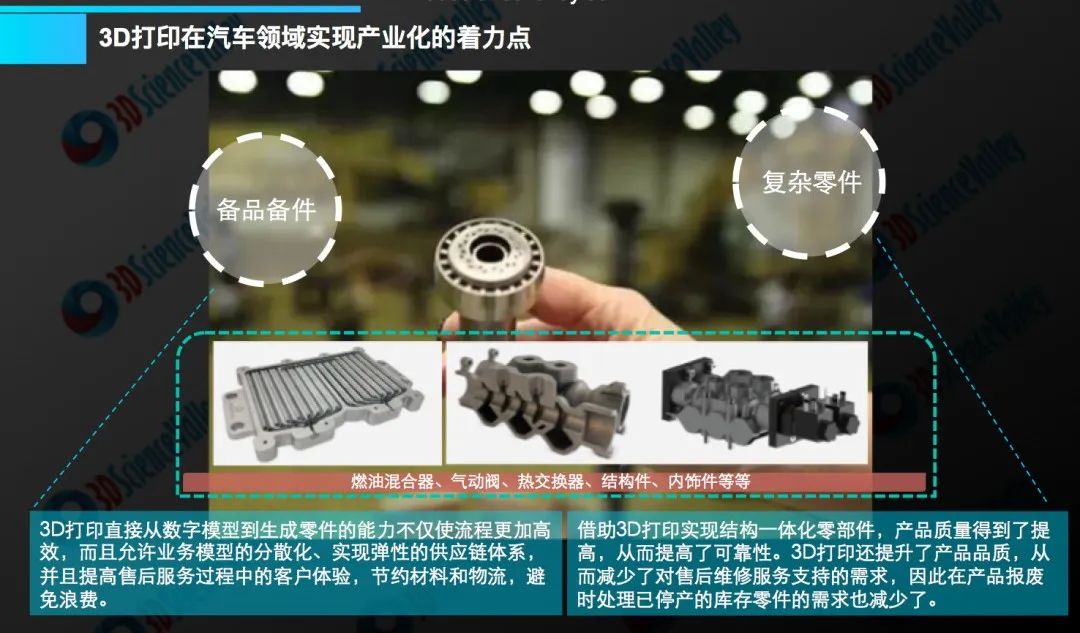
Image source: 3D Science Valley
3D printing technology is based on three-dimensional mathematical model data, manufacturing solid components by selectively binding materials layer by layer. However, the development of consumables used in 3D printing technology is slow, and there are very few environmentally friendly materials available.
1. Metal Materials
The metal materials for 3D printing are mainly divided into metal wire and metal powder. Metal wire materials are primarily concentrated in stainless steel, titanium, aluminum, etc., but have single performance, while copper, gold, nickel, etc., are still in the research and trial stage due to high costs. Compared to the singularity of wire materials, metal powder materials can be mixed in proportions according to requirements, resulting in components that better meet process requirements.
The main issues with metal wire materials are their limited variety and poor applicability; the problems with metal powder materials include low forming accuracy, low surface smoothness, and poor quality, and they pose significant health risks during printing, mainly due to heavy metal contamination and dust pollution. Currently, the focus of research on metal materials for 3D printing is primarily on metal powders.
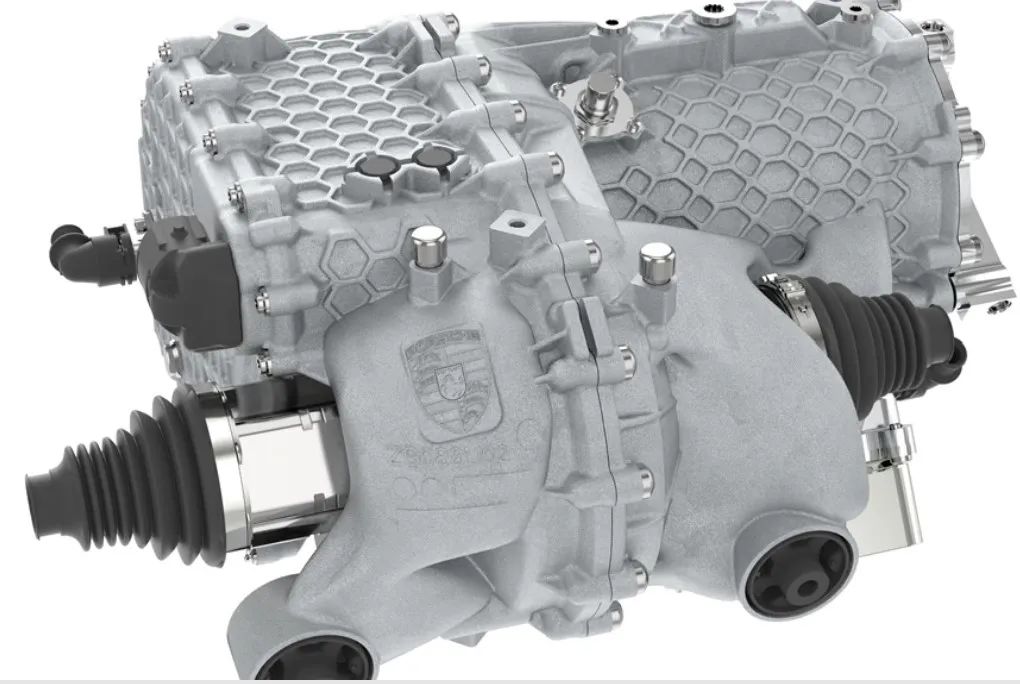
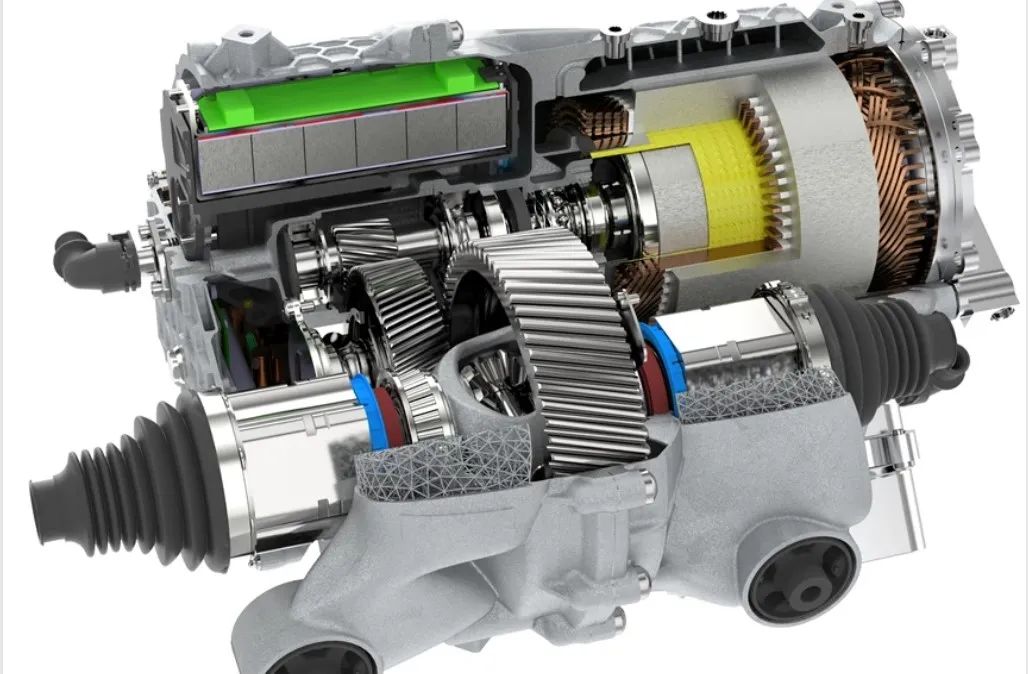 △ The prototype electric drive motor casing of Porsche is made from selectively laser melted aluminum alloy. Image source: Porsche
2. Polymer Materials
2.1 Polylactic Acid (PLA)
PLA is characterized by being environmentally friendly, having strong toughness, easy molding, and excellent biocompatibility. It is biodegradable, eco-friendly, and has high printing accuracy, commonly used in education and creative design.
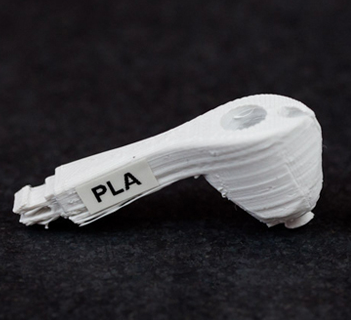
Image source: Fictiv
2.2 Carbon Fiber Reinforced Polyamide (PA) Composites
Nylon (PA) materials have excellent thermal stability, mechanical properties, high fluidity, low static electricity, low water absorption, and moderate melting points. The fatigue resistance and toughness of PA can also meet the needs of parts requiring high mechanical performance. PA powder materials can achieve high dimensional accuracy and excellent mechanical properties through 3D printing sintering.
2.3 Acrylonitrile-Butadiene-Styrene (ABS)
ABS resin contains carbon-carbon double bonds, making it prone to degradation. It has high strength, good toughness, and can be machined, but attention must be paid to printing temperature and environment.
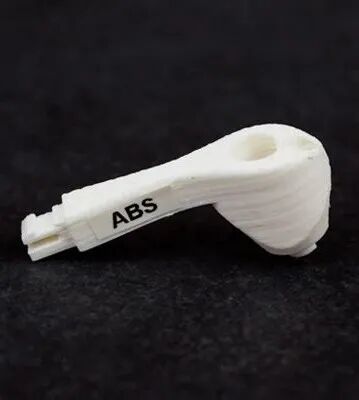
Image source: Fictiv
2.4 Photopolymer Resins are suitable for photopolymerization and material jetting technologies, curing quickly, and are commonly used for making fine models and transparent or translucent parts.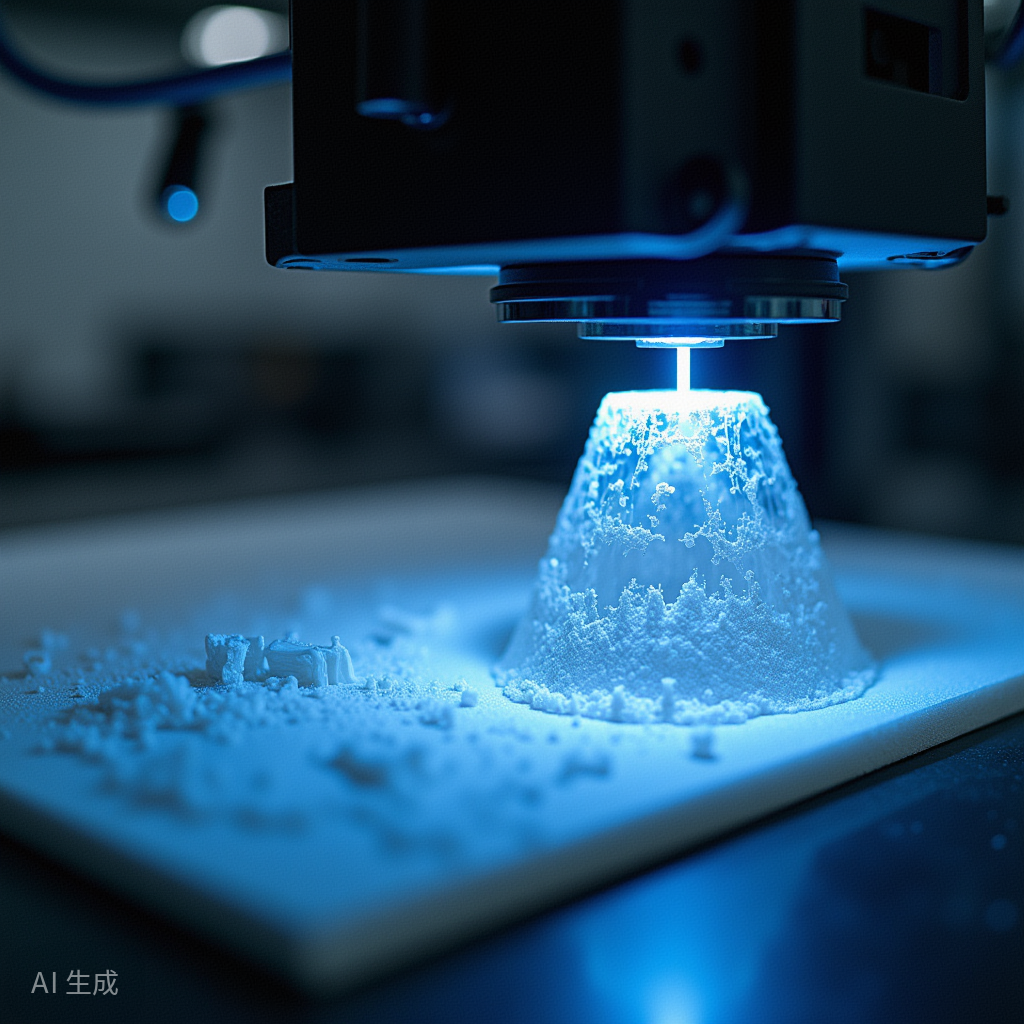
2.5 PEEK and Other Materials
Using lightweight, high-strength polymers to replace some metals to meet automotive lightweight requirements has become one of the research hotspots. Polyether ether ketone (PEEK) has excellent mechanical properties, good chemical resistance, and outstanding biocompatibility, and exhibits low creep rates, low friction coefficients, and low wear rates at higher temperatures, making it suitable for manufacturing mechanical parts.
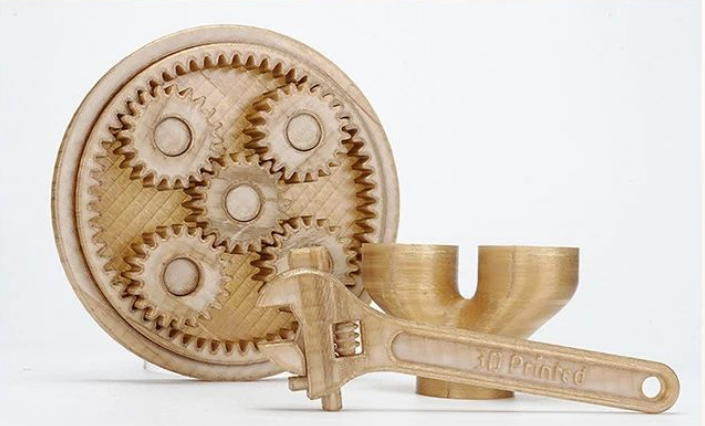
Image source: Sanlv
3. Examples of Product Applications in the Automotive Industry
With the advancement of metal additive manufacturing technology, it shows a forward-looking trend in the automotive field:multi-material integration, large-size component integrated forming, AI-driven production optimization, sustainable manufacturing practices, and new material development, collectively driving automotive manufacturing towardsintelligence, lightweighting, and greening upgrades.
01
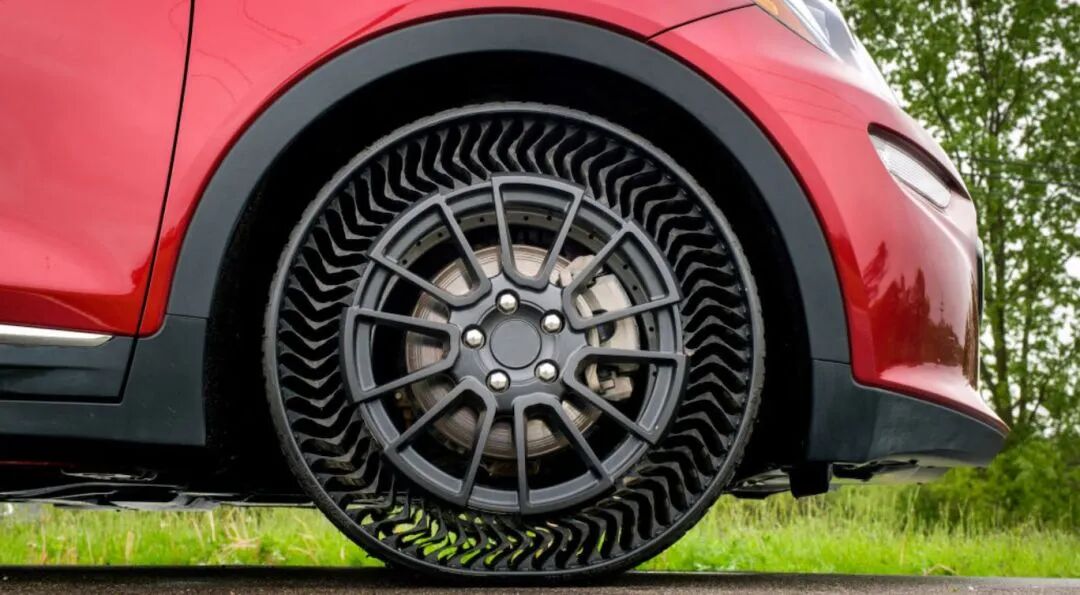
The Tire Revolution: Michelin’s Uptis airless puncture-proof tire reduces rubber usage by 20% through a 3D printed composite structure + eliminates the risk of blowouts.
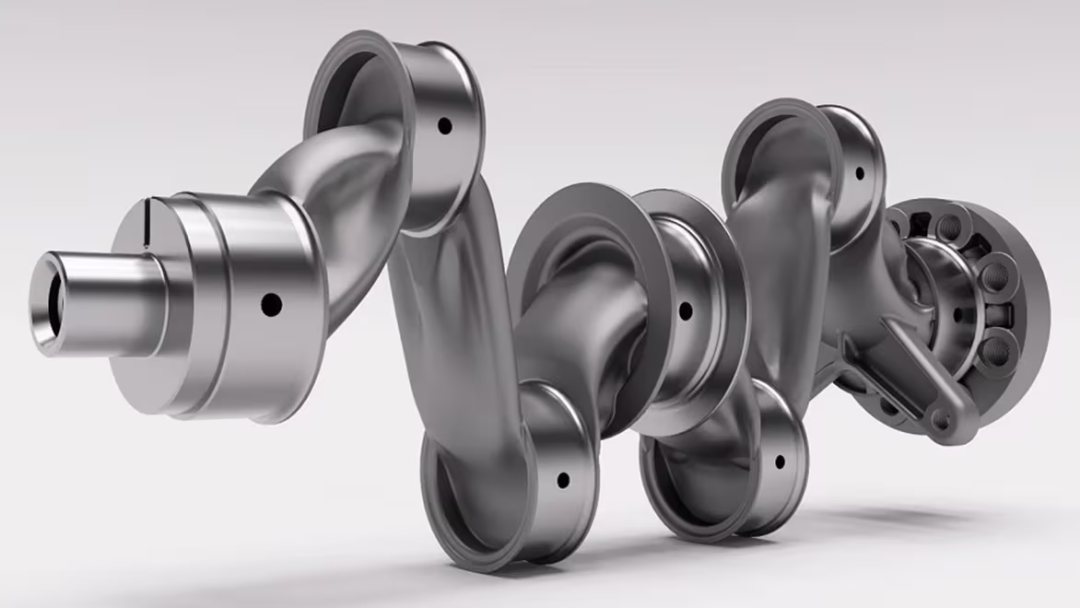
Lightweight 3D Printed Crankshaft: Honda successfully reduced weight by 30% and improved fuel efficiency, reduced emissions, and strengthened power transmission and part lifespan through 3D printed engine crankshafts.
02
03
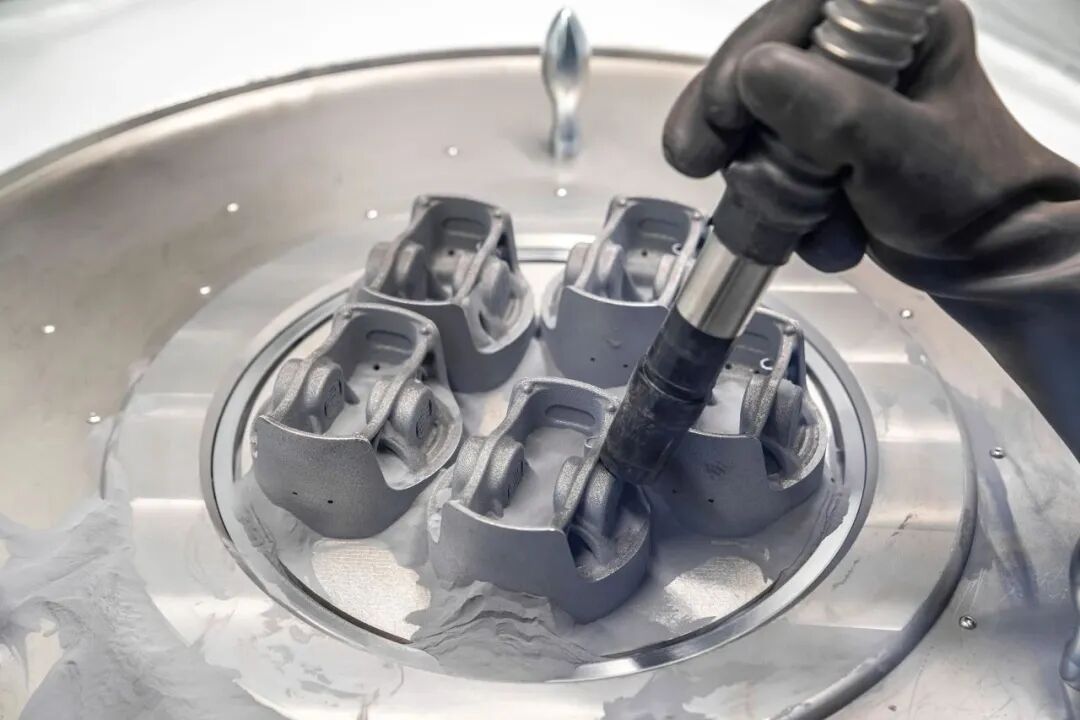
3D Printed Engine Pistons: Porsche uses 3D printed aluminum alloy to manufacture engine pistons, optimizing this critical engine component to be 10% lighter than traditionally manufactured pistons.
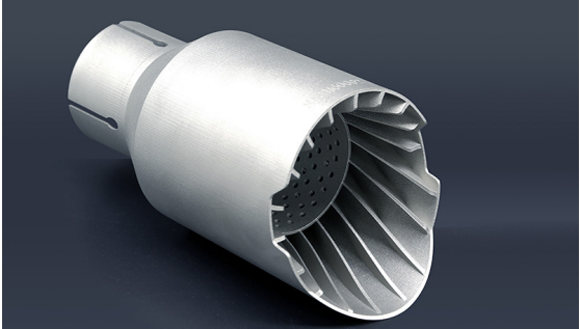
Mustang Exhaust System: Ford integrates three independent components of the Mustang exhaust system (connecting rod, pressure chamber, exhaust pipe) into a single component using metal 3D printing technology, optimizing the sound effect, achieving a 67% weight reduction, reducing exhaust back pressure, and enhancing engine power output and load adaptability.
04
4. Challenges and Advantages of 3D Printing Materials in the Automotive Field
The challenges of applying 3D printing materials in the automotive field mainly include material performance and production costs. Currently, most 3D printing is done through manually preset trajectories and models, belonging to a semi-automatic printing mode. In the future, the cost of printing materials and equipment must also be considered to expand the everyday use of 3D printing materials.
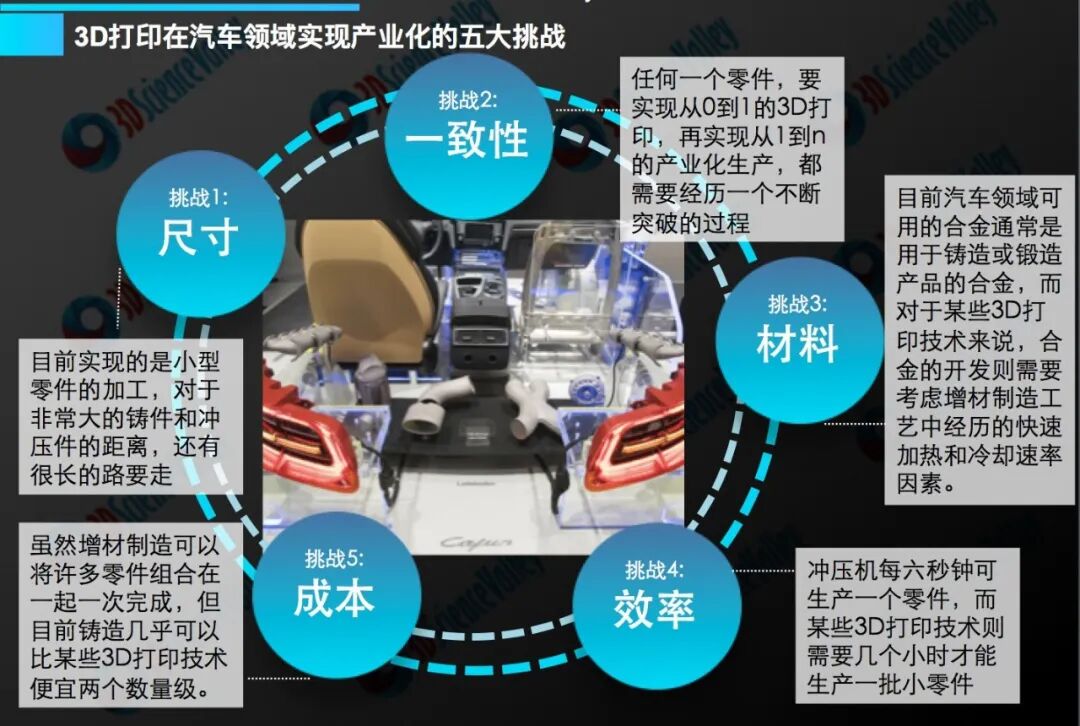
Image source: 3D Science Valley
The future development trend is to develop new 3D printing materials with higher performance and lower costs, improve printing speed, accuracy, and scalability, promote cross-field cooperation, and improve standards and industrial chains. This technology will develop towards material diversification, scale intensification, and cost reduction in the automotive field. In the automotive sector, combining 3D printing technology with vacuum injection molding, low-pressure injection molding processes, and AI technology will simplify the printing process, resulting in parts with better, more stable performance and higher efficiency.
5. Conclusion
The application prospects of 3D printing technology in the automotive field are broad: it can achieve complex structural shapes, breaking through the limitations of traditional manufacturing processes; it improves production efficiency, enables rapid prototyping, and reduces mold development time and costs; it has lightweight advantages, reducing vehicle weight and energy consumption; however, currently, 3D printing technology still faces issues such as limited material variety and high production costs.
Therefore, this technology will develop towards material diversification, scale intensification, and cost reduction in the automotive field. Combining 3D printing technology with vacuum injection molding, low-pressure injection molding processes, and AI technology will result in automotive parts with better and more stable performance.
Disclaimer: Content sourced from Deng Liping’s “Applications of 3D Printing Materials in the Automotive Field”, 3D Science Valley, Keheng 3D Printing, Aibang Polymer and other publicly available information, if there are any source attribution errors or infringement of your rights, please contact us promptly, and we will correct or delete it in a timely manner, thank you..