 The latest report from the McKinsey Global Institute, “Agents, Robots, and Us: Skill Partnerships in the Age of AI,” provides profound insights. This report explores core concepts such as:Skill Partnerships, Task Decomposition, AI Collaboration Models, Enhanced Task Chains, Task Automation Potential, Skill Reconstruction, Workflow Redesign, AI Division of Labor Models, Human-Machine Hybrid Work Models and other key ideas. It presents preliminary viewpoints on how agents, artificial intelligence, robots, and humans can coexist harmoniously. The McKinsey Global Institute believes that the future of work will be a collaboration between humans, agents, and robots—all driven by artificial intelligence. While current public debates mostly revolve around whether AI will lead to mass unemployment, McKinsey‘s focus is on how it will change the fundamental elements of work—the skills that underpin productivity and growth. McKinsey’s research indicates that while people may be reassigned from certain work activities, many of their skills remain crucial. They will also become core roles in guiding and collaborating with AI, a shift that has already redefined many roles in the economy.
In this study, McKinsey uses the terms “agents” and “robots” broadly and practically to describe all machines capable of automating non-physical and physical work. Many different technologies perform these functions, some based on AI and some not, with fluid and evolving boundaries between them. Using these terms in such a broad manner allows McKinsey to analyze how automation as a whole is reshaping its operations.
This report builds on McKinsey’s long-standing research on automation and the future of work. Earlier studies focused on individual activities, while this analysis also explores how AI will change entire workflows and what this means for skills. New forms of collaboration are emerging, creating skill partnerships between humans and AI, increasing the demand for complementary human capabilities.
Although the analysis focuses on the United States, many of the patterns revealed and their implications for employers, workers, and leaders are broadly applicable to other developed economies.
McKinsey finds that currently validated technologies could theoretically automate activities that account for about 57% of working hours in the U.S. This estimate reflects the technological potential for changing human behavior rather than predictions of unemployment. As these technologies take on more complex sequences of tasks, humans will continue to play a key role in ensuring they work efficiently and completing tasks that machines cannot. McKinsey’s assessment reflects today’s capabilities, which will continue to evolve and may take decades to adopt.
AI will not render most human skills obsolete, but it will change how they are used. McKinsey estimates that over 70% of today’s skills can be applied to both automatable and non-automatable work. As AI handles more common tasks, people will apply their skills in new environments. For example, employees will spend less time preparing documents and conducting basic research, and more time on problem-solving and interpreting results. Employers may increasingly value skills that add value to AI.
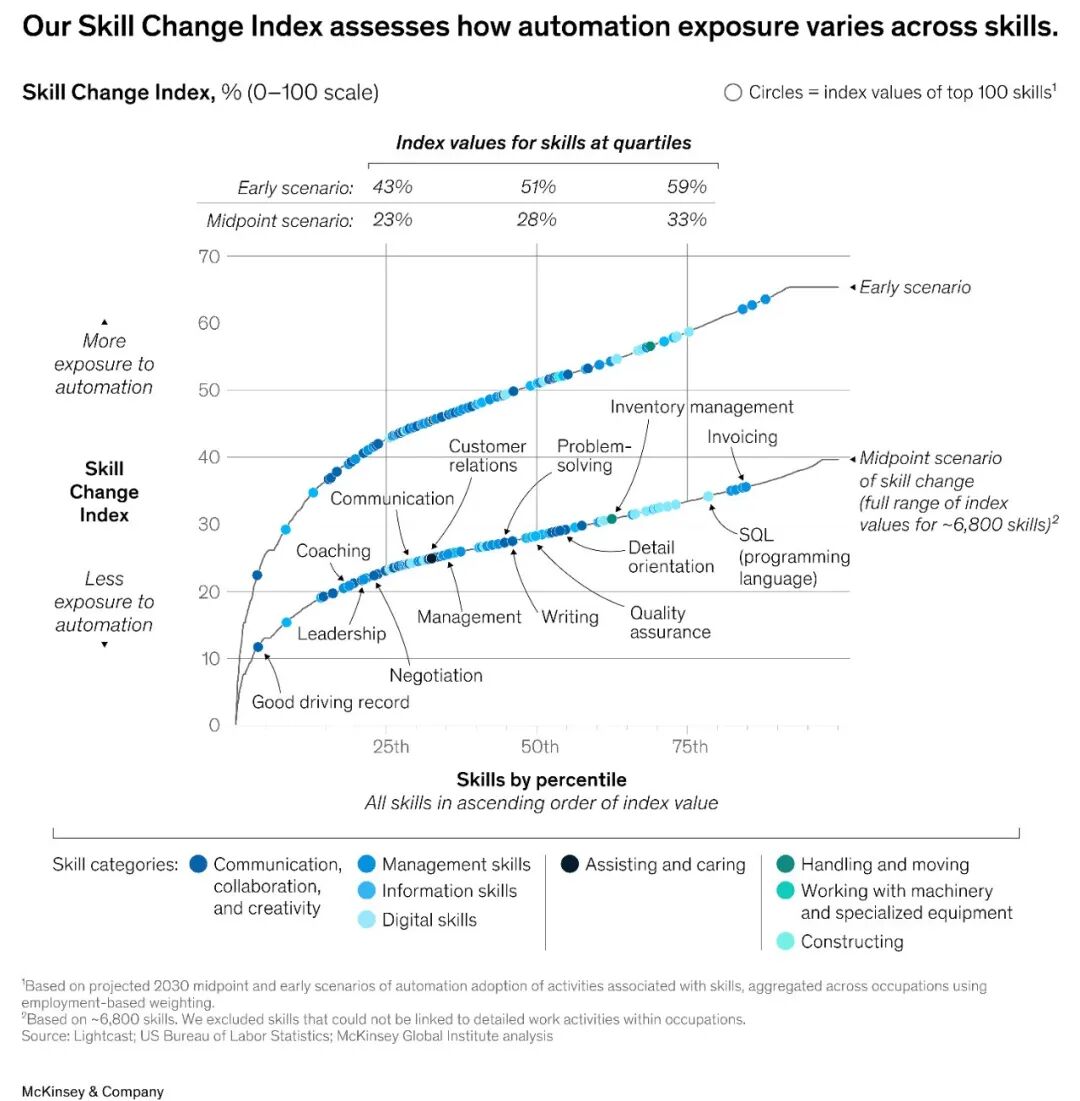
To measure the evolution of skills, McKinsey developed the Skill Change Index (SCI), a time-weighted metric that measures the potential impact of automation on each skill in today’s workforce. By 2030, nearly all occupations will experience skill shifts. Highly specialized, automatable skills, such as accounting and coding, may face the greatest impact, while interpersonal skills like negotiation and coaching will change the least. Most other skills, including broadly applicable problem-solving and communication abilities, may gradually evolve with the increasing collaboration with agents and robots.
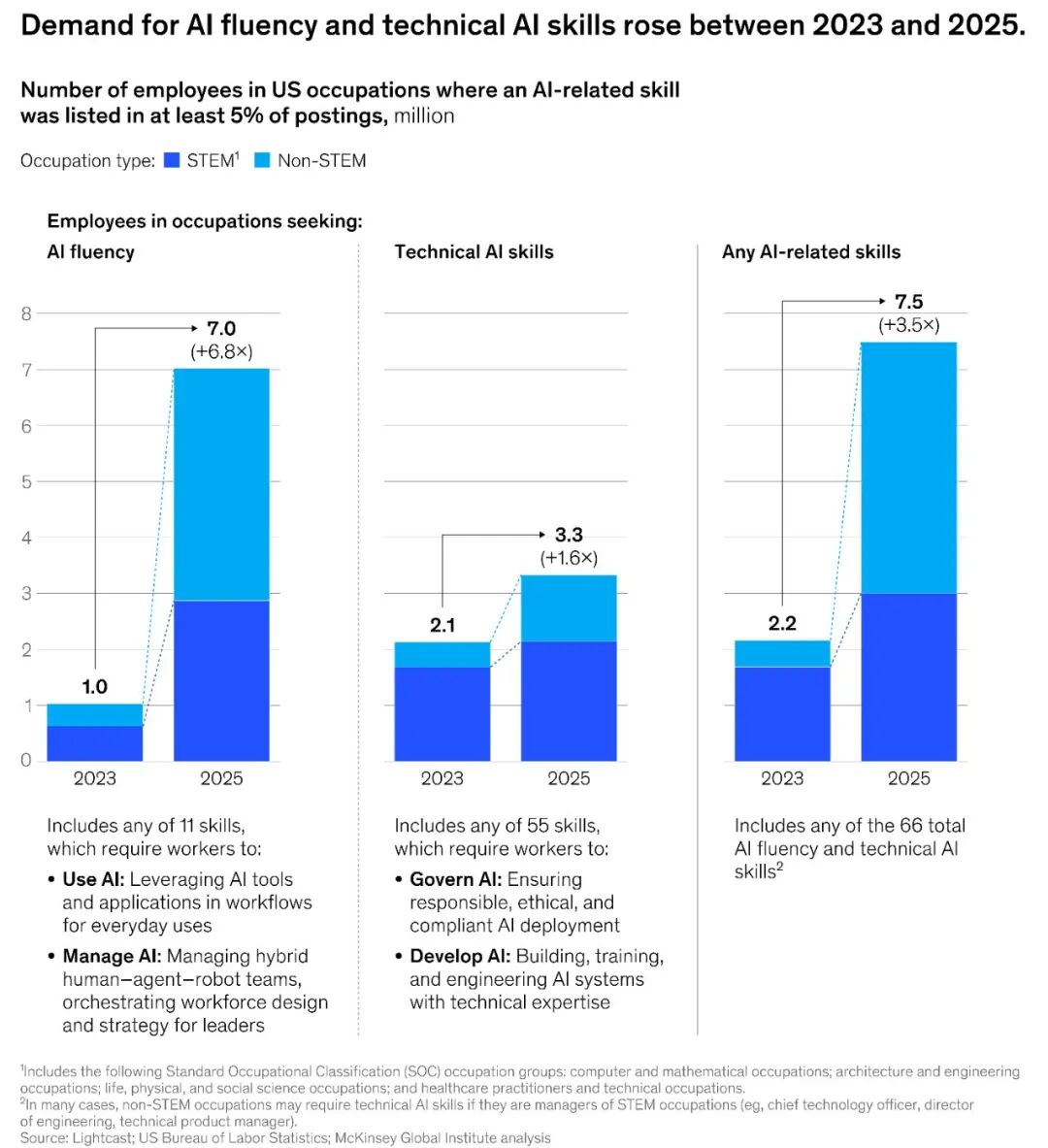
Employers have already adjusted, with the demand for AI fluency—the ability to use and manage AI tools—growing nearly sevenfold in two years. The demand for technical AI skills required to develop and manage AI systems is also increasing, albeit at a slower pace. Among the approximately 8 million jobs in the U.S. that require at least one AI-related skill in job postings, this is just a small portion of the potential demand in the coming years. The demand for complementary skills (such as quality assurance, process optimization, and teaching) and some physical skills (such as nursing and electrical work) is also on the rise. In contrast, mentions of conventional writing and research positions are decreasing, even though these skills remain crucial for most of the workforce.
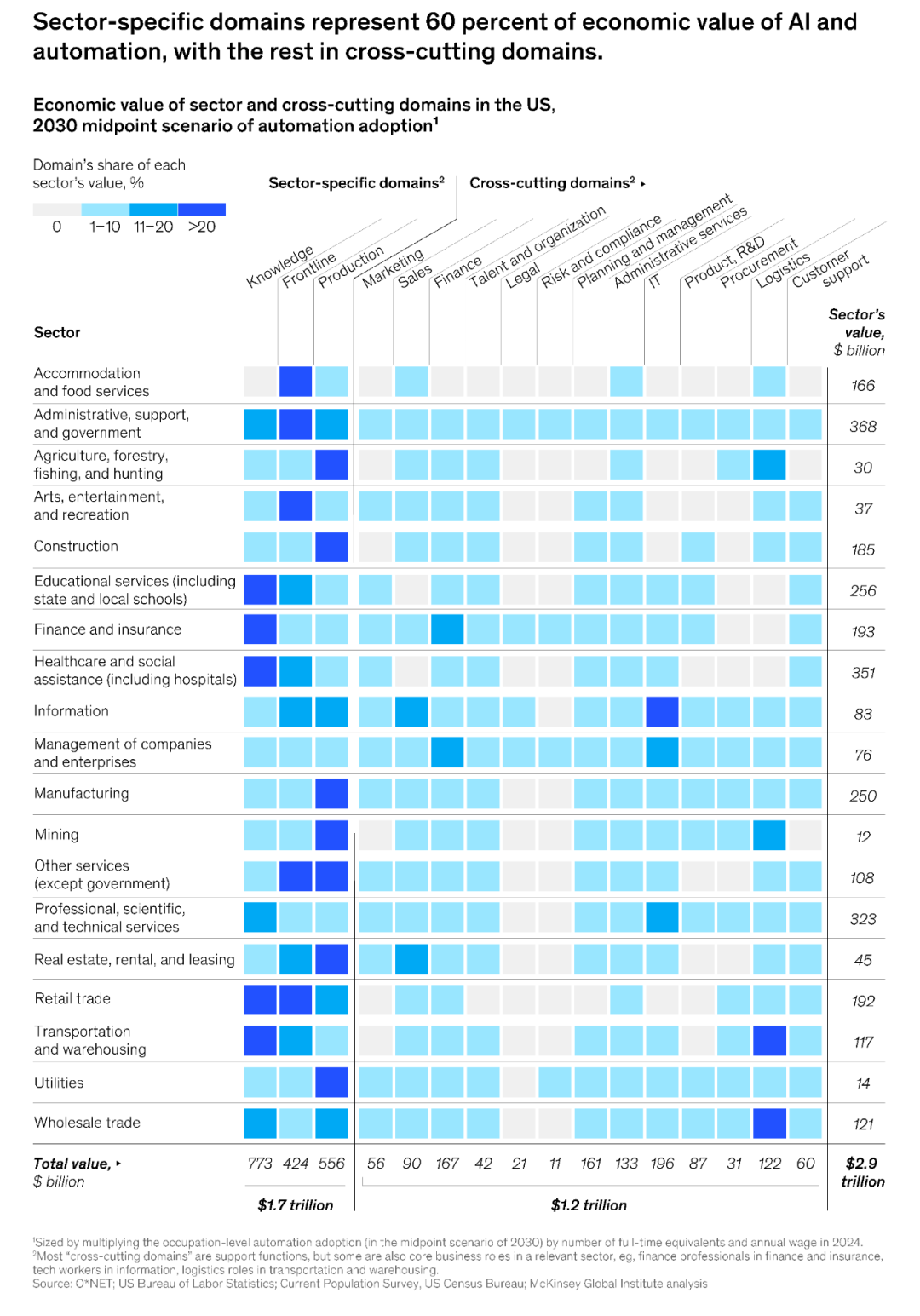
McKinsey estimates that in a scenario where automation is achieved by 2030, AI-driven agents and robots could create approximately $2.9 trillion in economic value for the U.S. Capturing these opportunities may not rely on new technological breakthroughs but rather on how organizations redesign workflows—especially complex high-value workflows that rely on unstructured data—and the speed at which human skills adapt. Integrating AI is not just a simple technology rollout but a reimagining of work itself—redesigning processes, roles, skills, culture, and metrics to enable people, agents, and robots to co-create more value.
Leaders will play a central role in shaping this partnership. The most effective individuals will interact directly with AI rather than delegating to others, investing in the most critical human skills, and balancing returns with responsibilities, safety, and trust. The outcomes for businesses, workers, and communities ultimately depend on how organizations and institutions collaborate to prepare for future employment.
1. The future workforce will be a collaboration between humans, agents, and robots
AI is making agents and robots more autonomous and powerful
For the past century, machines have been designed to follow rules. Robots perform physical tasks such as assembling parts, while software automates predictable clerical and analytical tasks. Both types of machines operate in predetermined ways; they simply do what they are programmed to do, with little more. The rise of AI is beginning to change this, broadening the scope of automation.
AI agents and robots—machines that perform cognitive and physical work—are increasingly enhancing their capabilities as they learn from vast datasets. This enables them to simulate reasoning and respond to a broader range of inputs, including natural language, and adapt to different contexts, rather than merely following preset rules.
McKinsey estimates that theoretically, existing technologies could automate about 57% of current working hours in the U.S. Actual adoption depends not only on technological capabilities. Factors such as policy choices, labor costs, implementation expenses, and development time will influence when and where automation is deployed. The spread of electricity took over 30 years, and industrial robots have also experienced a similar decades-long development path. As of 2023, despite the widespread application of this technology since the mid-2000s, only about one-fifth of companies operate in the cloud.
AI can impact various types of work
We distinguish between physical and non-physical labor. The former requires robots for automation, while the latter requires agents. Not all automation requires agents or robots in the narrow technical sense, but we use them broadly to encompass all technologies that automate work.
Non-physical labor accounts for about two-thirds of working hours in the U.S. About one-third of the time involves social and emotional skills, which are largely beyond the grasp of AI, while the remaining time involves tasks more suitable for automation—such as reasoning and information processing. These more automatable activities account for about 40% of total wages in the U.S., covering various fields such as education, healthcare, business, and law (see below).
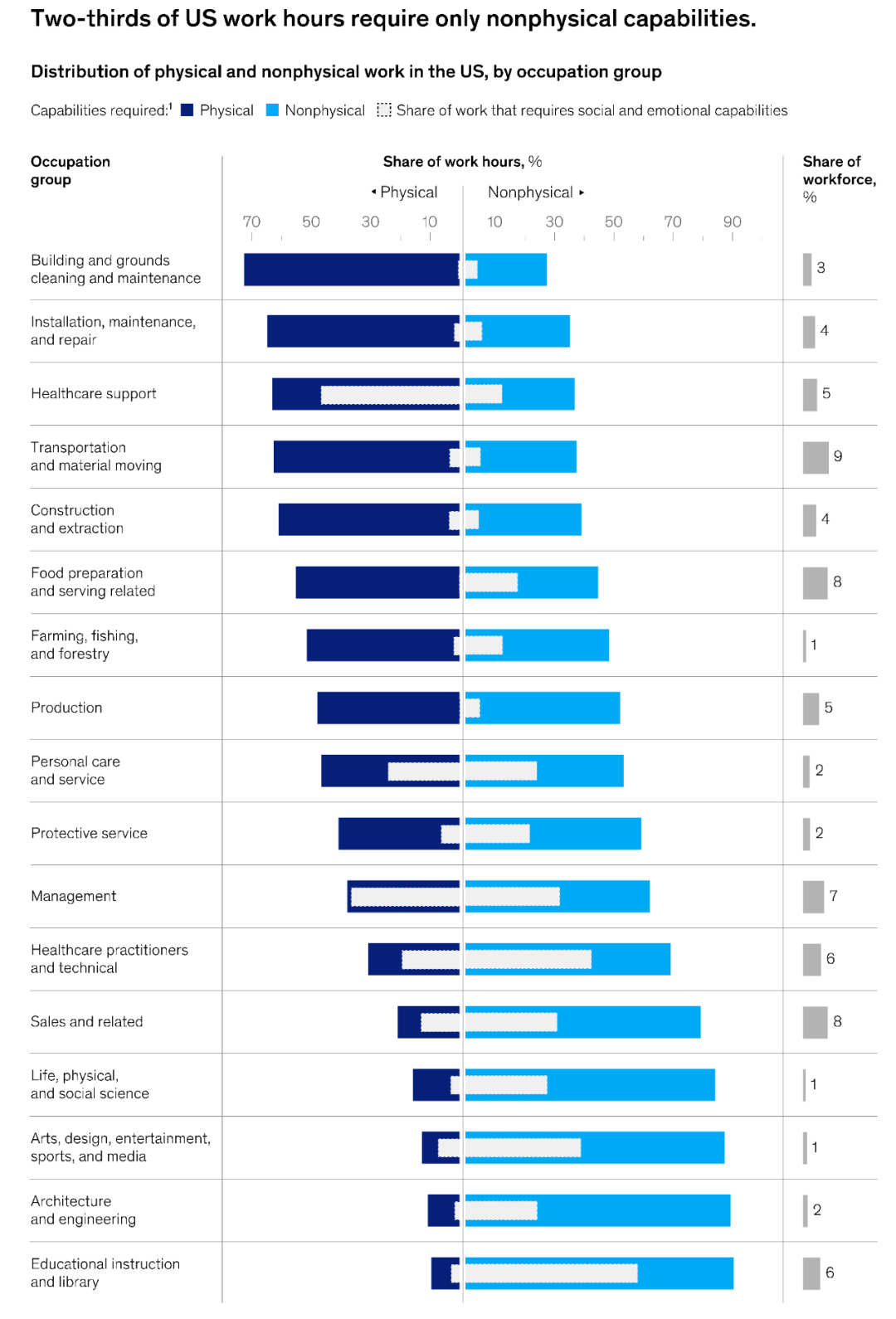
The short-term impact of automation on physical labor may be more limited. Activities requiring physical and cognitive abilities account for about 35% of current working hours in the U.S. Robots have made significant progress, but most physical labor still requires fine motor skills, dexterity, and situational awareness, which these technologies have yet to reliably replicate.
Even so, the impact on some workers could be quite significant. Physical labor accounts for more than half of the working hours of about 40% of the U.S. workforce, including drivers, construction workers, cooks, and medical assistants. Advances in robotics are expected to change occupations in fields such as manufacturing and food processing, including some low-wage positions. Robots may also continue to perform tasks that are dangerous or infeasible for humans, such as underwater tasks, search and rescue, and inspections in hazardous environments.
AI-driven automation will change work, but humans will remain indispensable
At current capability levels, agents can perform tasks that account for 44% of working hours in the U.S., while robots account for only 13%. Further advancing automation will require technologies that can match a variety of human capabilities that are currently unmatched. Agents need to interpret intent and emotions. Robots need to master fine motor control, such as grasping delicate objects or performing instruments in surgery (see below).
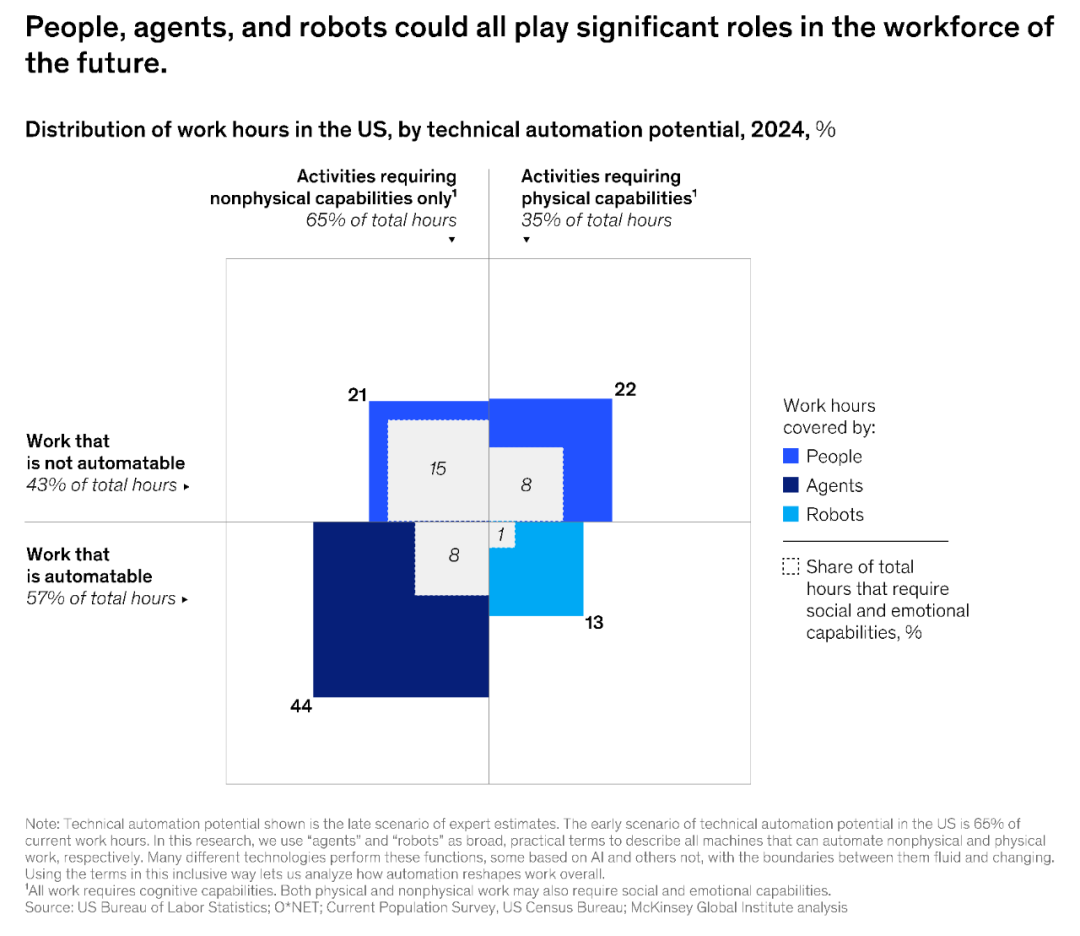
While tasks accounting for more than half of current working hours are primarily automated by agents, this does not mean that half of jobs will disappear; as specific tasks are automated, many jobs will change, altering the nature of work rather than eliminating it. Additionally, many jobs that rely heavily on social and emotional skills will largely remain beyond the reach of automation, even in fully adopted scenarios. This is because many tasks require real-time perception, such as teachers reading students’ expressions or salespeople sensing customer interest waning. Humans also provide supervision, quality control, and the human presence that customers, students, and patients typically prefer.
As technology advances, the nature of jobs requiring personnel will also change, with some positions shrinking, some expanding or shifting focus, and new positions emerging. Radiology is a prime example of this dynamic. Between 2017 and 2024, despite rapid advancements in AI, the employment of radiologists is still expected to grow at about 3% per year, and this growth is expected to continue. AI has enhanced the work of radiologists, improving accuracy and efficiency while allowing doctors to focus on complex decision-making and patient care. For instance, the Mayo Clinic has expanded its radiology staff by over 50% since 2016 while deploying hundreds of AI models to support image analysis. AI is also creating new types and roles of work. Software engineers are creating and refining agents, while designers and creators are using generative tools to produce new content.
The combination of humans, agents, and robots varies across seven prototypes
The overall employment level and the composition of occupations in the economy depend on the development of various industries. In different occupations, job configurations vary significantly based on the degree of reliance on physical, cognitive, social, and emotional capabilities. To understand this variation, McKinsey analyzed approximately 800 occupations and grouped them based on their potential for physical and non-physical automation. This process produced seven prototypes that illustrate how humans, agents, and robots can collaborate.
Occupations with the lowest automation potential are classified as human-centered, while those with a high share of automatable tasks are categorized as agent-centered or robot-centered. Roles with a more balanced mix are classified as hybrid or mixed prototypes, which combine significant shares of both or all three (see below).
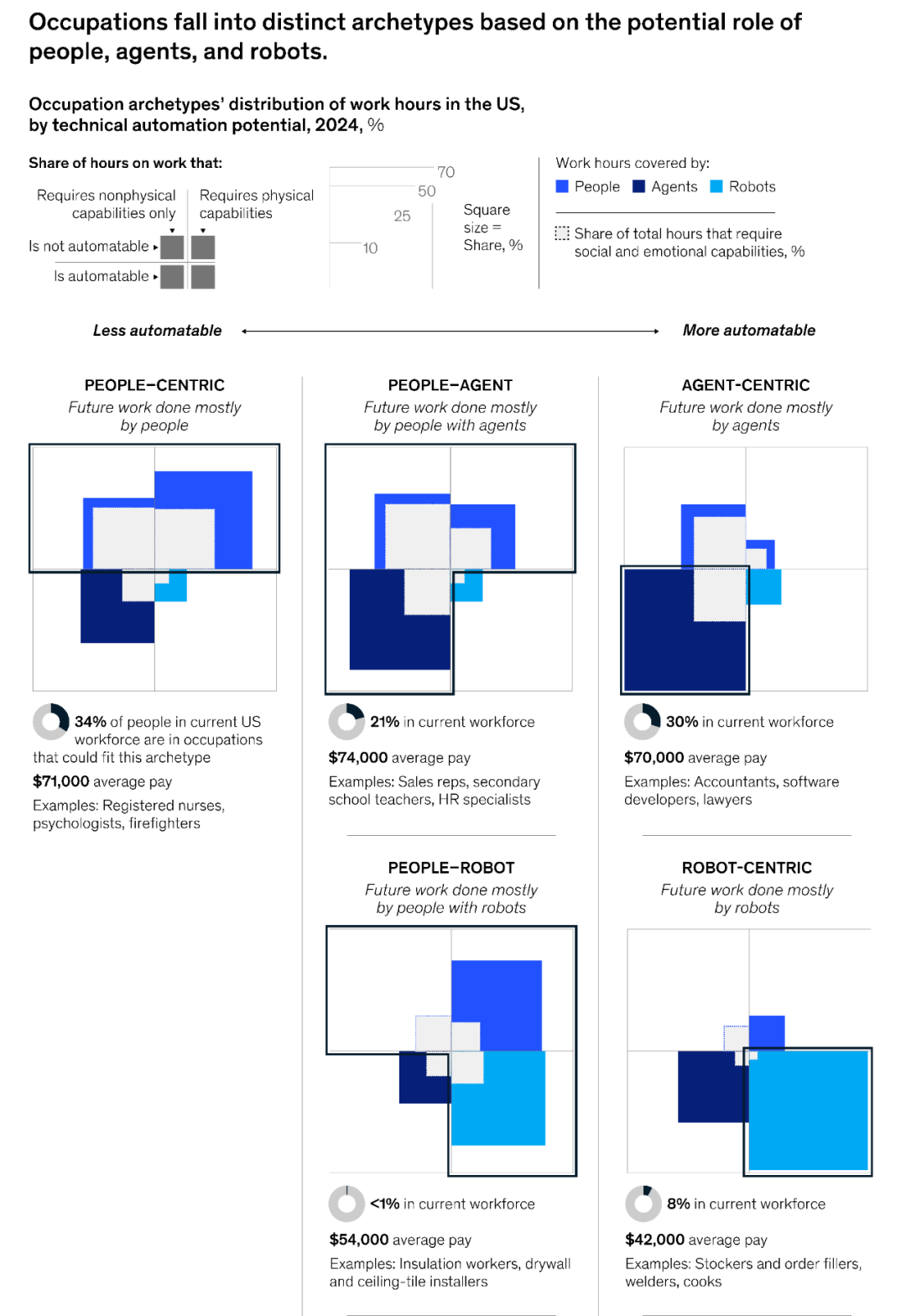
This framework applies across the entire labor market, helping leaders see where changes may occur first and how workforce transformations will unfold, highlighting roles that may evolve into human-customer-robot collaboration models and those that may be largely automated by agents or robots under human supervision. For workers, it provides a perspective on how their roles may change.
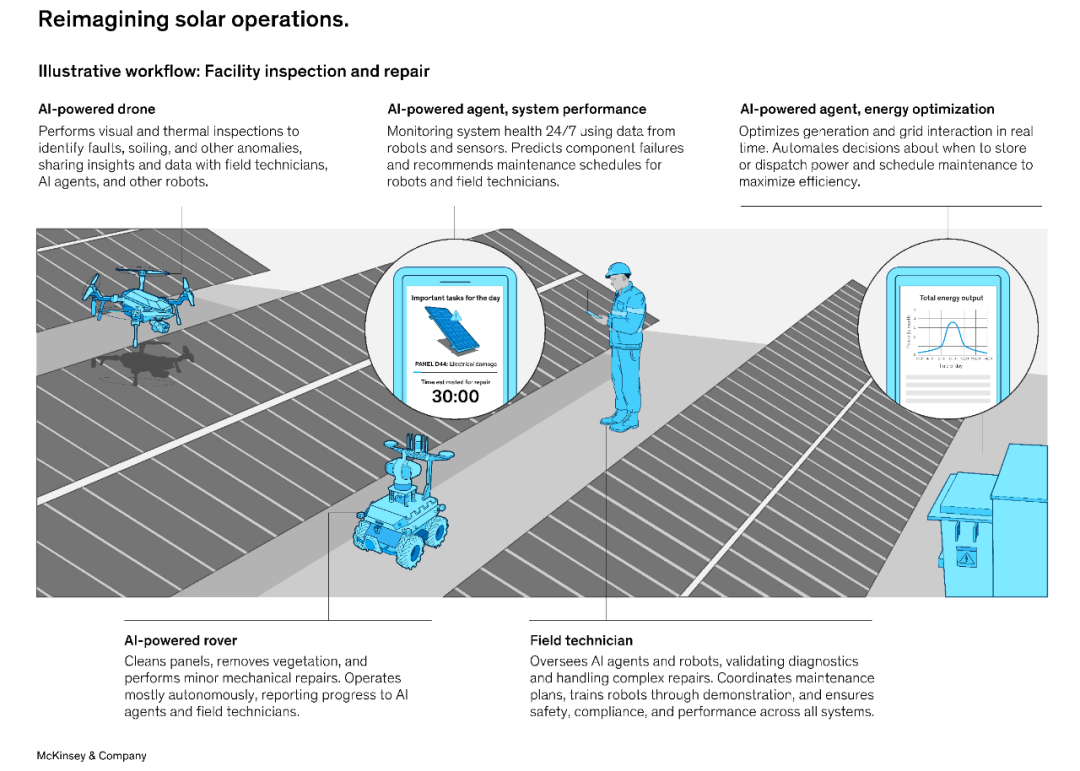
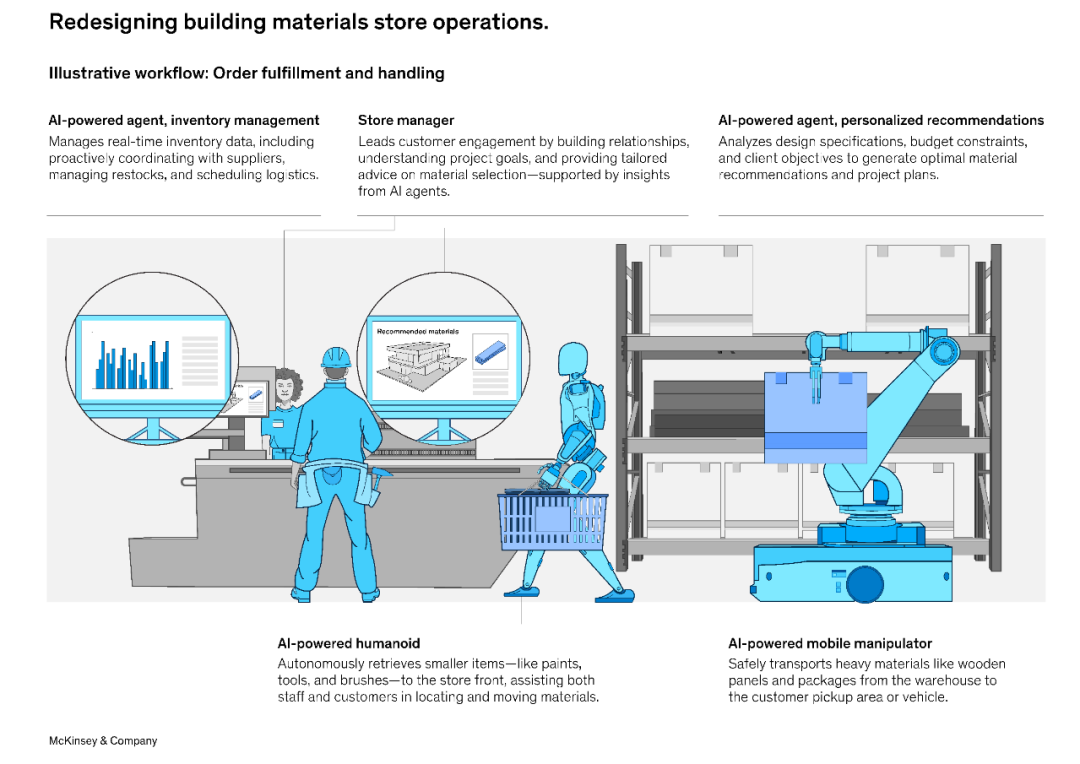
As technology advances and companies adjust workflows, the mix of activities will continue to evolve. The distribution of roles in different job types will also vary by economy and industry. For example, in regions where manufacturing is more prevalent, human-robot roles may be more common than in economies that heavily rely on the service industry. Regardless of location, collaboration between humans and intelligent machines is likely to deepen. The illustrations below provide examples of how this practice may operate in reality (see below).
2. As humans work closely with AI, human skills will continue to evolve rather than stagnate
Employers hire employees for their skills. As technology and work methods change, the skills they require will also evolve continuously. AI accelerates this shift.
To understand how AI is reshaping the demand for human skills, McKinsey analyzed job postings, which provide the latest perspective on employer needs. The Lightcast data, widely used by labor economists, offers a detailed and consistent record of the language employers use to describe positions and skills. While job postings reflect hiring intentions rather than actual job content, they provide the most comprehensive picture of skill demand.
From this source, McKinsey identified approximately 6,800 skills that were frequently cited in over 11 million job postings, providing a representative snapshot of the U.S. labor market. McKinsey then examined the differences in employer requirements across different occupations.
McKinsey’s analysis shows that nearly all occupations have at least one skill that is highly disrupted—defined as entering the top quartile of change by 2030—and one-third of occupations will see more than 10% of their skills undergo significant changes.
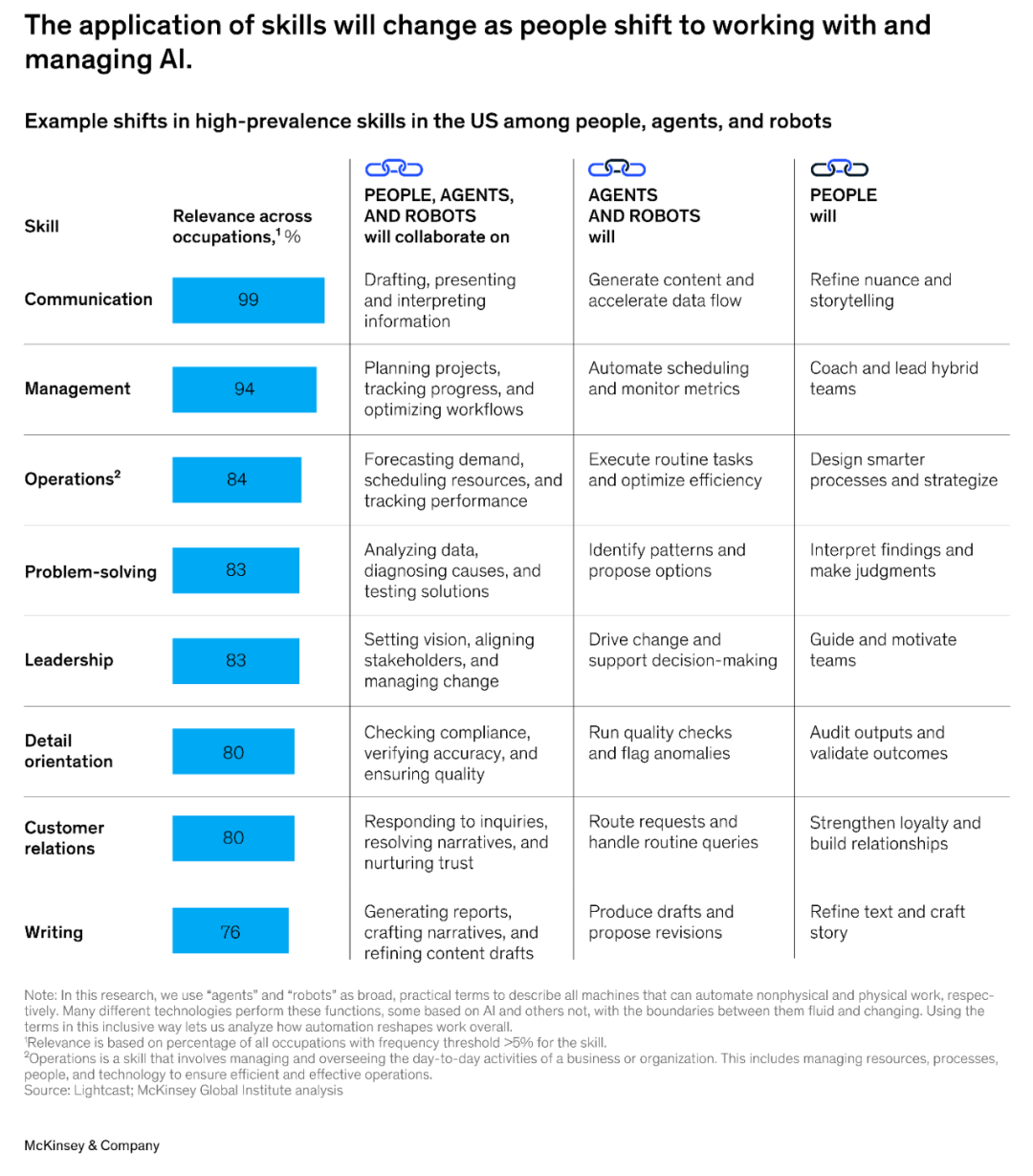
McKinsey also found that employers now expect nearly all occupations to possess a broader and more specialized skill set. Eight core skills with high universality—communication, management, operations, problem-solving, leadership, attention to detail, customer relations, and writing—remain indispensable across industries. The demand for AI fluency—the ability to use and manage AI—grows faster than any other skill.
Skill requirements are becoming more specific and specialized over time
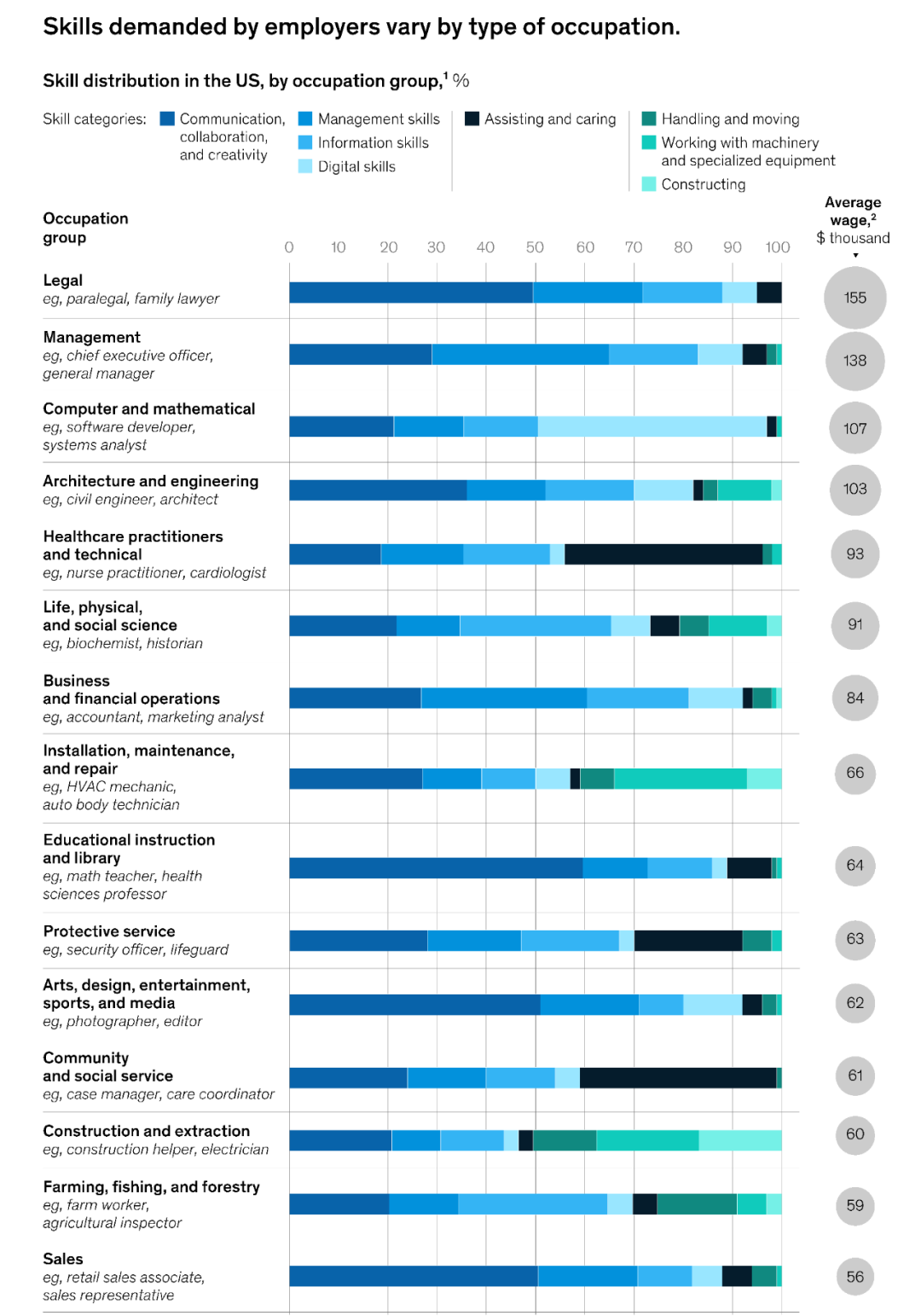
The average number of unique skills associated with each occupation has increased from 54 ten years ago to 64, reflecting employers’ increasing specificity in describing roles. High-paying fields often require more skills and higher specialization. For example, job postings for data scientists and economists list over 90 unique skills, while those for motor vehicle drivers list fewer than ten.
High-paying jobs that require more skills often emphasize management, information, and digital skills. Low-paying positions focus on hands-on work, equipment operation, and providing care and assistance (see below).
The speed of technological change has heightened the importance of transferable skills, including eight highly universal skills
Every wave of technology has changed the nature of work for employees, and today’s distinction is that the pace of change has accelerated significantly. As of 2023, the demand for AI-related skills is growing at a rate comparable to that of cloud computing, cybersecurity, and other digital skills. Following the rise of generative AI, demand has surged dramatically: nearly 600 new skills have appeared in job postings over the past two years—about one-third of the total new skills added in the past decade—many of which are related to AI and its associated technologies.
This rapid flow enhances the value of transferable skills. Despite increasing specialization, the eight core high-universal skills—including communication, customer relations, writing, problem-solving, and leadership—remain relevant across industries and pay levels.
These skills form the bonds of the labor market and are key to workforce development. Building these structures makes employees more adaptable and better able to respond to change. As people work more closely with AI-driven agents and robots, these applications may continue to evolve, which will be further explored in the following sections.
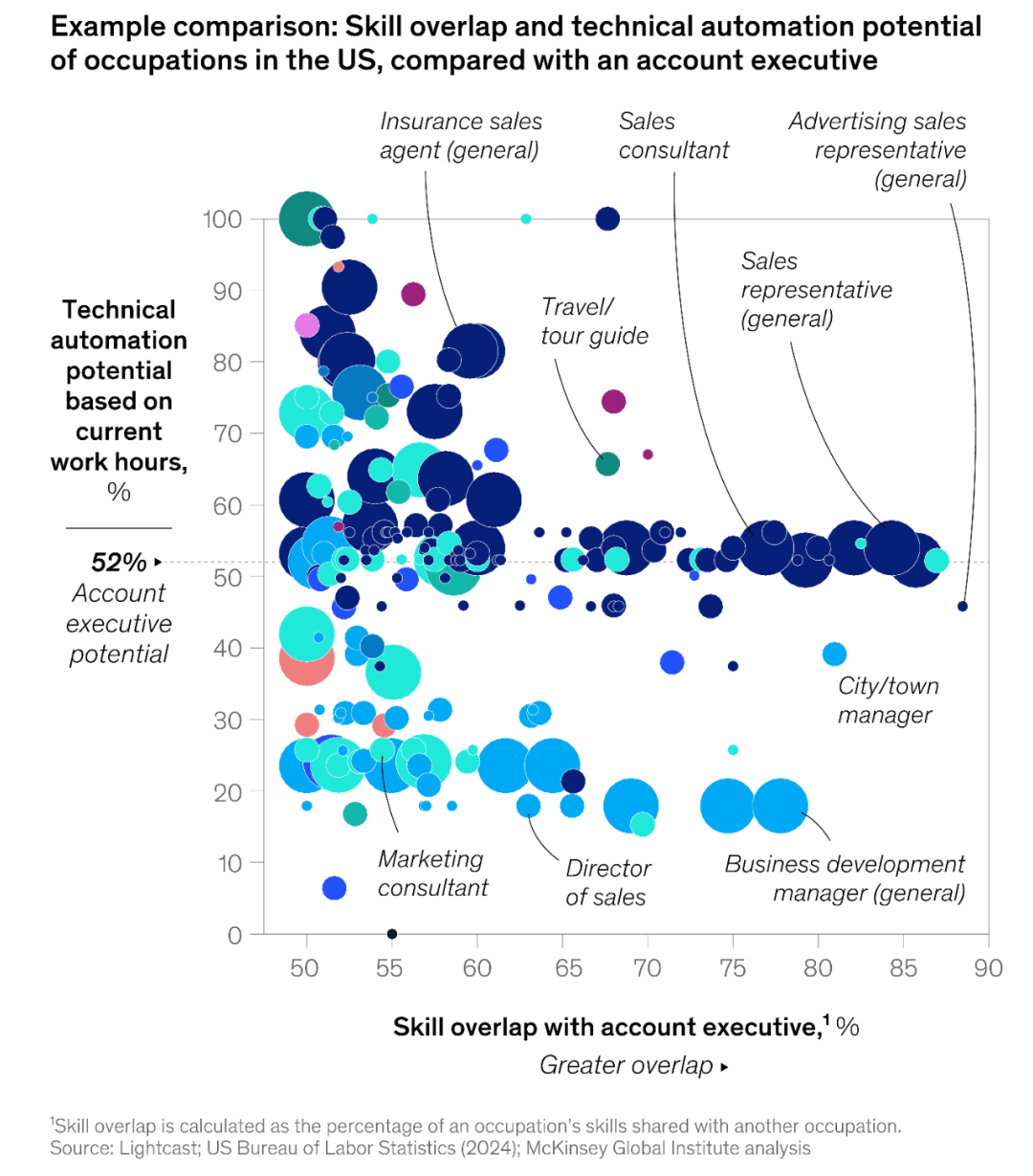
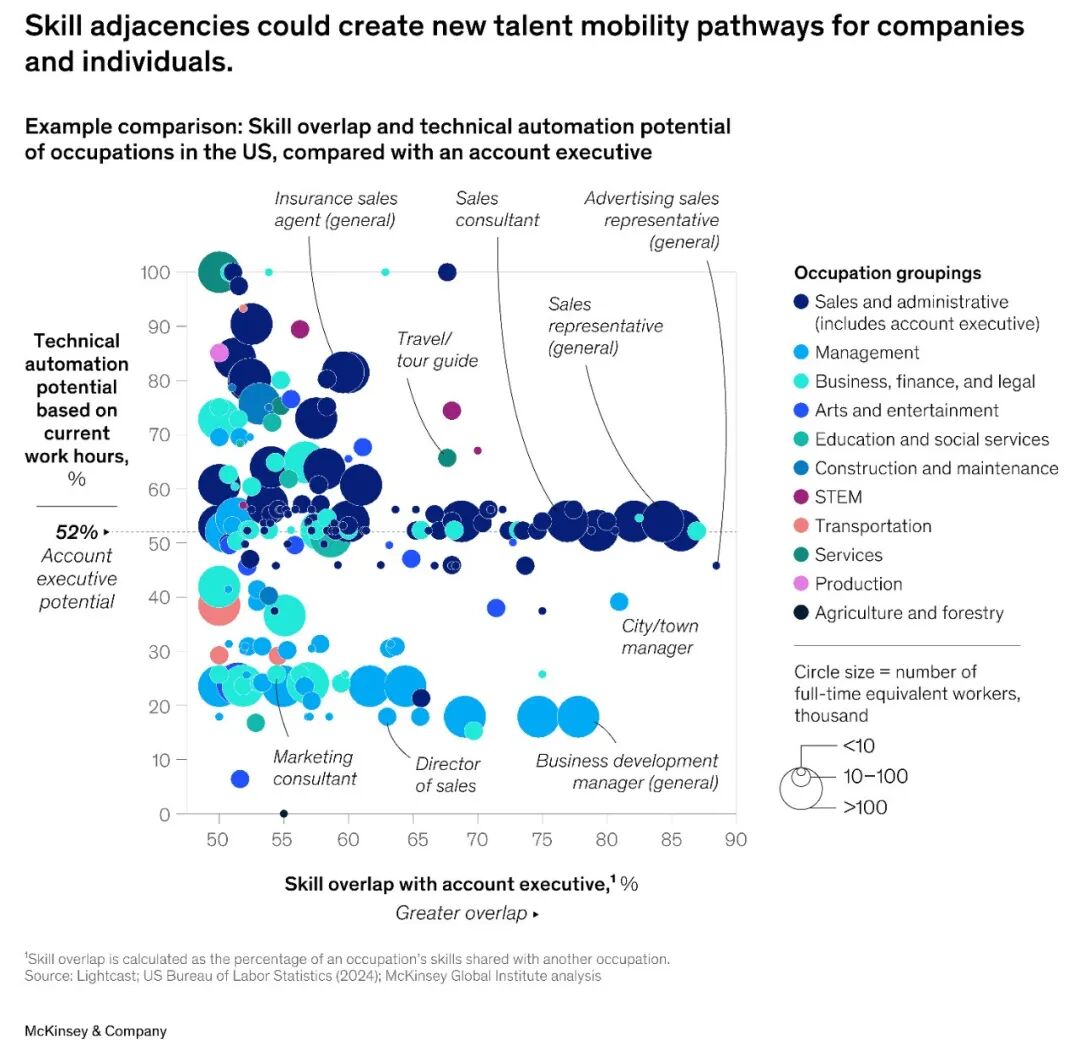
Many other skills are also transferable across occupations. For example, over half of the skills required for customer managers also appear in 175 other occupations. These positions range from similar sales roles to positions in marketing and human resources. This overlap allows companies to broaden their talent pool by recruiting from adjacent roles or redeploying employees with similar skills. For employees, this opens pathways to new and often more human-centered positions based on existing strengths (see below).
The demand for AI skills is growing faster than any other skill
As AI technology matures, the demand for related skills is surpassing that for development roles. By mid-2025, the demand for AI fluency has nearly increased sevenfold. Today, this has become a job requirement for occupations employing about seven million workers. The demand for technical AI skills—i.e., building and deploying AI systems—is also increasing, although at a slower pace (see below).
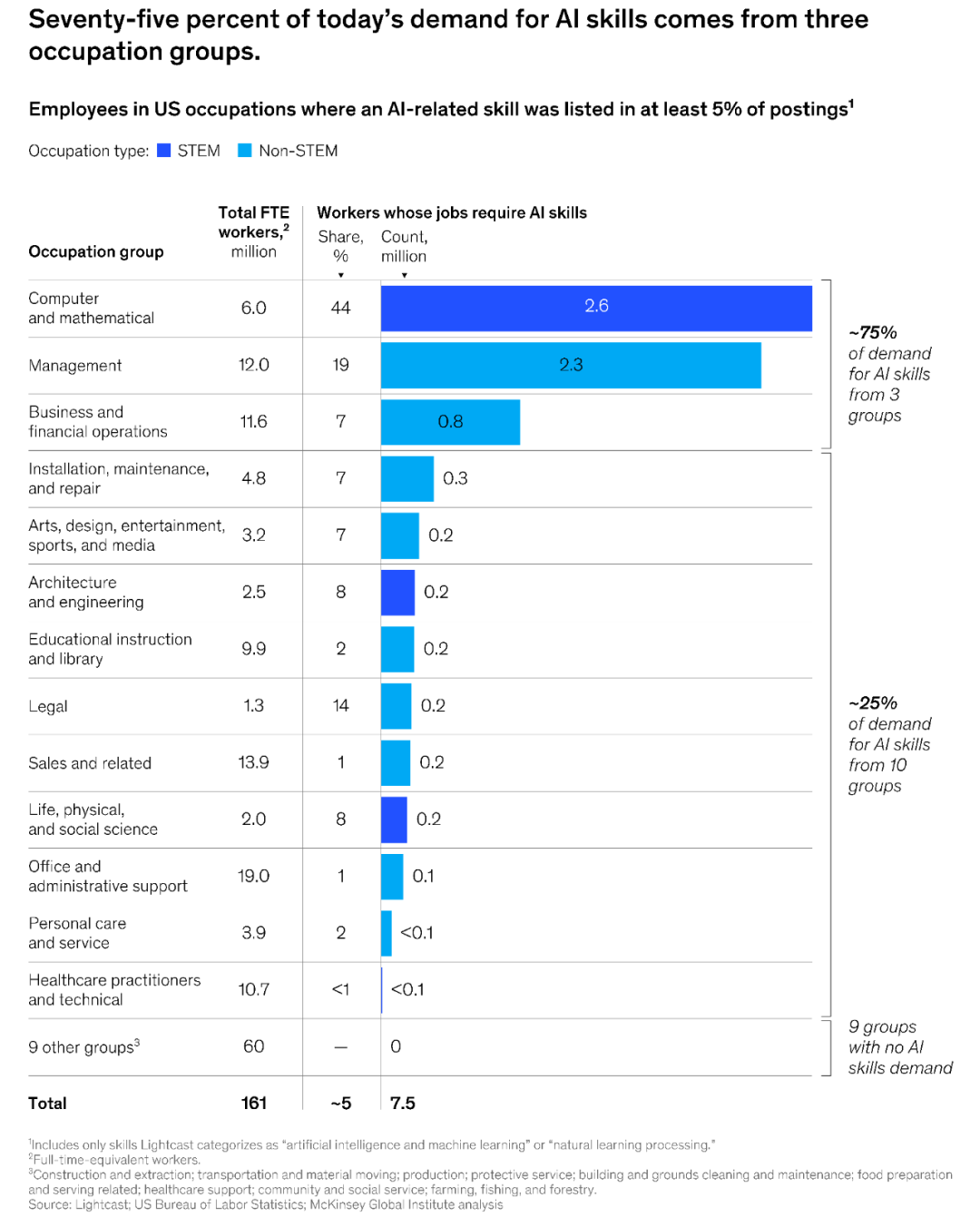
However, to date, most demand for AI skills is concentrated in a few areas. Three occupational categories account for three-quarters of the demand for AI skills in the U.S.: computing and mathematics, management, and business and finance, with the remainder coming from ten other groups where this technology is becoming more prominent, including construction and engineering; installation, maintenance, and repair; and education. Demand for AI-related skills remains limited in nine occupational groups, including construction, transportation, and food service, which collectively account for about 40% of the workforce and earn below the median income (see below)..
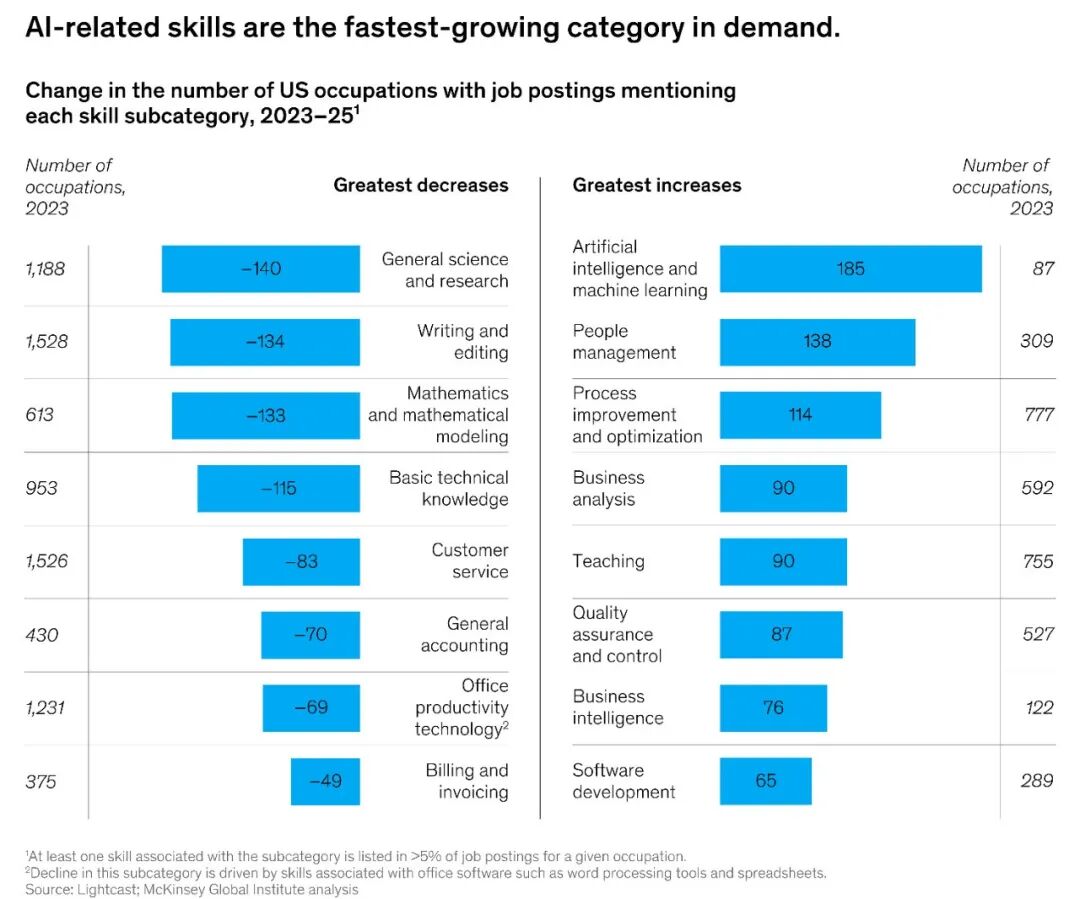
While core demand remains concentrated, the influence of AI is beginning to spread outward. Employers are increasingly seeking AI-related capabilities, such as process optimization, quality assurance, and teaching—skills used to redesign AI-related work, supervise and validate AI systems, or train employees to use these systems.
Meanwhile, mentions of skills where machines have performed well or significantly improved—research, writing, and simple mathematics—are declining in job postings, even though these skills remain crucial for most of the workforce (see below).
Most human skills remain effective, but AI will change how they are used
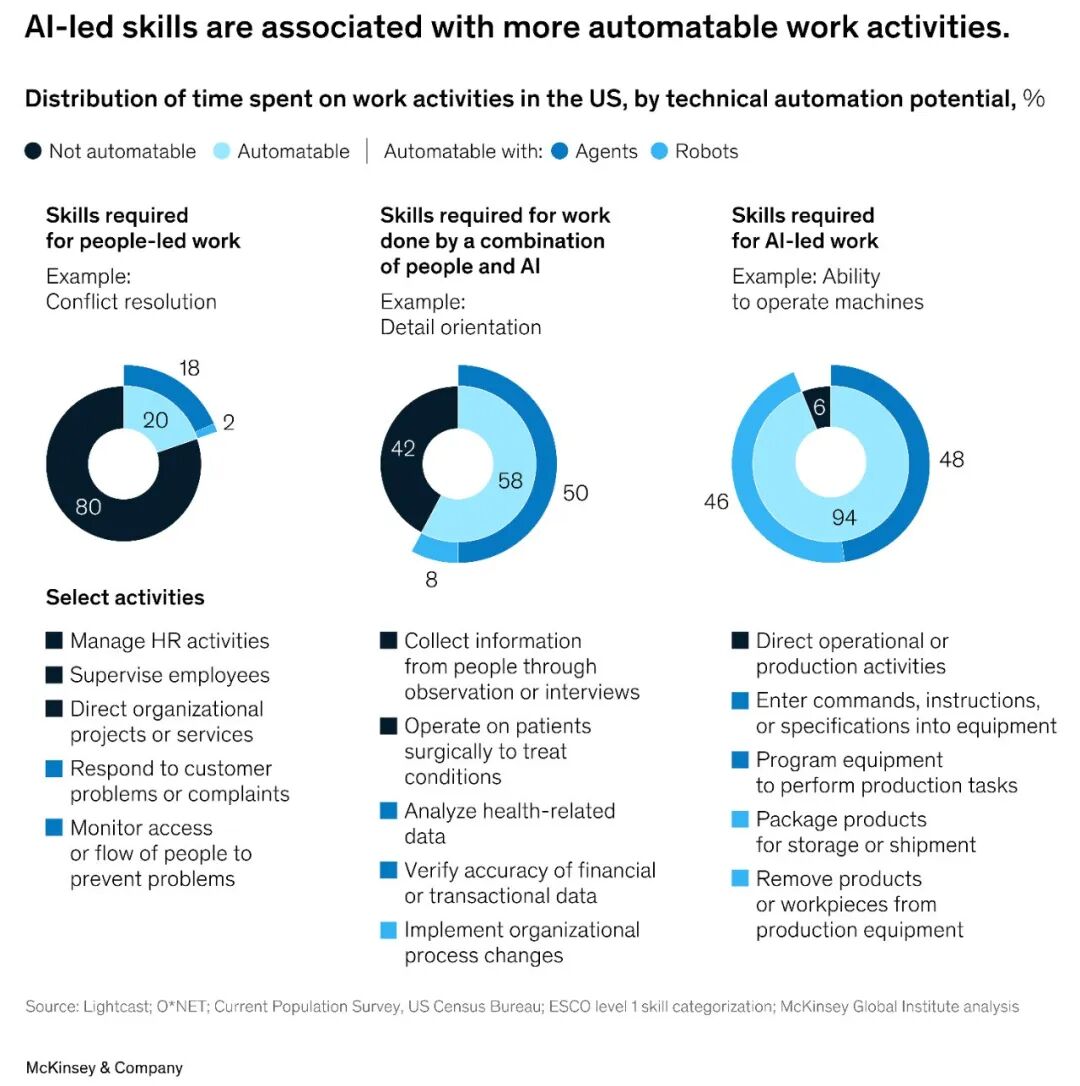
McKinsey’s analysis found that about 72% of skills are needed for both AI-completable work and human-completable work (see below).
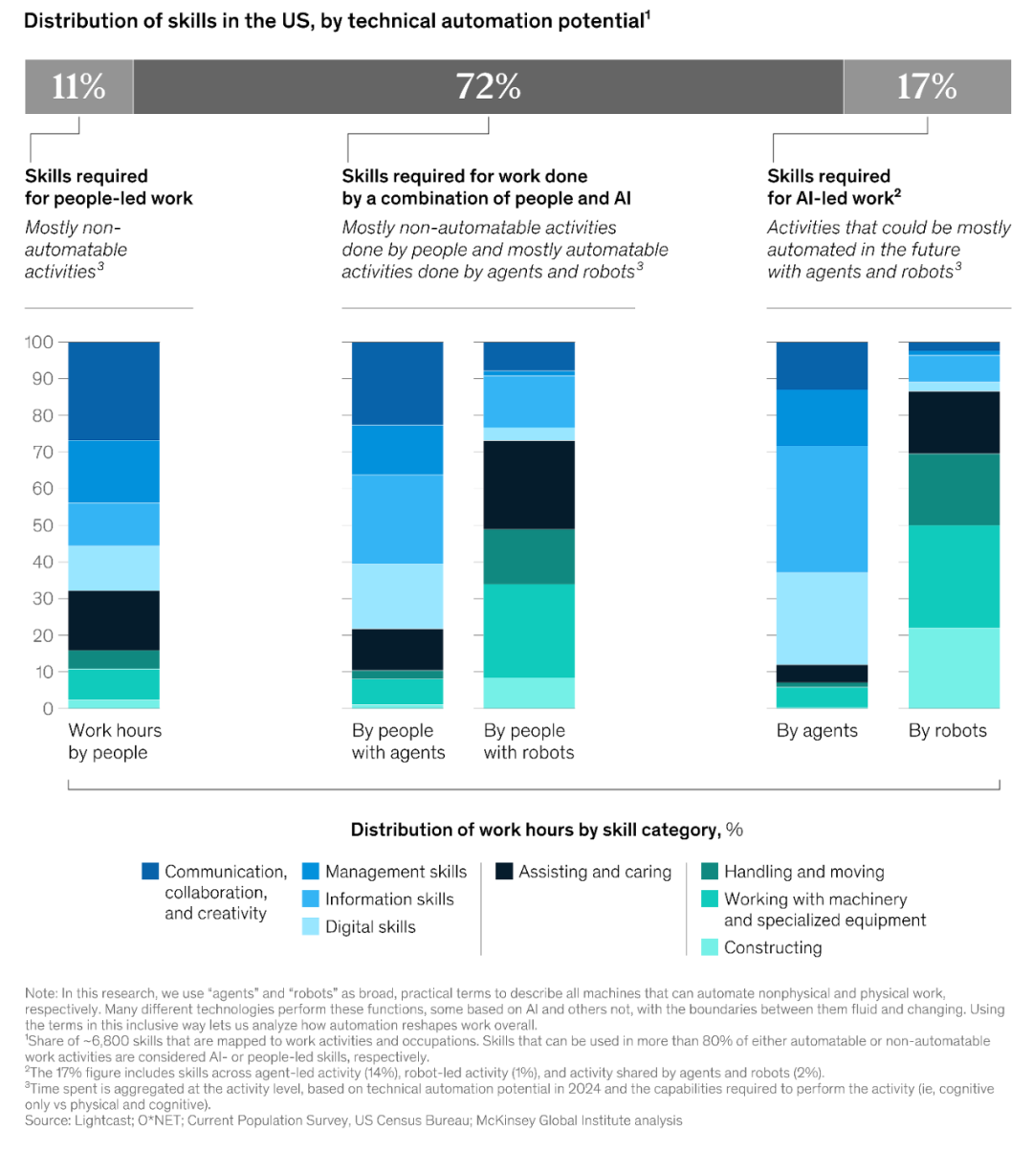
McKinsey believes there may be two extremes, one where a few skills are likely to remain uniquely human. These abilities are rooted in social and emotional intelligence, such as interpersonal conflict resolution and design thinking, which rely on empathy, creativity, and contextual understanding that machines find difficult to replicate. At the other end, skills are likely to rely primarily on AI, including data entry, financial processing, and equipment control. In these areas, humans will step back from hands-on work to focus on design, outcome validation, and anomaly handling—ensuring that AI agents and robots can operate smoothly while functioning independently most of the time.
In between these two extremes lies a broad middle ground where humans work alongside AI. Here, a skill partnership is forming: machines handle routine tasks while humans build problems, provide guidance to agents and robots, interpret results, and make decisions. This work blends collaboration and supervision, with humans bringing judgment and contextual understanding that machines have yet to possess.
The eight high-universal skills mentioned earlier largely belong to this middle ground. They remain relevant, but as humans, agents, and robots take on different aspects of the same work, they will continue to evolve (see below).
The Skill Change Index indicates that by 2030, most skills will undergo revolutionary changes
Among the 100 most popular skills, the impact of AI varies widely. Human-centered skills such as coaching are the least likely to be exposed to automation, while manual and routine skills such as invoicing are the most likely. Skills like quality assurance are in the middle of the distribution—AI is changing how people use skills rather than completely replacing them.
To assess the extent of these changes, McKinsey developed the Skill Change Index (SCI), a time-weighted measure of the exposure of various skills to automation under different adoption scenarios. The SCI shows where skill changes are most likely to occur (see below).
Among the broader set of 7,000 skills, the degree of exposure remains uneven. Digital and information processing skills rank highest in the SCI, reflecting AI’s increasing proficiency in data processing and analysis. In contrast, caregiving and assistance skills may experience the least change (see below).
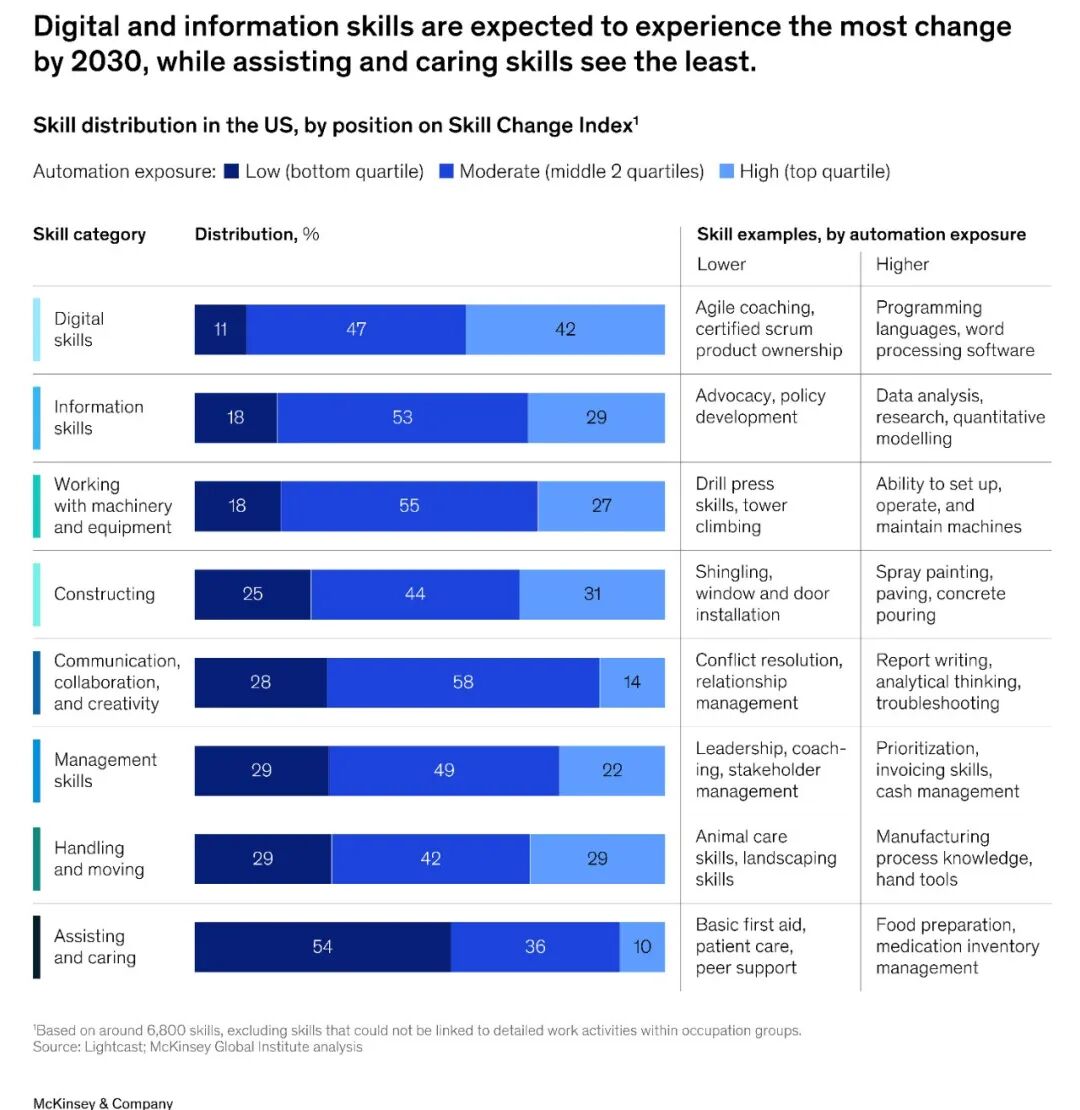
The SCI reveals three major directions in which skills may evolve
Skills with high exposure—those in the top quartile of the index—are more likely to see reduced demand. These are typically specialized skills, such as accounting processes and programming in specific languages, which AI can already perform well. Skills in the middle quartile are more likely to change in nature and application rather than just seeing demand increase or decrease. These skills are often transferable skills that combine human judgment with digital tools; AI fluency itself is one of them. As employees who collaborate with AI, they apply skills like writing and research in new ways rather than being eliminated. Finally, low-exposure skills—those in the bottom quartile—are more likely to persist. These are typically based on human-to-human connections and care, such as leadership and healthcare skills.
3. Entire workflows can be reimagined around humans, agents, and robots
According to McKinsey’s predictions, AI-driven automation is expected to unlock $2.9 trillion in economic value in the U.S. by 2030. Achieving these outcomes involves not just automating individual tasks. It means redesigning entire workflows to enable people, agents, and robots to collaborate efficiently.
Reimagining workflows is key to capturing the economic potential of AI
Workflows—multi-step processes involving collaboration, information exchange, and decision-making—form the foundation of organizational operations. Most were designed for a pre-AI era, making it difficult to achieve productivity gains by applying AI to these legacy processes.
This may explain why, to date, relatively few companies report substantial benefits from AI. Nearly 90% of companies say they have invested in this technology, but fewer than 40% report measurable gains. This gap may reflect that many projects are still in pilot or experimental stages, or that organizations are applying AI to discrete tasks rather than redesigning entire workflows. For example, in banking, this means providing employees with temporary access to chatbots or deploying customized agents alongside personnel in reimagined processes to more efficiently approve, process, and manage loans and provide better customer service. To unlock greater productivity gains from AI, workflows need to be reimagined rather than approached on a task-by-task basis.
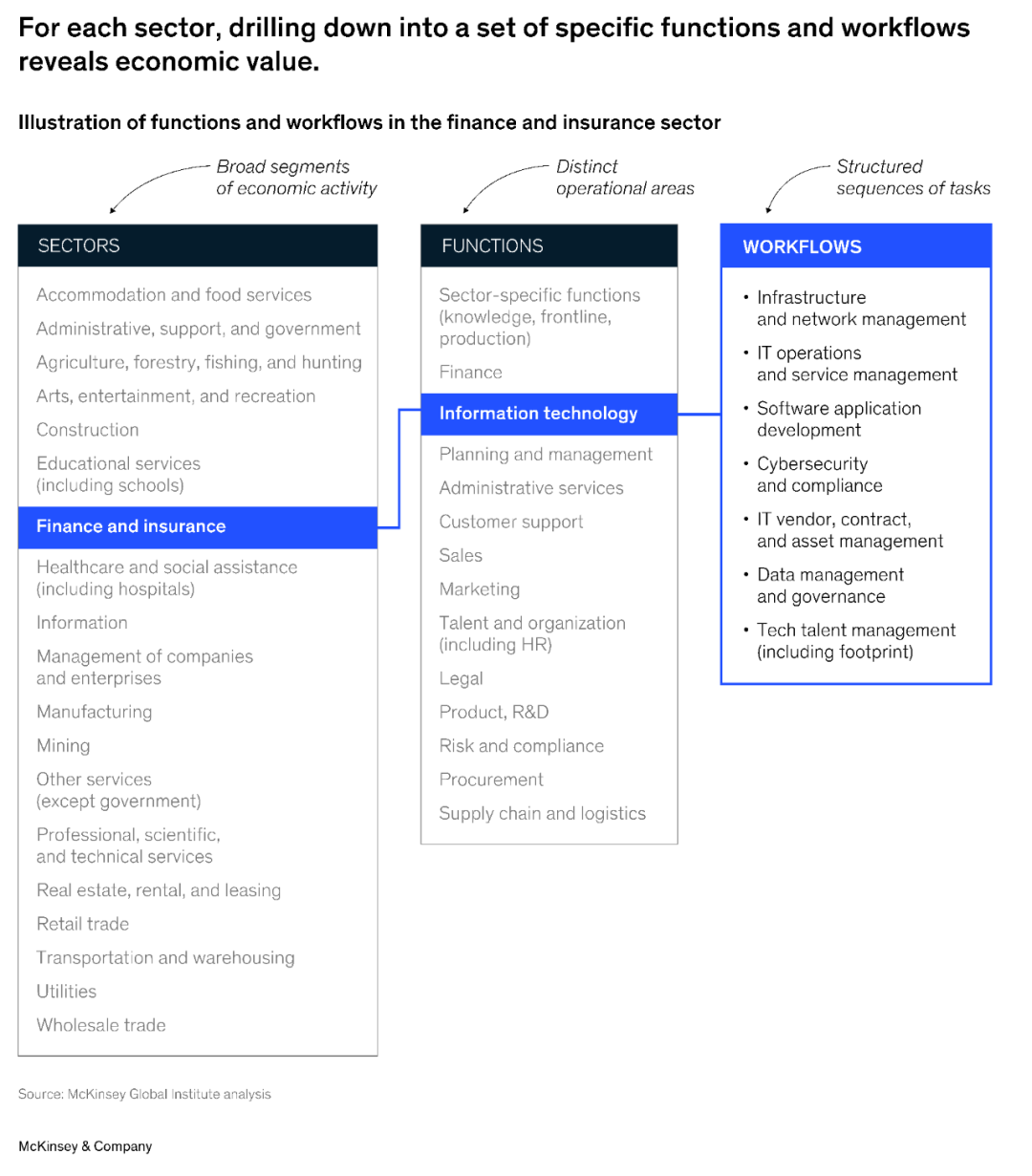
McKinsey analyzed 190 business processes in the U.S. economy to identify the greatest potential opportunities. About 60% of potential productivity gains are concentrated in workflows related to industry-specific activities—these activities are core to each industry. In manufacturing, these workflows include supply chain management; in healthcare, clinical diagnostics and patient care; and in finance, regulatory compliance and risk management. Additional gains come from cross-functional support functions that serve various industries, such as IT, finance, and administrative services (see below).
For instance, in the finance and insurance sector, there are seven key workflows within IT functions. Each department-function combination has its unique workflows, which are the key units for achieving human-machine collaboration outcomes (see below).
From utilities to banking, early companies are trying to embed AI into workflows
Some organizations are redesigning workflows around AI, providing early evidence of how these transformations perform in practice. McKinsey identified 80 implementation cases—from pharmaceuticals to banking and sales—and closely examined several cases to gain insights from their approaches.
Managers and experts are increasingly taking on the roles of coordinators and validators rather than executors, while domain experts such as data analysts, underwriters, and engineers collaborate with agents to conduct preliminary analyses or generate draft outputs. Thus, the most valuable human skills are shifting toward AI fluency, adaptability, and critical evaluation of outputs, enabling people to focus on higher-value work.
The material showcases four cases illustrating how these changes unfold. A technology company uses AI agents to prioritize sales leads and manage outreach, allowing experts to spend more time negotiating and building relationships. A pharmaceutical company applies AI to draft clinical reports, reducing errors and speeding up regulatory submissions. In customer service, most routine inquiries are handled by customer service agents, while a regional bank leverages customer service to accelerate software modernization.
These deployments demonstrate how increasingly specialized agents are reshaping entire business processes. These cases also show that humans remain at the center of work, as AI still relies on human guidance, interpretation, and quality control.
Sales Case: AI-driven agents enable experts to shift time from routine tasks to sales activities
A global technology company seeks to expand its influence and deepen customer relationships while managing increasing complexity and customer volume. In its traditional model, the human sales team employed inconsistent prioritization methods and had limited capacity to tailor outreach to thousands of smaller customers. As a result, only top-potential newcomers received personalized attention.
To overcome these limitations, the company introduced multiple agents to automate the early stages of the sales process. Priority agents score and rank accounts based on public and proprietary data. Outreach agents are responsible for contacting customers, while customer response agents manage follow-ups and classify leads as interested, uninterested, or uncertain. Scheduling agents set calls and reminders for high-potential leads. When cases require human judgment, handoff agents transfer files to experts (see below).
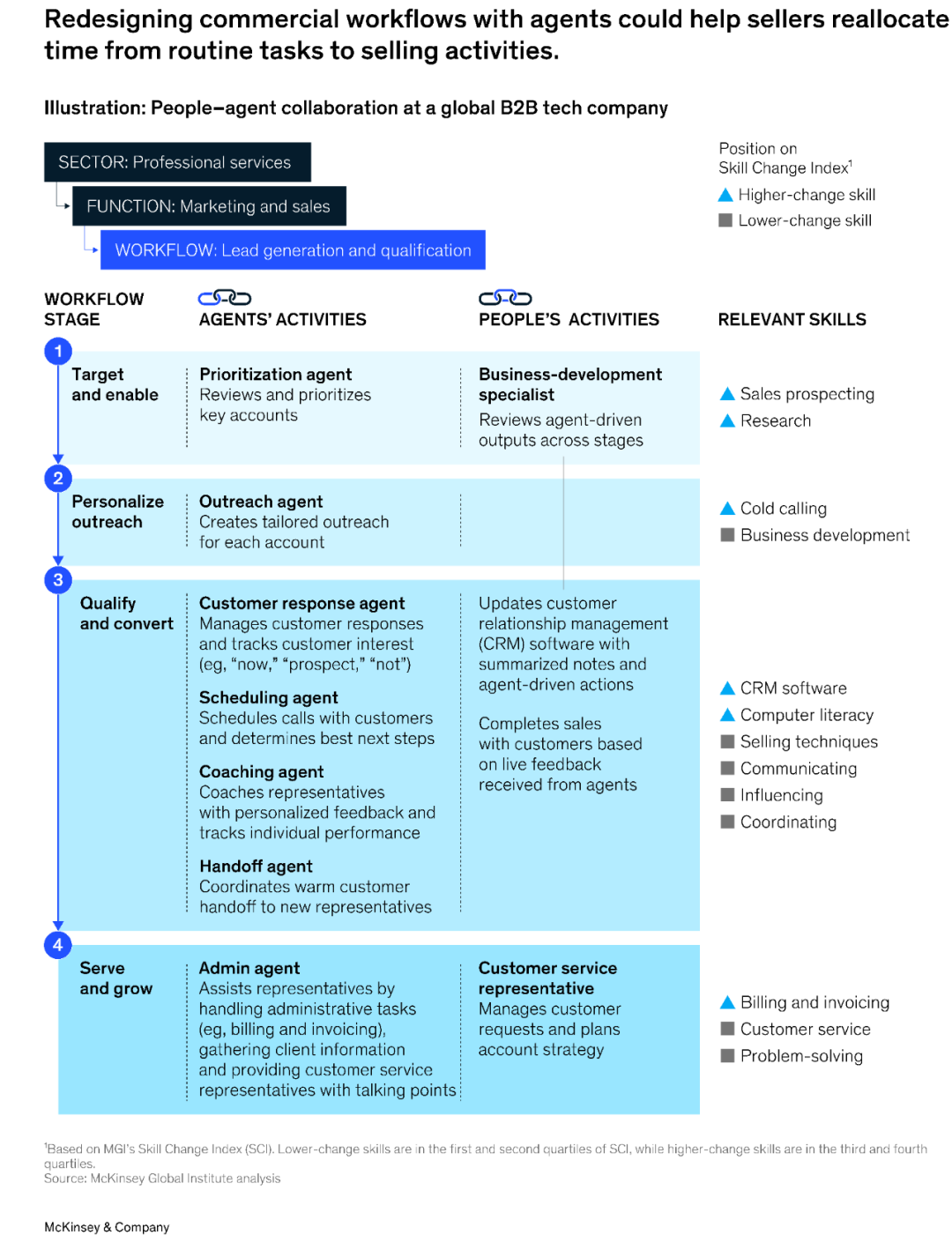
This process expands outreach, improves conversion rates, and is expected to achieve revenue growth of 7% to 12% annually through new sales, cross-selling, and retention. The time saved in sales roles ranges from 30% to 50%. Business development experts can invest more time in strategic engagement—drafting proposals, negotiating partnerships, and building relationships. Looking ahead, this model could expand by introducing more agents to support sales. Coaching agents could provide real-time feedback to sales teams, while administrative agents could serve as assistants, handling routine administrative tasks.
Customer Operations Case: AI customer service optimizes customer experience and reduces cost per call
A large utility company handles over seven million support calls annually, even though it has multiple self-service options on its apps and website. Its interactive voice response system previously resolved only about 10% of inquiries, with the remainder handled by human customer service agents.
To enhance efficiency and customer experience, the company deployed conversational AI agents across its customer base. This system includes multiple agents: one for authenticating customers on incoming calls, one for intent recognition to determine the purpose of the call, one for managing appointments, and a self-service agent integrated with backend systems. These calls now collectively handle about 40% of inquiries, with over 80% resolved without human intervention. When escalation is needed, customers are transferred and their account details and conversation history are confirmed to ensure a seamless handoff (see below).
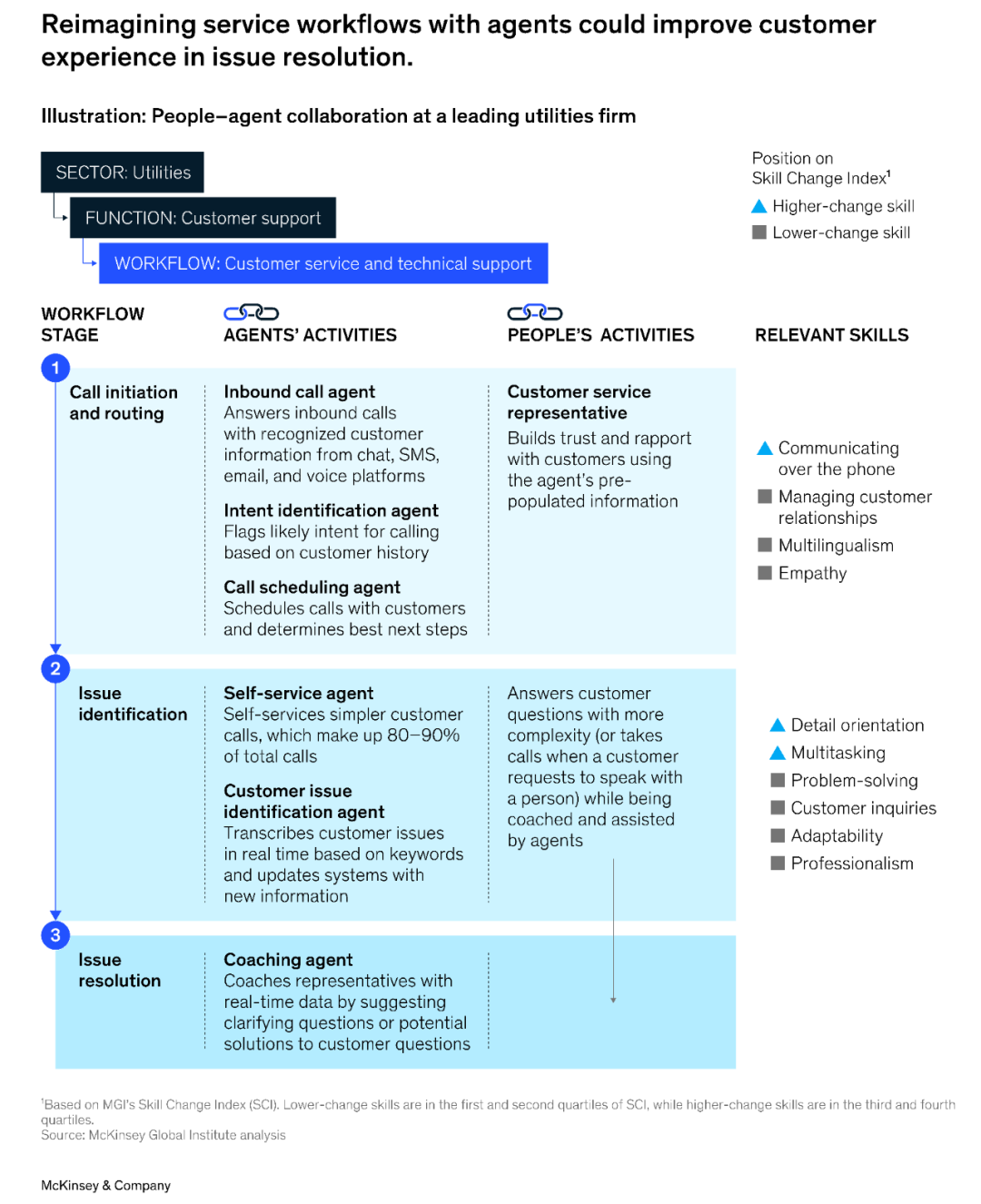
The new process has reduced the average cost per call by about 50%, and customer satisfaction has increased by six percentage points, thanks to shorter wait times, more consistent handling, and faster resolution speeds. Human customer service agents are now able to handle more complex, emotionally sensitive, and high-value issues, enhancing service quality and impact.
Future applications may go even further. Customer issue identification agents could monitor systems, detect service interruptions, and proactively contact customers, while coaching agents could provide real-time guidance to customer service representatives during live calls. In these models, AI will handle most routine inquiries, while humans will focus on complex or relationship-based issues, supported by ongoing insights and automated follow-ups. Advanced agents could ultimately handle 80% to 90% of customer inquiries, recording every interaction and initiating follow-ups to ensure continuity and consistency.
Medical Writing Case: Gen AI platform accelerates report drafting and improves accuracy
A global biopharmaceutical company sought to improve its clinical research report drafting process, which documents the safety and efficacy data of new drugs. In the traditional model, medical writers manually compile research data, draft lengthy reports, and coordinate multiple review cycles; limited capacity and long turnaround times constrained the ability to meet growing submission demands.
To enhance the speed and quality of clinical research reports, the company developed an AI platform capable of reconfiguring the report writing workflow. This AI assistant can synthesize structured and unstructured research data, generating comprehensive drafts in minutes, applying company style and compliance templates, and self-auditing for errors. These tools shift the role of medical writing from manual drafting to collaborating with AI systems and applying clinical judgment. Authors can regenerate and edit text sections, review potential issues, and validate against original materials to ensure accuracy and compliance (see below).
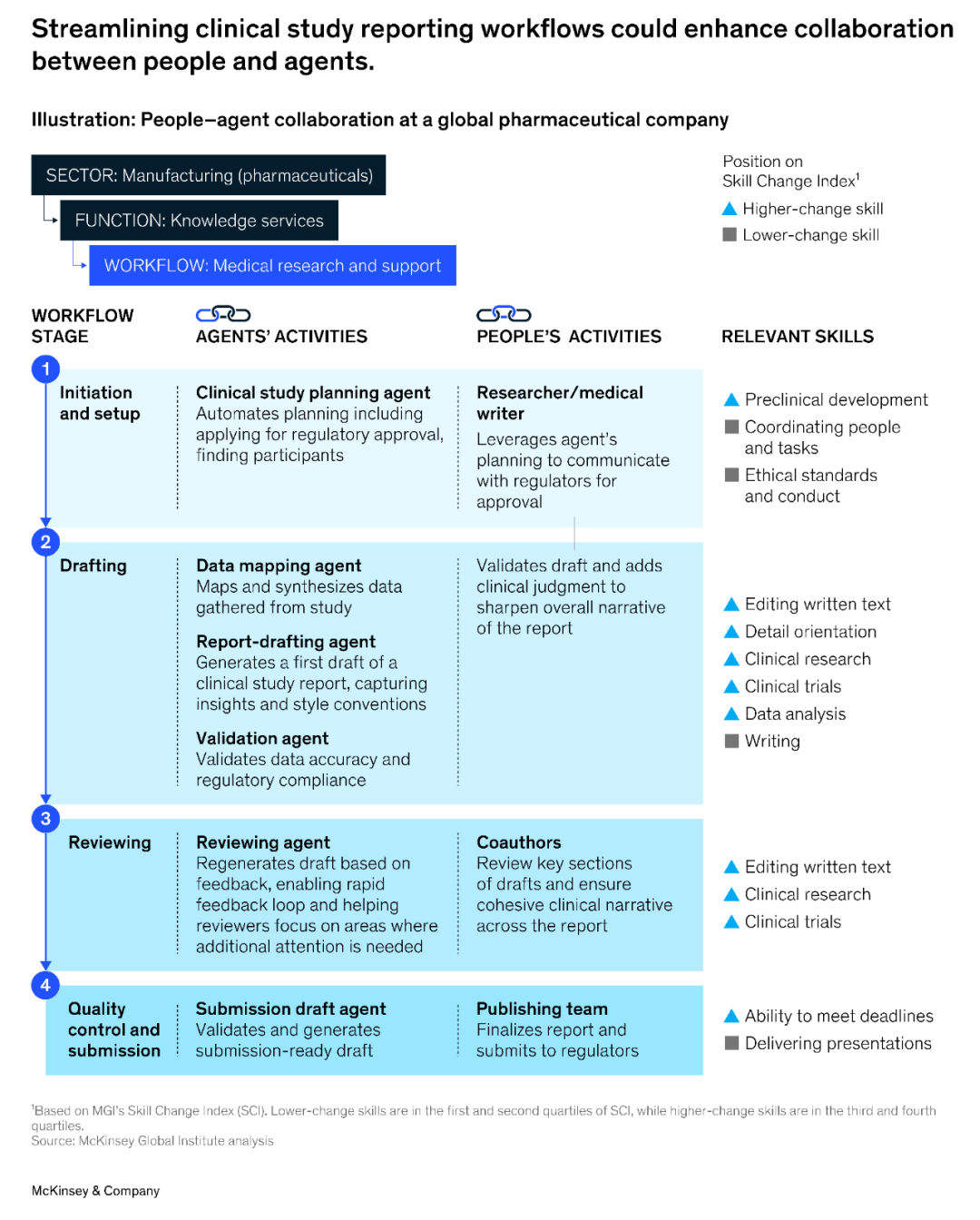
Early data shows significant efficiency improvements. The touch time for first human reviews has decreased by nearly 60%, and errors have reduced by about 50%. Combined with other related processes and technological changes, the market push to work will accelerate by weeks, and as writers enhance their AI skills and more agents are introduced, further improvements are expected. The company states that scaling these efforts may be challenging, and the combination of technical and interpersonal skills, including resilient data engineering, timely engineering skill enhancement, and bold organizational leadership, is key.
Looking ahead, life sciences companies could leverage agents to support critical phases of clinical research, from study planning to submission. Clinical research planning agents could assist in assembling trial protocols, data mapping agents could analyze and synthesize data, report drafting agents could generate complete drafts, validation agents could check compliance, and auditing agents could scan for errors. Finally, submission sketch agents could help generate documents that meet regulatory requirements. These tools applied throughout the research cycle could shorten timelines by months.
IT Case: AI agents simplify code migration and shift human roles to orchestration
A regional lending institution utilized AI agents to modernize banking applications for small and medium-sized enterprises. Its goal was to update various programming languages to accelerate internal development speed. This project previously required months of work, large budgets, and extensive engineering capacity for manual documentation, code refactoring, and testing millions of lines of code.
To expedite this process, the bank launched a pilot project utilizing agents for multiple modernization tasks. Assessment agents scan legacy codebases to identify dependencies, while functional agents generate target state architectures. Coding agents migrate code to new frameworks and perform automated testing. Developers collaborate with each agent, validating and optimizing outputs to ensure architectural integrity, compliance, and functional accuracy. This case also applies to transitioning from desktop to mobile, on-premises to cloud, and monolithic architectures to microservices (see below).
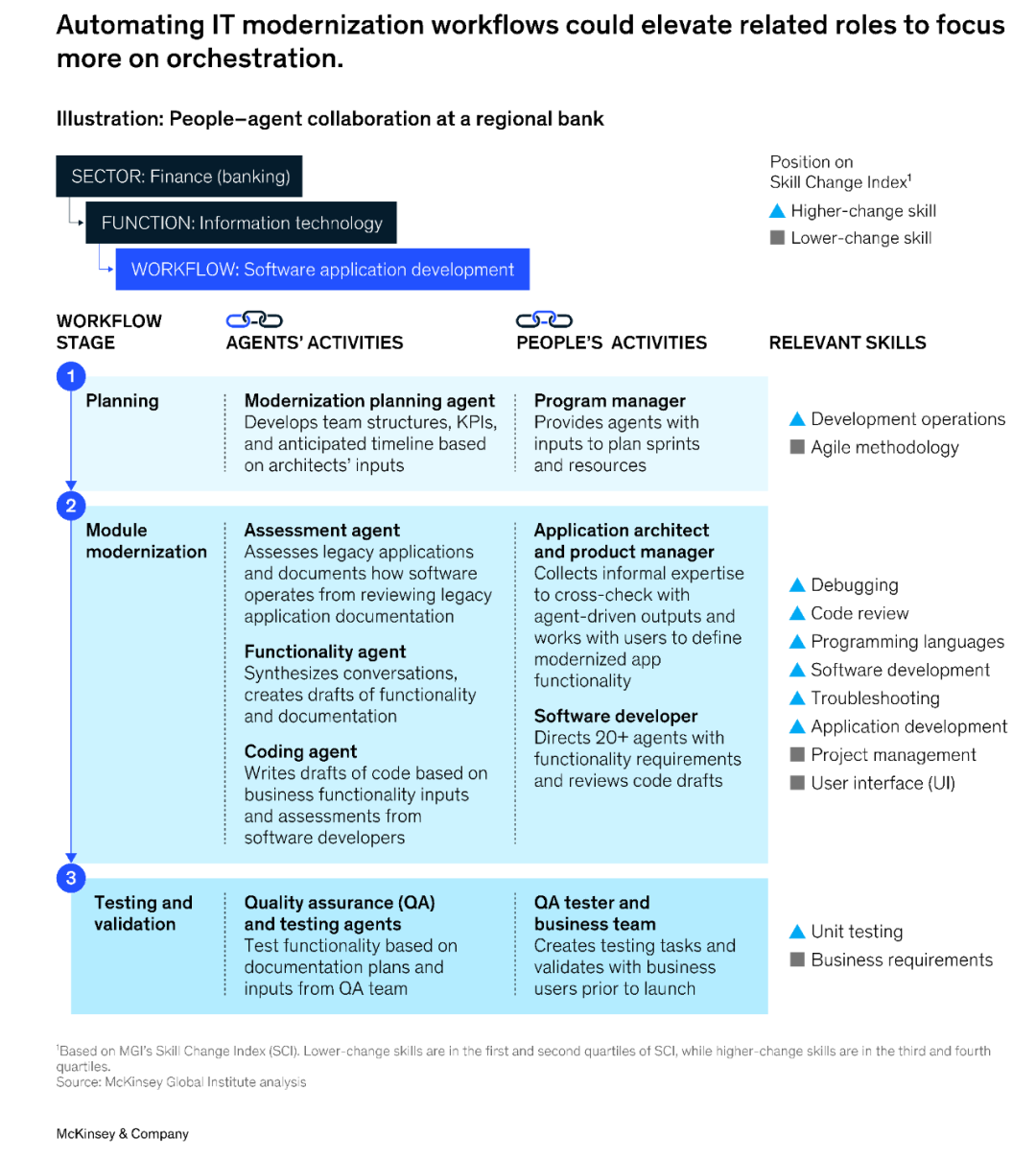
As agents take on most repetitive tasks, the focus of human work shifts to planning, orchestration, and testing. Preliminary results show code accuracy rates of up to 70%. Following the pilot modules, the bank plans to expand the use of agents across the entire modernization effort. It is estimated that this could reduce the required human hours by up to 50%. Business planning agents can coordinate the entire process, supported by quality assurance agents and testing agents.
AI is reshaping management work and skills
McKinsey’s case studies show that as AI takes on more analytical and decision-support tasks, the nature of management work is shifting from supervising personnel to coordinating systems of collaboration between personnel, agents, and robots. This change enables managers to redirect their time toward higher-value work, such as influence and guidance, while requiring higher technical fluency. For example, sales managers may spend more time coaching teams on using AI-driven insights and strengthening relationships, while customer service managers may oversee hybrid teams composed of humans and agents, training AI systems and employees to enhance service quality (see below).
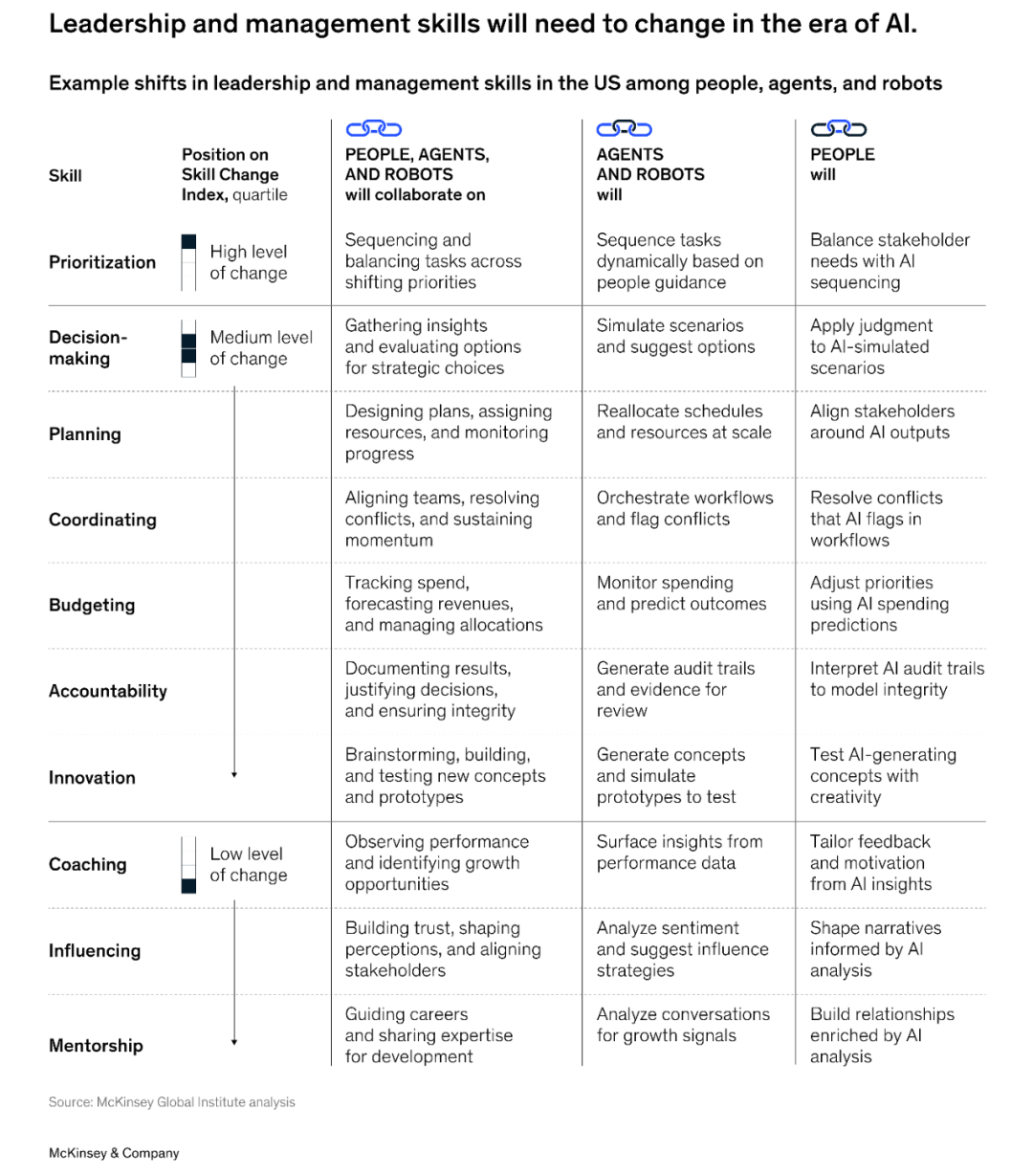
Across industries, companies find that the greatest benefits come from redesigning entire workflows rather than automating individual tasks. This requires new operating models, data foundations, and skill pathways as people increasingly collaborate with agents and robots.
4. As agents and robots reshape work and the economy, leadership is crucial
The adoption of AI is reshaping how organizations operate, creating new ways of working built around the advantages of people, agents, and robots. Managing this transformation will require business leaders to make conscious choices about its pace and purpose and collaborate with other institutions to ensure employees are well-prepared.
Key questions for business leaders
For businesses, successfully embedding AI depends on recognizing the enduring importance of talent. This is both a practical and ethical issue. As technology takes on more tasks, the judgment and oversight provided by people will become increasingly critical to keep organizations on track. The way work is organized will differ: as workflows are reshaped around the areas where humans and intelligent machines excel, employees will need retraining, and performance metrics will need to reflect the contributions of both. The following questions highlight some of the choices and trade-offs leaders face when implementing AI.
Are you reimagining your business for future value?
Early AI efforts often aim to improve existing workflows rather than rethink them. Larger-scale gains come from thoroughly redesigning processes. Building for future value means looking ahead to the coming years and backtracking to identify which roles, skills, and structures may need to change. Leaders must choose to invest significantly in redesign now rather than continuously refining existing models for short-term gains.
Are you leading AI as a core business transformation?
AI will touch nearly every function. Leaders can view it as a technology project or a broader business transformation. Delegating responsibility to the IT department may speed up implementation, but lasting change and true strategic advantage will depend on significant commitment from top leadership and attention to how AI impacts the entire organization.
Are you building a culture of experimentation and learning?
Implementing AI, especially in the early stages, is fraught with uncertainty. Organizations that test and adapt quickly tend to learn the fastest. This relies on a culture that supports curiosity, risk-taking, learning from setbacks, and collaboration. Changing culture is challenging but essential for the large-scale transformations that AI may require.
Are you building trust and ensuring safety?
AI is changing how businesses maintain accountability and oversight. The focus is shifting from checking individual outputs to establishing clear policies, validating AI logic, handling exceptions, and determining when human involvement is most needed. The challenge is to maintain the right balance, ensuring sufficient oversight to manage risks and ensure safety while not stifling efficiency and innovation.
Are you building teams of managers, agents, and robots?
AI is redefining what management means. Routine supervision may be automated, allowing managers to focus on guiding, influencing, and coordinating hybrid teams composed of personnel, customer service agents, and robots. They will also play a key role in detecting bias, validating performance, and maintaining integrity. As automation reduces direct control, maintaining accountability for outcomes may become more challenging. New performance metrics and feedback systems will be needed to assess human-machine contributions and their interactions.
Are you preparing employees for new skills and roles?
Businesses need to decide how to leverage the productivity released by AI—whether to reinvest it in developing talent and higher-value work or focus on greater efficiency and cost reduction. Most will likely do both. Managing this transition means identifying which roles can evolve and providing employees with clear, skills-based growth pathways.
AI makes continuous learning and training more critical to organizational strength. As work changes and skill demands shift rapidly, helping employees understand how skills translate into new types of work will make individuals and businesses more resilient. AI fluency needs to permeate all levels of the organization. Companies can leverage digital tools, hands-on projects, and coaching to cultivate these skills, while collaboration with other organizations and institutions can expand access to learning and open new opportunities.
Key questions for institutions
Periods of economic upheaval often compel societies to strengthen systems that help people adapt. Since the Industrial Revolution, countries have continually expanded education, training, and social safety nets. In the U.S., the New Deal and the GI Bill established the foundation for modern social infrastructure, while the digital revolution has expanded inclusivity through online learning and telehealth. The coordinated response to the COVID-19 pandemic demonstrated how institutions can mobilize quickly when livelihoods are threatened.
The rise of AI may also require similar updates. Public, private, and civic institutions can lead by example in retraining talent and expanding opportunities. The following questions invite leaders to rethink how education and employment mobility will evolve in the age of AI.
How can education and training keep pace?
As skill demands evolve, education will play a critical role. The foundations of AI fluency—such as critical thinking, questioning results, challenging assumptions, and recognizing biases or errors—should be cultivated from elementary school onward to enable people to use and guide these technologies effectively.
Curricula can be redesigned to combine technical knowledge with transferable human skills, such as adaptability, analytical thinking, and collaboration. This approach helps prepare employees for a more fluid job market. Universities may integrate AI across disciplines, while vocational and community colleges expand skills training.
AI can also support more personalized and continuous learning. As the demand for reskilling grows, investments in lifelong learning will also need to be made. Education systems and employers may need to collaborate more closely, adopting shared projects, flexible models, earn-and-learn apprenticeships, and faster certification processes to help people transition across industries.
What systems are needed to ensure transferable skills lead to new opportunities?
As AI changes work, many will need to pivot to entirely new careers. Transferable skills are crucial for achieving these transitions, but they will only matter if the labor market recognizes and rewards them. Clear skill definitions, credible ways to demonstrate capabilities—through testing or credentialing—and better matching platforms can achieve this. Building connections between employers, schools, and credentialing organizations can expand access to employment opportunities.
How should local economies and communities respond?
The impact of AI varies significantly across industries and regions. Understanding these differences through data is the first step toward effective action. Once there is a clear understanding of where changes are occurring, industry groups, educators, workforce agencies, and unions can work together to develop training and employment transition strategies that meet local needs.
In conclusion
As businesses embed technology into workflows, changing the skill configurations of many industries, the collaboration between humans, agents, and robots is forming.
Today’s technologies offer tremendous opportunities to enhance productivity and elevate human skills, and they will continue to advance. How work evolves depends on the choices made now. Investing in workers and their skills—not just technology—will be crucial to expanding human potential and ensuring the benefits of AI are widely shared.

source:
https://www.mckinsey.com/mgi/our-research/agents-robots-and-us-skill-partnerships-in-the-age-of-ai